Superfood Science: How Real Fruits and Vegetables Are Redefining Processed Foods

Superfood is one of the new buzzwords currently populating everything from cereals and granola bars to snack packs and beyond. With an emphasis on health, the term “superfood” has created confusion for consumers.

Does “superfood” mean something, or is “superfood” just a marketing term? How can brands use the phrase “superfood” responsibly while navigating stricter regulations and a consumer shift away from ultra-processed foods?

In this blog, we will explain what superfood means, what makes some claims legitimate, and how the new generation of processed foods created through the use of plant-based nutrient powders can support superfood health benefits and overall nutrition.

What Are Superfoods?

The term “superfood” has no formal scientific or regulatory definition. In most cases, it signals that a food offers meaningful health benefits and delivers a high level of nutrients within a relatively low-calorie profile. In everyday use, the idea of a superfood usually points to whole, mostly plant-based foods known for their nutrient density.

Common lists highlight familiar categories such as berries, leafy greens, cruciferous vegetables, nuts, seeds, and fermented foods. At NutriFusion, we share the view that the truly “super” qualities of fruits and vegetables come from the natural matrix of bioavailable nutrients found in real produce.

It is also important to remember that no single food creates overall wellness. Lasting benefits come from eating a wide variety of fruits and vegetables.

The Science Behind Superfood Health Benefits

Superfood marketing is based more on science than on publicity. Despite the fact that the term is frequently used in marketing, many foods that are marketed as superfoods actually contain high concentrations of important nutrients.

Nutrient Density and Bioactive Compounds

NutriFusion whole-food nutrition is showcased in a vibrant bowl of fresh berries and citrus fruits.

People often group superfoods together because they are whole foods that are very nutritious. Many of them have important vitamins like A, C, and E, as well as minerals like iron and potassium. They also contain bioactive compounds like polyphenols and flavonoids that may help neutralize free radicals.

Research suggests these foods may support anti-inflammatory pathways and contribute to gut and metabolic health through fiber and, in some cases, healthy fats. What sets them apart is the natural bioavailability of these nutrients when consumed in their whole-food form.

Evidence vs. Marketing Hype

Nutrition experts agree that the term superfood is largely a marketing label, and many claims attached to it are overstated. The European Union even limits the use of the word on packaging unless a health claim is supported by evidence, which reflects growing regulatory caution.

Most of the benefits linked to superfoods come from diets that regularly include a broad range of fruits and vegetables rather than a single high-profile ingredient. For manufacturers, the real opportunity is to rely on plant-based nutrients supported by science instead of leaning on hype.

Why Superfoods Matter in a Processed Food World

Ultra-processed foods make up a significant share of the modern diet and often supply calories without the micronutrients people need. This gap is one reason the idea of superfoods continues to resonate. Consumers want convenient products that still support everyday health goals such as steady energy, immune support, and long-term wellness.

Manufacturers feel the pressure to meet these expectations while staying within clean label standards and providing evidence-backed information that satisfies regulators and informed shoppers. This tension creates a clear opening for innovation. When processed foods are formulated with concentrated nutrients from fruits and vegetables, they can deliver meaningful improvements in nutritional quality instead of relying on marketing language alone.

How Real Fruits and Vegetables Upgrade Processed Foods

A vibrant bowl of beans, avocado, and fresh vegetables that shows NutriFusion's whole-food nutrition.

Manufacturers can bring superfood functionality into packaged foods and beverages without compromising taste, texture, or shelf life by using advanced whole food-derived ingredient technologies.

NutriFusion’s powdered superfood ingredients are made from high-quality fruits and vegetables and processed through a proprietary stabilization method that helps preserve vitamins, minerals, and phytonutrients. Hence, they remain stable and useful in finished products.

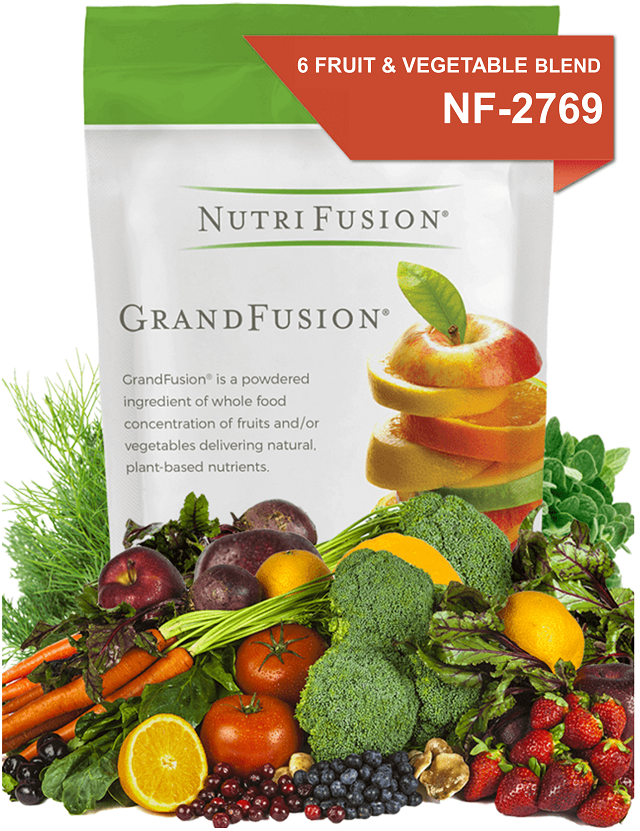
GrandFusion blends reflect this functional approach. These powdered fruit and vegetable ingredients can elevate the nutritional profile of foods, beverages, supplements, and pet foods while supporting clean label expectations. For example, a snack can gain additional nutrients and antioxidants, and a beverage can include real-food vitamins and minerals in a convenient, shelf-stable format. Because GrandFusion does not affect taste, flavor, or texture, manufacturers can improve nutrition without costly reformulations.

Practical Directions for Food, Beverage, Supplement, and Pet Food R&D

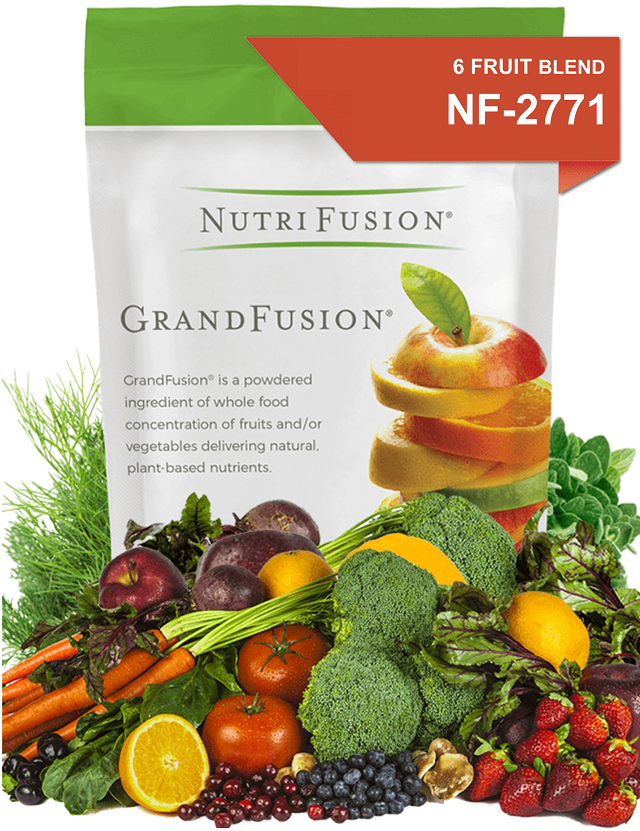
R&D teams often begin by defining the superfood story they want their product to communicate. This could emphasize plant-based nutrition, antioxidant support, or a direct connection to actual fruits and vegetables. Teams can choose the best NutriFusion’s GrandFusion blends, which range from 6, 12, and 21 nutrient profiles to B complex and pet-focused options, after that objective is established.

Planning for formulation should take into consideration:

  • Thermal stability: GrandFusion blends are designed to withstand baking and extrusion. 
  • Impact of flavor and color to guarantee that the finished product fits the desired sensory profile.
  • Regulations to verify that claims that are compliant are supported by additional nutrients.

NutriFusion also provides custom superfood powder blends that allow teams to select specific fruits, vegetables, and micronutrient compositions for targeted product development.

Turning Superfood Science Into Real Food Nutrition

There is enormous marketing power associated with the term superfood. Still, the future of superfoods will ultimately be driven by science. Superfoods have no magical ingredient that provides the real value; rather, the real value in superfoods comes from consuming a wide variety of fruits and vegetables that have been proven to provide documented levels of bioavailable nutrition.

Brands in the food, beverage, supplement, and pet industries that want to be at the forefront of food innovation need to take an approach that goes beyond the hype of traditional superfoods and develop the next generation of processed foods based on clean-label plant-based nutrient systems.

NutriFusion® has been created to provide the framework for taking the cutting-edge science of superfoods and converting it into real, marketable products, providing honest-to-goodness nutrition to people all over the world.

Explore NutriFusion® Custom Superfood Powder Blends to upgrade your products with clean, concentrated nutrition.

NutriFusion

NutriFusion develops all‐natural fruit and vegetable powders that are nutrient-dense, for when you do not have access to fresh produce, and even when you do, to improve your vitamin intake. Sourcing only whole, non-GMO foods, NutriFusion offers consumers a concentrated micronutrient and phytonutrient-rich food ingredient blend. With a farm-to-table philosophy, NutriFusion’s proprietary process stabilizes the nutrients from perishable fruits and vegetables, allowing a longer shelf life and access to vital nutrients.

NutriFusion fruit and/or vegetable powders are for use in foods, beverages, supplements, and pet foods. NutriFusion can help! Visit us at www.nutrifusion.com.


References

  1. Hill A. 16 Superfoods That Are Worthy of the Title. Healthline. Published October 30, 2023. Accessed February 2025. https://www.healthline.com/nutrition/true-superfoods
  2. Ware M. Superfoods: Health benefits, uses, and risks. Medical News Today. Published January 7, 2019. Accessed February 2025. https://www.medicalnewstoday.com/articles/303079
  3. Cobos Á, Díaz O. “‘Superfoods’: Reliability of the information for consumers available on the web.” Foods. 2023;12(3):546. https://www.mdpi.com/2304-8158/12/3/546

Vitamin K2 in Foods: The Powerful Micronutrient Most People Overlook

We often talk about calcium and vitamin D, but the nutrient that directs where calcium ultimately goes, vitamin K2, is usually overlooked. Emerging research indicates that K2 may support strong bones and flexible blood vessels, yet many diets provide too little of it, particularly as processed and plant-based eating patterns increase.

In this blog, we’ll explain what vitamin K2 is, highlight which foods provide it, clarify why natural vitamin K matters in formulation, and outline how we at NutriFusion support manufacturers with plant-based vitamins from whole food sources.

Vitamin K2 101: The “Other” Vitamin K Most People Ignore

Even though vitamin K appears on most nutrition labels, its different forms are not always explained clearly. That is why many people understand K1 but have never heard of K2, even though the two forms play very different roles in the body. Before we explore food sources or potential benefits, it is helpful to clarify what sets vitamin K2 apart.

Vitamin K is a family of vitamins, not just one.

  • Vitamin K1 (phylloquinone) is found in leafy greens and is essential for blood clotting.
  • Vitamin K2 (menaquinones), including MK-4 and MK-7, is found in fermented and animal foods and is associated with calcium regulation and long-term tissue health.

At NutriFusion, we note that plant-based K1 from greens is readily accessible and safe for consumption, and the body can convert some of it into K2 when needed, which makes it valuable in clean-label formulations.

Still, most consumers never see “vitamin K2” on labels, because nutrition panels simply list vitamin K, which can make the different roles of each form less clear. Brands that clearly communicate their real food vitamin sources can gain a meaningful transparency advantage.

How Vitamin K2 Helps Bones Stay Strong, and Arteries Stay Flexible

Once we understand what vitamin K2 is, the next step is looking at how it functions in the body. K2 plays a behind-the-scenes role that directly affects two major areas of long-term health: bone density and cardiovascular function. Its role in supporting calcium distribution is one reason K2 is so essential and often overlooked.

How K2 Supports Bone Mineralization

K2 helps activate osteocalcin, a protein involved in binding calcium to bone. When K2 works with vitamin D and calcium, it may help support bone mineralization and long-term bone strength.

How K2 Supports Arterial Flexibility

K2 also helps activate matrix Gla protein (MGP), which is associated with maintaining healthy arterial flexibility and limiting unwanted calcium buildup.

Despite these important functions, K2 is often overshadowed by nutrients like calcium or vitamin D. For brands developing functional foods, considering whole-food patterns of K, D, and other vitamins supports more comprehensive, evidence-informed nutrition strategies.

Where Vitamin K2 Shows Up on the Plate

Fermented natto beans displayed as a vitamin K2-rich ingredient.

Knowing the importance of vitamin K2 naturally raises the question of where it appears in everyday foods. Unlike K1, which appears widely in leafy greens, K2 is concentrated in only a handful of foods. That limited distribution is one of the main reasons many modern diets fall short.

Fermented Foods

Fermented foods offer some of the highest concentrations of vitamin K2 available. Their nutrient density makes them valuable for formulators who want real food sources of essential vitamins.

  • Natto (top source of MK-7)
  • Aged cheeses
  • Sauerkraut

These foods pack strong nutrition and strong flavors, which may limit their popularity.

Dairy and Eggs

Cheese, yogurt, butter, and egg yolks contain modest amounts of K2, along with calcium and protein. These are widely consumed but vary in fat and sodium, so balance matters.

Meats and Organ Foods

Beef liver and certain cuts contain K2. But as people shift toward plant-based eating, these foods are eaten less often, which may contribute to lower K2 intake. This is where whole food vitamin K solutions, including plant-based K1, can become valuable tools for manufacturers.

With only a handful of foods providing meaningful amounts of K2, brands have a strong opportunity to improve product nutrition by turning to whole food vitamin ingredients that support clean-label goals.

Why Vitamin K2 Is Easy to Miss in Modern Diets

K2-rich foods such as organ meats or natto are not common in many modern diets, particularly within Western or plant-forward eating patterns.

Ultra-processed foods generally provide little natural vitamin K unless they are fortified. Leafy greens that supply K1 are more common, although the body’s conversion of K1 to K2 varies among individuals.

This pattern can create a nutritional gap that manufacturers can address with clean-label, whole-food vitamin blends from NutriFusion, which help support natural vitamin intake without synthetics.

Natural Vitamin K vs. Synthetic Fortification: What R&D Teams Need to Know

For manufacturers formulating better-for-you products, vitamin K brings a unique challenge. It can be added synthetically, or it can come from whole food, plant-based sources, and consumers increasingly care about the difference. Understanding these two approaches is essential for brands aiming for clean label credibility.

Food formulators typically rely on two vitamin K pathways:

1. Synthetic Vitamin Additives

Manufacturers often compare different sourcing options when building a nutritional profile. Understanding how synthetic additions behave in finished products helps set clear expectations.

  • Chemically isolated vitamin compounds
  • Functionally useful but less aligned with clean label preferences

These additives remain common in many formulations, yet they do not always match evolving consumer expectations for natural and transparent nutrition.

2. Whole-Food, Plant-Based Vitamins

Formulators looking for a cleaner ingredient statement often explore natural vitamin sources. Whole food ingredients offer an approach that connects product performance with label transparency.

  • Delivered through fruit and vegetable concentrates such as GrandFusion®
  • Support clean label and no synthetics goals
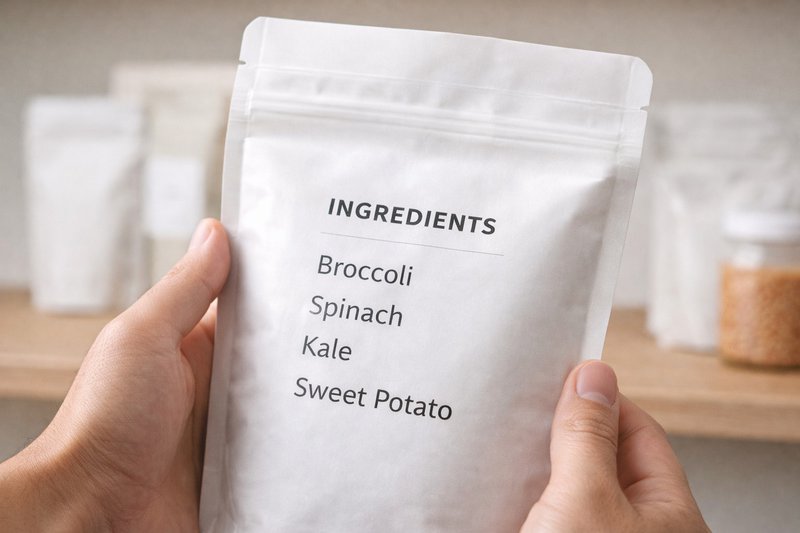
  • Allow labels that highlight recognizable ingredients like spinach or broccoli

This approach gives manufacturers a way to strengthen nutritional profiles while keeping ingredient lists familiar and consistent with clean label priorities.

Even though natural K2 sources are mostly animal-based, developers can strengthen vitamin K profiles with plant-derived K1, which the body may convert to K2 as needed, supporting both nutritional goals and consumer expectations.

How NutriFusion Delivers Plant-Based Vitamin K From Whole Foods

A bowl of vibrant green kale powder resting on fresh kale leaves, shown as a NutriFusion whole food ingredient.

NutriFusion® develops GrandFusion® nutrient blends made entirely from whole fruits and vegetables.

  • The 12 Essential Vitamins Blend (NF-2782) provides about 50% of the daily value of vitamin K1, along with vitamins A as beta carotene, C, D2, E, and several B vitamins, in a single 225 mg serving made from ingredients such as spinach, broccoli, carrot, and sweet potato.
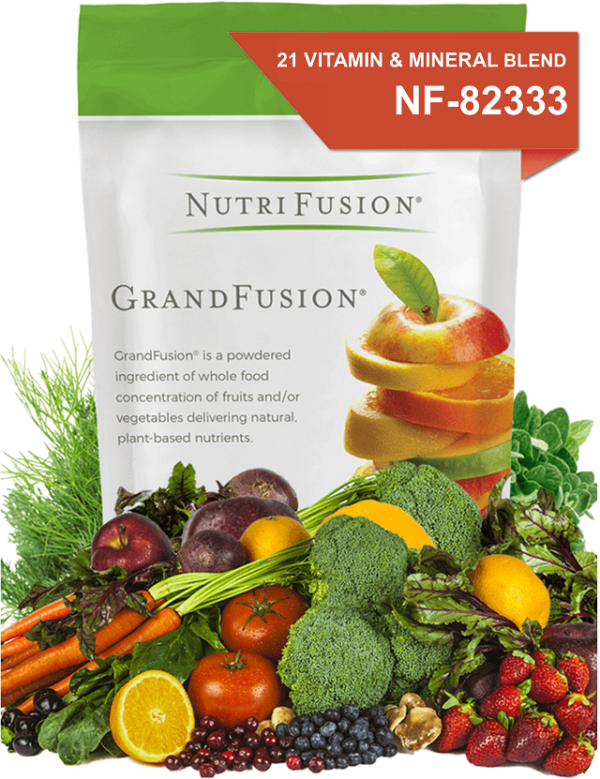
  • The 21 Vitamin & Mineral Blend (NF-82333) provides 100% of the daily value of vitamin K1 along with a broad panel of vitamins and minerals in a blend made from plant-based ingredients such as broccoli, spinach, kale, pumpkin, sweet potato, and other botanicals.

These blends help manufacturers deliver a real food nutrition story grounded in transparency, clean label principles, and whole plant ingredients.

From Overlooked Micronutrient to Clean-Label Advantage With NutriFusion

Vitamin K2 may not receive as much attention as other well-known nutrients, yet its role in supporting bone and heart health makes it increasingly relevant for modern product development. As consumers look for nutrient-rich and synthetic-free foods, K2 and plant-based vitamin solutions create a meaningful path for brands that want to deliver real food nutrition.

Using GrandFusion® plant-based blends gives manufacturers a practical way to support products positioned for bone and cardiovascular health by incorporating key vitamins such as K1, D2, and other essential nutrients from whole fruits and vegetables. These blends also make it easier to meet clean label expectations with no synthetics while maintaining ingredient transparency. By relying on real food sources, manufacturers can strengthen trust with consumers seeking authenticity.

If you are exploring ways to build more nutrient-dense products, our Custom Superfood Powder Blends can help you create targeted vitamin solutions using real fruit and vegetable ingredients.

NutriFusion

NutriFusion develops all‐natural fruit and vegetable powders that are nutrient-dense for when you do not have access to fresh produce…and even when you do, to improve your vitamin intake. Sourcing only whole, non-GMO foods, NutriFusion offers consumers a concentrated micronutrient and phytonutrient-rich food ingredient blend. With a farm-to-table philosophy, NutriFusion’s proprietary process stabilizes the nutrients from perishable fruits and vegetables, allowing a longer shelf life and access to vital nutrients.

NutriFusion fruit and/or vegetable powders are for use in foods, beverages, supplements, and pet foods. NutriFusion can help! Visit us at www.nutrifusion.com.


References

  1. WebMD. Foods High in Vitamin K2. https://www.webmd.com/diet/foods-high-in-vitamin-k2