
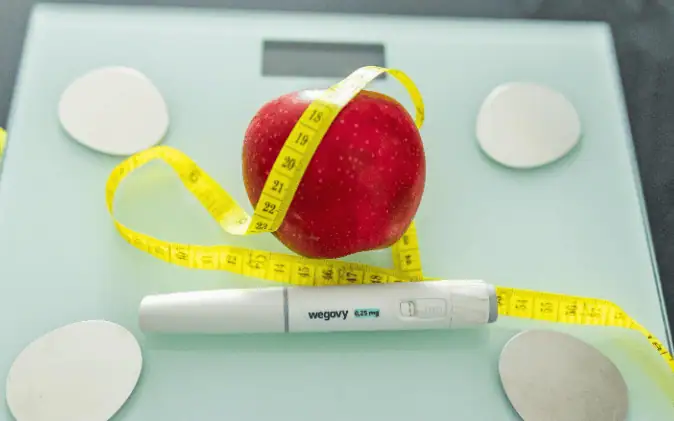
If you’re starting a GLP-1 medication, you’ve probably heard plenty about weight loss, appetite suppression, and blood sugar control. What doesn’t come up as often is the nutrition side of things, specifically what happens when you’re eating a fraction of what you used to. Less food usually means fewer vitamins and minerals coming in too, and that shortfall tends to build slowly, often for months, before you notice anything’s actually wrong.
None of this means there’s a problem with GLP-1 medications themselves. It just means it pays to eat a bit more strategically while you’re taking one.
A joint clinical advisory published by the American College of Lifestyle Medicine, the American Society for Nutrition, and several other major medical organizations found that people using GLP-1s for obesity see caloric reductions in the range of 16 to 39 percent. That kind of drop can leave people short on essential vitamins and minerals, particularly once daily intake falls below roughly 1200 calories for women or 1800 for men. It’s a well-documented risk, and one worth planning for from the start rather than after symptoms show up.
Knowing this going in gives you a head start, instead of getting blindsided a few months down the line.
The Most Common Deficiencies on GLP-1 Medications and Why They Happen
There’s actually a pretty predictable pattern to which nutrients run low on GLP-1s, and knowing why makes it easier to figure out where to focus.
Protein tops the list of concerns. Once portions shrink dramatically, protein is usually the first thing to fall behind, mostly because there’s simply less room on the plate for it. That matters more than it might seem, since not getting enough protein during rapid weight loss tends to drag muscle down along with fat, which is the opposite of what most people want. A study on nutritional deficiencies and muscle loss in adults on GLP-1 medications, published on the National Center for Biotechnology Information, found that GLP-1 users often come up short on protein, and that this gap tracks closely with the muscle loss seen during treatment.
Vitamin B12 is another one that slips. GLP-1 medications work in part by slowing gastric emptying considerably, which is exactly what keeps you feeling full longer, but that same slowdown can get in the way of how your body absorbs certain nutrients over time. A review of nutrient intake among GLP-1 users covered by Medscape found that dietary analysis of these patients showed most weren’t meeting recommended intakes for vitamin D, iron, calcium, or protein, and that low B12 specifically shows up as fatigue and trouble concentrating.
Iron deficiency turns up more often than most people expect, and the numbers on it are genuinely striking. That same Medscape-reported review pointed to a prospective study of adults with type 2 diabetes that found markedly reduced intestinal iron absorption after just 10 weeks on semaglutide, plus a separate cohort study showing GLP-1 users running 26 to 30 percent lower on ferritin, a marker of iron stores, compared with people on a different diabetes medication. Since iron is so central to energy and cognitive function, low levels frequently show up as fatigue that doesn’t have an obvious explanation.
Fiber intake drops for the simple reason that there’s less food coming in overall, and that plays directly into the constipation so many people run into on GLP-1s. guidance from the Mayo Clinic Diet program lists gradually increasing dietary fiber as one of the main ways to manage GLP-1-related digestive side effects, right alongside staying well hydrated.
A Harvard Health review of studies on GLP-1 medications and nutrient deficiency, drawing on a database of more than 461,000 adults, found that 12.7 percent of people were newly diagnosed with a nutritional deficiency within 6 months of starting treatment. By the 12-month mark, that number had climbed to 22 percent, with vitamin D deficiency turning up most often. This is a documented, recurring pattern, not some rare exception.
Strategic Eating on GLP-1s and Nutrition That Actually Fills the Gaps
Here’s the encouraging part: most of these gaps are genuinely preventable with a bit of intentional planning. The core idea behind eating on Ozempic/Wegovy or any other GLP-1 boils down to one thing. Since you’re taking in less food overall, every bite has to pull more nutritional weight than it used to.
Put protein first, every time you sit down to eat. With less room on your plate, protein should be the thing you add before anything else. Experts generally point to around 25 to 30 grams per meal as a target, and the same joint clinical advisory on GLP-1 nutrition backs protein intakes above 1.2 grams per kilogram of body weight per day, spread across meals rather than stacked into one. Eggs, Greek yogurt, cottage cheese, fish, chicken, and tofu all fit easily into smaller portions without much extra effort.
Think density, not volume. Since you can’t physically eat as much as before, each food choice carries more weight than it used to. A handful of spinach tossed into a smoothie, a sprinkle of hemp seeds on yogurt, or picking salmon over a plain chicken breast, these small swaps all add real nutrients without adding much bulk. This is really where GLP-1 and nutrition overlap the most. When calories are limited, each one has to count.
Spread your eating out instead of trying to get it all in during a couple of large meals. Because GLP-1s slow digestion down, big meals often bring on nausea or discomfort. Five or six smaller, nutrient-dense meals and snacks spaced through the day usually work better than three large ones, and it’s also an easier way to hit your protein and fiber targets without feeling uncomfortably full at any one sitting.
Build fiber up slowly rather than all at once. Vegetables, legumes, whole grains, and fruit all support digestion and help counter the constipation that comes with these medications so often. Take it gradually, since a sudden jump in fiber can actually make bloating worse in the short term.
Don’t fall behind on hydration. It plays into nearly every side effect these medications can cause, from nausea to constipation to fatigue. Sipping water steadily through the day, rather than chugging large amounts at once, is generally more comfortable and more effective anyway.
A basic multivitamin can work as a safety net, not a replacement for actual food. Even careful eaters can end up short on a few nutrients when overall intake drops this much, and a general multivitamin can help close gaps in vitamin D, B12, and iron specifically, since those are the ones most commonly found low in GLP-1 users. It’s worth talking this over with your prescribing provider rather than deciding on your own, since needs vary from person to person.
Warning Signs of Deficiency and When to Get Professional Support
Most nutritional gaps on GLP-1s show up gradually, which is exactly why they’re so easy to overlook. Knowing what signs to watch for helps you catch things early, before they turn into a bigger issue.
Fatigue that goes beyond what you’d expect from simply eating less is one of the more common red flags, and it can point to low iron, low B12, or just not enough calories overall. Hair thinning, or shedding that seems excessive, is another sign that tends to come up often, usually tied to inadequate protein or micronutrient intake during rapid weight loss.
Muscle weakness, cuts or bruises healing slower than usual, and unexplained bruising are also called out by the joint clinical advisory on GLP-1 nutritional priorities as symptoms worth taking seriously. Brain fog, trouble concentrating, or noticeable mood shifts can sometimes trace back to a B vitamin deficiency specifically, since those vitamins are directly tied to nervous system function.
None of this automatically means something’s seriously wrong, and plenty of early GLP-1 side effects just overlap with the normal adjustment to eating less. That said, if any of these symptoms stick around, get worse, or show up alongside food intake that’s noticeably low, it’s worth mentioning to your healthcare provider. Bloodwork can usually catch specific deficiencies early, well before they turn into something more serious.
This is also where a professional can make a real difference. A registered dietitian familiar with GLP-1 medications can help you shape an eating pattern that fits your reduced appetite while still hitting your nutritional bases, which is genuinely hard to work out alone once your hunger cues have shifted this much. If that kind of personalized support sounds useful, you can find a registered dietitian who can tailor a plan around your specific needs and whatever side effects you’re dealing with.
Conclusion
Nutritional deficiencies on GLP-1 medications are common, but once you understand what’s driving them, they’re largely preventable. Less appetite means less room for food, and that means every meal has to carry more nutritional weight than it used to.
Protein first, fiber building up gradually, hydration you stay ahead of, and paying attention to how you actually feel, that covers most of what matters. If something feels off, whether it’s ongoing fatigue, hair changes, or anything else that isn’t improving, bring it up with your provider or a dietitian sooner rather than later.
You don’t need to overhaul everything overnight or track every gram of every nutrient. A little intentional planning, especially early on, goes a long way toward making sure the changes you’re going through on a GLP-1 work for your health instead of against it.
NutriFusion
NutriFusion can help! NutriFusion develops all‐natural fruit and vegetable powders that are nutrient dense for when you do not have access to fresh produce…and even when you do to improve your vitamin intake. Sourcing only whole, non-GMO foods, NutriFusion offers consumers a concentrated micronutrient and phytonutrient-rich food ingredient blends. With a farm-to-table philosophy, NutriFusion’s proprietary process stabilizes the nutrients from perishable fruits and vegetables, allowing a longer shelf life and access to vital nutrients.
NutriFusion does help through its fruit and/or vegetable powders that are used in foods, beverages, supplements, and pet foods. Visit us at www.nutrifusion.com.