• Link to LinkedIn
  • Link to Facebook
  • Call Us
NutriFusion
  • Applications
    • All Blends
    • Food
    • Beverages & Drinks
    • Nutraceuticals
    • Pet Nutrition
    • Custom Superfood
  • R&D
    • Research & Development
    • Vitamin Deficiency
  • Active Research
  • About
    • About NutriFusion®
    • Certifications
  • Contact
  • News
    • Press Center
  • Podcasts
  • Blog
  • Store
  • Click to open the search input field Click to open the search input field Search
  • Menu Menu

Archive for category: Beverages & Drinks

How Drinks for Gut Health Are Becoming a Daily Wellness Staple

in Beverages & Drinks

​Taking drinks for gut health are becoming a vital component of proactive lifestyle routines. Consumers increasingly recognize that metabolic vitality, systemic immunity, and overall physical comfort originate within a balanced microbiome. Ready-to-drink functional beverages provide a seamless way to deliver targeted nutrition, fueling rapid expansion within the functional beverage market.

This shift eliminates the structural friction of traditional supplementation while ensuring consistent nutrient absorption. This article explores the commercial forces driving the liquid wellness movement, shifting consumer preferences, and the technical formulation advancements allowing beverage manufacturers to meet these rigorous nutritional demands.

Beyond Hydration: Demand for Functional Beverages

With the fast pace of day-to-day life, consumers now demand efficiency from everything they consume. Because of this, beverages are expected to provide nutrition alongside basic hydration.

This photo features bottled drinks for gut health

Here are some key metrics that illustrate this transition:

  • The global functional beverage market size is valued at $181.65 billion and is projected to expand significantly as consumers prioritize targeted nutrition.
  • Over 70% of new beverage product launches feature explicit health claims targeting immune support, energy, or digestive wellness.
  • Market trends show that modern buyers actively look for specific benefits like micronutrient fortification and digestive support directly in their daily drink choices.

To capture this growing market share, manufacturers must align their product development pipelines with these efficiency-driven expectations. Understanding modern beverage industry trends allows formulators to create highly relevant products that stand out on retail shelves. Delivering reliable nutrition through drinks for gut health and other functional beverages remains an important way for brands to build long-term consumer trust and loyalty.

Replacing Sugary Soft Drinks with Prebiotic Sodas

Among the major shifts in daily wellness is the conscious effort to replace nutrient-poor snacks and beverages with healthier alternatives. However, many individuals find it difficult to completely abandon products such as carbonated drinks. As a result, prebiotic sodas and other drinks for gut health have stepped into this gap, allowing people to enjoy the familiar fizz and flavor of soft drinks while supporting their wellness goals.

This substitution addresses the excessive sugar found in standard beverages. A typical 12-ounce can of conventional soda contains roughly 39 grams of added sugar, which completely fulfills or exceeds the recommended daily limit for most adults. Shifting to a prebiotic alternative immediately cuts that sugar load down to between 2 and 5 grams per serving.

Beyond reducing sugar, this behavioral switch introduces functional fiber that actively feeds beneficial microbes in the digestive tract. Most of these modern carbonated alternatives deliver around 2 to 9 grams of dietary fiber per can, turning a traditionally unhealthy habit into a supportive routine. This balance of low sugar and active fiber makes these sodas an ideal transitional tool for anyone prioritizing systemic metabolic health.

Overcoming "Pill Fatigue" Through Liquid Wellness

Many individuals look to nutritional supplements to fill the gaps in their daily diets. However, swallowing a handful of pills every single morning can quickly feel like a tedious chore. Opting for liquid formats for some of these supplements can help make the routine much more manageable. Shifting away from a counter full of pill bottles helps streamline a digestive wellness regimen into a simple, enjoyable daily habit.

This photo features a person opening a pack of supplements

Key reasons why consumers prefer liquid options for digestive care include:

  • Roughly 40% of adults experience actual physical discomfort or difficulty when trying to swallow standard solid pills.
  • Drinking a flavorful beverage fits naturally into existing hydration habits, making it much easier to stay consistent over time.
  • Combining nutrition into an enjoyable drink eliminates the daily stress of tracking multiple capsule schedules and dosages.

Because of these challenges, liquid wellness has become a highly popular alternative. Drinks for gut health allows individuals to get vital nutrients without the hassle of a medicine cabinet setup. Understanding the best supplements for gut health allows product developers to see exactly how moving away from heavy pill regimens is transforming modern consumer compliance and market demand.

Inside-Out Wellness: Gut Health for Skin Vitality and Mood Support

The connection between the digestive system, the brain, and the skin shows that taking care of the stomach has widespread benefits. Supporting a balanced digestive tract directly influences how individuals feel emotionally and how healthy the skin looks. Choosing functional drinks for gut health provides a simple, daily method to capture these connected benefits all at once.

Clear wellness benefits of maintaining a balanced digestive tract include:

  • Clearer, More Radiant Skin: Balancing stomach microbes helps calm body-wide irritation, which keeps the skin properly hydrated and less prone to blemishes.
  • Improved Mood and Stress Management: A healthy digestive system may also support mood and emotional well-being. In fact, about 95% of the body's serotonin is produced in the gut, highlighting the close connection between digestive health and the brain.
  • Better Everyday Resilience: Supporting digestion allows the body to easily absorb vital nutrients that keep energy levels stable and protect skin cells from everyday wear and tear.

These connections highlight how digestive health can influence other areas of overall wellness, including skin health and mood. Functional beverages offer a convenient way to incorporate ingredients that support these benefits into a daily routine.

The NutriFusion LLC Advantage: Making Drinks for Gut Health Better

As functional beverages scale up, manufacturers struggle with nutrient stability. High heat from commercial pasteurization routinely destroys standard additive profiles. At NutriFusion LLC, our proprietary processing technology solves this by safeguarding delicate plant vitamins, ensuring every custom blend remains structurally stable.

We supply advanced, plant-based nutrient technology that helps brands effortlessly enhance their product lines. Our non-GMO powder blends deliver concentrated, plant-derived vitamins that blend smoothly without altering original flavors or textures.

Key operational benefits of our ingredient tech include:

  • Guaranteed Stability: Nutrients survive intensive thermal processing and extended shelf storage safely.
  • Optimal Absorption: Every blend remains entirely bioavailable, bioabsorbable, and bioactive within liquid matrixes.
  • Clean Labeling: Learning how to create gut health supplement alternatives allows brands to claim excellent nutrient sources without relying on unabsorbable ingredients.

As brands expand to meet the demand for functional beverages and efficient microbiome support, NutriFusion LLC stands ready to provide plant-based solutions. We offer specialized, process-stable blends engineered to protect both product integrity and consumer trust. Partner with us to elevate formulations and deliver verified plant-based nutrition to the marketplace: https://nutrifusion.com/

References

  • De Pessemier, B., Grine, L., Debaere, M., Maes, A., Paetzold, B., & Callewaert, C. (2021). Gut–skin axis: Current knowledge of the interrelationship between microbial dysbiosis and skin conditions. Microorganisms, 9(2), 353. https://doi.org/10.3390/microorganisms9020353
  • Gershon, M. D. (2013). 5-Hydroxytryptamine (serotonin) in the gastrointestinal tract. Current Opinion in Endocrinology, Diabetes, and Obesity, 20(1), 14–21. https://doi.org/10.1097/MED.0b013e32835bc703
  • Harvard T.H. Chan School of Public Health. (2025). Sugary drinks. The Nutrition Source. https://www.hsph.harvard.edu/nutritionsource/healthy-drinks/sugary-drinks/
  • Kaur, R., Shekhar, S., & Prasad, K. (2024). Functional beverages: recent trends and prospects as potential meal replacers. Food Materials Research, 4, 0–0. https://doi.org/10.48130/fmr-0023-0041
  • Salamon, M. (2025). When pills pose problems. Harvard Health. https://www.health.harvard.edu/healthy-aging-and-longevity/when-pills-pose-problems
  • Scott, B. (2025). The rise of prebiotic drinks: Are they actually good for you? https://www.bswhealth.com/blog/the-rise-of-prebiotic-drinks-are-they-actually-good-for-you

https://nutrifusion.com/wp-content/uploads/2026/08/pexels-mart-production-8217477_1650400d36a7baa681b365b04ea335aa_2000.jpg 1030 1544 https://nutrifusion.com/wp-content/uploads/2022/05/NutriFusion-Logo-New-1030x251.png 2026-08-07 08:00:582026-08-07 08:00:58How Drinks for Gut Health Are Becoming a Daily Wellness Staple

What Makes the Best Probiotic Drinks Stand Out Today

in Beverages & Drinks

​Growing awareness on the importance of gut health has completely transformed beverage aisles across the globe. From convenience stores to groceries, it has become a norm to see probiotic drinks like kefir, kombucha, and cultured milk, among many others.

In fact, this consumer interest has driven rapid market demand, with the global probiotic drinks market projected to reach $25.39 billion by the end of 2026. However, with shelves packed with competing brands, it can be incredibly difficult for manufacturers and consumers alike to know which options are truly high in quality.

In this article, we will examine what makes the best probiotic drinks stand out in today's market. We will break down the crucial formulation benchmarks that define a premium functional beverage, from ingredient stability to optimized nutritional profiles.

Using Specific, Clinically Proven Strains

​The best probiotic drinks are made with probiotic strains that have been extensively studied for their health benefits. Rather than using generic live cultures, manufacturers often choose specific strains supported by scientific research and human studies.

When establishing the baseline for a high-quality product, developers typically rely on highly resilient, thoroughly researched strains. Some examples of these are the following:

  • Lacticaseibacillus rhamnosus GG (LGG): Exceptionally well-documented for supporting immune health and maintaining intestinal barrier integrity.
  • Bifidobacterium animalis subsp. lactis (BB-12): Demonstrates high tolerance to stomach acid and bile, ensuring optimal survival during digestion.
  • Bacillus coagulans: A spore-forming, heat-stable bacterium that easily withstands high-heat manufacturing and thermal processing.
  • Lactobacillus acidophilus (NCFM): Highly regarded for improving overall digestive comfort and supporting efficient nutrient absorption.
  • Lactobacillus plantarum (299v): Proven to safely colonize the intestinal lining and maintain high stability in low-pH liquid environments.

Keeping Sugar and Calorie Counts Low

Many early entries in the functional beverage and gut health space relied heavily on sweet juices and syrups to mask the naturally tart taste of fermentation. So, it’s no surprise that many health-conscious consumers feel that the best probiotic drinks are those that contain little to no added sugar.

Formulators face a distinct technical challenge when trying to lower sugar content without damaging the beverage's sensory profile. Sugar plays a massive role in standard drink production by contributing to mouthfeel, viscosity, and flavor masking.

This photo features a woman pouring a probiotic drink into a glass

To achieve an optimal balance, product developers must carefully utilize alternative sweetening systems that do not disrupt the live bacteria. Here are the primary strategies currently used by beverage manufacturers to keep calorie counts low:

  • Stevia and Monk Fruit Extracts: High-intensity, plant-based sweeteners that provide necessary sweetness without altering glycemic index levels or contributing calories.
  • Allulose: A low-calorie monosaccharide that closely mirrors the exact bulking characteristics and mouthfeel of sucrose without spiking blood glucose.
  • Targeted Fermentation Control: Monitoring the production timeline precisely so that the live cultures consume the base sugars, leaving minimal residual sugars behind.

Pairing Probiotics with Prebiotics for Maximum Impact

Formulators are increasingly looking beyond standalone live cultures to maximize the health value of their formulations. To create the best probiotic drinks on the market today, manufacturers are combining live beneficial bacteria with targeting prebiotic fibers. Understanding exactly why probiotic drinks support gut health allows formulators to build more intentional pairings that significantly enhance both ingredient stability and overall digestive efficacy.

In beverage production, this combination provides dual advantages by supporting both the shelf life of the product and its survival inside the body. Product developers generally utilize specific, soluble prebiotic fibers that dissolve completely without altering the clarity or texture of the drink. A few examples of which are:

  • Inulin and Oligofructose: Well-researched chicory root derivatives that feed beneficial bifidobacteria while contributing a subtle, rounding mouthfeel.
  • Isomaltooligosaccharides (IMO): Highly acid-stable fibers that maintain their structural integrity in low-pH juice or tea bases over time.
  • Galactooligosaccharides (GOS): Premium substrates that excel at supporting gut barrier integrity and improving the survival rates of live cultures during cold-chain distribution.

Adding Extra Functional Nutrients

To stand out in a highly competitive market, the best probiotic drinks are evolving past baseline digestive support. Forward-thinking manufacturers are embracing functional stacking, which is the practice of layering secondary beneficial nutrients like targeted vitamins and minerals directly into live-culture beverage bases.

This multi-benefit approach directly aligns with modern consumer habits, as buyers increasingly expect their functional beverages to work on multiple fronts simultaneously. According to market research from Innova Market Insights, beverages that feature multi-functional claims have seen sharp global growth as consumers seek maximum nutritional density in a single, convenient format. When formulating these advanced products, it is helpful to understand how plant-based ingredients maximize nutrient delivery in live culture systems.

This photo features a functional ingredient in powder form spilling out of a scoop

However, introducing standard nutrient additives into a live-culture environment presents severe technical formulation challenges for beverage developers. Combining complex nutrients with live strains often triggers immediate structural issues during distribution and storage:

  • Low pH Instability: Many standard vitamins break down rapidly when exposed to the highly acidic environments common in fruit juices and fermented teas.
  • Rapid Oxygenation Degradation: Soluble nutrients frequently oxidize over time on ambient shelves, drastically shortening the product's effective shelf life.
  • Astringency and Off-Flavors: Introducing traditional micronutrient pre-mixes can create severe sensory hurdles, leaving an unappealing metallic or bitter taste in the final cup.

How NutriFusion Elevates the Formulation of the Best Probiotic Drinks

Creating the best probiotic drinks that offer multiple health benefits can be tricky to achieve. Trying to combine standard baseline additives with sensitive live cultures often results in severe nutrient loss. In turn, this forces product developers into a frustrating cycle of expensive production overages and short retail shelf lives.

At NutriFusion LLC, we provide bio-organic alternatives through our proprietary GrandFusion plant-based powder blends. Our nutrient systems remain fully bioavailable, bioabsorbable, and bioactive without altering the flavor profile, mouthfeel, or cell viability of live cultures.

Our specialized ingredient portfolio offers flexible solutions to help brands successfully achieve multi-functional label claims:

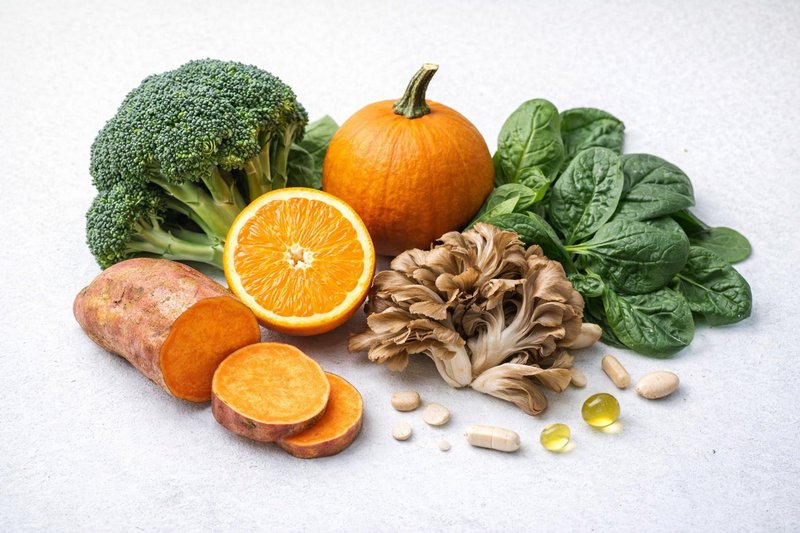
  • GrandFusion 6 Nutrient Fruit & Vegetable Blend (NF-2769): Sourced from crops like broccoli, spinach, sweet potato, and orange, this highly concentrated powder delivers key essential vitamins in a minimal dose.
  • GrandFusion 12 Essential Vitamins Blend (NF-2782): A broad-spectrum nutrient system sourced from plants like spinach, apples, and shiitake mushrooms, designed to provide comprehensive nutrition while remaining perfectly stable in acidic liquid environments.
  • GrandFusion B Complex Vitamin Blend (NF-2131): A targeted plant-based blend utilizing nutrient-dense seeds and greens to deliver a complete suite of stable B-vitamins without creating production overages.

At NutriFusion LLC, we understand that formulating high-performance products comes with a complex set of production risks. We stand ready as a development partner for forward-thinking brands by providing fully stabilized, taste-neutral, plant-based nutrient systems that protect active strains and elevate your nutrition panel. Partner with us to streamline your ingredient deck and deliver dependable wellness options to a growing market: https://nutrifusion.com/

References:

  • Fortune Business Insights. (2026). Probiotic Drinks Market Size, Share & Industry Analysis, By Product Type (Cultured Dairy RTD Drinks, Non-dairy Fermented RTD Drinks, Probiotic Fortified RTD Beverages, Probiotic Shots & Concentrates, and Pediatric RTD Probiotic Drinks), By Distribution Channel, and Regional Forecast, 2026-2034. https://www.fortunebusinessinsights.com/probiotic-drinks-market-113366
  • National Institutes of Health. (2024). Probiotics: Health Professional Fact Sheet. Office of Dietary Supplements. https://ods.od.nih.gov/factsheets/Probiotics-HealthProfessional/
  • Nutritional Outlook. (2026). What's New in Drink Trends – Food & Beverage. https://www.nutritionaloutlook.com/view/what-s-new-in-drink-trends

https://nutrifusion.com/wp-content/uploads/2026/08/pexels-cottonbro-6224595_e52129432cf77951c259f6628095e9ad_2000.jpg 1030 1545 https://nutrifusion.com/wp-content/uploads/2022/05/NutriFusion-Logo-New-1030x251.png 2026-08-05 08:00:532026-08-05 08:00:53What Makes the Best Probiotic Drinks Stand Out Today

How Probiotic Drinks for Gut Health Are Inspiring Better Nutrition

in Beverages & Drinks, Health & Nutrition

​The shelves of grocery stores and wellness shops tell a clear story: probiotic drinks for gut health are no longer a niche trend, they are a mainstream demand. From kombucha to kefir-based beverages, consumers are actively seeking functional drinks that do more than hydrate.

This shift is pushing beverage manufacturers and formulators to think differently about what goes into their products. Gut health has become a top priority for today's health-conscious consumer, and the pressure to deliver real, science-backed nutrition has never been higher.

In this article, we explore the science behind probiotic drinks, why probiotics alone may not tell the whole story, and how forward-thinking formulators are closing the nutritional gap.

What Probiotic Drinks for Gut Health Actually Do

Probiotic drinks for gut health deliver live beneficial bacteria, primarily Lactobacillus and Bifidobacterium strains, directly to the digestive system. These microorganisms work to restore and maintain a balanced gut microbiome, which plays a central role in overall health and wellness.

This photo features a person opening a bottle of probiotic drink

Key functions of probiotic drinks include:

  • Support for digestion by promoting the breakdown and absorption of nutrients. A well-functioning digestive system allows the body to extract and utilize vitamins, minerals, and other compounds more efficiently.
  • Microbiome balance by replenishing beneficial bacteria that are commonly depleted by poor diet, chronic stress, antibiotic use, or environmental factors. Maintaining this balance is essential for long-term digestive and systemic health.
  • Immune support by maintaining a healthy microbial environment in the gut, where a significant portion of immune activity originates and is regulated. A diverse and balanced microbiome helps the body respond more effectively to pathogens and inflammation.
  • Reduced digestive discomfort by helping to ease common issues such as bloating, irregularity, and gut inflammation. For many consumers, this relief is one of the most immediate and noticeable benefits of adding probiotic drinks to their routine.

For beverage manufacturers, this growing awareness around gut health represents both an opportunity and a responsibility. Consumers are not just looking for a drink with a probiotic label, they want products that deliver measurable, meaningful results.

Why Probiotics Alone Aren't Enough

Probiotic drinks for gut health have earned their place in the functional beverage market, but the gut is a complex ecosystem that requires more than beneficial bacteria to thrive. Probiotics are most effective when they have the right nutritional environment to survive, populate, and perform.

This is where specific micronutrients and plant compounds become essential:

  • Vitamin C: Supports the structural integrity of the gut lining, creating a secure environment for bacteria to colonize.
  • B Vitamins: Fuel healthy metabolic function and energy pathways within the microbiome itself.
  • Polyphenols: Act as a natural food source (prebiotics) that sustains and feeds these beneficial bacteria over time.

Without this foundational micronutrient support to regulate inflammation and protect the gut lining, introduced probiotics often struggle to take root and deliver their full health potential.

The Micronutrient Gap in Today's Functional Beverages

Despite the rapid growth of the functional beverage market, a major disconnect exists on retail shelves: many products are built around a single headline benefit. While existing probiotic drinks deliver on their core promise of live bacteria, they frequently lack the broader vitamin and mineral profiles required for whole-body wellness.

This photo features a bottle of a probiotic drink for gut health surrounded by fresh fruits on a table

For manufacturers looking to bridge this gap, the transition requires overcoming three distinct formulation hurdles:

  • The Single-Benefit Habit: Historically, products have been designed to solve just one consumer problem (e.g., "just probiotics for digestion"). Shifting to a multi-nutrient formula requires a total rethink of recipe architecture.
  • The "Paper vs. Body" Disconnect: A nutrient listed on a label does not automatically translate to a nutrient the body can utilize. Cheap synthetic powders and additives often pass through the digestive system entirely unabsorbed.
  • The Sourcing Dilemma: To build a truly premium beverage, formulators must move away from standard isolates and successfully source ingredients that are simultaneously bioavailable (ready for the body to use), bioabsorbable (easy to take in), and bioactive (capable of causing a positive health effect).

The future of the category belongs to brands that solve these hurdles by utilizing high-quality, plant-based nutrient complexes, ensuring that every ingredient listed actually delivers the cellular-level value promised on the bottle.

How NutriFusion's Plant-Based Blends Elevate Probiotic Drink Formulations

For beverage manufacturers looking to close the micronutrient gap, NutriFusion is a premier provider of natural fruit and vegetable nutrient blends across the food, beverage, and nutraceutical verticals.

Our plant-based ingredients elevate probiotic drinks by providing the critical micronutrient foundation that beneficial bacteria need to thrive. Specifically, our GrandFusion Fruit Blend and GrandFusion Vegetable Blend deliver concentrated, non-GMO vitamins and minerals that are highly bioavailable and bioabsorbable. These stable, clean-label powders integrate seamlessly into functional beverages with minimal sensory impact, ensuring you never have to compromise on taste or shelf stability.

By pairing live probiotics with GrandFusion's produce-derived nutrients, formulators can create a complete, multi-benefit beverage that truly supports gut lining integrity and systemic wellness.

To learn more about the solutions we offer, visit our website today: https://nutrifusion.com/

https://nutrifusion.com/wp-content/uploads/2026/07/pexels-snappr-29851973_0eea6d1b02b64e515a06d4ffa83a293a_2000.jpg 1030 1543 https://nutrifusion.com/wp-content/uploads/2022/05/NutriFusion-Logo-New-1030x251.png 2026-07-20 08:00:562026-07-20 08:00:56How Probiotic Drinks for Gut Health Are Inspiring Better Nutrition

Why Probiotic Drinks for Gut Health Are Becoming a Daily Wellness Staple

in Beverages & Drinks

​The global conversation surrounding wellness has shifted toward a proactive focus on the human microbiome as a primary indicator of systemic health. Consumers are increasingly aware that a balanced gut influences everything from immune resilience to mental clarity, leading to a surge in demand for probiotic drinks for gut health.

This heightening awareness has transformed digestive wellness from a niche interest into a dominant force in the global food and beverage industry. So much so that the global probiotics market reached a value of $113.97 billion in 2025.

As this demand scales, manufacturers and formulators are pivoting toward higher standards of ingredient quality and stability. In the following sections, we will explore the factors driving this mainstream growth and the essential criteria for formulating high-quality, bioavailable wellness staples.

The Mainstreaming of Gut Health Awareness

In previous decades, gut health was largely viewed through the narrow lens of basic digestion and the occasional management of discomfort. Today, the landscape has shifted toward a proactive model where the microbiome is recognized as the central engine for immunity and mental well-being. Several key factors have contributed to this evolution:

  • The Gut-Brain Connection: Modern research has bridged the gap between digestive health and mental clarity, proving that a balanced gut supports a balanced mind.
  • A Shift to Preventive Healthcare: Consumers are moving away from reactive treatments and adopting daily nutritional habits to combat systemic inflammation before it starts.
  • Nutritional Literacy: Public understanding regarding the dangers of ultra-processed sugars has increased, leading people to seek ingredients that actively nourish their internal ecosystem.
This photo features two women eating healthy for gut health

This heightened awareness has fueled a massive surge in the popularity of probiotic products across the globe. From traditional fermented foods to probiotic drinks gut health, consumers now have access to a whole range of products that can help them boost their internal system.

However, with the influx of new options, it is important to recognize that not all probiotic products are created equal. The quality of the delivery method and the stability of the added nutrients are essential factors that determine a product's true efficacy. This distinction is critical for both consumers and formulators who want to move beyond basic hydration toward genuine biological support.

Why Probiotic Drinks Are the Modern Wellness Staple

Meeting daily nutritional goals can be a significant challenge for individuals who are constantly on the go. While traditional fermented foods are highly effective, consuming the necessary volume of kimchi or yogurt every day is not always practical for a mobile lifestyle. Consequently, grab-and-go options like probiotic drinks for gut health have emerged as a convenient alternative, allowing people to support their microbiome without the need for extensive meal prep.

The true appeal of these probiotic beverages lies in their remarkable versatility and its capacity to combine multiple functional benefits into a single bottle. For instance, manufacturers now use sophisticated formulations that pair live cultures with high-quality plant-based ingredients for probiotics to enhance the overall nutrient profile. They can also be formulated as low-sugar options or enhanced with added fiber and antioxidants to meet specific health targets.

This photo shows a woman holding a probiotic drink for gut health

This shift toward all-in-one liquid nutrition has made it easier than ever for health-conscious individuals to stay consistent with their wellness goals. By integrating these staples into their routine, consumers can effectively bridge the gap between convenience and high-level biological performance. This transition ensures that even a busy schedule does not prevent someone from maintaining a robust and diverse internal ecosystem.

What Makes a Probiotic Drink High-Quality

A high-quality formulation must offer more than just live cultures; it requires a stable, nutrient-dense environment that allows those probiotics to thrive. Superior probiotic drinks for gut health avoid synthetic fillers and excessive sugars, which can trigger inflammation and counteract the benefits of beneficial bacteria. For a beverage to be a true wellness staple, it should provide bioavailable/bioabsorbable vitamins and antioxidants that remain stable throughout the manufacturing process.

NutriFusion LLC bridges this gap by providing manufacturers with bio-organic, plant-based alternatives to traditional chemical, synthetic fortification. Our proprietary nutraceuticals allow for the inclusion of concentrated nutrients derived from real, non-GMO produce through several key solutions:

  • GrandFusion® NF-2769: This fruit and vegetable blend allows formulators to deliver 100% of the USDA Daily Value of essential vitamins in a process-stable, concentrated powder.
  • GrandFusion® NF-2115: Specifically designed to be rich in antioxidants, this blend helps reduce oxidative stress and supports immune function alongside the probiotic base.
  • Seamless Integration: These nutrient-dense blends are engineered to integrate into liquid bases without altering the flavor or texture of the final product.

By utilizing these advanced ingredients, manufacturers can replace synthetic labels with a recognizable list of fruits and vegetables. This shift provides the transparency that modern B2B clients and health-conscious consumers now expect.

Elevate your beverage line with plant-based ingredients that harmonize convenience with high-level biological performance. Explore how NutriFusion can help you formulate next-generation probiotic drinks at scale: https://nutrifusion.com/

References:

  • Agriculture and Horticulture Development Board. (2026). The new consumer health revolution. https://ahdb.org.uk/news/consumer-insight-the-new-consumer-health-revolution
  • Balch, B. (2025). Follow your gut: How research into the gut-brain axis could unlock new therapies. Association of American Medical Colleges. https://www.aamc.org/news/follow-your-gut-how-research-gut-brain-axis-could-unlock-new-therapies
  • Grand View Research (2025). Probiotics Market (2026 – 2033). https://www.grandviewresearch.com/industry-analysis/probiotics-market

https://nutrifusion.com/wp-content/uploads/2026/05/pexels-polina-tankilevitch-4443507_8f47938bce7c0274204db6c27d922462_2000.jpg 1030 1545 NF Admin https://nutrifusion.com/wp-content/uploads/2022/05/NutriFusion-Logo-New-1030x251.png NF Admin2026-05-25 16:01:102026-05-25 16:01:10Why Probiotic Drinks for Gut Health Are Becoming a Daily Wellness Staple

How Gut Health Drinks Are Designed to Support Digestion and Balance

in Beverages & Drinks

​The beverage aisle has changed significantly over the past decade. What used to be rows of soda and juice now shares space with kombucha, kefir, prebiotic sodas, and fiber-fortified waters. This shift reflects something broader: consumers and the brands serving them are taking digestive health seriously as a formulation priority, not just a wellness trend.

The global digestive health drinks market was valued at USD 27.6 billion in 2023 and is projected to reach USD 47.4 billion by 2032, growing at a CAGR of 6.2%. For beverage formulators and brand developers, that trajectory represents real product opportunity. But it also raises a more practical question: what actually makes a gut health drink effective, and what should go into building one that holds up on the label and in the body?

What Goes Into a Gut Health Drink

Gut health drinks are generally built around one or more of three functional categories: probiotics, prebiotics, and digestive enzymes. Each plays a different role in supporting the digestive system, and understanding the distinction matters for both product design and consumer communication.

  • Probiotics are live microorganisms that, when consumed in adequate amounts, can help maintain a balanced gut microbiome. Common strains used in beverages include Lactobacillus and Bifidobacterium species. Kombucha and kefir are classic examples of probiotic-forward drinks.
  • Prebiotics are non-digestible fibers that feed beneficial bacteria already living in the gut. Inulin, chicory root, and certain fruit-derived fibers are frequently used in this category.
  • Digestive enzymes support the breakdown of macronutrients and are often added to drinks targeting bloating, discomfort, or heavy-meal digestion.

Many newer products combine more than one of these to create what are called synbiotic formulations, where the prebiotic feeds the probiotic for compounded effect.

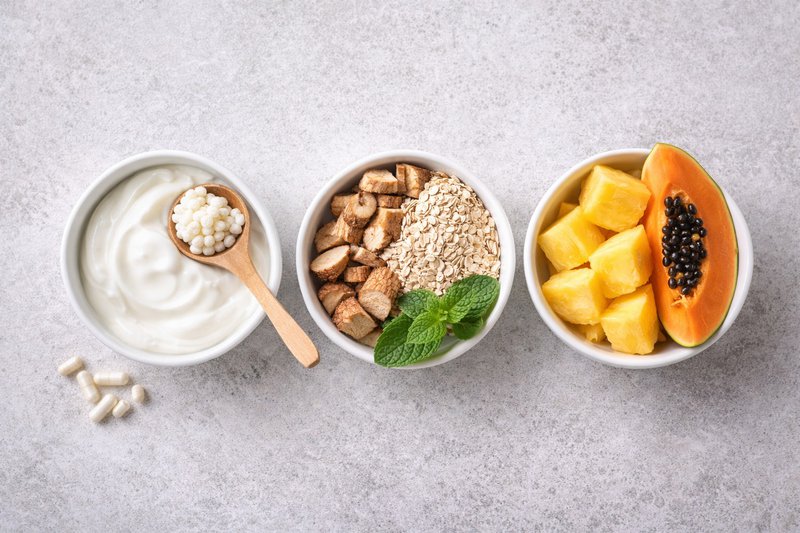
Top-down view of probiotic foods, prebiotic fibers, and enzyme-rich fruits arranged in separate bowls

Beyond the functional actives, there is the question of micronutrient support. Vitamins and minerals play a well-documented role in gut lining integrity, immune function in the digestive tract, and inflammatory response. Formulating a gut health drink with whole-food-derived micronutrients alongside probiotics or prebiotics can strengthen both the product story and the actual nutritional contribution.

Why Clean-Label Matters in This Category

Approximately 46% of global consumers seek beverages that aid in gut function, and roughly 33% of recent product launches in this space have emphasized clean-label positioning. That consumer preference carries real weight in formulation decisions.

Shoppers buying gut health drinks are often already engaged in reading labels. They want to recognize what is in the product. When a beverage contains synthetic vitamins, they show up on ingredient panels with names like "ascorbic acid" or "pyridoxine hydrochloride," which do not communicate much to a health-conscious buyer. Whole-food-derived nutrients, by contrast, can list ingredients like broccoli, spinach, or orange, which read as familiar and trustworthy.

For formulators, clean labeling is not just an aesthetic choice. It affects how claims are positioned, how the product is received by retail buyers, and increasingly, how it performs in search and comparison tools that consumers and health practitioners rely on. Beverage manufacturers and formulators working in the gut health space have a clear advantage when ingredients support both function and label credibility.

Stability and Bioavailability: The Formulation Challenge

One of the more underappreciated challenges in gut health drink development is ingredient stability. Probiotics are sensitive to heat, moisture, and pH. Certain vitamins degrade during processing or on the shelf. Formulators need to account for this throughout the entire development and manufacturing process.

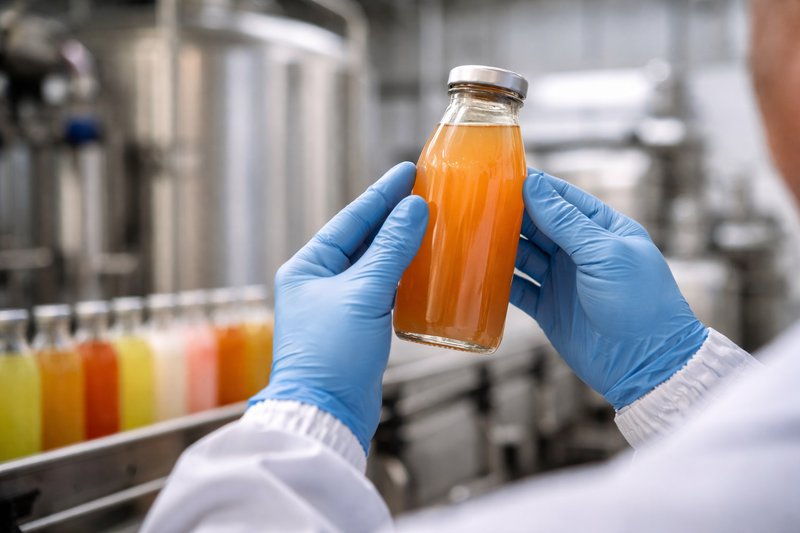
Person inspecting a bottled beverage for clarity and consistency in a production environment

Key watchouts include:

  • Thermal processing: pasteurization can destroy live cultures; UHT treatment is even more aggressive
  • pH sensitivity: acidic environments in kombucha or citrus-based drinks can affect probiotic viability and certain B vitamins
  • Shelf life: some vitamins, particularly C and certain B vitamins, degrade over time in aqueous environments
  • Sensory impact: high doses of certain nutrients can produce off-flavors or color changes that affect the finished product

Choosing ingredients that are both bioavailable and stable through processing is not optional. It determines whether a nutrient claimed on the label is actually present and functional at the point of consumption. Stability documentation matters here, and working with ingredient suppliers who can provide it is part of responsible formulation.

What the Growth of Gut Health Drinks Means for Formulators and Brands

The global gut health-focused drinks market is projected to grow at a 7.3% CAGR from 2025 through 2034, and the competitive differentiation in this space is increasingly moving toward ingredient quality, not just category inclusion. Being in the gut health drinks segment is no longer enough. The brands that will hold shelf space over time are the ones that can support their claims with substantiated, recognizable ingredients and a formulation story that survives scrutiny.

For manufacturers, that means thinking beyond probiotics alone. Layering in plant-based micronutrient support alongside functional actives creates a more complete product, a stronger nutrition panel, and a more compelling reason to buy. For consumers who are already reading labels and looking for drinks that do more than promise wellness, whole-food-derived nutrients provide the credibility that synthetic fortification cannot.

The B Complex Vitamin Blend (NF-2131) is one example of how targeted nutrient support can be added to a beverage without compromising sensory quality or label appeal. The eight essential B vitamins it delivers are sourced from broccoli, carrot, spinach, sunflower seed, and chlorella. That is a very different ingredient story than a synthetic B-complex listed in chemical notation.

​How NutriFusion Supports Gut Health Beverage Development

NutriFusion's GrandFusion blends are built specifically to address the stability and clean-label challenges that come with functional beverage formulation. The company's whole-food-derived micronutrient powders are sourced from fruits, vegetables, and mushrooms, then stabilized through a proprietary process that preserves nutrient integrity through manufacturing.

This matters in gut health drink development for a few specific reasons:

  • Ingredient panel legibility: NutriFusion's blends list actual food sources, not synthetic chemical names
  • Processing stability: blends are formulated to survive heat, moisture, and pH variation common in beverage production
  • Low inclusion rates: delivering meaningful daily values in small powder additions minimizes sensory disruption in the finished drink
  • Formulation flexibility: blends can be customized to match specific nutrient targets, making it easier to align with product claims

The 21 Vitamin and Mineral Blend (NF-82333) delivers 100% Daily Value for 21 nutrients in just 491 mg, sourced from ingredients like broccoli, kale, spinach, sweet potato, and maitake mushrooms. For a beverage formulator adding a micronutrient component to a probiotic or prebiotic drink, this kind of density means less powder, less sensory interference, and a cleaner label.

NutriFusion also holds Kosher, Halal, SQF, and cGMP certifications, which matter for brands selling into specialty retail or pursuing broad distribution. Minimum orders starting at one pound give emerging brands the ability to run trials and test formulations without large inventory commitments.

If you are developing or reformulating a gut health drink and want an ingredient partner with a documented clean-label approach, explore NutriFusion's full blend portfolio at: https://nutrifusion.com/

References

  1. Market Research Future. 2024. "Digestive Health Drinks Market Size, Trends, Report 2032." Market Research Future. https://www.marketresearchfuture.com/reports/digestive-health-drinks-market-11535
  2. Global Growth Insights. 2024. "Gut Digestive Health Drinks Market Size and Forecast 2025-2033." Global Growth Insights. https://www.globalgrowthinsights.com/market-reports/gut-digestive-health-drinks-market-115976
  3. Insight Ace Analytic. 2025. "Gut Health Focused Drinks Market Research Report 2025." Insight Ace Analytic. https://www.insightaceanalytic.com/report/gut-health-focused-drinks-market/3055
  4. FDA. 2018. "GRAS Notice GRN 769: Fruit and Vegetable-Derived Vitamin C Extract." U.S. Food and Drug Administration. https://www.fda.gov/media/127844/download

https://nutrifusion.com/wp-content/uploads/2026/05/healthy-drinks-and-fresh-ingredients_5b477fda3398d8085b2aeba90d28516f_2000.jpg 1024 1536 NF Admin https://nutrifusion.com/wp-content/uploads/2022/05/NutriFusion-Logo-New-1030x251.png NF Admin2026-05-13 16:00:592026-05-13 16:00:59How Gut Health Drinks Are Designed to Support Digestion and Balance

How Probiotic Drinks Support Better Nutrition with Plant-Based Ingredients

in Beverages & Drinks

​The functional beverage market has moved well past novelty. Probiotic drinks are now a formulation category that food and beverage manufacturers treat as a serious product development priority, and for good reason. Consumers are actively seeking beverages that do more than hydrate. But as the category scales, the ingredient decisions behind probiotic drinks are becoming more consequential, particularly around what those drinks contain beyond the live cultures themselves.

For formulators, the real question is not just whether to include probiotics. It is what surrounds them in the formulation, and whether that supporting nutrition story holds up.

Why Probiotic Drinks are Drawing Formulation Attention

The numbers make the commercial case plainly. The global probiotic drinks market was valued at approximately $24.85 billion in 2024 and is projected to reach $56.19 billion by 2034, growing at a CAGR of roughly 8.5%. Plant-based probiotic drinks represent one of the fastest-growing subcategories, with an estimated CAGR of 9.1%, driven by veganism, lactose intolerance, and rising consumer demand for clean-label alternatives.

That growth reflects a genuine shift in how brands and their customers think about what a beverage should deliver. The appeal of probiotic drinks rests on a convergence of gut health awareness, functional nutrition, and ingredient transparency. Manufacturers who understand all three of those dimensions are building products that earn repeat purchase. Those who focus narrowly on the probiotic strain alone are leaving formulation value on the table.

What Plant-Based Matrices Add to the Formulation

Probiotic strains do not exist in isolation. They interact with the broader ingredient environment they are placed in, and those interactions have direct consequences for nutrient delivery and product performance.

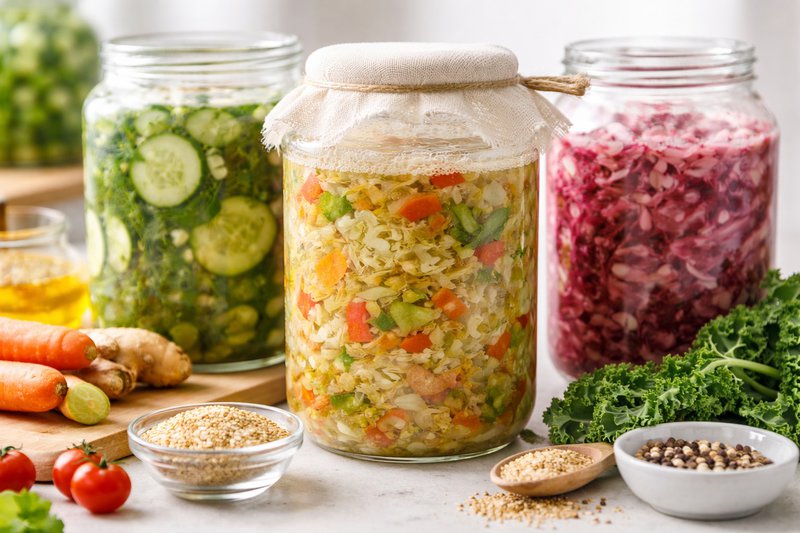
Close-up of plant-based ingredients fermenting in glass containers, illustrating probiotic activity and nutrient transformation.

Research published in peer-reviewed literature confirms that combining probiotics with plant-based foods creates measurable synergistic effects. Specifically:

  • Fermentation can degrade anti-nutritional compounds such as phytates in plant foods, which would otherwise inhibit mineral absorption. This means fermented legume- or vegetable-based beverages can deliver enhanced bioavailability of iron and zinc compared to non-fermented equivalents.
  • Probiotic bacteria in fruit-based matrices have been shown to support the intestinal absorption of calcium, iron, and magnesium, while also supporting the supply of ascorbic acid.
  • Short-chain fatty acids (SCFAs) produced when probiotics ferment plant-based fibers, including beta-glucans and cellulose from whole grains and vegetables, help reinforce the intestinal mucosa and may support inflammatory balance.

They depend heavily on strain selection, matrix compatibility, and formulation stability. But they represent a genuine performance advantage that brands can communicate, provided the ingredient foundation supports the claim. For manufacturers evaluating sourcing standards, NutriFusion's certifications and quality framework provides a useful reference for what a documented, clean-label ingredient system looks like in practice.

The Stability Problem That Often Gets Overlooked

One of the more underappreciated formulation challenges in probiotic beverage development is nutrient survival. Live cultures can decline during processing and shelf life. But the supporting micronutrients in a probiotic drink, vitamins, minerals, and phytonutrients, face similar degradation risks.

Conventional synthetic vitamin systems are commonly used for fortification in this category. They are inexpensive and widely available. But they carry limitations that matter to manufacturers building premium or clean-label products:

  • Synthetic vitamins often appear as unfamiliar chemical names on the ingredient statement, complicating clean-label positioning.
  • Synthetic forms have lower bioavailability compared to whole-food-derived equivalents, particularly for fat-soluble vitamins.
  • In acidic or oxygen-rich beverage environments, which many probiotic drinks are, certain synthetic forms degrade more readily during storage.

Whole-food-derived alternatives, such as NutriFusion's 6 Nutrient Fruit & Vegetable Blend, are built to address exactly this gap, delivering vitamins from plant sources with ingredient statements that read as fruits and vegetables rather than chemical compounds.

For brands developing probiotic drinks with a credible nutrition story, this creates a genuine formulation gap between the marketing claim and what actually reaches the consumer.

Formulation Considerations for Plant-Based Probiotic Beverages

When approaching a plant-based probiotic drink, there are several practical dimensions formulators should evaluate before finalizing the nutrition system:

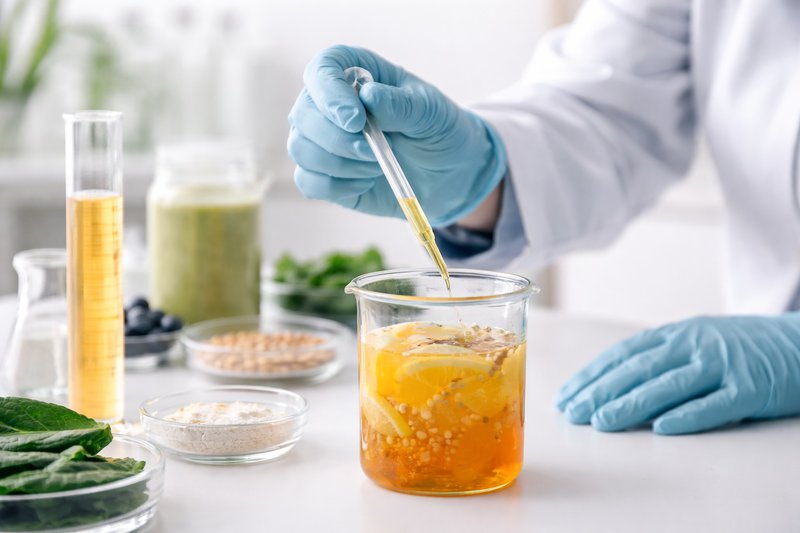
Scientist using a pipette to analyze a beverage sample in a lab, representing stability testing and nutrient retention.
  • Strain selection and matrix fit: Not all probiotic strains perform equally in plant-based liquid matrices. Lactobacillus species, which represent a significant portion of commercial probiotic applications, have different stability profiles in fruit versus vegetable versus water-based substrates. Validated viability data specific to the intended matrix matters more than strain reputation alone.
  • Micronutrient co-fortification: Probiotic drinks positioned in the functional beverage space increasingly carry nutrient content claims. Selecting micronutrients that survive processing, remain stable in the pH range of the product, and can be declared cleanly on the ingredient statement is a formulation priority that affects both regulatory compliance and shelf appeal. Blends like NutriFusion's 12 Nutrient Fruit & Vegetable Blend are designed with this specifically in mind, delivering 12 vitamins at 50% Daily Value per 225 mg from whole-food sources.
  • Sensory impact: Plant-derived nutrient systems vary considerably in their color, taste, and aroma contribution. For probiotic beverages in fruit or botanical bases, this can be an advantage, plant-based nutrient powders often carry complementary flavor notes rather than the metallic or off-note profile sometimes associated with synthetic vitamin systems.
  • Label claim defensibility: Nutrient content claims on beverages require substantiation that accounts for processing and shelf life. Formulators need stability data specific to their product format, not just the raw ingredient specification.

​How NutriFusion Fits Into Probiotic Drink Formulation

Probiotic drink development benefits from a nutrition system that can survive processing, declare cleanly, and deliver measurable nutrient levels at end of shelf life. That is precisely where NutriFusion's plant-based ingredient blends address a real formulation need.

NutriFusion's GrandFusion blends are derived from whole fruits, vegetables, and mushrooms, broccoli, spinach, sweet potato, orange, kale, maitake mushroom, and others, and are processed to stabilize nutrient content through manufacturing and storage. The company's GRAS-documented stability work includes examples of finished-product nutrient delivery in categories like cooked pasta, which demonstrates survivability through processing conditions more demanding than many beverage applications.

For probiotic drink formulators specifically, several NutriFusion capabilities are relevant:

  • Clean ingredient declaration: NutriFusion blends list as fruits and vegetables on the ingredient statement, supporting a clean-label positioning that aligns with what consumers of probiotic beverages expect.
  • Concentrated nutrient delivery: The 21 Vitamin & Mineral Blend (NF-82333) delivers 100% Daily Value for 21 vitamins and minerals in 491 mg—a level of concentration that makes co-fortification practical without significantly altering the sensory profile of a beverage.
  • Bioavailable, bioabsorbable nutrient forms: Because the nutrients are derived from whole-food sources rather than synthetic precursors, they are positioned to deliver better absorption compatibility in the gut environment that probiotic strains are simultaneously supporting.
  • Formulation flexibility: NutriFusion offers blend customization and works with manufacturers across categories, including beverage applications, with minimum order quantities starting at one pound—making early-stage formulation work accessible.

For brands building probiotic drinks that want to carry a genuine whole-food nutrition story alongside their live culture claim, NutriFusion provides an ingredient system that can substantiate both sides of that positioning.

Manufacturers ready to explore plant-based nutrient systems for probiotic drink applications can start here: https://nutrifusion.com/

References

  1. Market Research Future. 2025. "Probiotic Drinks Market Size, Growth." Market Research Future. https://www.marketresearchfuture.com/reports/probiotic-drinks-market-5001
  2. Virtue Market Research. 2024. "Probiotic Drinks Market." Virtue Market Research. https://virtuemarketresearch.com/report/probiotic-drinks-market
  3. Towards FnB. 2025. "Probiotic Drinks Market Size to Climb USD 56.19 Billion by 2034." Towards FnB. https://www.towardsfnb.com/insights/probiotic-drinks-market
  4. National Center for Biotechnology Information (PMC). 2024. "Plant-based probiotic foods: current state and future trends." PMC. https://pmc.ncbi.nlm.nih.gov/articles/PMC11525375/
  5. National Center for Biotechnology Information (PMC). 2022. "Functional Foods, Nutraceuticals and Probiotics: A Focus on Human Health." PMC. https://pmc.ncbi.nlm.nih.gov/articles/PMC9143759/
  6. Food Research Lab. 2025. "Bioavailability Outcomes: FMCG Functional Beverages." Food Research Lab. https://www.foodresearchlab.com/latest-research/bioavailability-outcomes-fmcg-functional-beverages/
  7. U.S. Food and Drug Administration. 2018. "GRAS Notice GRN 769: Fruit/vegetable-derived vitamin C extract." FDA. https://www.fda.gov/media/127844/download
  8. NutriFusion. 2024. "21 Vitamin & Mineral Blend | NF-82333." NutriFusion. https://nutrifusion.com/21-vitamin-mineral-blend/

https://nutrifusion.com/wp-content/uploads/2026/04/plant-based-probiotics-and-fresh-ingredients_1297f31bcee4a09d4155fb6f75da1d3a_2000.jpg 1024 1536 NF Admin https://nutrifusion.com/wp-content/uploads/2022/05/NutriFusion-Logo-New-1030x251.png NF Admin2026-04-20 16:00:572026-04-20 16:00:57How Probiotic Drinks Support Better Nutrition with Plant-Based Ingredients

Why Protein Shakes Formulated with Whole Food Vitamins Outperform Synthetic Alternatives

in Beverages & Drinks

​Protein shakes have become one of the most competitive categories in functional nutrition. The global protein supplement market was valued at over $21 billion in 2023 and is projected to grow at a compound annual growth rate of 8.7% through 2030, driven largely by demand in premium wellness and sport-recovery segments.

Manufacturers face pressure to differentiate on more than protein content alone. Increasingly, the micronutrient story matters as much as the macros. The question for formulators is no longer just how much protein, but what surrounds it, and whether the vitamin and mineral system supporting the product can hold up to scrutiny from buyers, retailers, and label-conscious consumers.

What Separates Whole Food Vitamins from Synthetic Fortification

Synthetic vitamins are produced through chemical synthesis and added to finished products as isolated compounds. They meet DV requirements on the label, but they lack the cofactors, phytonutrients, and naturally occurring compounds present in whole-food sources.

Those compounds influence how vitamins are recognized, transported, and utilized by the body. Research on carotenoid bioavailability has shown that dietary factors, including fat, fiber, and food matrix structure, significantly affect how well nutrients are absorbed. In practical terms, this means an isolated vitamin C compound behaves differently in the body than vitamin C arriving within a spinach or orange matrix.

Assortment of whole food ingredients like broccoli, spinach, orange, and pumpkin used as natural vitamin sources.

For manufacturers, this distinction carries both a technical and a commercial implication. It changes what you can honestly say about the product, and how convincingly you can say it to a buyer who reads labels.

Key differences between whole food and synthetic vitamin systems:

  • Whole food vitamins retain natural cofactors and phytonutrients from their source ingredients
  • Synthetic vitamins are chemically isolated and lack surrounding food matrix compounds
  • Bioavailability research indicates food-matrix nutrients may be more efficiently utilized than their isolated synthetic equivalents
  • Whole food sources produce ingredient statements with recognizable names like broccoli, spinach, and orange rather than chemical compound names

Why Micronutrient Sourcing Matters for Protein Shake Positioning

The protein shake segment has shifted considerably. Early formulations competed on protein grams and flavor. The current competitive environment requires a more complete nutritional argument, particularly in premium, wellness, and sport-recovery segments where buyers compare labels carefully.

A protein shake that lists broccoli, spinach, orange, and pumpkin as vitamin sources tells a fundamentally different story than one showing ascorbic acid, pyridoxine hydrochloride, and cyanocobalamin. That difference shows up in retail placement conversations, brand credibility, and the confidence with which a marketing team can explain the product to a consumer.

It is also worth noting that micronutrient insufficiency is more widespread than commonly assumed. Research published in the British Journal of Nutrition found that vitamin intakes below recommended levels are common across representative Western populations, even among people who consume adequate calories. For protein shake brands targeting health-conscious consumers, this is relevant context: the micronutrient layer of the product is not a secondary consideration.

Clean-label formulation in this category also comes with a sourcing complexity problem. Adding whole-food-derived vitamins and minerals individually requires managing:

  • Multiple ingredient suppliers and vendor relationships
  • Multiple certificates of analysis per production run
  • Multiple storage SKUs and associated handling costs
  • A lengthier, more complex ingredient declaration

A consolidated premix system reduces that complexity without sacrificing the clean-label declaration. NutriFusion's 6 Nutrient Fruit and Vegetable Blend is one example of how multiple nutrients from named food sources can be delivered in a single powder, simplifying both procurement and the ingredient panel.

Formulation Considerations for Protein Shakes with Whole Food Nutrients

Incorporating whole food vitamin systems into protein shakes requires attention to a few practical variables.

Food scientist reviewing protein shake formulation and ingredient composition in a product development setting.

Sensory impact: Whole food powders can carry flavor and color from their source ingredients. At typical use levels this contribution is often negligible, but it should be evaluated in the protein shake matrix, particularly in lighter or unflavored bases. Suppliers should be able to provide sensory data at realistic inclusion rates.

Processing tolerance: Protein shakes that go through high-shear mixing, pasteurization, or aseptic processing require vitamin systems that can maintain declared levels through those conditions. Formulators should request stability data across relevant processing parameters, not just an ingredient spec sheet. NutriFusion's certifications and quality documentation support downstream label compliance, which is a practical requirement for brands making vitamin or mineral content claims on finished product.

Label claim alignment: If the product makes vitamin or mineral content claims, the values must be supported by the finished product, not just the premix specification. That means working with suppliers who understand the difference between an ingredient claim and a finished-product claim, and who can support formulation testing at the production scale.

The Commercial Case for Whole Food Vitamins in Protein Shakes

A protein shake fortified with whole food vitamins costs more to produce than one using conventional synthetic fortification. That cost difference is real and should be factored honestly into margin planning.

What it buys is a cleaner ingredient declaration, a more credible nutrition story, and a meaningful positioning advantage in segments where label transparency drives purchase decisions. With the protein supplement market projected to exceed $42 billion by 2030, the brands that earn durable shelf placement in premium and functional channels will be those that can back their nutrition claims with an ingredient system that holds up to scrutiny.

Synthetic vitamins deliver on a nutrition panel but underdeliver on the narrative that increasingly drives category differentiation. Formulators who want to build a stronger product around protein should evaluate whether the vitamin system they are using is helping, or quietly working against the brand story they are trying to tell.

​How NutriFusion Applies to Protein Shake Formulation

NutriFusion's GrandFusion blends are built for applications like protein shakes, where clean-label positioning, micronutrient density, and processing stability all need to work together.

The blends are derived from whole-food sources, including broccoli, spinach, sweet potato, orange, pumpkin, and maitake mushroom, and concentrated to deliver meaningful DV contributions at a small use-level dose.

Options suited for protein shake formulation:

  • The 21 Vitamin and Mineral Blend (NF-82333) delivers 100% DV for 21 nutrients in just 491 mg, integrating cleanly into a shake formula without adding bulk or meaningful sensory interference.
  • The 12 Nutrient Fruit and Vegetable Blend (NF-2782) offers a more targeted option at 50% DV for 12 vitamins per 225 mg.

Both blends consolidate multiple nutrients into a single powder, reducing ingredient line items, purchase orders, and storage SKUs without compromising what the label can say. NutriFusion also supports custom blend development for brands with specific nutrient targets, and offers minimum orders starting at one pound, which supports pilot-scale formulation work before committing to full production volumes.

Rethink your vitamin system before your competitors do. See how NutriFusion simplifies clean-label formulation at scale: https://nutrifusion.com/

References

  1. Grand View Research. 2024. "Protein Supplement Market Size, Share and Trends Analysis Report." Grand View Research. https://www.grandviewresearch.com/industry-analysis/protein-supplements-market
  2. van het Hof, K.H., West, C.E., Weststrate, J.A., and Hautvast, J.G. 2000. "Dietary Factors That Affect the Bioavailability of Carotenoids." Journal of Nutrition. https://doi.org/10.1093/jn/130.3.503
  3. Troesch, B., Hoeft, B., McBurney, M., Eggersdorfer, M., and Weber, P. 2012. "Dietary Surveys Indicate Vitamin Intakes Below Recommendations Are Common in Representative Western Countries." British Journal of Nutrition. https://doi.org/10.1017/S0007114512001808
  4. Schlueter, A.K., and Johnston, C.S. 2011. "Vitamin C: Overview and Update." Journal of Evidence-Based Complementary and Alternative Medicine. https://journals.sagepub.com/doi/10.1177/1533210110392951
  5. FoodNavigator-USA. 2024. "NutriFusion's Flexible Minimum Orders Resonate with Emerging Brands." William Reed Business Media. https://www.foodnavigator-usa.com/Article/2024/08/28/nutrifusion-s-flexible-minimum-orders-resonate-with-emerging-brands

https://nutrifusion.com/wp-content/uploads/2026/04/natural-ingredients-vs-synthetic-formulas_b72bb39eea27f409affabb9360ed6ec9_2000.jpg 1030 1846 NF Admin https://nutrifusion.com/wp-content/uploads/2022/05/NutriFusion-Logo-New-1030x251.png NF Admin2026-04-17 16:00:592026-04-17 16:00:59Why Protein Shakes Formulated with Whole Food Vitamins Outperform Synthetic Alternatives

Should You Make Protein Powder or Ready-to-Drink? Here’s What the Data Says

in Beverages & Drinks, Consumer Packaged Goods, Food Business, Health & Nutrition

Protein launches rarely miss because demand is weak. More often, the format choice creates friction. You can have the right formula, the right positioning, and the right audience, yet still struggle if you choose the wrong delivery format.

Protein powder and ready-to-drink protein play very different roles in how consumers buy, store, and use products. That choice affects cost structure, shelf placement, repeat purchasing behavior, and long-term margins.

We have seen brands rush into ready-to-drink products because they look exciting. We have also seen brands underestimate powder because it feels familiar. Both moves can be costly. In this blog, we will break this down using market data, buyer behavior, formulation realities, and manufacturing constraints.

How Consumers Choose: Control Versus Convenience

Here is how consumers actually sort protein formats when they are choosing what to use every day:

  • Ready-to-drink protein is about convenience. You grab it, open it, and drink it. The texture is consistent, with no shaker and no prep.
  • Protein powder is about control. You choose the dose, mix it your way, store it easily, and usually pay less per serving.

One comparison estimated the powder at about USD 1.36 per serving, versus roughly USD 2.10 for ready-to-drink, largely due to packaging and convenience costs. That gap matters for brands. Even if ready-to-drink sells faster per location, powder often wins on repeat economics. That is especially true for subscriptions, bundles, and multi-serve households.

Where Protein Powder Wins for Brands

Protein powder is the better fit when flexibility and iteration matter. Grand View Research projects the protein supplements market will grow at a roughly 10.3% CAGR through 2033, with protein powder accounting for about 48.8% of revenue in 2024.

That split also reflects operational reality. Powder allows more flavor innovation each year without retooling packaging lines. Seasonal drops, limited runs, and collaborations are easier to test. You can extend a line into whey protein isolate, whey protein concentrate, vegan protein powder, or blended systems with less operational friction.

Shipping also favors powder. You are moving dry weight, so there is no liquid, less volume per gram of protein, and fewer freight surprises.

Powder also fits habit-based models. A tub with thirty servings supports routine. That works well for e-commerce, subscriptions, and direct-to-consumer strategies. 

Powder comes with its own risks. Mixability drives satisfaction. Clumping, chalk, and aftertaste issues can erase the benefit of good macros. Packaging barriers also matter because hygroscopic ingredients can contribute to caking.

Where Ready-to-Drink Protein Wins for Brands

Ready-to-drink protein works best when immediacy drives the purchase. It performs in coolers, convenience stores, gyms, offices, and other settings where the buyer wants a finished option right now. A single bottle also signals completeness, which can support meal-replacement positioning.

That convenience comes with more variables, and they need to be set early. Shelf-life targets, fill-finish partners, packaging availability, heat-processing choices, and distribution plans all shape the final outcome. These are manageable decisions, but they are expensive to correct after the first run.

The numbers reflect that demand. In the beverage lane, ready-to-drink protein drinks are projected to grow from about USD 1.96 billion in 2025 to around USD 3.06 billion by 2031, at a roughly 7.7% CAGR.

RTD Protein Drinks Stability Reality Check

Food factory worker operating industrial processing equipment at NutriFusion Faculty.

Ready-to-drink looks simple on the shelf. In production, high-protein beverages behave like sensitive systems, especially at higher protein loads. Common failure modes tend to show up over time, not on day one:

  • Sedimentation can cause protein particles or cocoa to settle.
  • Gelation can slowly thicken the drink weeks after filling.
  • Separation creates visible layers that erode trust.
  • Heat processing can also introduce off-flavors, especially “cooked” notes from ultra-high temperature treatment.

Research indicates that ultra-high-temperature processing can increase risks of fouling, sedimentation, and gelation in high-protein beverages, and that stabilizer systems play a meaningful role. In chocolate RTD protein beverages, carefully controlled kappa-carrageenan levels have been shown to improve run-time stability and reduce settling. This is less about a single ingredient and more about system design.

RTD Packaging Trends That Change the Economics

Packaging choices can move margins as much as formula. Mordor Intelligence reports bottles held about 46.25% of RTD protein drink packaging share in 2025, while cartons and pouches are forecast to grow at roughly 7.75% CAGR through 2030.

Those shifts affect freight efficiency, shelf placement between ambient and chilled sets, and how consumers interpret the product. Cartons can signal “cleaner” or more functional compared to bottles. Packaging is doing more than just holding the product. It signals positioning.

Decision Checklist That Matches Format to Channel

Start with the channel and operational reality, then let format follow. Here is how that decision actually shows up once you start selling into real channels:

  • If your primary channel is e-commerce or direct-to-consumer, powder often fits better because shipping is simpler and subscription behavior is easier to build.
  • If your primary channel is convenience, gyms, or offices, RTD often fits better because immediate use is the value.
  • If you want the lowest operational complexity, start with powder. If you can invest in processing and packaging, RTD becomes viable.

For that reason, many brands validate demand with powder first. Once repeat behavior is proven, they scale into ready-to-drink.

How to Choose Quality Protein Inputs

Protein quality still comes down to the basics. Protein powder concentrate usually has more fat and lactose, while protein powder isolate is typically richer in protein and lower in lactose. That affects taste, perception of digestibility, and formulation behavior.

You should always ask suppliers for spec sheets, allergen statements, microbiological targets, and solubility performance data. Those documents save time later.

For vegan protein powder, blends are common for a reason. Single-source plant proteins often struggle with taste, texture, or amino acid balance. Blends help smooth those edges. One ongoing concern is the scrutiny of heavy metals.

Consumer Reports flagged lead and other heavy metal findings across a range of protein powders and ready-to-drink shakes. That coverage reinforces why quality assurance, transparency, and supplier vetting matter for trust.

Differentiate Your Protein Format With Real Nutrition

Flat lay of fresh vegetables, herbs, lemon, spices, and kitchen tools arranged for preparing NutriFusion blend.

Most protein launches compete on the same metrics: protein grams, calories, and sweeteners. A stronger differentiator is nutrient density that stays clean-label and does not disrupt taste or texture.

NutriFusion provides fruit- and vegetable-derived micronutrient blends designed to increase nutritional profile without affecting functionality. GrandFusion blends are 100% natural, non-GMO, highly concentrated, and are built from whole foods. It is easy to formulate and robust through processing.

For protein powder, this supports “more than macros” positioning. For ready-to-drink products, it enables functional differentiation while remaining mindful of stability.

Build a Protein Launch Plan From the Data

Choosing between protein powder and ready-to-drink protein is not about trends. It is about alignment. When you start with channel strategy, stability targets, plus nutrition differentiation, format decisions get clearer. We help manufacturers evaluate GrandFusion® blend options and develop custom premixes for powder and beverage applications.

If you are mapping your next protein launch, we invite you to explore NutriFusion® products or start a custom blend conversation. We are here to help you explore blend options and discuss custom premix needs for your product.

Explore Custom Superfood Powder Blends to differentiate protein powders and ready-to-drink protein products without compromising taste or stability.


NutriFusion

NutriFusion develops all‐natural fruit and vegetable powders that are nutrient-dense, for when you do not have access to fresh produce, and even when you do, to improve your vitamin intake. Sourcing only whole, non-GMO foods, NutriFusion offers consumers a concentrated micronutrient and phytonutrient-rich food ingredient blend. With a farm-to-table philosophy, NutriFusion’s proprietary process stabilizes the nutrients from perishable fruits and vegetables, allowing a longer shelf life and access to vital nutrients.

NutriFusion fruit and/or vegetable powders are for use in foods, beverages, supplements, and pet foods. NutriFusion can help! Visit us at www.nutrifusion.com.


References

  1. Breitowich, Andi. 2025. “Your Daily Protein Shake Might Be Exposing You to Lead, Consumer Reports Finds.” Food & Wine. (https://www.foodandwine.com/protein-powder-heavy-metals-contamination-consumer-reports-investigation-11828759)
  2. de Souza, Alisson Borges, Ana Augusta Odorissi Xavier, Rodrigo Stephani and Guilherme M. Tavares. 2024. “Prior denaturation and aggregation of whey proteins: Is this a useful strategy for increasing the content of these proteins in UHT high-protein dairy beverages?” Food and Bioproducts Processing. (https://www.sciencedirect.com/science/article/abs/pii/S0960308523001554)
  3. Grand View Research. 2026. “Protein Supplements Market (2026–2033) Size, Share & Trends Analysis Report By Product (Protein Powders, Protein Bars), By Distribution Channel (Supermarkets, Online, DTC), By Application (Sports Nutrition, Functional Foods), By Source, By Region, And Segment Forecasts.” Grand View Research. (https://www.grandviewresearch.com/industry-analysis/protein-supplements-market)
  4. Mordor Intelligence. 2026. “Ready-to-Drink Protein Beverages Market Size & Share Analysis – Growth Trends and Forecast (2026 – 2031).” Mordor Intelligence. (https://www.mordorintelligence.com/industry-reports/ready-to-drink-protein-beverages-market)
  5. Singh, Jaspal, Sangeeta Prakash, Bhesh Bhandari, and Nidhi Bansal. 2020. “Ultra-high temperature (UHT) stability of chocolate-flavored high-protein beverages.” Journal of Food Science. (https://pubmed.ncbi.nlm.nih.gov/32856323/)
https://nutrifusion.com/wp-content/uploads/2026/02/protein-powder-shaker-bottle-.jpg 1030 1545 NF Admin https://nutrifusion.com/wp-content/uploads/2022/05/NutriFusion-Logo-New-1030x251.png NF Admin2026-02-06 14:13:002026-02-06 14:13:00Should You Make Protein Powder or Ready-to-Drink? Here’s What the Data Says
Page 1 of 26123›»

NUTRIFUSION®

GrandFusion® is a blend of fruits and/or vegetables that can significantly increase the nutritional profile and, therefore, the marketability of food, beverage, pet, and snack products.

Categories

  • Animal Nutrition
  • Beverages & Drinks
  • Consumer Packaged Goods
  • Corporate Partnerships
  • Corporate Updates
  • Featured
  • Food Business
  • Food Retail
  • GLP-1
  • Health & Nutrition
  • Infographics
  • Kid's Health
  • News
  • Press Releases
  • Product Announcements
  • Recipes
  • Supplements & Nutraceuticals
  • Uncategorized

ABOUT NUTRIFUSION®

NutriFusion® provides the nutrient-rich benefits of fruits and vegetables in everyday food products through whole non-GMO foods to create its concentrated micronutrient and phytonutrient-rich food ingredient blends.

Search NutriFusion

Search Search

SEAL OF AUTHENTICITY

NUTRIFUSION® CERTIFICATES

NutriFusion Cert Bar

Categories

  • Food
  • Beverages & Drinks
  • Pet Food
  • Nutraceuticals
  • Contact Us
  • Privacy Policy

© Copyright 2026 NutriFusion LLC | All Rights Reserved.

Scroll to top Scroll to top Scroll to top