
How Plant-based Vegetable Powder Is Used to Add Nutrition to Pet Foods
The demand for high-quality pet nutrition has reached a pivotal turning point. While traditional formulas meet basic regulatory requirements, the desire for high-quality pet nutrition has reached a pivotal turning point. Traditional formulas meet basic regulatory requirements, but significant gap remains between standard caloric intake and optimal biological health.
Manufacturers must now find innovative ways to incorporate functional nutrients, like vegetable powder, without compromising the structural integrity of their products. This article explores how plant-based additives are bridging the nutrient gap and the technical benefits of micro-inclusion.
The Nutrient Gap in Modern Pet Food Standards
Current industry standards often prioritize shelf stability and caloric minimums over the preservation of delicate micronutrients. While many formulas satisfy established nutritional standards when it comes to including critical ingredients for pet food, the high-heat extrusion process used in most manufacturing can significantly degrade natural vitamins. This leaves a gap where a vegetable powder or other stable fortification becomes necessary to restore the nutritional profile of the finished product.
The shift in consumer behavior is forcing formulators to reconsider their reliance on synthetic premixes. Owners are increasingly looking beyond the guaranteed analysis panel to see exactly where those nutrients originate. Consider these current market indicators:
- Premiumization Trends: Approximately 41% of dog owners and 38% of cat owners now choose premium diets, prioritizing wellness and longevity over basic sustenance.
- Clean-Label Demand: Recent data shows that 42% of global pet owners actively avoid artificial colorants, while 39% avoid artificial flavors in their pet’s food.
- A Shift in Value: Basic pet food purchases declined by 7% recently, indicating that quality-conscious owners are willing to spend more for purposeful, science-backed nutrition.
- Desire for Real Ingredients: Consumers are moving toward foods that feel tangible; they want to see recognizable sources like vegetable powder rather than a list of chemical additives.

A major challenge for manufacturers is that standard synthetic additives often lack the co-factors found in nature. These missing elements are essential for the body to properly recognize and absorb vitamins. Incorporating a high-quality vegetable powder allows brands to provide a more complete nutritional spectrum that better aligns with the biological needs of pets.
Vegetable Powder: The Solution for High-Functionality Micro-Inclusion
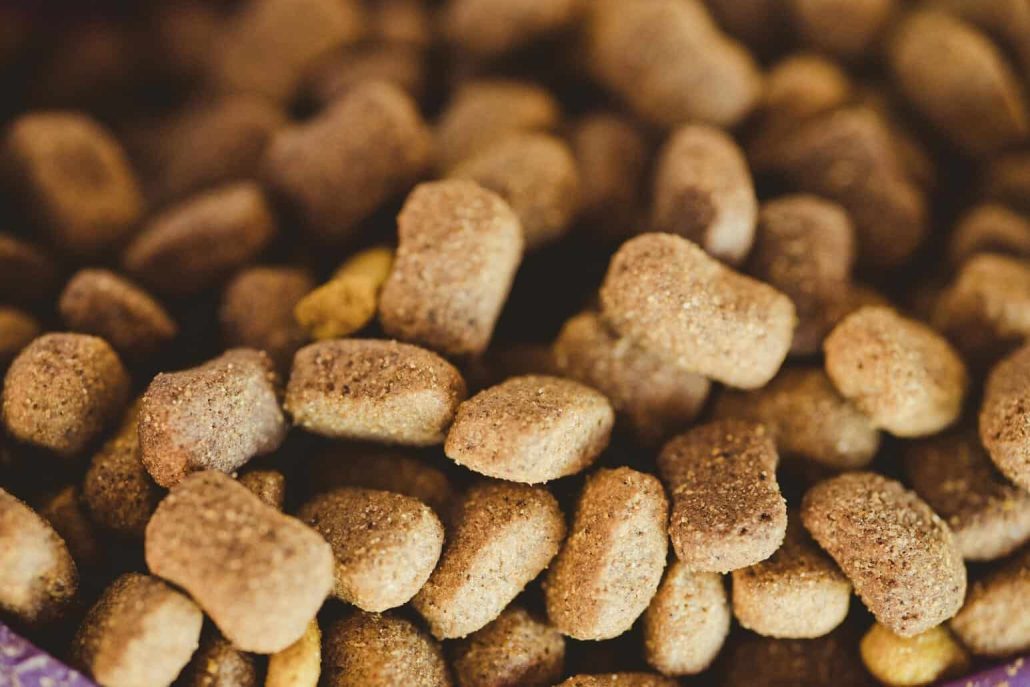
Formulating a nutrient-dense pet diet requires balancing high-impact nutrition with the physical constraints of large-scale manufacturing. Traditional natural food additives can be bulky and moisture-rich, which often disrupts the precision required for consistent kibble extrusion. Utilizing a concentrated vegetable powder and fruit blends for pet nutrition allows for micro-inclusion, delivering significant nutritional value without altering the texture or density of the final product.
This format provides a direct solution to the nutrient degradation issues inherent in high-heat processing. Because these powders are stabilized, they ensure that the finished product retains its vitamins and phytonutrients even after manufacturing is complete. Consider these current industry insights:
- Growing Market for Plant Derivatives: The plant-based derivatives segment is currently the fastest-growing category in the pet food ingredients market, projected to expand at a CAGR of 6.44% through 2032.
- Transparency as a Driver: Approximately 88% of pet owners state that accuracy and transparency in labeling are major factors when choosing a product.
- Demand for Functional Additives: The use of vitamins and supplements in pet food has surged, with nearly 50% growth in dog food and 60% in cat food over the last several years.
- Minimal Sensory Impact: Specialized vegetable powder blends preserve the original flavor profile of the food, ensuring high acceptance rates even among picky eaters.

Precision in the ingredient deck is essential for maintaining production efficiency and cost-effectiveness. By using vegetable powder, manufacturers can achieve a clean label that replaces complex chemical names with recognizable plant-based food. This transition allows brands to offer a more humanized feeding experience that bridges the gap between high-volume production and artisanal-quality nutrition.
Elevate Pet Nutrition with NutriFusion
NutriFusion LLC provides a technical solution for manufacturers looking to align high-volume production with premium health standards. Their proprietary bio-organic blends allow formulators to replace synthetic premixes with stabilized, plant-based nutrients.
By incorporating NutriFusion’s vegetable powder, brands can achieve a clean label that lists recognizable ingredients like spinach and carrots. This shift meets the growing demand for transparency while maintaining manufacturing efficiency through low-inclusion, high-impact nutrition. These specialized blends empower manufacturers to produce a finished product that truly supports long-term pet vitality.
Get in touch with us today to learn how our plant-based blends can elevate your next pet food formulation.
References:
- American Pet Products Association. (2025). Research insights on premium & functional pet foods. https://americanpetproducts.org/blog/research-insights-on-premium-functional-pet-foods
- Fortune Business Insights. (2026). Pet food ingredients market size, share | Growth report [2034]. https://www.fortunebusinessinsights.com/pet-food-ingredients-market-115680
- GlobalPETS. (2025). Survey reveals consumers have issues with how pet food is described. https://globalpetindustry.com/article/survey-reveals-consumers-have-issues-with-how-pet-food-is-described/