

The Whole30 Reset: How Food Brands Can Meet the Elimination Diet Demand
You are standing in front of a grocery shelf packed with sauces, dressings, and snacks. Every label says “Whole30,” “compliant,” or “reset-friendly.” You pause. Which ones actually fit an elimination diet, and which ones just sound clean? We see this moment everywhere.
The Whole30 elimination diet has made clean eating and food sensitivities part of everyday shopping habits. Consumers now expect brands to support resets with clear labels, sugar-free products, and simple ingredient decks.
In this blog, we will explain what ‘Whole30’ really is, why it matters to manufacturers, and how brands can design compliant-style products using real, whole-food nutrition instead of synthetic premixes.
Whole30 Elimination Diet Basics for Brands
Whole30 is a 30-day elimination diet. It removes common food groups, then reintroduces them in a structured way. The goal is awareness, not a permanent eating plan.
During the elimination phase, participants avoid:
- Added sugar of any kind
- Alcohol
- Grains and pseudo-cereals
- Legumes, including soy
- Dairy, except ghee or clarified butter
- Certain additives like carrageenan, monosodium glutamate, and sulfites
There is one rule that surprises many people. Whole30 discourages recreating junk food with compliant ingredients. Almond-flour pancakes still miss the point. The appeal is straightforward. Whole30 works like a reset button for eating habits. Meals center on meat, seafood, eggs, vegetables, fruit, and natural fats. Then, foods are reintroduced with more awareness.
From a food-sensitivity perspective, elimination and reintroduction give people a structured way to notice patterns. Some associate dairy with bloating. Others notice changes in energy or skin. This is an observation, not a diagnosis. Medical guidance should come from healthcare professionals.
Since launching in 2009, Whole30 has reached millions of participants. A large online community keeps it visible year-round, helping shape shopper expectations.
Why Whole30 Shapes Clean Eating Habits
Clean eating used to be vague. Whole30 made it concrete. Clear rules remove guesswork. No added sugar, no grains, no dairy, and no long ingredient lists. That clarity feels reassuring in a crowded food environment.
We see this shift clearly. Once people complete a Whole30 reset, they rarely stop reading labels. Even after reintroduction, they still prefer simpler products with fewer additives.
Whole30 also aligns with growing awareness of food sensitivities. Many consumers report feeling better when they simplify what they eat. They want packaged options that support those habits without cooking every meal from scratch.
Elimination Diets as a Macro Trend: Why “Compliant Foods” Sell

We see Whole30 as part of a larger pattern. Elimination diets are now a mainstream behavior, not a fringe one. In a global Nielsen survey, about 64% of respondents said they follow a diet that limits or avoids certain ingredients. Around 68% said they are willing to pay more for products without undesirable ingredients.
Food hypersensitivities and self-reported intolerances continue to rise. Gluten, dairy, soy, additives, and certain sweeteners often top the list. This fuels demand for compliant foods. Packaged products that clearly avoid common triggers help shoppers participate without having to cook everything from scratch.
For brands, this changes the landscape. Elimination diets normalize strict label reading. That opens space for premium, sugar-free products and clean-label stock-keeping units that build loyalty well beyond a 30-day reset.
Whole30 as a Market Signal: From Niche Program to Shelf Language
Whole30 is more than a program. It is shelf language. The flagship book has sold over 1.6 million copies. The community now spans more than five million people across platforms.
The Whole30 Approved® ecosystem reinforces this influence. More than 100 partner brands participate across pantry staples, sauces, snacks, and prepared meals. There is an important legal reality here.
“Whole30®” and “Whole30 Approved®” are registered trademarks. Brands cannot self-declare approval. Approval requires meeting official rules and completing the licensing process. Even so, the impact extends further. Many shoppers now use Whole30-style rules as a mental checklist when scanning labels, even if a product is not officially approved.
Whole30 Compliant Foods: Formulation Limits
We see that designing Whole30-style products comes with real formulation limits. Original Whole30 rules restrict:
- Added sugar, including natural and artificial sweeteners
- Grains and pseudo-cereals
- Legumes and soy
- Dairy, except ghee or clarified butter
- Additives like carrageenan, monosodium glutamate, and sulfites
The plant-based Whole30 version adds an additional constraint by removing animal protein while still excluding grains and added sugar. These rules affect everyday categories. Sauces, dressings, broths, jerky, condiments, and frozen meals often require reformulation to remove common ingredients while staying familiar. Terms like “sugar-free” or “compliant” must be used carefully. Claims need to align with both Whole30 rules and regulatory labeling standards.
Clean Eating Claims for Whole30-Style Shoppers
We see Whole30 rules map neatly onto broader clean eating cues. Shoppers look for:
- Short, recognizable ingredient lists
- No added sugar or artificial sweeteners
- No gluten-containing grains, dairy, soy, or certain additives
Brands can speak to this demand without implying endorsement. The focus should stay on ingredient transparency, not unofficial logos or borrowed credibility. Helpful phrases include:
“No added sugar”, “No grains or legumes”, “No dairy”, “No carrageenan, monosodium glutamate, or sulfites”, and “Made with real vegetables and herbs.” Every claim must be backed by the ingredient statement. Disease claims remain off-limits. Elimination-friendly does not equal a medical claim.
Sugar-Free, Grain-Free Formulation Challenges
The rules sound simple, but the execution rarely is. Common hurdles show up fast:
- Removing added sugar can flatten flavor or body.
- Dropping grains and legumes can break texture.
- Eliminating dairy and soy can reduce creaminess and mouthfeel.
Additive bans complicate things further. Carrageenan, certain sulfites, and monosodium glutamate are off the table, so stabilization and shelf life often require new approaches.
Successful brands lean into fundamentals. Herbs, spices, acids such as vinegar or citrus, and natural fats do most of the heavy lifting. Real vegetables matter here. Tomatoes, peppers, onions, and root vegetables can add body and depth, helping replace gums and starches while aligning with Whole30’s “eat real food” philosophy.
Whole-Food Nutrition in Elimination Diet SKUs
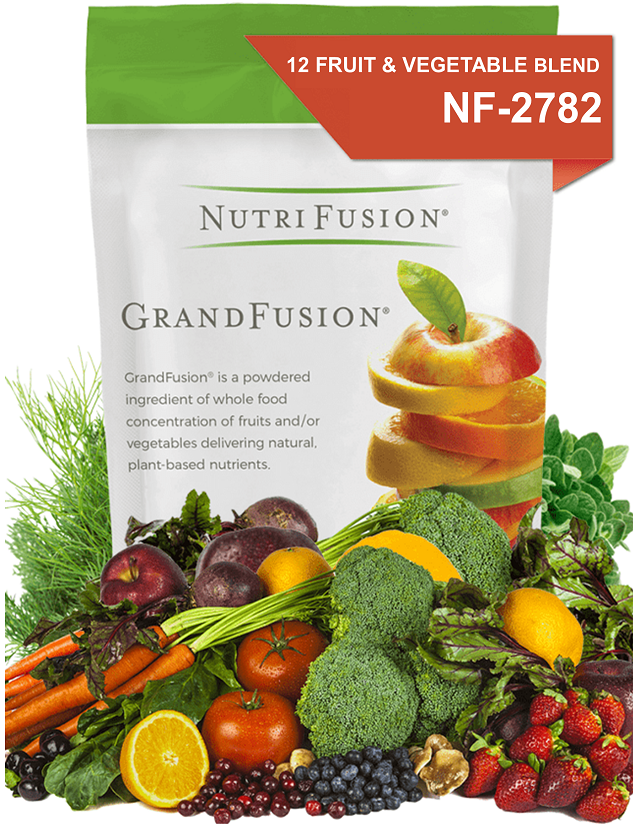
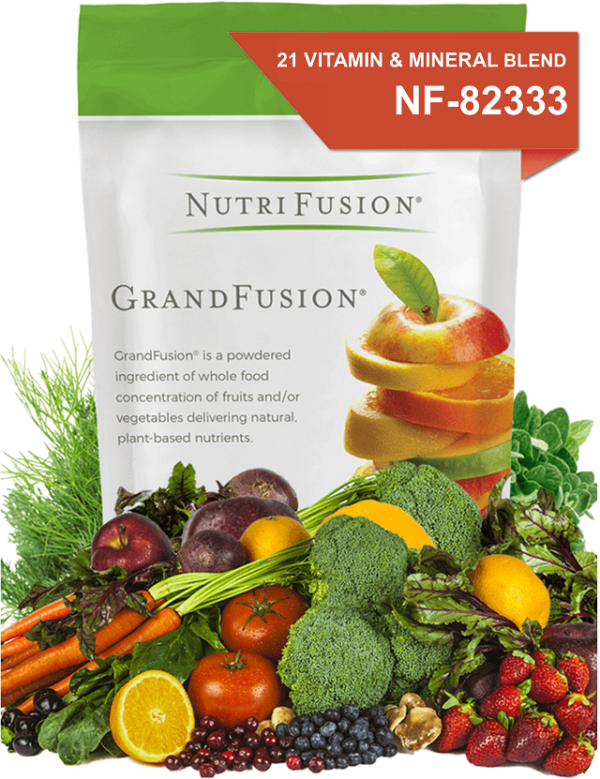
This is where whole-food nutrient systems become relevant. At NutriFusion, we work with manufacturers using GrandFusion, a powder blend of fruits and/or vegetables that can increase nutritional value with minimal sensory impact and without affecting functionality.
For elimination-friendly products, this matters.
Brands often remove sugar, dairy, grains, and additives all at once. Nutrition can drop as a result. Whole-food nutrient blends can help close that gap. We provide plant-based vitamins, minerals, and bioactive compounds from real fruits and vegetables, with no synthetic ingredients or additives.
One ingredient line can help replace multiple synthetic vitamin entries. That supports a cleaner, more readable label. Compatibility always depends on the full recipe. NutriFusion supplies an ingredient solution. Any program approvals depend on the finished product and its requirements. Whole30 approval still depends on meeting all program rules.
Whole-food nutrients come from fruits and vegetables and retain naturally occurring nutrient structures. Research suggests these whole-food matrices can support bioavailability and bioabsorption. Minimal sensory impact helps preserve taste and texture. Thermal stability helps nutrients withstand processing. For manufacturers, this supports both nutrition and formulation goals.

Whole30 Product Ideas Shoppers Repeat

We see several innovation paths working well.
- Pantry staples: Pasta sauces and condiments with no added sugar or grains, formulated with GrandFusion blends to add vegetable-based nutrition.
- Protein-centric snacks: Jerky or snack sticks with simple seasonings, no sugar or sulfites, plus fruit and vegetable nutrient systems to help support the nutrition panel.
- Cooking fats and dressings: Avocado- or olive-oil bases with herbs, spices, and whole-food micronutrients instead of sweeteners or emulsifiers.
- Meal components and frozen options: Grain-free skillets and vegetable-forward sides that move beyond “just compliant” toward nutrient-dense.
The goal is longevity. Design for the 30-day reset, then for everyday eating after reintroduction.
Retain Whole30 Shoppers After Reintroduction
Whole30 encouraged consumers to read labels closely. They now expect transparency, simplicity, and credibility. Long-term loyalty comes from products that deliver real compatibility with elimination-style frameworks, flavor and convenience people want to repeat, and nutrition rooted in whole foods, not just marketing language.
This is where NutriFusion® can help. We partner with brands that want to move beyond “free-from” toward genuinely nutrient-dense products.
Explore NutriFusion’s GrandFusion® blend to build Whole30-style products with whole-food nutrition.
About NutriFusion®
NutriFusion develops all-natural fruit and vegetable powders that are nutrient-dense, for when you do not have access to fresh produce, and even when you do, to improve your vitamin intake. Sourcing only whole, non-GMO foods, NutriFusion® offers a concentrated micronutrient- and phytonutrient-rich food ingredient blend. With a farm-to-table philosophy, NutriFusion®’s proprietary process stabilizes the nutrients from perishable fruits and vegetables, allowing a longer shelf life and access to vital nutrients.
NutriFusion® fruit and or vegetable powders are for use in foods, beverages, supplements, and pet foods. NutriFusion® can help. Visit us at www.nutrifusion.com.
References
- Refrigerated & Frozen Foods. 2016. “Nielsen survey: State of food sensitivities, consumer eating habits.” Refrigerated & Frozen Foods. (https://www.refrigeratedfrozenfood.com/articles/91490-nielsen-survey-state-of-food-sensitivities-consumer-eating-habits).
- The BodySpec Team. 2025. “Whole30 Guide: Rules, Food List & 30-Day Meal Plan.” BodySpec. (https://www.bodyspec.com/blog/post/whole30_guide_rules_food_list_30day_meal_plan).
- Whole30. 2023. “Official Whole30 Program Rules.” PDF. Whole30. (https://whole30.com/wp-content/uploads/2023/10/official-whole30-program-rules.pdf).