Kids Games That Are Great for Your Health, Even If You’re an Adult

For most of us, growing up has meant a large portion of stress with a small side of fun (every now and then…if you’re lucky). But being an adult shouldn’t mean you never get to enjoy the relaxing and body-strengthening benefits of play.
In fact, if we can get over the idea that playing games are just for kids, we might tap into the calorie-burning, memory-boosting, and stress-relieving effects of partaking in some of your most favorite childhood games.
They might not be as cerebral as reading a book or watching an interesting documentary. But these classic childhood games can help you wind down from work, engage your mental and physical health, and most of all, have fun!
-
Musical Chairs
This is a timeless game that’s easily played with just kids, adults, or a blend of both. Put on your favorite bouncy playlist, get out a variety of chairs and battle it out for ownership of the last chair standing.
This game will get your hips moving, toes tapping, and build up a healthy competitive spirit for those who feel a little out of practise.
-
Dodgeball
Dodgeball is a fast-paced game filled with unexpected twists and turns that your body and mind will thank you for. This game is best for large groups of people that can be set to any level of difficulty, depending on the players.
Each attempt you make to evade the hurtling ball will wake up muscles you forgot you had and give your body an opportunity to perform some heart-strengthening cardio.
-
Hide and Seek
Hide and seek is the perfect game for a group of adults who want to engage in something fun, but aren’t quite ready to hit the court just yet. You can play this slow-paced game anywhere from a nature reserve to a family home—as long as there are adult-sized nooks and crannies to climb into.
Hide and seek might not seem like a very physical game. But rest assured there will be plenty of opportunities for creative problem-solving as you work out the fastest way to the top of a child’s treehouse (hint: it’s not as easy as it looks)!
-
Memory Games
If physical games seem too far outside your comfort zone, you can always strengthen your mind with a couple of testy memory games.
Activities that require memory retention are considered quintessential for young kids, but many adults forget how much they can benefit from flexing that part of their brains.
Crosswords, Sudoku, and any number of classic board games can all provide adults with a platform to test their memory and enhance problem-solving skills in a fun and creative way.
-
Hula Hooping
Hula hooping is an excellent practice for adults who crave gentle but genuinely impactful exercise. By improving your balance and strengthening your abdominal muscles, hula hooping is the perfect method for burning calories while having fun.
You can recruit every member of the family to participate in this groovy, hip-swinging exercise that keeps you simultaneously toned and amused for hours.

Embrace Your Inner Child
These are just a few of the many kid’s games that are good for your health.
Of course, you can also take inspiration from all the other activities you did when you were young and may have stopped doing. Build sandcastles on the beach, pack a picnic in a pannier and jump on your bicycle, or play hopscotch … what’s stopping you?
Just because you’re older now, it doesn’t mean you should lose out on the fun and the health benefits of playing like a big kid.
As an editor, Ellen Klein covers topics such as financial management and risk management, as well as health-related topics. She’s a realist and believes that planning for life’s unknowns is best. When she’s not busy with volunteer social work, she can be found scribbling away at her keyboard.
NutriFusion
Just 1 in 10 adults meet the federal fruit or vegetable recommendations, according to a study published in CDC’s Morbidity and Mortality Weekly Report (MMWR). This report highlights that very few Americans eat the recommended amount of fruits and vegetables every day, putting them at risk for chronic diseases.
Studies have shown that supplementation with extracts from fruits and vegetables may improve inflammation and oxidative stress.
The Truth About Mac & Cheese
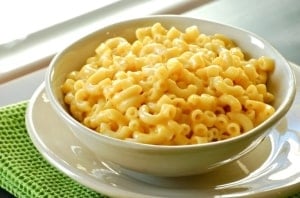
When it comes to comfort food, mac & cheese is one of the most popular dishes out there. It’s so easy to make, and when you want a quick fix it’s there for you. However, is it really the best thing you can be eating when you need a quick meal? Here’s the truth about this popular dish.
The History Of Mac & Cheese
No one’s quite sure when the mac & cheese as we know it was invented. The most popular theory is that it came from Southern Italy in the 13th century, when sheets of lasagna were cut into small squares and served with grated cheese.
The dish was popularized by Kraft, who marketed mac & cheese to housewives towards the end of the Great Depression. It was popular thanks to its low cost, and the fact that it was so easy to make. It regained popularity once again after World War II, and has been a pantry staple ever since.
Chemicals In Your Mac & Cheese
The answer to this question very much depends on the type of mac & cheese that you’re making. ‘The classic boxed mac & cheese, such as the version made by Kraft, has come under fire’ says health writer Dewi Hunter, from Simple Grad and Essayroo. ‘Because of this, many people feel that this food is actually harmful to them.’
This is thanks to articles that report all kinds of things about mac & cheese, such as one that reported that it contains high levels of phthalates. These are a chemical that used to be found in things like children’s toys, before it was banned. However, testing has shown that it is still present in processed foods such as mac & cheese.
Should you be concerned about this? There’s no denying that any level of this chemical in your food is a problem, and shouldn’t be there. However, it is thought that boxed mac & cheese contains tiny amounts of phthalates. These come from leaching tanks to plastic tubes used in production, and so isn’t added in purposely.
Of course, you should take care with any food you buy to avoid exposure to such chemicals. A good rule here is to check the fat content of your mac & cheese. The more fat is in the packet, the more likely you are to be exposed.
Is Mac & Cheese Bad For You?
While you don’t have to worry as much about harmful chemicals in your boxed mac & cheese, you do still need to consider the health implications of eating it. There’s no denying that it’s packed full of things that don’t offer a lot of nutritional value.
‘In a typical box of mac & cheese, you’re going to find artificial colors, preservatives, artificial cheese mix, and so on’ says blogger Dustin Olson, from UK Services Reviews and Assignment Writing Service. ‘Obviously, none of these are good for you.’
It’s something most people don’t want to think about. There’s a lot of nostalgia attached to mac & cheese, and who hasn’t made a box for dinner when they want a taste of home? The problem is, the boxed stuff isn’t giving you what you need from a meal.
Can Mac & Cheese Be Healthy?
Mac & cheese is never going to be the healthiest dish, as, well, it’s macaroni and cheese. However, it is possible to make your own very easily, and avoid all the processed ingredients that make the boxed version so unhealthy. This allows you to add other ingredients too, such as toasted breadcrumbs, or bacon. This adds more flavor and texture, while still giving you your fix.
Of course, this doesn’t mean you can never eat boxed mac and cheese. The key is to eat it sparingly. It’s a great once in a while treat, but you shouldn’t be using it for meals regularly. If you stick to this rule, then you’ll be able to stay healthy and happy.
There you have it. While mac & cheese is never going to be the most nutritious meal, you can make your own with little fuss, and make it better for you. It’s always a good idea to read nutrition labels, and see what’s really in that box.
Emily Henry is a health writer, creating content for Top Canadian Writers and Student Writing Services. She also writes health blogs for Best essay writing services and other sites.
NutriFusion develops all‐natural fruit and vegetable powders that are nutrient dense for when you do not have access to fresh produce…and even when you do to improve your vitamin intake. Sourcing only whole, non-GMO foods, NutriFusion offers consumers a concentrated micronutrient and phytonutrient-rich food ingredient blends. With a farm-to-table philosophy, NutriFusion’s proprietary process stabilizes the nutrients from perishable fruits and vegetables, allowing a longer shelf life and access to vital nutrients.
NutriFusion can help! Visit us at www.nutrifusion.com.
Heart-Healthy Foods that Feed the Mind Too

A Tribute to the Heart Is a Reward to the Mind
Did you know that heart disease accounts for more than a third of deaths worldwide?
Disorders and diseases of the heart are some of the most common ailments in the modern world. Fueled in part by our sedentary lifestyles, consumption of refined sugar and saturated fat, smoking, chronic stress, and a host of other lifestyle factors.
Diet plays a critical role in the health of our hearts, and your diet can increase or negate your risk of developing heart disease in the future. Some foods can influence your triglyceride levels, cholesterol levels, systemic inflammation, and your blood pressure. All of which are risk factors for cardiovascular disease.
How Brain Health and Heart Health are Connected
The health of your heart and the health of your brain are also intrinsically linked. Any foods that damage your heart can impair your cognitive function, too. According to the CDC, if you keep your heart healthy, you simultaneously lower your risk of developing brain-related issues such as dementia, Alzheimer’s disease, and strokes.
Your heart pumps oxygen and nutrient-rich blood through arteries and blood vessels to every part of your body—and especially your brain.
Any foods and lifestyle factors that damage these blood vessels can lead to serious conditions like cardiovascular disease. Plus, they can cause brain diseases that negatively impact your memory, cognitive function, and learning abilities. Keeping your blood vessels and your heart in good shape will enable these organs to transport blood to your brain. This keeps your brain healthy and functioning at its peak, even as you age.
The 7 Best Foods for Your Heart and Brain

Leafy Green Vegetables
There are few foods as good for your entire body as leafy greens like kale, spinach, and collard greens. They’re packed with antioxidants, minerals, and vitamins, and vitamin K, which protects your arteries and encourages healthy blood clotting.
Greens are also loaded with nitrates, which reduce blood pressure, promote arterial flexibility, and improve the function of the cells that line your blood vessels. All of this contributes towards a healthy cardiovascular system that can transport blood to the brain and wherever else it’s needed.
Many studies have found links between increased intake of leafy greens and a lower risk of heart disease. One analysis of 8 studies discovered that the consumption of leafy greens could lower the incidence of heart disease by up to 16%.
Berries
Berries are chock-full of important antioxidants and nutrients that promote heart health. They are a rich source of anthocyanins, which guard against the inflammation and oxidative stress that promote cardiovascular disease.
Studies have shown that consuming berries like blueberries, blackberries, and raspberries can reduce many of the risk factors for heart disease. One study of 27 adults with metabolic syndrome found that drinking a beverage made from freeze-dried strawberries for 2 months decreased ‘bad’ cholesterol by 11%. Another proved that eating blueberries every day boosted the function of the cells that line blood vessels, controlling blood pressure and promoting proper blood clotting.
Whole Grains
Whole grains, including the endosperm, and bran, are excellent for your heart and brain alike. Common whole grains include oats, rye, barley, whole wheat, brown rice, and quinoa.
When compared to refined grains, whole grains contain more fiber, which reduces LDL cholesterol and lowers your risk of heart disease. Another analysis of 45 studies found that eating 3 more servings of grains a day lowered the risk of developing cardiovascular disease by 22%.
Walnuts
Walnuts are a champion of brain health, and they can be beneficial for your heart and cardiovascular system too! They are an excellent source of fiber and contain essential micronutrients like copper, manganese, and magnesium.
Furthermore, research has shown that enjoying a few servings of walnuts a week can protect against heart disease by lowering LDL cholesterol by up to 16%, lowering diastolic blood pressure by up to 3mm Hg, and reducing inflammation and oxidative stress in the body.
Beans
Beans are so much more than a cost-effective way to add quality protein to your diet. They’re a plant-based protein that also contains resistant starch. This starch maintains integrity throughout the digestive process and gets fermented by the beneficial bacteria in our gut. Some animal studies found that this starch can boost heart health by reducing blood triglycerides and cholesterol.
Another study found that eating pinto beans reduced LDL cholesterol considerably. While a review of 26 studies found that a diet high in beans and legumes produced similar results. Eating beans has even been linked to reduced inflammation and lower blood pressure. Both of which are great news for the health of your heart and mind.
Avocados
Avocados are rich in monounsaturated fats, which may be able to reduce cholesterol levels and lower your risk of heart disease according to modern research. One study found that overweight and obese patients experienced reductions in LDL cholesterol while consuming one avocado a day.
Another study of more than 17,000 people found that those who consumed avocados regularly were half as likely to develop metabolic syndrome than their peers. Avocados are packed with potassium, which promotes heart health and balances your blood pressure. Studies show that consuming at least 4.7g of potassium per day (one avocado contains 975mg) can lower your risk of stroke by 15%.
Garlic
Garlic contains a compound called allicin that can promote heart and general physical health, according to certain studies. One review found that patients who took garlic extract every day for 24 weeks experienced the same reduction in blood pressure as those taking a common prescription drug.
Another review of 39 studies found that garlic can reduce total cholesterol by 17mg/dL on average, while further studies have found that garlic can inhibit platelet build-up, which may lower the risk of strokes and blood clots. You can ensure that you eat optimal amounts of allicin by letting raw, crushed garlic sit for a few minutes before cooking with it.
A Healthy Lifestyle Maintains A Healthy Mind

The link between diet and heart disease is undeniable.
What we put into our bodies daily has direct and drastic effects on our health, lifestyle, and quality of life. It also affects our risk of developing cardiovascular disease, brain diseases, and cognitive impairment.
What you eat can influence every aspect of your heart health, from your systemic inflammation to your cholesterol levels, blood pressure, and more. Experts recommend eating more leafy green vegetables, beans and legumes, whole grains, Omega-3-containing nuts like walnuts, and antioxidant-rich foods like berries to protect your heart and keep your mind sharp for years to come.
As an editor, Ellen Klein covers topics such as financial management and risk management, as well as health-related topics. She’s a realist and believes that planning for life’s unknowns is best. When she’s not busy with volunteer social work, she can be found scribbling away at her keyboard.
NutriFusion
Just 1 in 10 adults meet the federal fruit or vegetable recommendations, according to a study published in CDC’s Morbidity and Mortality Weekly Report (MMWR). This report highlights that very few Americans eat the recommended amount of fruits and vegetables every day, putting them at risk for chronic diseases.
Studies have shown that supplementation with extracts from fruits and vegetables may improve inflammation and oxidative stress.
NutriFusion develops all‐natural fruit and/or vegetable powders that are nutrient dense for use in foods, beverages, supplements, and pet foods.
NutriFusion can help! Visit us at www.nutrifusion.com.
Is Milk Really Killing Our Athletic Performance And Health?
In the sports and fitness community, you can often hear the advice to give up milk completely. It is believed that these products interfere with weight loss, negatively affect your well-being and performance during workouts, and can be detrimental to your health.

Going forward, milk can indeed be detrimental, but not to everyone and not always. On the contrary, in some cases, this “unhealthy” foods can be beneficial.
Does Milk Really Reduce Performance And Slow Down Your Physical Progress?
I could not find a single study in which milk consumption was associated with a decrease in performance in any sport. On the contrary, scientific work supports its benefits for recovery and performance.
For example, consuming milk after a strength training session provides more muscle gain than the same amount of soy protein and carbohydrates.
This is not surprising: cow’s milk is rich in protein, a macronutrient without which it is impossible to build muscle. Moreover, unlike its plant counterparts, whey protein and casein from milk are perfectly absorbed by the body and contain many branched-chain amino acids (BCAAs), essential for muscle growth and recovery.
Drinking milk after a strength training session helps shift the balance in the body in the direction of anabolism. Protein synthesis can help you build muscle mass more quickly. Moreover, milk with any percentage of fat, whether whole or skim, is equally effective for this purpose.
In addition, consuming milk immediately after a strength training session helps reduce delayed muscle soreness and associated strength loss 24 and 72 hours after exercise. In the long run, this can increase your performance in a workout and therefore have a positive effect on muscle growth.
True, not all studies have similar results. For example, in one experiment, 18 months of additional intake of 400 ml of milk a day had no effect on the strength and muscle size of participants. Scientists suggested that if people eat a good diet, enough protein, calcium and vitamin D3, they can do without milk: it will not affect their performance in any way. But whether you get enough of these substances is a big question.
Milk is also good for endurance sports. Due to its high electrolyte content, skimmed milk may well replace special sports drinks, the purpose of which is to increase performance, reduce perceived effort and time to fatigue.
Can Milk Harm Your Health?
Milk really can’t be called a safe product, but the data are mixed on this point.

A fresh 2020 study found that regular consumption of cow’s milk increases the risk of breast cancer. Scientists got some really scary numbers: one cup of milk a day on a regular basis increases the risk by as much as 80 percent, while 2-3 cups a day increases the risk by 50 percent.
However, previous scientific studies have not found such a strong correlation. For example, in a 2017 analysis involving more than three thousand women, consumption of dairy products, on the contrary, reduced the risk of breast cancer by 15%.
There is also evidence that milk may increase the risk of prostate cancer, but it also protects against colon and bladder tumors. The topic requires further research, but for now, scientists advise against drinking milk for those at risk for breast cancer.
Better substitute it for yogurt: This fermented milk product is also high in protein and is associated with a reduced risk of cancer.
Bio:
Hannah Butler works as an essay writer at do my homework online company that provides expert paper help for students. She likes sharing her experience in the form of articles in such spheres as Wellness and Nutrition. In her free time, Hannah enjoys rock climbing and bike riding.
NutriFusion
NutriFusion develops all‐natural fruit and vegetable powders that are nutrient dense for when you do not have access to fresh produce…and even when you do to improve your vitamin intake. Sourcing only whole, non-GMO foods, NutriFusion offers consumers a concentrated micronutrient and phytonutrient-rich food ingredient blends. With a farm-to-table philosophy, NutriFusion’s proprietary process stabilizes the nutrients from perishable fruits and vegetables, allowing a longer shelf life and access to vital nutrients.
NutriFusion fruit and/or vegetable powders are for use in foods, beverages, supplements, and pet foods.
NutriFusion can help! Visit us at www.nutrifusion.com.


SEAL OF AUTHENTICITY
NUTRIFUSION® CERTIFICATES