• Link to LinkedIn
  • Link to Facebook
  • Call Us
NutriFusion
  • Applications
    • All Blends
    • Food
    • Beverages & Drinks
    • Nutraceuticals
    • Pet Nutrition
    • Custom Superfood
  • R&D
    • Research & Development
    • Vitamin Deficiency
  • Active Research
  • About
    • About NutriFusion®
    • Certifications
  • Contact
  • News
    • Press Center
  • Podcasts
  • Blog
  • Store
  • Click to open the search input field Click to open the search input field Search
  • Menu Menu

Archive for category: Food Business

8 Best First Foods for Babies

in Food Business, Health & Nutrition, Kid's Health, Uncategorized

Your baby is growing up every day. World Health Organization recommend to feed breastmilk for six months, and later introduce family foods. As a mother, you are worried about your baby’s health and want to give him/her proper nutrition, right? Picking healthy food on the first bite is vital since healthy foods play a crucial role to ensure the baby’s proper nutrition.

We are going to share the best foods that contain vital nutrients for a growing baby. So, without wasting time let’s get started with their names and later describe the benefits of how they help on baby’s development.

Top 8 Best First Foods for Babies

  • Egg.
  • Broccoli.
  • Yogurt.
  • Sweet Potato.
  • Green Beans.
  • Banana.
  • Squash.
  • Apples.

Broccoli

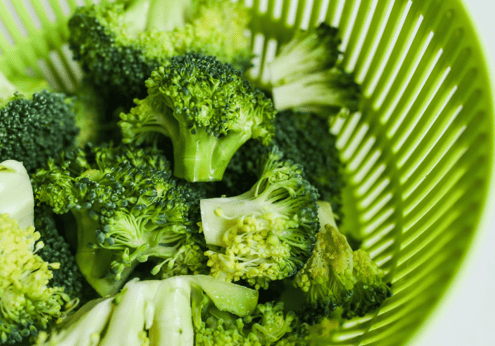
Broccoli is an amazing food choice for your baby. This green veggie contains less cholesterol, produce vitamin D, helps remove detoxification, fight against inflammation and lot more. Broccoli is a highly recommended food for a 6 to 12 months old baby.

Yogurt
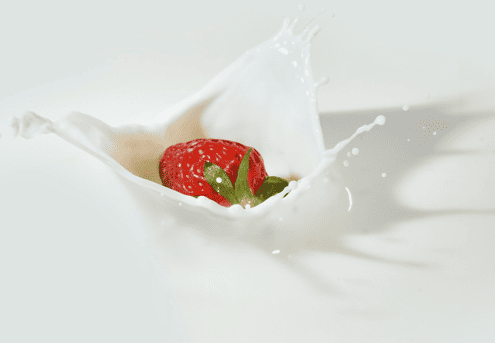
Yogurt is also tasty and healthy first food for babies. The yogurt is mostly made of cow milk and fruits. You can prepare homemade yogurt or you buy readymade yogurt from a grocery store. If you want to know more, check out the top 10 best yogurts for baby reviews.

The whole milk yogurts are made by bacterial fermentation of cow’s milk and it contains a lot of beneficial probiotics that improve baby’s diegetic capabilities. Also, yogurt is high in protein and calcium which helps to achieve stronger bones.

Moreover, research has shown yogurt improves blood sugar control and helps reduce cholesterol levels. We recommend dairy yogurt as the baby’s first food.

Green Beans

If you are serving green beans to your baby, he/she is getting a large number of essential nutrients which helps babies preventing from various disease such as common cold or flu, asthma, ear infection. Besides, the research found that green beans have potent health-supporting antioxidants to protect the baby from illness.

Banana

Bananas are pretty ideal baby food. Bananas are sweet, soft, and easy to swallow. Also, it is a great source of potassium and fiber. Bananas are very easy to prepare as baby puree, just peel and punch with fingers, that’s it!

Squash

Squash comes in a lot of varieties; it is highly delicious and the healthiest first food for the little ones. The squash has many variants such as Kabocha, Hubbard, Delicata, and Acorn are all part of winter squash. Winter squash benefits the blood sugar level, prevent the risk of cardiovascular disease and improve baby moods.

Sweet Potato
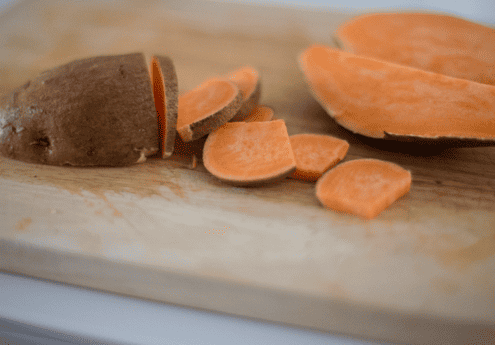
When it comes to baby’s first food, sweet potato comes at the top of the list. The nutritional value of a sweet potato is outstanding and the sweet taste makes ideal first food for babies. It contains vitamin C, minerals, potassium, vitamin E, calcium, and folate. Due to the high fiber content, it assists the digastric system and aid in regular bowel movements.

Egg
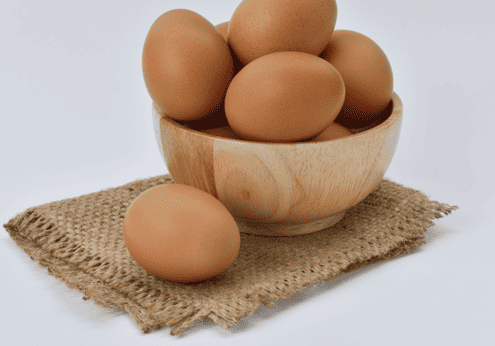
An egg is another healthy food for a baby’s health. The yolk of an egg contains choline which helps in a baby’s brain development and the white part is consists of protein which boosts the energy level of a baby.

Apples

Apples are cute and yummy. It is not only healthy first food for a baby but also it is easily digestible and possesses immunity-boosting nutrition. Besides, apple contains a large amount of polyphenols and phytonutrients which increase a baby’s immunity system which enables power to fight against infant illness and diseases. In addition, the apple carries soluble fiber which protects a baby from diarrhea and other stomach-related diseases.

Conclusion

These are the eight foods that are highly healthy for a baby when he/she start taking food for the first time. You must blend all baby foods before feeding them. Enjoy happy parenting!

Author Bio:

Hi, my name is Rakibul Niloy the creator of content for Family Smart Guide. I love to share my solutions to first-time mom who struggles and my goal is to share practical tips to survive and thrive of early motherhood days.


NutriFusion develops all‐natural fruit and vegetable powders that are nutrient dense. They are an excellent source of nutrition and can be added or mixed with the foods above.

Sourcing only whole, non-GMO foods, NutriFusion offers all ages a concentrated micronutrient and phytonutrient-rich food ingredient that blends easily. With a farm-to-table philosophy, NutriFusion’s proprietary process stabilizes the nutrients from perishable fruits and vegetables.

NutriFusion® blends are ideal for toddlers.

NutriFusion can help! Visit us at www.nutrifusion.com.

https://nutrifusion.com/wp-content/uploads/2020/12/NF-5.png 440 550 NF Admin https://nutrifusion.com/wp-content/uploads/2022/05/NutriFusion-Logo-New-1030x251.png NF Admin2021-07-06 11:31:402021-07-06 11:31:408 Best First Foods for Babies

Learn why natural plant-based vitamins work and why synthetics do not!

in Food Business, Food Retail, Health & Nutrition, Supplements & Nutraceuticals

synthetic vitamins not as good as food based vitamins

There is a trend in taking dietary supplements. People take supplements to make up for the nutrients not gained due to a poor diet or a vegetarian lifestyle. People also take diet pills when they don’t like eating, or they are undergoing a diet.  Dietary supplements are synthetic products that are taken to supplement people’s diet. It can come in a pill, chewable gum, energy bar, tablet, capsule, or liquid.

Many people in the United States favor using diet pills to get synthetic nutrients. The type of synthetic nutrient most targeted by Americans is vitamins. However, there is a raging debate in scientific quarters about the effectiveness of these synthetic vitamins. In this post, we would be collaborating with health researchers at best uk essay writing service on the difference between natural vitamins and synthetic vitamins.

Benefits of Vitamins

Vitamins are nutrients that our bodies need to function optimally. These vitamins are derived from food or supplements as the body cannot produce them on its own. However, they have many benefits for the body, and we have examined some of these benefits below.

  • Vitamin A helps with improving the eyes vision
  • Vitamin B1 contributes immensely in helping us gain energy as it breaks down blood sugar.
  • Vitamin B2 helps to break down food and also aids the growth of body cells.
  • Vitamin B3 ensures that the body’s cells work correctly
  • Vitamin B5 aids the production of hormones for the body and contributes to the energy-making process of the body
  • Vitamin B6 helps the body form red blood cells as tested by assignment helper online research enthusiasts.
  • Vitamin B7 helps to break down proteins, fats, and carbohydrates. It also boosts the growth of hair, nails, and skin.
  • Vitamin B9 helps in the development of DNA and RNA
  • Vitamin B12 helps create a sound nervous system
  • Vitamin C helps the body create collagen. Also, it helps heal the body’s wound and contributes to the formation of the bone. In addition, it improves the functions of blood vessels, boosts immunity, and helps in iron absorption. Furthermore, it performs the functions of an antioxidant
  • Vitamin D helps to strengthen the bone
  • Vitamin E reduces stress and improves immunity
  • Vitamin K helps the blood to clot.
Meaning of Natural and Synthetic Vitamins

Natural vitamins are nutrients that the body needs to function optimally. Natural vitamins are derived from food sources, while synthetic vitamins are derived from artificial sources. These artificial sources can be drinks, energy bars, pills chewing gum, capsules, etc. Note that synthetic vitamins are different from supplements that are derived from dried food. However, the goal of synthetic vitamins is to copy the functions of natural vitamins in the body. This is poorly done.

Are there Differences Between Natural and Synthetic vitamins

fruit powder veggie powder nutrifusion whole food nutrition

The main difference has to be the difference between the way these vitamins are manufactured. Natural vitamins are made in the body by consuming certain types of food, while synthetic vitamins are made through artificial means. However, chemically there is little difference between the natural vitamins found in plant or animal sources and the ones that are artificially made.

Even with the bit of difference in chemical composition, there is a vast difference in the biological reaction of our bodies to synthetic vitamins. For instance, when you eat plant-based or animal-based food, you aren’t targeting a single nutrient but will consume many nutrients that vitamins would be inclusive. There is an interplay or interaction between these nutrients, allowing your body to absorb these nutrients and use them optimally for the body.

On the other hand, synthetic vitamins contain a single type of nutrient, and studies show the body might find it hard to absorb these synthetic vitamins. Some vitamins may be easily absorbed than others. Certain studies show that the body easily absorbed natural vitamin E than artificial vitamin E. The expert scientific researchers at essay writing service uk support this study

Conflicting Reports on the Functioning and Absorption of Synthetic Vitamins

  • For Multivitamins, some reports claim that it helps in reducing heart diseases and the risk of cancer. Other words claim it doesn’t reduce heart diseases and is more likely to increase the chances of getting cancer. A five-year study on the benefits of high-dose multivitamins for the heart revealed would not improve the heart’s Furthermore, some research shows that multivitamins had positive effects on memory. However, other studies thoroughly debunked it after carrying out a 12-year study.
  • Vitamin B, on the one hand, is touted to increase brain function. But, on the other hand, such reports are described as merely speculative as vitamin B supplement doesn’t have any positive benefits for the brain.
  • Vitamin D supplements have also become subjects of great scrutiny among scientists. Natural vitamin D has excellent effects on health and immunity, but scientists disagree about if vitamin D supplements have the same effect. Also, vitamin D helps in keeping bones healthy and strong. In addition, it helps in improving brain capacity and reduces the risk of cancer. Current studies have not reached a conclusive report of vitamin D supplements have such an effect yet. However, scientists agree that when you take vitamin D supplements with calcium, you can enjoy a healthier bone structure as an adult.

This summarizes the problem with a vitamin supplement. They could be effective, but they might need to be taken alongside other supplements. So, don’t buy a supplement on your own. Always do so upon a prescription.

How to Identify If Your Vitamin Supplement is Natural or Artificial

The obvious answer to this would be to check the label. However, if you don’t know what to look for, there is no use looking at the label for hints. When you are checking the label, do the following

  • When the manufacturer writes 100% natural. Go further to check the ingredient deck whether it is indicated that the manufacturer’s natural is plant-based or synthetic
  • Find the source of food to see if any food type is mentioned. If there is a list of food, then the supplement may be natural. If there isn’t, the supplement is artificial (Remember many supplement companies “cheat” and do not disclose or misrepresent the truth.
  • When you see salt forms such as acetate, chloride, hydrochloride, etc., know the supplement is artificial as manufacturers use salt to stabilize synthetic supplement
  • When you see the letters DL before a nutrient, such supplement is synthetic.


bio

Emily Harrinson is one of the most influential editors who work for a London big company. She has been with this big company since 2006. Emily is also a writer who had written essays for an essay writing service uk. She has also advised a cheap coursework writing service. She loves reading books, listening to music, and playing sports. She radiates positivity.


NutriFusion

Natural ingredients, no complicated chemical substances, squeaky clean label, zero synthetics, and rich in antioxidants and natural nutrition- ditch those detox and quick weight-loss gimmicks and get your glow on through real food goodness.

NutriFusion develops all‐natural fruit and vegetable powders that are nutrient dense for when you do not have access to fresh produce…and even when you do, to improve your vitamin intake. Sourcing only whole, non-GMO foods, NutriFusion offers consumers a concentrated micronutrient and phytonutrient-rich food ingredient blends. With a farm-to-table philosophy, NutriFusion’s proprietary process stabilizes the nutrients from perishable fruits and vegetables, allowing a longer shelf life and access to vital nutrients.

NutriFusion fruit and/or vegetable powders are for use in foods, beverages, supplements, and pet foods.

NutriFusion can help! Visit us at www.nutrifusion.com.

https://nutrifusion.com/wp-content/uploads/2019/01/peppers.jpg 640 960 NF Admin https://nutrifusion.com/wp-content/uploads/2022/05/NutriFusion-Logo-New-1030x251.png NF Admin2021-06-22 12:57:352021-06-22 12:57:35Learn why natural plant-based vitamins work and why synthetics do not!

ForwardFooding & FoodTech500

in Corporate Partnerships, Corporate Updates, Featured, Food Business, Health & Nutrition, News, Press Releases

We are thrilled to announce that NutriFusion® ranked #53 of the top 500 companies worldwide in AgriFoodTechnology.  This was the second year in a row, as a finalist for this year’s @ForwardFooding #FoodTech500, the world’s first definitive list of the global entrepreneurial talent at the intersection between food, technology, and sustainability. With over 2000 applicants from over 60 countries, we are so pleased that our innovation within the food system has been recognized and are excited to share this news with you!


 Click HERE For a Complete List (PDF)→


NutriFusion®  just ranked #53 of the top 500 companies worldwide in AgriFoodTechnology and  was in the top 200 in 2019.


Click HERE To View on ForwardFooding →

https://nutrifusion.com/wp-content/uploads/2020/12/Copy-of-2020-FT500-logo-transparent-background.png 684 706 NF Admin https://nutrifusion.com/wp-content/uploads/2022/05/NutriFusion-Logo-New-1030x251.png NF Admin2021-02-18 10:00:272021-02-18 10:00:27ForwardFooding & FoodTech500

The Impact Of COVID-19 on Our Eating Habits

in Food Business, Health & Nutrition, Kid's Health

COVID-19 has impacted our daily lives in so many ways that healthy eating habits have fallen by the wayside for a lot of people. Even those who typically focus a great deal on health and nutrition are in many cases paying a little less attention to their diets. We simply have too many other things to be concerned with of late (and let’s be honest, we’ve all needed to indulge in a bit of comfort eating!).

This is all understandable. But it also makes it worthwhile to stop now and then consider just how all of this is changing our eating habits. COVID-19 has brought about some changes in this regard — some having to do with current habits, and others setting us up for changes in the future.

Eating More Sugar (While it’s Worse for Us)

We’ll begin with an unfortunate negative side effect of COVID-19, which is that it has led many people to turn to sugar. Now, to be fair, the sugar situation in our diets is a little bit more complex than it sometimes gets credit for. The idea that all sugar is simply bad is not accurate, and in fact nutritionists agree that some natural sugar is “part of a healthy diet for most people.” For the purposes of this discussion though, we’re referring to added sugars, which should be consumed in minimal amounts (less than 25 grams per day) if at all.

Unfortunately, it’s this sort of excess sugar that people are consuming more of during the pandemic. According to an examination of why sugar is worse for you during COVID-19, surveys have indicated that as many as 31% of us are changing dietary habits due to stress. Stress eating often leads to more sugar consumption, as sugary foods can be comforting. In act, there are even chemical and brain-related reasons we reach for sugar in times of stress. But this is a poor dietary habit, and potentially a very harmful one. Regarding why it’s particularly problematic during a pandemic, the bottom line is that sugar can lead to or exacerbate heart conditions, obesity, and type 2 diabetes — all of which put us at greater risk from COVID-19.

Increased Snacking

The notion that people are snacking more relates pretty directly to that of eating more sugar. We’re stressed out, we’re seeking small comforts, and snacks — even the non-sugary ones — can provide it. Furthermore, many of us are spending a lot more time at home than usual, which makes it extremely easy to sneak off to the pantry for a pretzel or a few handfuls of chips a few times a day. These, too, are poor habits. Disciplined, healthy snacking is possible, and when it’s not excessive it can be part of a healthy diet. But COVID-related snacking is more likely to revolve around comfort foods, which generally aren’t doing us many favors.

More Home Cooking

On a more positive note, the pandemic has also led to more home cooking and meal preparation. This can actually be a surprisingly difficult thing to prove, but in this case grocery and supply sales prove it. Early in the pandemic, from February to March, food retail jumped more than 25%. In April it was still 10% higher than it had been pre-pandemic. Additionally, kitchen supply stores have seen more sales in a clear indication that more people are cooking up their own meals and realizing a need for new equipment.

We should also note that sales of frozen food and snacks have also spiked noticeably, which means not all of this shopping is indicative of more cooking. But home meal preparation is undoubtedly up, and there is clearly a cooking component to this change. By and large, this should make for a healthy change.

A Shifting Focus Toward Food Trucks

A shifting focus toward food trucks is another change we’re starting to see now, as well as one that will likely continue into the post-pandemic days. Reports in recent months have indicated that restaurant owners are turning to food trucks as a means of serving customers while COVID-19 is still a major risk. The simple fact is that people are wary of eating in restaurants, and in some cases still prohibited from doing so. But food trucks can cater to these same customers with much less risk. As a result, many are slowly getting into the habit of patronizing food trucks when they might otherwise have gone to restaurants.

We also see this trend continuing simply because it offers a more affordable avenue for people in the restaurant business. Starting a food truck business has a low initial investment cost when compared to a brick-and-mortar restaurant — and there’s also a greater profit margin. Given that restaurants have been hit extremely hard by the pandemic, these will likely prove to be irresistible benefits. Aspiring restaurant owners, struggling restaurant owners, and even those who have been driven out of business will all consider trying the food truck route. In the long run, this may mean that we’ll all get in the habit of simpler experiences dining out, potentially with more options.

More Strategic Shopping

The COVID-19 experience has also led us to shop more strategically, and this too may be a trend that sticks. The first indication of this was actually the focus on cleanliness. Recommendations to clean produce carefully and wipe down groceries in the early days of the pandemic took hold with many, and made us focus more on product quality and freshness. Following this, many also learned to plot out their grocery trips more carefully, given efforts to shop less frequently, and avoid actually going into stores when possible. Essentially, we have all been trained to wash produce, be mindful of quality, plan out our shopping needs, and buy only what we need.

This is not to say we won’t return to more wasteful or less quality-oriented habits. But this last change is one that should make us healthier and more sustainable food shoppers in the long term.

–

Written for nf.simplygrandproperties.com/ by Jennifer Victoria 

Jennifer is a personal trainer and life coach operating out of the Bay Area. Her primary areas of expertise are physical fitness, nutrition, mindfulness, and motivation.

NutriFusion develops all‐natural fruit and vegetable powders that are nutrient dense for when you don’t have access to fresh produce…and even when you do to improve your vitamin intake. Sourcing only whole, non-GMO foods, NutriFusion offers consumers a concentrated micronutrient and phytonutrient-rich food ingredient blends. With a farm-to-table philosophy, NutriFusion’s proprietary process stabilizes the nutrients from perishable fruits and vegetables, allowing a longer shelf life and access, even during a shelter in place order, to vital nutrients.

NutriFusion fruit and/or vegetable powders are for use in foods, beverages, supplements and pet foods.

NutriFusion can help! Visit us at www.nutrifusion.com.
https://nutrifusion.com/wp-content/uploads/2020/12/food-truck-2690194_1280.jpg 853 1280 NF Admin https://nutrifusion.com/wp-content/uploads/2022/05/NutriFusion-Logo-New-1030x251.png NF Admin2020-12-18 10:22:382020-12-18 10:22:38The Impact Of COVID-19 on Our Eating Habits

How to Snack and Prevent Diabetes

in Beverages & Drinks, Food Business, Health & Nutrition, Kid's Health, Uncategorized

Diabetes prevention is something we all should be working for, and your diet plays a huge factor in this. One often overlooked part of the conversation surrounding a healthy diet is snacking. While the obvious answer may seem to be to give up snacks altogether, depriving yourself of your favorite treats may not be the best protection from diabetes either. Below are a few ways to develop snacking habits that can reduce your chances of developing diabetes, as well as a few different foods to implement into your diet.

Avoid Glucose Spikes

Diabetes is characterized by having blood sugar levels that are unnaturally high due to insulin resistance. One of the ways that this insulin resistance can develop is by having spikes in your blood sugar that make it difficult for your body’s insulin to break down all of the glucose in the body. You can avoid these spikes by limiting consuming foods that quickly raise your blood sugar, such as sweets, starches, and processed foods.

Choose Your Snacks Wisely

Instead of choosing foods that are unhealthy in nature, try to focus on curbing your hunger with healthier options. Skip the donuts, cookies, and cakes and reach for fruits, vegetables, and nuts instead. Many adults struggle to meet their daily value of fruits and vegetables, so incorporating these foods into snack time can help you reach your nutritional needs.

There are certain foods that can help prevent diabetes more than others. Foods like apples and berries can satisfy your sweet tooth while carrots and pumpkin seeds can give you that crunch that you crave from chips and other salty snacks. Incorporating these foods into your snacking routine can help cut your risk of developing diabetes by minimizing spikes in blood sugar and preventing insulin resistance.

Space Out Your Snacks

While it might seem counterintuitive, snacking does have the potential to prevent blood sugar spikes from happening if eaten at the right times. When there is a large gap of time between meals, your blood sugar can dip, sometimes to dangerously low levels. This can result in extreme highs and lows that can make your body become less sensitive to its own insulin, ultimately leading to diabetes. Snacking can help prevent these highs and lows by keeping your blood sugar levels steady throughout the day because of the more consistent intake of nutrients. If you find yourself getting hungry throughout the day or if you know there is going to be a large gap between your meals, try keeping a snack nearby to help hold you over and stabilize your blood sugar.

Be mindful of your snacking

Raspberries and BlackberriesWhile it may appear that snacking is purely a physical activity, the way that you snack is heavily tied to your emotional being as well. Unpleasant emotions like stress, anxiety, and depression can lead to overeating and cravings for those “comfort foods” that tend to be unhealthy in nature. And when it comes to emotional eating, you often won’t stop munching until you feel better, or until your body can’t physically take another bite. These snacking sessions can contribute to blood sugar spikes and insulin resistance because of the sheer volume and contents of the foods involved.

A change in mindset can help prevent you from snacking mindlessly, as well as keep you from eating foods that are less healthy in nature. A great way to get a handle on your emotional eating is to first assess why it is that you’re tempted to start eating. Ask yourself— Are you really hungry? Are you upset? Are you avoiding something? If you realize that your cravings are originating from something other than hunger, try resisting the urge to snack for about 15 minutes to see if the feeling subsides. The more self-aware you become of your snacking habits, the better you’ll be able to fend off the development of diabetes.


Just 1 in 10 adults meet the federal fruit or vegetable recommendations, according to a study published today in CDC’s Morbidity and Mortality Weekly Report (MMWR). This report highlights that very few Americans eat the recommended amount of fruits and vegetables every day, putting them at risk for chronic diseases like diabetes and heart disease.

NutriFusion develops all‐natural fruit and/or vegetable powders that are nutrient dense for use in foods, beverages, supplements and pet foods.

NutriFusion can help! Visit us at www.nutrifusion.com.


https://nutrifusion.com/wp-content/uploads/2020/10/Low-Res-Basket.jpg 1030 1545 NF Admin https://nutrifusion.com/wp-content/uploads/2022/05/NutriFusion-Logo-New-1030x251.png NF Admin2020-10-16 12:00:532020-10-16 12:00:53How to Snack and Prevent Diabetes

The New Decade of Food Trends

in Consumer Packaged Goods, Food Business, Food Retail

The CDC Says Only 1 in 10 Adults Eat Enough Fruits or Vegetables whole30 high fiber foods

Global market research firm Mintel recently released a forecast for food trends in this new decade. This seems to be a crucial decade in which they see consumer tastes for food quickly evolving.

The Trend for More Single-Serve Portions

Single-serve meals are going to have more demand based on statistics from research firms which say that single-person households are on the rise. The US will have more than 36 million single-person households in 2019, a rise of around 80% compared to 2000 statistics. In 2060, the number of elder Americans (65 and above) will be 95 million, almost double that of the 52 million seniors today.

The Battle to Conserve Food

Consumers are becoming more aware of sustainability and waste when it comes to foodstuffs. In fact, this is an important item that many believe will be important for consumers starting this year. Consumers, for instance, are buying irregularly shaped food packages, aware that such items mean that much less food waste.

Retailers are thus studying and applying more flexible packaging systems. “Wonky” veggies and fruits will, therefore, be consumed and not thrown away during processing and packaging. Plastic is also being replaced in packaging by materials that decompose.

New Product Development Means Holistic Health

For manufacturers involved in NPD or new product development, holistic health is coming to the forefront. Consumers want products with lower fat, salt and sugar content, and also want more options on flavors. Meat alternatives are now more popular than ever. More than 30% of Americans think of themselves as flexitarians today. The future is bright when it comes to new product development over the next decade.

Inspired by www.powderbulksolids.com

https://nutrifusion.com/wp-content/uploads/2017/11/helathy-vegan-food-cooking-background-with-fruits-P49ZZX2-min.webp 1030 1508 NF Admin https://nutrifusion.com/wp-content/uploads/2022/05/NutriFusion-Logo-New-1030x251.png NF Admin2020-04-22 10:56:092020-04-22 10:56:09The New Decade of Food Trends

6 New Superfoods You’ll See in 2020

in Food Business, Food Retail

Every year a set of new superfoods is touted to be the best. They become the newest stars of the nutrition world, giving consumers that much more nutrition per dollar spent on food. These foods may be the basis for or supplementary to your lifestyle. This new year and decade see great new superfoods or macronutrients coming into the market. Take a look at the following:

New Herbs

Last year adaptogens, herbs that help the body combat long term stress and give it endurance, were all the rage. It didn’t take long for herbal gurus like Rachelle Robinett to come up with new herbs that are even better than adaptogens.

She’s marketing a new class of herbs called nervines or nerveless HRBLS, basically, herbs that soothe the nerves instantly. They command the body to come out of fighting mode and put it into a calm and digestive frame.

Fiber is Still It

Fiber remains one of the best and most appreciated options in health and wellness. Expect to buy up your share of high fiber products based on legumes, grains, and nuts in 2020.

You can also turn on to the habit of snacking on these and high fiber snacks are getting more market shares. You can, for instance, use fiber boosts like acacia fiber to smoothies. Ms. Robinett classes fiber as a major macronutrient.

Prebiotics Rising

Like fiber, prebiotics is a powerful aid to digestion. They are becoming more popular, basically following in the footsteps of probiotics. (Probiotics have become so popular that there are even designer probiotic chips for the health-savvy lifestyle eater.)

For a healthy gut, some experts in the field think that prebiotics works better than probiotics for healthy digestion. Prebiotics come from indigestible fiber from plants like garlic, chicory and oats, and certain vegetables or grains. Prebiotic boosts are available in powder packs.

The Perfect Choco

Chocolates are the perfect lifestyle mood boosters. For those who worry that they may be unhealthy, worry no more. Experts have found that super dark chocolate which contains raw cacao is chock-full of antioxidants, fiber, iron, magnesium, and fiber. The votes should rack up for at least 75% dark chocolate content, or higher.

Now you can eat the perfect healthy chocolate to your heart’s content. Moderation, though, remains key to healthy eating even for the latest and the best macronutrients available in the market today.

Bitters for Better Digestion

Still, on the subject of digestive health, digestive bitters will help stimulate the creation of your body’s powerful digestive enzymes. This takes out the need to take exogenous enzymes, usually marketed as pills. Bitters like chamomile and dandelion root found in herbal teas help your body digest properly, reduce bloating and gas, and absorb nutrients better.

Algae Supreme

Chlorella, an alga, contains all the body’s amino acids, is rich in B12, antioxidants, minerals, and other vitamins. It binds naturally to toxins like heavy metals. This makes it a superfood, a powerhouse of health benefits. Make sure you use the tablets or powdered products with the outer shell pulverized.

Inspired by www.chowhound.com

https://nutrifusion.com/wp-content/uploads/2022/05/NutriFusion-Logo-New-1030x251.png 0 0 NF Admin https://nutrifusion.com/wp-content/uploads/2022/05/NutriFusion-Logo-New-1030x251.png NF Admin2020-02-19 10:57:432020-02-19 10:57:436 New Superfoods You’ll See in 2020

Chobani Betting on Plant-Based Dairy Products as Its Next Flagship Product

in Beverages & Drinks, Consumer Packaged Goods, Food Business, Food Retail

Chobani, a food manufacturer famous for its Greek yogurt, is set to expand from the yogurt aisle to the plant-based dairy alternatives by betting on oat milk as its next flagship product.  The company is set to launch an oat-based dairy product that includes not only oat milk but also oat-based yogurt on separate dates. The company will unroll its oat-based yogurts in December of 2019, while the oat milk and creamers will be launched in January 2020. However, this was not the first time that the company has pushed into making plant-based dairy alternatives as it has already started with coconut-based yogurt during the start of 2019.

Plant-Based Dairy Products are Future Growth for Chobani

Chobani is dubbed as the second-largest yogurt maker in the United States. With the new offering of plant-based dairy products, the company is cementing its goal of not becoming your usual yogurt company. Peter McGuinness, Chobani’s president, noted that the company has been making yogurt for 11 years. Still, this new endeavor transcends from yogurt to a bigger market – vegetarians, vegans, and plant-based eaters – that is a captured market that is exponentially growing in the United States.

McGuinness also mentioned that the company is embracing a transparent approach in its products, citing that its new creamers are made with real cream and contains fewer but more relevant and functional ingredients that the consumers can easily understand. Moreover, he also cited big companies such as Nestle and Danone, whose brands include Coffee-Mate and International Delight, respectively, are made with oil and do not contain any dairy at all.

There couldn’t be a better time to introduce the oat-based yogurt. Aside from the yogurt business getting stronger with sales increasing to 9% annually, according to Nielsen, many consumers are now looking for products that are healthier as well as better for the planet. Oatmilk yogurt is the perfect product to launch. Plant-based dairy products such as oat milk and oat yogurt provide an alternative to dairy, especially for people who have a restrictive diet. McGuinness pointed out that the number of plant-based dieters is increasing. Moreover, he also noted that the market for oat milk is set to increase to $50 million in the following year.

Why Oat Milk?

But with so many products that can be turned into plant-based dairy alternatives, Chobani opted for oats because of its better nutritional value, particularly its low-fat value. Growing oats is also more environmentally sustainable than nut trees such as almonds and walnuts. Lastly, it also has a good taste option than plant-based dairy alternatives made from either soy or almond.

But while launching off the non-dairy alternative can be an exciting venture of Chobani, tension may arise, especially when a dairy company expands into a plant-based offering. As such, Chobani released a press release that developing to the non-dairy alternative products will not replace its other conventional products – much to the relief of their long-time customers. What the company wanted is to expand its consumers from flexitarians to vegetarians and vegans.  For ethical marketing, Chobani will be calling its products oat drinks and oat blends instead of “milk” and “yogurt” to avoid deceiving the rest of the consumer population.

Inspired by https://www.chobani.com/oat/

https://nutrifusion.com/wp-content/uploads/2022/05/NutriFusion-Logo-New-1030x251.png 0 0 NF Admin https://nutrifusion.com/wp-content/uploads/2022/05/NutriFusion-Logo-New-1030x251.png NF Admin2019-12-31 10:32:102019-12-31 10:32:10Chobani Betting on Plant-Based Dairy Products as Its Next Flagship Product
Page 14 of 41«‹1213141516›»

NUTRIFUSION®

GrandFusion® is a blend of fruits and/or vegetables that can significantly increase the nutritional profile and, therefore, the marketability of food, beverage, pet, and snack products.

Categories

  • Animal Nutrition
  • Beverages & Drinks
  • Consumer Packaged Goods
  • Corporate Partnerships
  • Corporate Updates
  • Featured
  • Food Business
  • Food Retail
  • GLP-1
  • Health & Nutrition
  • Infographics
  • Kid's Health
  • News
  • Press Releases
  • Product Announcements
  • Recipes
  • Supplements & Nutraceuticals
  • Uncategorized

ABOUT NUTRIFUSION®

NutriFusion® provides the nutrient-rich benefits of fruits and vegetables in everyday food products through whole non-GMO foods to create its concentrated micronutrient and phytonutrient-rich food ingredient blends.

Search NutriFusion

Search Search

SEAL OF AUTHENTICITY

NUTRIFUSION® CERTIFICATES

NutriFusion Cert Bar

Categories

  • Food
  • Beverages & Drinks
  • Pet Food
  • Nutraceuticals
  • Contact Us
  • Privacy Policy

© Copyright 2026 NutriFusion LLC | All Rights Reserved.

Scroll to top Scroll to top Scroll to top