• Link to LinkedIn
  • Link to Facebook
  • Call Us
NutriFusion
  • Applications
    • All Blends
    • Food
    • Beverages & Drinks
    • Nutraceuticals
    • Pet Nutrition
    • Custom Superfood
  • R&D
    • Research & Development
    • Vitamin Deficiency
  • Active Research
  • About
    • About NutriFusion®
    • Certifications
  • Contact
  • News
    • Press Center
  • Podcasts
  • Blog
  • Store
  • Click to open the search input field Click to open the search input field Search
  • Menu Menu

Archive for category: Health & Nutrition

Best Foods to Eat Before Morning Running

in Health & Nutrition, Kid's Health, Supplements & Nutraceuticals

Running is a great way to have a great body, feel good about yourself, and it has been shown to reduce stress levels. However, not all women can run due to injuries or other physical limitations. Running first thing in the morning can give you an extra boost of energy before your day begins. Some foods will help provide you with the nutrients needed for a successful morning run.

Foods to Eat Before Running

Foods high in carbohydrates are great for making your body feel energized before a run. The brain receives glucose from these foods, which provide the primary energy source during exercise to get you through that marathon or 5K.

There are two types of glucose: immediate and stored. The stomach breaks down carbohydrates into insulin, which stimulates cells to take up this fuel for energy or keep it as glycogen in their muscles and liver when we eat. Depending on whether you want quick carbs that fill you right away or long-lasting ones like those found inside sports gels during competition season!

You can have these foods before running:

  • Banana;
  • Dates;
  • Some sweet tea with cookies;
  • Muesli bar.

The best way to finish a long workout is with some good food. These same products will be perfect and should do wonders in getting your body back on track after all that hard work, even if you have time for just an afternoon workout.

Foods to Avoid Before Running

There are general criteria that a jogging snack must meet:

  • Low-fat foods;
  • Low fiber foods;
  • Low protein foods;
  • High carbohydrate foods.

Protein and fat help you feel full for a long time after eating, but it’s not an ideal pre-workout choice. It should be combined with foods that are easy to digest or consumed before them so they can get broken down more easily and quickly by our bodies’ enzymes before we even start working out.


Protein or fat can make running more complex, so it’s best to get your pre-run nutrition organized. Some types of food will give you the power boost that helps with performance while avoiding cramps and other side effects like flatulence.

Bonus Tip: How to Make Your Morning Run Pleasurable

Sometimes morning runs can be tedious, and we’ve prepared for you the list of things to do while running.

Improve Your Foreign Language Skills

Running is the time of concentration, and it is an excellent opportunity to improve your conversational Spanish. You have at least forty-five minutes or an hour to boost the language you’ve been learning since school. Turn on the podcast with your favorite host and make the most out of your run.

Make a Plan For a Day

You can run and make a list of things to do in your mind. It can be long or short, and it doesn’t matter. The thing is that you can have time to plan your day thoroughly.

Listen to A Book

Hate reading? Audiobooks can help you get helpful information about your work or leisure without effort. Turn on the last bestseller on your phone, run and enjoy!

Summary

Running may be the answer if you’re a woman trying to lose weight or just the one who enjoys the process. Running burns calories and can help you reach your goal of getting in shape quickly. It’s essential to make sure that you choose the right food for breakfast or lunch beforehand to impede your progress before starting any exercise routine. Use our tips below to keep yourself feeling great while exercising and reaching those fitness goals with ease. What foods would best suit your needs?


BIO: Ryan is a passionate blogger and writer who likes sharing his thoughts and. Now he works as a content editor and internet researcher, you can check his website here. He likes to travel and explore new countries.


NutriFusion

Just 1 in 10 adults meet the federal fruit or vegetable recommendations, according to a study published in CDC’s Morbidity and Mortality Weekly Report (MMWR). This report highlights that very few Americans eat the recommended amount of fruits and vegetables every day, putting them at risk for chronic diseases.

Studies have shown that supplementation with extracts from fruits and vegetables may improve inflammation and oxidative stress.

NutriFusion develops all‐natural fruit and/or vegetable powders that are nutrient dense for use in foods, beverages, supplements, and pet foods.

NutriFusion can help! Visit us at www.nutrifusion.com.

https://nutrifusion.com/wp-content/uploads/2021/10/NF-woman-running.png 371 609 NF Admin https://nutrifusion.com/wp-content/uploads/2022/05/NutriFusion-Logo-New-1030x251.png NF Admin2021-10-26 14:41:512021-10-26 14:41:51Best Foods to Eat Before Morning Running

The Truth About Mac & Cheese

in Consumer Packaged Goods, Food Business, Health & Nutrition, Kid's Health

When it comes to comfort food, mac & cheese is one of the most popular dishes out there. It’s so easy to make, and when you want a quick fix it’s there for you. However, is it really the best thing you can be eating when you need a quick meal? Here’s the truth about this popular dish.

The History Of Mac & Cheese

No one’s quite sure when the mac & cheese as we know it was invented. The most popular theory is that it came from Southern Italy in the 13th century, when sheets of lasagna were cut into small squares and served with grated cheese.

The dish was popularized by Kraft, who marketed mac & cheese to housewives towards the end of the Great Depression. It was popular thanks to its low cost, and the fact that it was so easy to make. It regained popularity once again after World War II, and has been a pantry staple ever since.

Chemicals In Your Mac & Cheese

The answer to this question very much depends on the type of mac & cheese that you’re making. ‘The classic boxed mac & cheese, such as the version made by Kraft, has come under fire’ says health writer Dewi Hunter, from Simple Grad and Essayroo. ‘Because of this, many people feel that this food is actually harmful to them.’

This is thanks to articles that report all kinds of things about mac & cheese, such as one that reported that it contains high levels of phthalates. These are a chemical that used to be found in things like children’s toys, before it was banned. However, testing has shown that it is still present in processed foods such as mac & cheese.

Should you be concerned about this? There’s no denying that any level of this chemical in your food is a problem, and shouldn’t be there. However, it is thought that boxed mac & cheese contains tiny amounts of phthalates. These come from leaching tanks to plastic tubes used in production, and so isn’t added in purposely.

Of course, you should take care with any food you buy to avoid exposure to such chemicals. A good rule here is to check the fat content of your mac & cheese. The more fat is in the packet, the more likely you are to be exposed.

Is Mac & Cheese Bad For You?

While you don’t have to worry as much about harmful chemicals in your boxed mac & cheese, you do still need to consider the health implications of eating it. There’s no denying that it’s packed full of things that don’t offer a lot of nutritional value.

‘In a typical box of mac & cheese, you’re going to find artificial colors, preservatives, artificial cheese mix, and so on’ says blogger Dustin Olson, from UK Services Reviews and Assignment Writing Service. ‘Obviously, none of these are good for you.’

It’s something most people don’t want to think about. There’s a lot of nostalgia attached to mac & cheese, and who hasn’t made a box for dinner when they want a taste of home? The problem is, the boxed stuff isn’t giving you what you need from a meal.

Can Mac & Cheese Be Healthy?

Mac & cheese is never going to be the healthiest dish, as, well, it’s macaroni and cheese. However, it is possible to make your own very easily, and avoid all the processed ingredients that make the boxed version so unhealthy. This allows you to add other ingredients too, such as toasted breadcrumbs, or bacon. This adds more flavor and texture, while still giving you your fix.

Of course, this doesn’t mean you can never eat boxed mac and cheese. The key is to eat it sparingly. It’s a great once in a while treat, but you shouldn’t be using it for meals regularly. If you stick to this rule, then you’ll be able to stay healthy and happy.

There you have it. While mac & cheese is never going to be the most nutritious meal, you can make your own with little fuss, and make it better for you. It’s always a good idea to read nutrition labels, and see what’s really in that box.

Emily Henry is a health writer, creating content for Top Canadian Writers and Student Writing Services. She also writes health blogs for Best essay writing services and other sites.


NutriFusion develops all‐natural fruit and vegetable powders that are nutrient dense for when you do not have access to fresh produce…and even when you do to improve your vitamin intake. Sourcing only whole, non-GMO foods, NutriFusion offers consumers a concentrated micronutrient and phytonutrient-rich food ingredient blends. With a farm-to-table philosophy, NutriFusion’s proprietary process stabilizes the nutrients from perishable fruits and vegetables, allowing a longer shelf life and access to vital nutrients.

NutriFusion can help! Visit us at www.nutrifusion.com.

https://nutrifusion.com/wp-content/uploads/2021/10/NF-Mac-Cheese.jpg 448 678 NF Admin https://nutrifusion.com/wp-content/uploads/2022/05/NutriFusion-Logo-New-1030x251.png NF Admin2021-10-19 11:32:582021-10-19 11:32:58The Truth About Mac & Cheese

If you’re feeling exhausted and drained, you aren’t alone. Here are the 7 types of rest you need to recharge, and why each of them is so important.

in Beverages & Drinks, Health & Nutrition, Kid's Health, Supplements & Nutraceuticals

How do you recharge? Perhaps you take the occasional nap, zone out with a good book, or sleep in on weekends to give yourself an added energy boost when you need one. But you still feel flat and exhausted afterwards. It turns out that you could be missing out on the secret to truly rejuvenating rest.

Shutting off your brain for a while can certainly provide you with rest in some cases, but it’s actually only one of many forms of rest that help us to function at our peak. Physician Saundra Dalton-Smith, M.D., the author of Sacred Rest: Recover Your Life, Renew Your Energy, Renew Your Sanity, says that humans in fact need 7 different types of rest: physical, mental, creative, emotional, social, spiritual and sensory.

According to Dalton-Smith, many people have a one-sided approach to rest, thinking that they will be well-rested if they kick up their feet and do nothing for a while. She says that this rarely works, and leaves people deprived of quality rest more often than not. She also tells her patients that if they consistently wake up exhausted after sleeping, the issue is likely a rest deficit rather than a lack of sleep.

Getting the Right Rest for Your Needs

 Getting the right kind of rest for your needs requires you to assess exactly what you are missing. If you have deficits in certain areas, such as mental rest, you may experience specific symptoms like concentration issues. If you have a sensory deficit, you might find that loud noises jar and frazzle you, despite normally loving lively concerts and fireworks displays.

Once you determine the type of rest you need, you’ll need to adapt your resting habits to suit your needs. It isn’t enough to cancel your plans and stay in and watch TV. This can actually result in more fatigue than before as so many of us need a break from our screens.

Here are the 7 types of rest everyone needs to feel genuinely rejuvenated and recharged.

Exploring the 7 Types of Rest

1.Physical Rest

Physical exhaustion is easy to pinpoint. You will battle to keep your eyes open and stay awake, and even walking the length of your home will feel like a challenge. The most common type of physical rest is sleep, so if you feel physically exhausted, try going to bed 30 minutes earlier and limiting strenuous physical exercise to give yourself a break.

You can also enjoy physical rest by breathing deeply throughout the day and enjoying activities that relax you. Once you find yourself with more energy to spare, you’ll know that this approach is working.

2. Mental Rest

If you’re suffering from brain fog, concentration difficulties and a brain that feels like cotton wool, you may need mental rest. Whenever you need a mental break, switch off your devices and take some time to center yourself by meditating or repeating a relaxing mantra.

Sometimes you might need a full day without screens to address mental exhaustion.

3. Creative Rest

Our creative brains are always hard at work devising solutions to work problems, planning events, and looking forward into the future. It’s no wonder that our minds need creative rest from time to time.

You can provide this rest for yourself by going for a gentle hike in nature, reading a gripping novel, and surrounding yourself with creative inspiration that replenishes your creative resources instead of drawing from them.

4. Emotional Rest

Do you find yourself feeling emotionally exhausted, confused, overwhelmed, and drained? You need emotional rest. Give yourself what you need by speaking to a willing listener about your feelings and reading up on ways to prevent emotional overload in the future and set healthy boundaries.

You could even schedule some therapy sessions and find yourself a support group to lighten the load.

5. Social Rest

The introverts among us will already know that socializing can be tiring, but it’s important to balance these draining experiences with restoring interactions.

Social rest could involve catching up with a close friend who you can be yourself around, enjoying a family lunch, or even taking a night off from socializing online and reconnecting with your own needs.

6. Spiritual Rest

If you feel as though you are drifting, un-anchored and lacking in direction in life, you could need some spiritual rest. That could mean engaging in religious and spiritual rituals and practices, but it could also entail seeking out your own personal sense of purpose.

Try volunteering for a worthy social cause, or joining a supportive group with whom you can discuss the current state of the world and how you can make a difference.

7. Sensory Rest

Sensory fatigue is one of our most common and widespread modern challenges thanks to the constant presence of screens, social media, and online interactions.

According to Dalton-Smith, this can cause neck tension, eye strain, and even strained and broken relationships when it becomes easier to interact with the smartphone than your spouse. Enjoy some sensory rest by putting your screens down, reading a book, getting outside for some fresh air, and limiting your online time significantly.

When Less Is More

Understanding the different types of rest required to maintain physical and psychological wellness and how your needs compare is challenging. Especially in a world that demands us to be constantly on the go.

However, now that you know that you need a variety of different forms of rest, you’re better equipped to identify what your body and mind crave. You can create healthy habits that help you to meet these needs in ways that replenish you, rather than exhausting you.

Remember to give yourself permission to relax, to rest, and to take breaks when you need them.

Many working members of modern society find that they don’t feel worthy if they are doing less, or if they are not generating value for their employers or their families in some way.

Give yourself permission to do less, and sometimes to do nothing at all, depending on what will best serve your needs. You can’t pour from an empty cup.


As an editor, Ellen Klein covers topics such as financial management and risk management, as well as health-related topics. She’s a realist and believes that planning for life’s unknowns is best. When she’s not busy with volunteer social work, she can be found scribbling away at her keyboard. 


NutriFusion develops all‐natural fruit and/or vegetable powders that are nutrient dense for use in foods, beverages, supplements, and pet foods.

Consumers may purchase our powders at: https://sales.nutrifusion.com/.  Add our powders to juice, or sprinkle on top of foods such as yogurt, pasta dishes, beverages, and baked goods such as cookies, brownies, cakes, etc.  A small amount, 225 mg, will provide 50% of the daily value from the range of nutrition from fruits and vegetables.

NutriFusion can help! Visit us at www.nutrifusion.com.

https://nutrifusion.com/wp-content/uploads/2021/10/NF-1.png 647 969 NF Admin https://nutrifusion.com/wp-content/uploads/2022/05/NutriFusion-Logo-New-1030x251.png NF Admin2021-10-01 10:44:452021-10-01 10:44:45If you’re feeling exhausted and drained, you aren’t alone. Here are the 7 types of rest you need to recharge, and why each of them is so important.

Heart-Healthy Foods that Feed the Mind Too

in Food Business, Food Retail, Health & Nutrition, Kid's Health

A Tribute to the Heart Is a Reward to the Mind

Did you know that heart disease accounts for more than a third of deaths worldwide?

Disorders and diseases of the heart are some of the most common ailments in the modern world. Fueled in part by our sedentary lifestyles, consumption of refined sugar and saturated fat, smoking, chronic stress, and a host of other lifestyle factors.

Diet plays a critical role in the health of our hearts, and your diet can increase or negate your risk of developing heart disease in the future. Some foods can influence your triglyceride levels, cholesterol levels, systemic inflammation, and your blood pressure. All of which are risk factors for cardiovascular disease.

How Brain Health and Heart Health are Connected

The health of your heart and the health of your brain are also intrinsically linked. Any foods that damage your heart can impair your cognitive function, too. According to the CDC, if you keep your heart healthy, you simultaneously lower your risk of developing brain-related issues such as dementia, Alzheimer’s disease, and strokes.

Your heart pumps oxygen and nutrient-rich blood through arteries and blood vessels to every part of your body—and especially your brain.

Any foods and lifestyle factors that damage these blood vessels can lead to serious conditions like cardiovascular disease. Plus, they can cause brain diseases that negatively impact your memory, cognitive function, and learning abilities. Keeping your blood vessels and your heart in good shape will enable these organs to transport blood to your brain. This keeps your brain healthy and functioning at its peak, even as you age.

The 7 Best Foods for Your Heart and Brain

Leafy Green Vegetables

There are few foods as good for your entire body as leafy greens like kale, spinach, and collard greens. They’re packed with antioxidants, minerals, and vitamins, and vitamin K, which protects your arteries and encourages healthy blood clotting.

Greens are also loaded with nitrates, which reduce blood pressure, promote arterial flexibility, and improve the function of the cells that line your blood vessels. All of this contributes towards a healthy cardiovascular system that can transport blood to the brain and wherever else it’s needed.

Many studies have found links between increased intake of leafy greens and a lower risk of heart disease. One analysis of 8 studies discovered that the consumption of leafy greens could lower the incidence of heart disease by up to 16%.

Berries

Berries are chock-full of important antioxidants and nutrients that promote heart health. They are a rich source of anthocyanins, which guard against the inflammation and oxidative stress that promote cardiovascular disease.

Studies have shown that consuming berries like blueberries, blackberries, and raspberries can reduce many of the risk factors for heart disease. One study of 27 adults with metabolic syndrome found that drinking a beverage made from freeze-dried strawberries for 2 months decreased ‘bad’ cholesterol by 11%. Another proved that eating blueberries every day boosted the function of the cells that line blood vessels, controlling blood pressure and promoting proper blood clotting.

Whole Grains

Whole grains, including the endosperm, and bran, are excellent for your heart and brain alike. Common whole grains include oats, rye, barley, whole wheat, brown rice, and quinoa.

When compared to refined grains, whole grains contain more fiber, which reduces LDL cholesterol and lowers your risk of heart disease. Another analysis of 45 studies found that eating 3 more servings of grains a day lowered the risk of developing cardiovascular disease by 22%.

Walnuts

Walnuts are a champion of brain health, and they can be beneficial for your heart and cardiovascular system too! They are an excellent source of fiber and contain essential micronutrients like copper, manganese, and magnesium.

Furthermore, research has shown that enjoying a few servings of walnuts a week can protect against heart disease by lowering LDL cholesterol by up to 16%, lowering diastolic blood pressure by up to 3mm Hg, and reducing inflammation and oxidative stress in the body.

Beans

Beans are so much more than a cost-effective way to add quality protein to your diet. They’re a plant-based protein that also contains resistant starch. This starch maintains integrity throughout the digestive process and gets fermented by the beneficial bacteria in our gut. Some animal studies found that this starch can boost heart health by reducing blood triglycerides and cholesterol.

Another study found that eating pinto beans reduced LDL cholesterol considerably. While a review of 26 studies found that a diet high in beans and legumes produced similar results. Eating beans has even been linked to reduced inflammation and lower blood pressure. Both of which are great news for the health of your heart and mind.

Avocados

Avocados are rich in monounsaturated fats, which may be able to reduce cholesterol levels and lower your risk of heart disease according to modern research. One study found that overweight and obese patients experienced reductions in LDL cholesterol while consuming one avocado a day.

Another study of more than 17,000 people found that those who consumed avocados regularly were half as likely to develop metabolic syndrome than their peers. Avocados are packed with potassium, which promotes heart health and balances your blood pressure. Studies show that consuming at least 4.7g of potassium per day (one avocado contains 975mg) can lower your risk of stroke by 15%.

Garlic

Garlic contains a compound called allicin that can promote heart and general physical health, according to certain studies. One review found that patients who took garlic extract every day for 24 weeks experienced the same reduction in blood pressure as those taking a common prescription drug.

Another review of 39 studies found that garlic can reduce total cholesterol by 17mg/dL on average, while further studies have found that garlic can inhibit platelet build-up, which may lower the risk of strokes and blood clots. You can ensure that you eat optimal amounts of allicin by letting raw, crushed garlic sit for a few minutes before cooking with it.

A Healthy Lifestyle Maintains A Healthy Mind

The link between diet and heart disease is undeniable.

What we put into our bodies daily has direct and drastic effects on our health, lifestyle, and quality of life. It also affects our risk of developing cardiovascular disease, brain diseases, and cognitive impairment.

What you eat can influence every aspect of your heart health, from your systemic inflammation to your cholesterol levels, blood pressure, and more. Experts recommend eating more leafy green vegetables, beans and legumes, whole grains, Omega-3-containing nuts like walnuts, and antioxidant-rich foods like berries to protect your heart and keep your mind sharp for years to come.

As an editor, Ellen Klein covers topics such as financial management and risk management, as well as health-related topics. She’s a realist and believes that planning for life’s unknowns is best. When she’s not busy with volunteer social work, she can be found scribbling away at her keyboard. 

NutriFusion

Just 1 in 10 adults meet the federal fruit or vegetable recommendations, according to a study published in CDC’s Morbidity and Mortality Weekly Report (MMWR). This report highlights that very few Americans eat the recommended amount of fruits and vegetables every day, putting them at risk for chronic diseases.

Studies have shown that supplementation with extracts from fruits and vegetables may improve inflammation and oxidative stress.

NutriFusion develops all‐natural fruit and/or vegetable powders that are nutrient dense for use in foods, beverages, supplements, and pet foods.

NutriFusion can help! Visit us at www.nutrifusion.com.

https://nutrifusion.com/wp-content/uploads/2021/09/Photo-by-Jamie-Street-on-Unsplash.jpg 1030 1686 NF Admin https://nutrifusion.com/wp-content/uploads/2022/05/NutriFusion-Logo-New-1030x251.png NF Admin2021-09-28 13:58:222021-09-28 13:58:22Heart-Healthy Foods that Feed the Mind Too

How Does Oxidative Stress Affect The Body?

in Health & Nutrition, Kid's Health

Oxidative stress occurs when our body has more free radicals than antioxidants. Although free radicals are necessary to our bodily functions, they do more harm than good in excess. The problem we have now is that most of the food available on the market significantly increases the number of free radicals in our bodies, which exposes us to more oxidative stress.

Karina Wolfin, fitness enthusiast and fitness equipment rentals provider at Direct Appliance Rentals says, “Humans need certain kinds of food to survive, so we built a preference or craving for them. We crave foods rich in necessary nutrients like sugar and sodium. Our dilemma nowadays is that manufacturers can manipulate these preferences to make us hungry for more sugar and sodium-rich food, which causes free radical imbalances and, subsequently, disease.”

Here is a brief explanation of why you should try to minimize oxidative stress.

Where Does Oxidative Stress Come From?

Oxidative stress comes from free radicals in our bodies. These free radicals are reactive molecules that strip away electrons from other atoms.

Free radicals form naturally when your body produces energy or when you exercise to help your bodily functions. However, you can form excess free radicals because of smoking, excessive drinking, and consuming food high in refined sugars, fat, sodium, and chemicals.

Sadly, food companies have spent years researching to make you crave sugary, salty, fatty food, making these products hard to avoid.

How Does Long-Term Oxidative Stress Affect The Body?


1. Causes Chronic Inflammations

The most common effect of oxidative stress on your body is inflammation. Inflammations are necessary responses that increase the body’s capabilities to fight off infections and recover.

When you experience excessive oxidative stress, free radicals will create unnecessary inflammation, creating more free radicals, resulting in a cycle that causes conditions such as arthritis and diabetes.

2. Increases Risks Of Heart Diseases

There are many factors that increase the risk of heart disease, but some researchers are encouraging the inclusion of oxidative stress as one of the primary or, at least, secondary factors. Oxidative stress is known to increase the risk of people having cardiomyopathy, ischemia, and hypertension.

3. Increases Risks Of Respiratory Diseases

It’s also good to note that respiratory conditions such as asthma are often caused by systemic and chronic inflammation in the lungs. Oxidative stress is one of the primary contributors of such lung inflammations.

4.Damages Brain Cells

The human brain creates a significant amount of free radicals to support its functions, but a substantial increase in oxidative stress can deal substantial damage to it. Free radicals may damage neurons, which increases your risk of developing neurodegenerative disorders such as Alzheimer’s.

Minimizing Oxidative Stress Helps You Lead A Healthy Life

Oxidative stress is indeed crucial to your day-to-day life. However, making unhealthy lifestyle choices can increase the pressure in your body, which may expose you to higher risks of developing chronic diseases.

Author Bio:

Felix Magrath is a freelance writer and blogger with a love for creating content. He believes the most complex subjects can be explained simply when the right words are used. When not reading, researching and writing, he is seeing what’s new on Netflix.


NutriFusion – plant-based vitamins and minerals can help you minimize oxidative stress levels. Combined with reduced intake of processed, sugary, and salty food and consuming the right amounts of nutrients and antioxidants you need, you sure would achieve that optimal health you deserve.

Contact us today to learn more!

https://nutrifusion.com/wp-content/uploads/2021/09/NF3-2.png 422 685 NF Admin https://nutrifusion.com/wp-content/uploads/2022/05/NutriFusion-Logo-New-1030x251.png NF Admin2021-09-22 09:32:072021-09-22 09:32:07How Does Oxidative Stress Affect The Body?

Is Milk Really Killing Our Athletic Performance And Health?

in Beverages & Drinks, Food Business, Food Retail, Health & Nutrition, Kid's Health

In the sports and fitness community, you can often hear the advice to give up milk completely. It is believed that these products interfere with weight loss, negatively affect your well-being and performance during workouts, and can be detrimental to your health.

Going forward, milk can indeed be detrimental, but not to everyone and not always. On the contrary, in some cases, this “unhealthy” foods can be beneficial.

Does Milk Really Reduce Performance And Slow Down Your Physical Progress?

I could not find a single study in which milk consumption was associated with a decrease in performance in any sport. On the contrary, scientific work supports its benefits for recovery and performance.

For example, consuming milk after a strength training session provides more muscle gain than the same amount of soy protein and carbohydrates.

This is not surprising: cow’s milk is rich in protein, a macronutrient without which it is impossible to build muscle. Moreover, unlike its plant counterparts, whey protein and casein from milk are perfectly absorbed by the body and contain many branched-chain amino acids (BCAAs), essential for muscle growth and recovery.

Drinking milk after a strength training session helps shift the balance in the body in the direction of anabolism. Protein synthesis can help you build muscle mass more quickly. Moreover, milk with any percentage of fat, whether whole or skim, is equally effective for this purpose.

In addition, consuming milk immediately after a strength training session helps reduce delayed muscle soreness and associated strength loss 24 and 72 hours after exercise. In the long run, this can increase your performance in a workout and therefore have a positive effect on muscle growth.

True, not all studies have similar results. For example, in one experiment, 18 months of additional intake of 400 ml of milk a day had no effect on the strength and muscle size of participants. Scientists suggested that if people eat a good diet, enough protein, calcium and vitamin D3, they can do without milk: it will not affect their performance in any way. But whether you get enough of these substances is a big question.

Milk is also good for endurance sports. Due to its high electrolyte content, skimmed milk may well replace special sports drinks, the purpose of which is to increase performance, reduce perceived effort and time to fatigue.

Can Milk Harm Your Health?

Milk really can’t be called a safe product, but the data are mixed on this point.


A fresh 2020 study found that regular consumption of cow’s milk increases the risk of breast cancer. Scientists got some really scary numbers: one cup of milk a day on a regular basis increases the risk by as much as 80 percent, while 2-3 cups a day increases the risk by 50 percent.

However, previous scientific studies have not found such a strong correlation. For example, in a 2017 analysis involving more than three thousand women, consumption of dairy products, on the contrary, reduced the risk of breast cancer by 15%.

There is also evidence that milk may increase the risk of prostate cancer, but it also protects against colon and bladder tumors. The topic requires further research, but for now, scientists advise against drinking milk for those at risk for breast cancer.

Better substitute it for yogurt: This fermented milk product is also high in protein and is associated with a reduced risk of cancer.

Bio:

Hannah Butler works as an essay writer at do my homework online company that provides expert paper help for students. She likes sharing her experience in the form of articles in such spheres as Wellness and Nutrition. In her free time, Hannah enjoys rock climbing and bike riding.

NutriFusion

NutriFusion develops all‐natural fruit and vegetable powders that are nutrient dense for when you do not have access to fresh produce…and even when you do to improve your vitamin intake. Sourcing only whole, non-GMO foods, NutriFusion offers consumers a concentrated micronutrient and phytonutrient-rich food ingredient blends. With a farm-to-table philosophy, NutriFusion’s proprietary process stabilizes the nutrients from perishable fruits and vegetables, allowing a longer shelf life and access to vital nutrients.

NutriFusion fruit and/or vegetable powders are for use in foods, beverages, supplements, and pet foods.

NutriFusion can help! Visit us at www.nutrifusion.com.


https://nutrifusion.com/wp-content/uploads/2021/09/NF2-2.png 445 679 NF Admin https://nutrifusion.com/wp-content/uploads/2022/05/NutriFusion-Logo-New-1030x251.png NF Admin2021-09-22 09:16:372021-09-22 09:16:37Is Milk Really Killing Our Athletic Performance And Health?

How Many Hours of Sleep Do Teens Need?

in Health & Nutrition, Kid's Health, News, Supplements & Nutraceuticals

It may seem that your teen can sleep around the clock, especially during school holidays. While that’s not precisely true, teens do need more sleep to help them be their best during busy days. The Journal of Paediatrics & Child Health suggests that teens should aim for 9-10 hours of sleep a day, based on scientific research and study.

According to the Centers for Disease Control and Prevention, adolescents who do not get enough sleep are at risk of health and behavioral challenges. Alarmingly, lack of sleep is common: the CDC analyzed data from the 2015 Youth Risk Behavior Study and determined that 7 out of 10 high schoolers, or 72.7%, did not get enough sleep on school nights.

Added to the regular stresses faced by teens are the additional challenges posed by the pandemic, which has brought about increased sleep difficulties for many. In fact, “coronasomnia,” as researchers dub it, has increased the levels of clinically significant insomnia for all age groups.

How Much Sleep Does A Teenager Need? 

Everyone’s need for sleep is unique to them, but teens, in general, need more rest than pre-teens. That is partly due to the changes that they are experiencing in their bodies during puberty. That 9-10 hours of sleep a night allows your teen’s body to refresh and recharge itself while at the same time supporting a level of growth that adults aren’t dealing with.

Not only that, but their brains are developing as well, leading to greater emotional and intellectual maturity and cognitive development, according to researchers at Johns Hopkins Medicine. More sleep helps them negotiate their growing pains and leaves them better able to resist serious health challenges such as depression or drug use.

One primary factor affecting teens’ need for sleep is their circadian rhythm, also known as the internal clock. Circadian rhythm is influenced by the sun and other light sources to tell us when we should be awake and when it’s time to go to bed.

When a teen keeps irregular hours — up till 2 am studying one night, crashing the next at 10 pm — it’s easy for that circadian rhythm to get out of whack. Resetting it can take days and requires your teen to establish a daily routine: to bed at night and up in the morning at roughly the same time each day. Oversleeping one day and pulling an all-nighter the next, in other words, isn’t healthy for teens (or anyone, for that matter) and should be avoided at all costs.

Why Do Teens Need More Sleep?

For a larger version of the image below click here


Sleep Problems In Teens

Teens as a group are probably more prone to sleep problems than other groups. With their active social lives, schedules that are bursting with activities and the increasing classwork/homework demands as they progress through high school, there are lots of reasons why sleep may be long in coming even when they do get to bed at a reasonable hour.

School

High school often starts earlier in the mornings than middle or elementary schools, meaning your teens may be getting up before the sun is up. Those early start times can be hard to get used to. Plus, many students have a huge course load, which means they’re up late studying and doing work every night.

Anxiety

As anyone who’s been a teen knows, those are stressful years. But, it’s also a fun time in a child’s life — full of sports games, Friday nights out, shopping trips with friends, and all kinds of exciting things. It can be hard to balance that with school and perhaps a part-time job. Not only does the schedule add to their stress, but if you have a teen who isn’t doing well in school or is getting picked on, they may be carrying burdens that are too much to handle for anyone. Those stressors can easily lead to sleepless nights.

Screen Exposure 

Most likely, your teen has their cell phone in bed with them at night, and if they’re scrolling social media or texting friends, it might be keeping them up later than you realize. All of those bright lights and noises will keep them awake rather than help them sleep. Why? Studies show that the blue light emitted by our devices is detrimental to sleep, disturbing our circadian rhythms more than any other color of light. Experts suggest that you should put away your devices several hours before bed — but that’s a hard thing to ask of a Tik Tok-addicted teen.

Peer Pressure

During the teen years, when your adolescent children are trying to figure out just who they are in the world, it’s common for them to do a mental compare-and-contrast with their peers. If others are doing it, then they want to do whatever it is as well. And when their friends boast of staying up all night to watch YouTube videos or prepping for an exam, your teen may want to match that endeavor. Sometimes, copying the acts of others is a good thing. And sometimes it’s not. For impressionable teens, staying up till all hours may look like a way to be one of the popular kids, but they pay the price for their loss of sleep in reality.

6 Tips For Sleep-Deprived Teens

There’s no one-size-fits-all solution for handling sleep-deprived teens. It may take time and effort to gradually move your teen in the direction of good sleeping habits, and you may get some pushback when you try. If you are the parent or teacher of a teen, you may have noticed that they like to make their own decisions and often distrust the wisdom of their elders. (You were probably like that yourself, once).

Here are a few ideas, however, that may help you convince your teen that the benefits of a good night’s slumber far outweigh the drawbacks.

  • Set rules about screen use. Aim to have teens shut down their smartphones 1-2 hours before bedtime. Have a charging station for family devices that’s in the kitchen or some other public space, rather than your teen’s bedroom.
  • Set a bedtime schedule. Your teen may balk at this, but as the parent, you can determine when things should quiet down in the household — which may lead your teen to bed out of boredom if nothing else.
  • Keep your teen away from heavy snacks at night. A light snack, like an apple or handful of almonds, is fine. Some foods, in fact, encourage good sleep — like the classic glass of warm milk. Stock your shelves with them, and suggest them to your teen when they’re hungry.
  • Get your teen up early on the weekends. Yes, it’s fine to let them sleep till 8 if they’re used to getting up at 6 on school days. But if you can keep them from sleeping until noon, you’ll be doing them a favor by keeping their internal clock running smoothly.
  • Invest in good bedding and a comfortable mattress. The key here is to make them want to go to bed because it’s comfortable and welcoming.
  • If your teen takes naps, encourage them to keep them short. A 20-minute “power nap” will do more to restore your teen than three hours of afternoon slumber.

Spotlight on Teens With Part-Time Jobs 

Managing school and a part-time job can be challenging, but it’s a reality for some teens. That can lead to some harsh decisions — giving up a sport, for example, that takes up considerable time for practices and games. Here are a few tips for teens working to juggle the demands of both their teachers and their boss.

  1. Schedule, schedule, schedule

Work with your teen to develop a realistic schedule that prioritizes getting enough sleep, as well as leaving time for study. Building and writing down a solid schedule doesn’t come easy to many teens, but developing this habit can yield lifetime benefits.

  1. Be vigilant

Watch your teen to be sure that they are meeting their commitments, but not at the expense of their health. If you see a study light on in your teen’s room at 2 a.m., for example, you may want to step in to help them over a rough patch by, say, relieving them of a household chore so they can study.

  1. Give them space

At the same time, it’s important to allow your teen to learn lessons without hovering over them. It’s a fine line to walk — being supportive but not overbearing — and every parent does it differently. That said, remember that sometimes a painful experience (such as getting a poor grade on a test) can lead to growth.

  1. Make your home sleep friendly

Are you up watching the Late, Late Show in the family room till the wee hours? Do you tend to sleep till noon on the weekends yourself? Consider revamping your whole family’s sleep schedule so that all clearly observe quiet hours.

Here’s The Bottom Line

Our society asks a lot of teens. We expect them to do well in school, excel at extracurricular activities, maintain a social life, and, sometimes, work — either to help support their family or so they can afford new purchases on their own. There’s one common denominator to all that, and it’s getting enough sleep. If your teen is averaging 9-10 hours of sleep a night, they will earn better grades and be able to manage a full schedule much better than if they’re burning the midnight oil regularly. It’s important to support your teen as they negotiate this tricky phase in their life so that they can be the best — and most well-rested — version of themselves every day.

Written by Slumber Yard Team     Last Updated: July 12, 2021  Medically reviewed by Lauren Castiello, MS, AGNP-C


References

  • Journal of Paediatrics & Child Health. V.13 (1). Jan. 2008. Accessed at the National Institutes of Health website. Teens and Sleep: Why You Need It and How to Get Enough. Accessed May 21, 2021.
  • CDC website. Sleep in Middle and High School Students.Published September 10, 2020. Accessed May 21, 2021.
  • Wheaton, Anne G., et al. Short Sleep Duration Among Middle School and High School Students — United States, 2015. Published January 26, 2018. Accessed May 21, 2021.
  • UC Davis Health. COVID-19 Is Wrecking Our Sleep With Coronasomnia — Tips to Fight Back. Published September 23, 2020. Accessed May 21, 2021.
  • Johns Hopkins Medicine website. Teenagers and Sleep: How Much Sleep is Enough? Published, n.d. Accessed May 21. 2021.
  • American Academy of Sleep Medicine website. Poor Sleep Can Negatively Affect a Student’s Grades, Increase the Odds of Emotional and Behavioral Disturbance. Published June 9, 2008. Accessed May 21, 2021.

Source:

MySlumberYard.com https://myslumberyard.com/sleep/sleep-for-teens/


NutriFusion®

Besides lack of sleep, teenagers suffer from lack of nutrition due to poor diets. Studies have shown that poor nutrition impacts performance at school and writing exams.

NutriFusion develops all‐natural fruit and/or vegetable powders that are nutrient dense for use in foods, beverages, supplements, and pet foods.

Consumers may purchase our powders at: https://sales.nutrifusion.com/.  Add our powders to juice, or sprinkle on top of foods such as yogurt, pasta dishes, beverages, and baked goods such as cookies, brownies, cakes, etc.  A small amount, 225 mg, will provide 50% of the daily value from the range of nutrition from fruits and vegetables.

NutriFusion can help! Visit us at www.nutrifusion.com.

https://nutrifusion.com/wp-content/uploads/2021/09/NF2-1.png 414 707 NF Admin https://nutrifusion.com/wp-content/uploads/2022/05/NutriFusion-Logo-New-1030x251.png NF Admin2021-09-21 10:02:072021-09-21 10:02:07How Many Hours of Sleep Do Teens Need?

Can Drinking Soda Really Kill You?

in Beverages & Drinks, Food Business, Food Retail, Health & Nutrition, Media Coverage

A lot of conflicting studies have been done to ascertain if drinking soda can lead to premature death. Some studies have concluded on the affirmative, while others have refuted the claims. Those on the affirmative say soda consumption is associated with diseases like stroke, cognitive degradation, asthma, and hypertension.

Those contradicting say that most of the studies done are observational other than experimental and therefore cannot be purely relied upon. Today, we will take a deeper look into these claims.

A study by the University of Miami Miller School of Medicine

The university collaborated with Colombia University to study if drinking soda was related in any way to vascular diseases. Some people believe that sugary soft drinks are food for good mood, but the study had different findings. The findings were that soda carries a higher risk of heart diseases like stroke, heart attack, and death.

The subjects in the study were 2,500 men and the study period was ten years. Those who drank soda daily, according to the study, had a 43 percent more likelihood of getting heart disease, unlike those who drank soda once in a while.

According to a review published by Essay Reviewer, other drinks included in the study were Gatorade, Coke, flavored water, and lemonade. They found out that people who drank over a half-liter of the drinks daily had a higher chance of contracting asthma. The researchers concluded that soft drinks increased the chances of heart diseases.

JAMA International Medicine report

Recently, a study was published in the JAMA journal, and its finding was even scarier. In the report, a person who drinks two glasses of sweetened drinks daily is more likely to die prematurely by 17%. Despite the scary report, some health professionals have a different opinion.

According to Bonnie Liebman, a director at the Center for Science in the Public Interest, most of the reports are from observational studies and cannot really pinpoint if the death was a result of consuming the drinks or another underlying factor.

Research by Harvard University

In other research done by Harvard University, sweetened drinks increase a person’s risk of getting diabetes, interrupt metabolism, and can lead to premature death. The data was collected from about 100,000 participants who submitted their daily diet intake.

Looking into the way forward

The above studies are just part of the many studies done by various institutions on this subject, and although most of their findings are on one hand agreeing, there are, on the other hand, many contracting findings. According to Healthy Food America, two-thirds of Americans consume sugary drinks daily.

Sugary drinks are categorized as ultra-processed food that has higher health risks than any other type of food. Healthy Food America further observes that when consolidated, each person in the US consumes 50 gallons of sugary drinks per annum.

This is approximately 190 liters of sugary drinks every year. Looking at both the affirming and contradicting reports, most nutritionists and health experts agree the only way out is to take health precautions.

The right steps to take

Whether you affirm soft drinks have many health risks or refute the claim, these steps will help keep you healthier.

Take a lot of water

Water has many benefits to the body, and if you take the recommended daily quantity, it will help balance toxins in your body. Do not go for sweetened water and instead buy ordinary mineral water or boil your drinking water at home.

Some of the benefits of drinking water are regulating temperature in the body, helping in the creation of saliva, protects body tissues, backbone, and joints. Water is also useful in the excretion, urination, and defecation processes. It protects you from constipation and helps improve skin texture.

Limit or keep off all types of soda

Soda manufacturers are very active in advertising and portray the drinks as refreshing, stylish and some as having zero sugar. Tests were done on different brands of soda and their sugar quantity showed that one bottle of soda is between 300 – 500 times sweeter compared to an ordinary cup of tea or coffee.

Some nutritionists say it’s like adding more than 300 cubes of sugar to your mug of tea or coffee. The fact is that the zero calories advertisement is false and it’s only aimed to increase sales. Diet soft drinks also contain other chemicals like preservatives, carbon, and aspartame. Some of these chemicals are linked to cancer of the blood and lymphoma cancer.

There are several other options you can turn to instead of diet soft drinks but if you must take coke or another type of soda, limit yourself to at least once a week or further apart.

Sugary drinks should never be found on your menu

Studies on the risks of consuming soft drinks have given scary results. One such report is contained in the Circulation journal on a study that involved men and women. Each would consume a certain amount of sweetened soft drink for a certain period.

The study concluded that sweetened soft drinks increase the risk of early death by 7%. Cancer risk was at 5% and heart diseases at 10%. The report also found that the drinks were responsible for increased body weight and thus had the potential to cause diabetes.

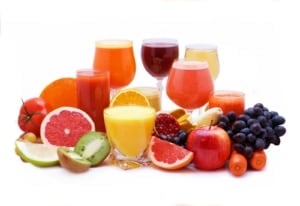
The carbon dioxide in the soft drinks makes an individual feel hungrier and, in turn, eat more and add weight. The report recommended that the solution is to avoid all sugary soft drinks and go for sugarless drinks like fresh fruit juice, tea/coffee without sugar, or coconut water.

beverages fruits and vegetable nutrients

These are fresh drinks that have many health benefits like detoxification, improved metabolism, and adding minerals into the body. A person who takes fresh fruit juices will less likely get heart diseases, diabetes, and they are less vulnerable to cancer cells.

Conclusion

Many studies have been done to find out whether drinking soda increases the possibility of early death. Varying conclusions and findings have been made and some affirm the claim while others refute it. However, one finding has been consistent in all the reports- that sweetened soft drinks have far-reaching health risks to the human body. Most of the reports also recommend that despite the affirming or refuting reports, an individual is much safer if he or she avoids consuming sweetened soft drinks altogether.

Author Bio:

Sherri Carrier is a professional writer working for a cheap essay writing service UK. She is a member of the best writing clubs in and around New York City. She has been writing poems too since her school days and finds her inspiration to write from her friends and famous poets of the past.


NutriFusion®

NutriFusion develops all‐natural fruit and vegetable powders that are nutrient dense. They are an excellent source of nutrition and can be added or mixed with the foods and beverages.

Sourcing only whole, non-GMO foods, NutriFusion offers all ages a concentrated micronutrient and phytonutrient-rich food-based ingredient that blends easily. With a farm-to-table philosophy, NutriFusion’s proprietary process stabilizes the nutrients from perishable fruits and vegetables.

NutriFusion® blends are ideal for beverages, foods, supplements and pet foods.

NutriFusion can help! Visit us at www.nutrifusion.com.

https://nutrifusion.com/wp-content/uploads/2021/09/nf3-1.jpg 279 678 NF Admin https://nutrifusion.com/wp-content/uploads/2022/05/NutriFusion-Logo-New-1030x251.png NF Admin2021-09-15 16:37:282021-09-15 16:37:28Can Drinking Soda Really Kill You?
Page 24 of 54«‹2223242526›»

NUTRIFUSION®

GrandFusion® is a blend of fruits and/or vegetables that can significantly increase the nutritional profile and, therefore, the marketability of food, beverage, pet, and snack products.

Categories

  • Animal Nutrition
  • Beverages & Drinks
  • Consumer Packaged Goods
  • Corporate Partnerships
  • Corporate Updates
  • Featured
  • Food Business
  • Food Retail
  • GLP-1
  • Health & Nutrition
  • Infographics
  • Kid's Health
  • News
  • Press Releases
  • Product Announcements
  • Recipes
  • Supplements & Nutraceuticals
  • Uncategorized

ABOUT NUTRIFUSION®

NutriFusion® provides the nutrient-rich benefits of fruits and vegetables in everyday food products through whole non-GMO foods to create its concentrated micronutrient and phytonutrient-rich food ingredient blends.

Search NutriFusion

Search Search

SEAL OF AUTHENTICITY

NUTRIFUSION® CERTIFICATES

NutriFusion Cert Bar

Categories

  • Food
  • Beverages & Drinks
  • Pet Food
  • Nutraceuticals
  • Contact Us
  • Privacy Policy

© Copyright 2026 NutriFusion LLC | All Rights Reserved.

Scroll to top Scroll to top Scroll to top