

Why Everything Has Protein in It Now (And What That Means for Your Business)
Walk down a grocery aisle today, and you will see the same claim everywhere. High-protein yogurt, high-protein cereal, high-protein bread, and even high-protein ice cream. Protein has become shorthand for “better nutrition.”
For many shoppers, high-protein foods feel like the safest choice on the shelf. Retailers reinforce it. Fitness culture amplifies it. GLP-1-driven eating patterns are accelerating it. But protein is only one piece of the nutrition picture. Many adults already meet their protein needs. The bigger gaps sit elsewhere: fiber, fruits, vegetables, micronutrients.
In this blog, we will discuss why protein is a dominant force in product development. Where does protein fortification truly add value? And how can you move beyond a protein-only health halo toward more complete nutrition using whole-food nutrient systems?
Why High-Protein Foods Are Driving Innovation
Protein is familiar, and that is its power. The fitness and weight management culture has positioned protein as essential for satiety and lean muscle mass. That framing stuck. GLP-1 medications added fuel by shifting demand toward smaller portions with higher protein density.
Market data support the surge. Global high-protein foods are projected to grow rapidly, with high-protein snacks expected to increase substantially over the next decade.
Protein also benefits from a health halo. Consumers understand it faster than antioxidants or phytonutrients. So protein becomes the headline claim, even when overall nutrition barely changes. It sells well. But it simplifies nutrition.
How Much Protein People Need vs. What They’re Getting
Protein guidance is simple. Most healthy adults need about 0.8 grams per kilogram of body weight per day. That equals 10-35% of daily calories from protein.
In many high-income countries, adults typically consume around 16 percent of their calories from protein. That sits comfortably within recommendations. Some groups may benefit from higher intake, such as older adults, very active individuals, and specific clinical populations under medical guidance.
But those needs are individual, not universal. This creates a disconnect. High-protein foods keep growing. Yet fiber, fruit, and vegetable intake remain low.
Where Protein Fortification Is Showing Up
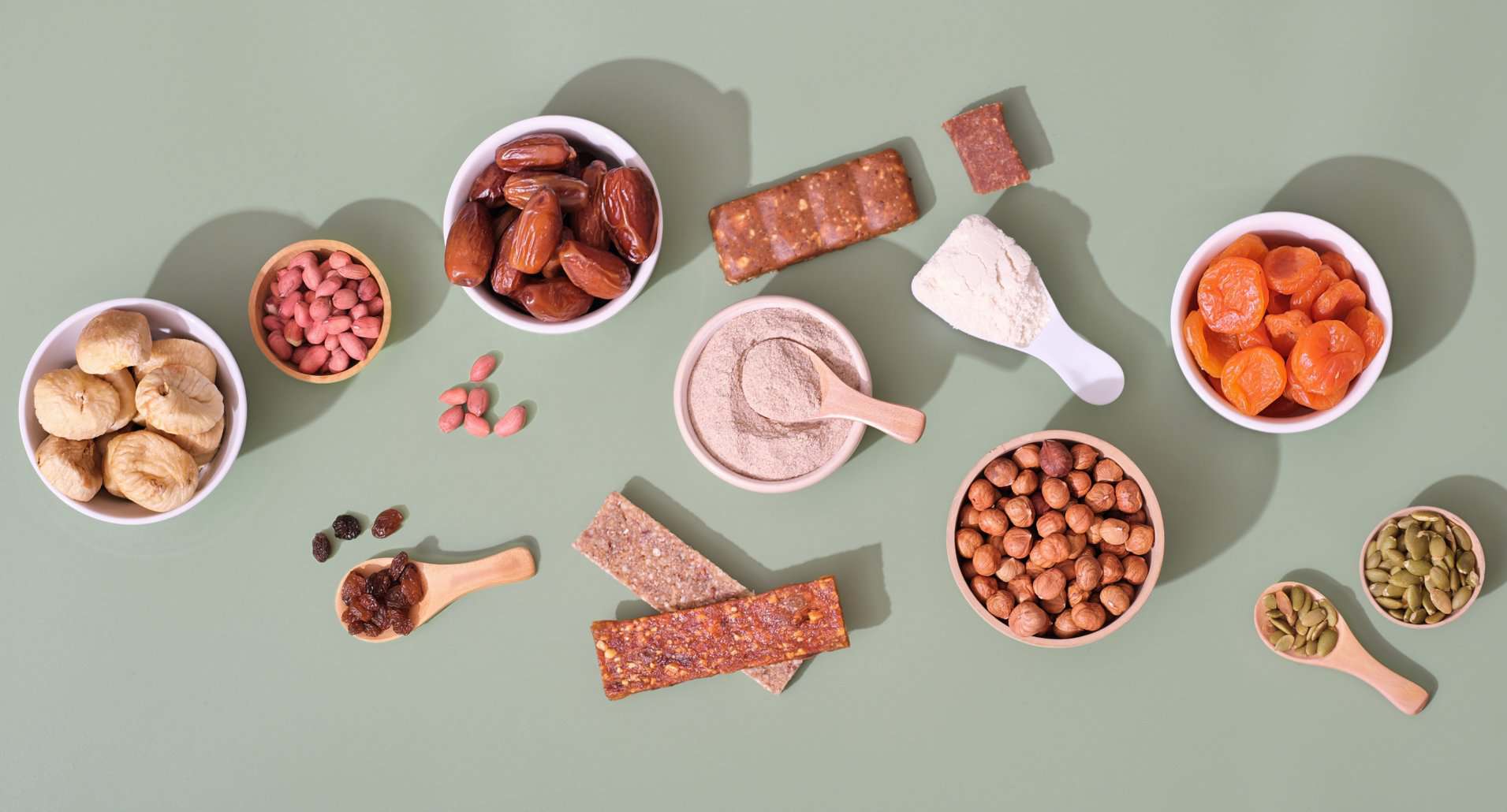
Protein fortification has quietly moved from niche innovation to a default feature across modern food and beverage categories. It now spans nearly every category.
- Snacks and bars lead the charge. Protein bars, chips, nuts, and on-the-go bites dominate “better-for-you” shelves.
- Dairy and alternative dairy followed quickly. Yogurts, ready-to-drink shakes, high-protein milk, and plant-based beverages rely on whey, casein, pea, soy, or blended proteins to differentiate.
- Bakery and cereals joined next. High-protein breads, wraps, granolas, and breakfast cereals use gluten, seeds, or added isolates to reposition familiar formats, with convenience and frozen foods rounding out the picture. Protein-forward bowls, pizzas, and ready meals often target portion control and GLP-1-style eating.
Geographically, high protein claims remain strongest in North America and Europe. However, adoption is accelerating in markets such as India, where protein enrichment is becoming a standard feature of everyday staples. Protein is no longer niche. It is infrastructure.
High Protein Claims on Pack and Common Pitfalls
Protein claims follow specific rules. They are not always obvious to shoppers. Many regions define “high in protein” or “source of protein” based on the percentage of calories derived from protein or the relative increase compared to a reference product. In some cases, a 25% increase qualifies.
That means a product can technically meet the bar with a modest bump. A cheese moving from 4.6 grams to 5 grams of protein per serving can suddenly shout “Protein” on the pack. The bigger issue is context. High protein foods can still be high in sugar, sodium, or additives. The protein claim creates a healthy perception that masks overall nutritional balance.
For brands, this matters. Trust erodes when consumers realize the protein promise feels thin. Meeting the minimum bar is not the same as delivering meaningful nutrition.
High Protein Can Be a Pricing and Positioning Lever
From a commercial standpoint, protein works. High-protein snacks and foods support premium pricing. They unlock placement in “better-for-you” sets. They align with fitness, weight management, and GLP-1-friendly positioning.
Social media accelerates the effect. Influencer culture normalized macro tracking. Protein moved from sports nutrition into daily routines with coffee, cookies, and cereal. Market forecasts reflect this momentum. Global high-protein food markets are expected to grow at a strong compound annual rate, adding tens of billions of dollars in revenue across snacks, beverages, and convenience formats.
However, as every brand chases the same claim, differentiation becomes increasingly important. Competing on grams alone leads to discounting. Or reformulation fatigue. That is where clean labels, whole foods, and micronutrient density become strategic.
Where Brands Get Protein Wrong: Health Promise Without Depth
High-protein claims are everywhere, but many products still miss the point on real nutrition. We see the same pitfalls repeatedly.
- Protein-only focus: Products emphasize grams of protein while ignoring fiber, vitamins, minerals, and bioactive compounds.
- Ultra-processed creep: Long ingredient lists filled with isolates, gums, sweeteners, and synthetic premixes clash with the rising expectations for clean labels.
- Token fortification: Small nutrient bumps are marketed as transformational. Consumers do notice it.
Emerging research also suggests that very high protein intakes, especially from specific sources, are not automatically beneficial for everyone. Balance still matters. For R&D teams, the takeaway is clear. The next wave of high-protein foods needs more nutritional depth, not just more protein.
NutriFusion’s Point of View: Add Whole-Food Nutrition to High Protein

At NutriFusion®, we do not supply protein, but we do supply fruit- and vegetable-based nutrient blends that can complement your protein-forward products.
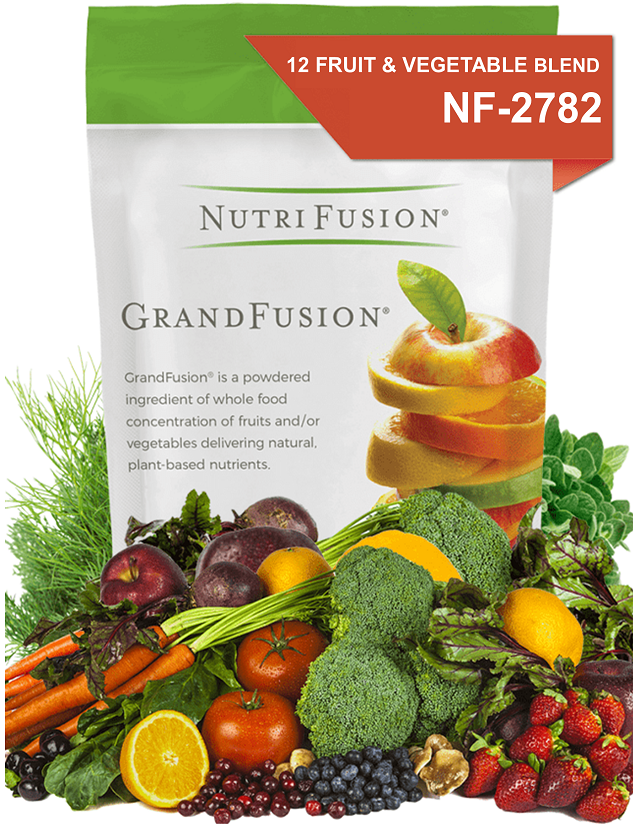
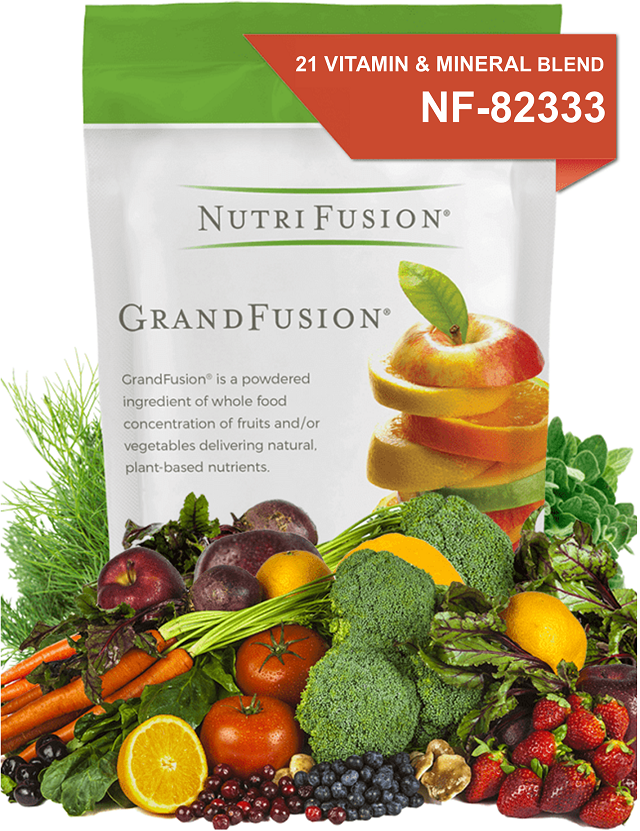
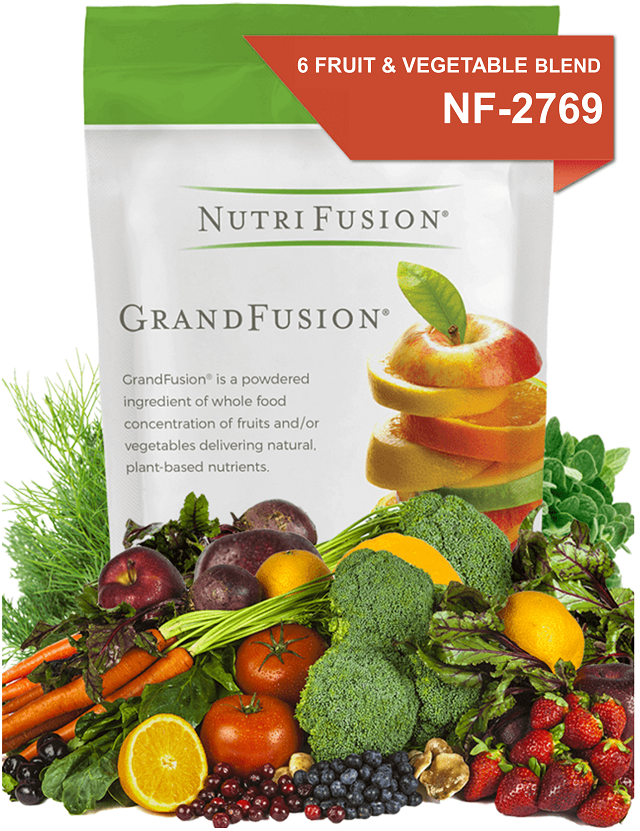
GrandFusion® is a powder blend of fruits and/or vegetables that can significantly increase the nutritional profile and marketability of food, beverage, and snack products. It uses a proprietary process, does not affect taste or functionality, and is 100% natural.
In a high-protein world, this matters. Consumers and regulators are increasingly looking beyond macroeconomic factors, micronutrient density, ingredient sourcing, bioavailability, and bioabsorption. These factors shape trust.
Synthetic vitamins are man-made chemicals that do not carry the natural structure of fresh fruits and vegetables. NutriFusion uses fresh fruits and vegetables, which can make nutrients easier for the body to absorb in finished products. When a nutrient is not sourced from fruits or vegetables, such as B12, we source it from botanicals to keep the system naturally derived.
GrandFusion blends deliver concentrated vitamins from fruits and vegetables. Approximately 450 milligrams can deliver 100% of the daily value for key nutrients. No synthetics. No preservatives. Minimal sensory impact. Stable under typical heat and processing conditions. Protein builds the structure. Whole-food nutrients complete the nutrition story.
NutriFusion® formulation takeaway: Use protein as a foundation, not the finish line.
Add nutrients from fruit and vegetables to close micronutrient gaps. Keep ingredient lists clean and simple.
High-Protein Product Design That Holds Up
High-protein foods are most effective when paired with a balanced diet. These examples show how to layer whole-food nutrients onto protein-forward formats.
High-Protein Snacks with Better Nutrition
Many high-protein snacks rely solely on isolates. Pairing quality proteins with GrandFusion fruit and vegetable nutrient blends adds plant-based vitamins and minerals while keeping ingredient lists clean and familiar.
Protein Beverages That Stay Clean Label
Protein beverages require stability and minimal sensory impact. GrandFusion blends withstand heat and processing, allowing whole-food nutrients from fruits and vegetables to be added in small amounts without affecting taste or texture.
High-Protein Bakery and Breakfast Upgrades
High-protein breakfast foods often miss key micronutrients. Fortifying cereals, granolas, and breads with fruit and vegetable nutrient blends helps address both macro- and micronutrient needs in a single format. Protein sets the baseline. Whole-food nutrients help products deliver more complete nutrition.
The goal is not to win solely based on protein grams. It is to deliver broader nutrition in formats consumers already buy and trust.
Next Steps for a Smarter High-Protein Roadmap
High protein is now table stakes. From chips to coffee, the claim is everywhere. Brands that win the next decade will treat protein as one of their pillars. Not the whole structure. Whole-food micronutrients, recognizable ingredients, and regulatory-sound claims will separate leaders from look-alikes.
NutriFusion GrandFusion blends provide R&D teams with a plant-based, non-synthetic nutrient system that seamlessly integrates into protein-rich formats, eliminating off-notes and complexity.
Add whole-food nutrients to your high-protein roadmap. Explore the NutriFusion® GrandFusion® Product Line.
About NutriFusion®
NutriFusion develops all-natural fruit and vegetable powders that are nutrient-dense, for when you do not have access to fresh produce, and even when you do, to improve your vitamin intake. Sourcing only whole, non-GMO foods, NutriFusion® offers a concentrated micronutrient and phytonutrient-rich food ingredient blend. With a farm-to-table philosophy, NutriFusion®’s proprietary process stabilizes the nutrients from perishable fruits and vegetables, allowing a longer shelf life and access to vital nutrients.
NutriFusion® fruit and/or vegetable powders are for use in foods, beverages, supplements, and pet foods. NutriFusion® can help. Visit us at www.nutrifusion.com.
References
- Centers for Disease Control and Prevention (CDC). n.d. “FastStats: Diet/Nutrition.”. https://www.cdc.gov/nchs/fastats/diet.htm
- National Academies of Sciences, Engineering, and Medicine. n.d. “Acceptable Macronutrient Distribution Ranges.” https://www.nationalacademies.org/read/27957/chapter/5
- American Heart Association. 2024. “Protein: What’s Enough?” https://www.heart.org/en/healthy-living/healthy-eating/eat-smart/nutrition-basics/protein-and-heart-health
- National Library of Medicine. 2022. “Protein Intake of Adults.” https://www.ncbi.nlm.nih.gov/books/NBK589212/