
• Link to LinkedIn
  • Link to Facebook
  • Call Us
NutriFusion
  • Applications
    • All Blends
    • Food
    • Beverages & Drinks
    • Nutraceuticals
    • Pet Nutrition
    • Custom Superfood
  • R&D
    • Research & Development
    • Vitamin Deficiency
  • Active Research
  • About
    • About NutriFusion®
    • Certifications
  • Contact
  • News
    • Press Center
  • Podcasts
  • Blog
  • Store
  • Click to open the search input field Click to open the search input field Search
  • Menu Menu

Archive for category: Food Business

Creative Marketing Strategies Can Help Kids Eat Veggies

in Food Business, Health & Nutrition, Kid's Health

Most parents find it difficult to get their kids to eat veggies. But with the right help, parents may be able to locate the solution, thanks to creative marketing strategies. Researchers from Ohio State University in Columbus used a simple method to encourage children to eat fruits and vegetables. They placed banners in school cafeterias that feature vegetable animated characters dubbed as the Super Sprowtz. These featured characters are Zach Zucchini, Miki Mushroom, and Suzie Sweet Pea.

Research on How Marketing Impacts Consumption of Veggies

They observed if the banner increased the likelihood of kids picking up veggies and salads and eating it. Four weeks after the creative marketing strategy was established, researchers noted that the number of school children who took vegetables from the cafeteria salad bars tripled. According to assistant professor Andrew Hanks, creative marketing strategies are very powerful when used correctly to encourage children to make healthy choices when it comes to their foods.

The schools were randomly assigned to different groups which include the typical cafeteria setup and one where the Super Sprowtz was used. For schools which feature the creative marketing strategy, some used only vinyl banners or videos while others had both banners and videos.


The study showed that while there is an increased number of students from 13% to 24% who took vegetables from the salad bars from schools that featured only the banners, a tremendous increase from 10% to 35% was observed in schools with both banners and videos. Interestingly enough, schools that had the regular cafeteria setup, as well as those that only used videos, did not observe any improvement. The researchers concluded that the videos were not an actual part of the salad bar, which created a disconnect to the students.

This study produced a positive light on advertising. According to Tamara Melton, spokesperson for the Academy of Nutrition and Dietetics, using creative marketing strategies is a great way for schools to promote eating healthy food to the children. Another advantage of this particular approach is that it is very affordable for most schools.

Can Super Sprowtz Sustain Interest in Veggies?

However, the challenge is that while this tactic is useful in the first few weeks, the novelty may wear off. It is crucial to adapt through time as what works for school children may not readily translate for the older kids. The character Zach Zucchini from Super Sprowtz may no longer appeal teenagers. The key here is how to develop a taste for veggies and fruits to children so that they retain it once they are older.


The responsibility of feeding vegetables to children also falls on the shoulders of parents. Melton mentioned that parents could also encourage young kids to eat vegetables by setting examples. Letting kids prepare their fruits and vegetables is also an effective way of making them appreciate such type of foods. Lastly, growing a small home garden is also a great way to introduce vegetables to children at a young age.

Inspired by consumer.healthday.com

https://nutrifusion.com/wp-content/uploads/2022/05/NutriFusion-Logo-New-1030x251.png 0 0 NF Admin https://nutrifusion.com/wp-content/uploads/2022/05/NutriFusion-Logo-New-1030x251.png NF Admin2016-08-31 09:49:552016-08-31 09:49:55Creative Marketing Strategies Can Help Kids Eat Veggies

General Mills Looking to Improve Yogurt Products in 2017

in Consumer Packaged Goods, Food Business

General Mills has created a giant with its yogurt business by generating $2.8 billion in annual sales. But the company has seen a significant drop off across brands in the past two years, and they believe it’s time to innovate their portfolio to become more competitive in the evolving category.

Yogurt is an Essential Food for Most

Yogurt and other yogurt-based products have experienced steady growth in sales for the past two decades.  NDP Group Inc. analyst, Darren Seifer, noted that yogurt experienced a steady increase over the years because it is considered by many consumers as a healthy and convenient food. Innovation in flavoring has caught the attention of many consumers. Today, yogurt companies are designing their products to have less sugar and more protein since so many people are dropping sugar and other artificial ingredients.

However, there are many challenges involved in the yogurt industry. General Mills will probably experience challenges with creating yogurt-type products for the emerging vegan markets.Moreover, there is also an increasing demand for non-GMO yogurt.

What’s surprising about yogurt is the lack of nutrients. Many people eat yogurt as their primary source of calories for breakfast, yet they are getting no vitamins unless they eat fruit. General Mills and other yogurt brands have any opportunity to add natural vitamins from fruit and/or vegetables to supply essential nutrition to consumers’ favorite breakfast option.

General Mills Makes Bold Move

In its investor presentation, General Mills, President, and COO, Jeff Harmening mentioned that the yogurt portfolio of the company is not aligned with the latest trends. Currently, the company has too many light and regular yogurts. More competitors are offering a wider product range which includes Greek yogurt, organic yogurt, and yogurt drinks. The yogurt industry is worth $84 billion globally, and the company is only capturing less than 1% of the global market share.

Yogurt products are paramount to General Mills as it makes up 16% of the total business.  The company is planning to renovate 60% of its yogurt business in the following year. This means that the corporation will be able to offer new yogurt products as well as flavors. They will also be carrying organic brands such as Annie’s due to the increasing demand for organic yogurt all over the world. This dynamic change is supposed to catch up with the change in the behavior of yogurt consumers.  General Mills expects that they will be able to increase their revenues in 2017.

But aside from reinventing its yogurt portfolio, the company is also venturing to other business strategies which include buying well-known yogurt manufacturer Yoplait SAS and Carolina. The company is experiencing stiff competition with other yogurt manufacturers that have already caught up with consumer trends.  While this bold move is very promising for General Mills, the challenge here is how the company will the company restructure its yogurt business to deal with the change in consumer behavior five years from now.

Inspired by fooddive.com

https://nutrifusion.com/wp-content/uploads/2022/05/NutriFusion-Logo-New-1030x251.png 0 0 NF Admin https://nutrifusion.com/wp-content/uploads/2022/05/NutriFusion-Logo-New-1030x251.png NF Admin2016-08-29 09:35:062016-08-29 09:35:06General Mills Looking to Improve Yogurt Products in 2017

American Consumers Want More Healthy Snacks

in Consumer Packaged Goods, Food Business, Health & Nutrition, Kid's Health

Consumers are becoming wiser these days, and they are not only buying snack foods to satisfy their cravings but also to maintain good health. Healthy snacks are the leading category for growth for companies looking to enter the “better-for-you” food market. Companies like Mondelez and Diamond Foods have taken into account the needs and preferences of consumers and are now offering nutritious foods in a variety of snack categories.

The healthy snack market is rapidly growing with a compound annual growth rate of 4.7% on overall sales. In the past two years, healthy bars have led the way in “better-for-you” snacks. The industry has a very positive outlook with a predicted growth of 5.7% per year into 2020.

Healthy Snacks Sell

healthy snacks shopping One of the significant reasons is that there is a rising preference among snackers for products that provide functional benefits. Second, products with “free from” labels are very appealing as many people suffer from different health conditions. Healthy snacks that are labeled gluten-free and allergen-free cater to an entirely new yet growing niche.

In general, adult consumers are snack more than ever before. In fact, 30% of most adults believe that snacking should be a part of their daily meals. They almost all agree that snacks are necessary to achieving daily nutrition requirements to sustain them through the day.

Large companies are Catching On…                                                                                                                     

The popularity of the healthy snack market has led many food manufacturers to invest in new equipment or acquire smaller niche brands. One of the fastest growing snack categories deals with protein based snacks like meat bars, nuts, and more.

Another development is the use of innovative flavors to make the healthy snack products unique. The market uses ethnic-based and other clever combinations to catch the attention of the consumers. This trend is very popular among the millennial and younger snackers who are not afraid to try new snack items as well as use snacks as meal replacements.

Aside from influencing the types of products that we see in the market, healthy snacking has also paved the way for many conventional snacking companies to create healthier snack lines. For instance, companies like Link Snacks, General Mills, PepsiCo, and ConAgra have ventured into the healthy meat snacks and snack bars. Moreover, even small retail stores and private labels have created products to answer the demand of the growing number of consumers who are looking for healthy snacks.

Inspired by fooddive.com

https://nutrifusion.com/wp-content/uploads/2016/08/good-health-veggie-straws.jpg 357 598 NF Admin https://nutrifusion.com/wp-content/uploads/2022/05/NutriFusion-Logo-New-1030x251.png NF Admin2016-08-25 14:10:262016-08-25 14:10:26American Consumers Want More Healthy Snacks

Baby Boomers Want More Clean Label Products

in Beverages & Drinks, Consumer Packaged Goods, Food Business, Health & Nutrition

Clean label is a new term used in the food manufacturing industry to depict food as only using simple and natural ingredients. The trend was expected to appeal to the younger consumers, but clean label products surprisingly appeal to the baby boomers too.

Baby boomers or those who belong in their fifties are the ones who readily patronize baby boomers. According to Dr. Elizabeth Sloan, president of the Sloan Trends, Inc., this particular demographic has both the time and money to buy clean label products.

Why Does It Appeal to The Boomers?

baby boomer clean label products real ingredientsConsumers have different reasons for why they opt for products with such labels. Younger people look for products that are all-natural, gluten-free, and organic. Baby boomers have an even simpler reason, and that is to avoid artificial additives in their products. There is an increasing interest for products with clean labels among baby boomers as this age group is starting to experience many health setbacks. The need for clean and natural food is essential to maintain good health for all ages.
In the research conducted by Sloan Trends, they investigated different products with clean labels and the age groups that patronize them. A whopping 76% of the correspondents who are 65 and above opt for products with clean labels for health reasons while contributors who are 50 to 64 gave a higher value for health at 75%.

The Domino Effect of Clean Label Products

There is a domino effect on this buying trend among older consumers. The report from the Organic Trade Association showed that the food sales of organic products in the United States rose to 11% in 2014 which is equated to $35.9 billion. Moreover, one-third of the consumers opts for organic products because they know that the products are all-natural and do not contain GMOs. Many consumers are confused when differentiating organic, non-GMO and naturally-flavored. For instance, a strawberry shortcake may not contain real strawberries but are just naturally flavored with strawberries.

The thing is, while clean labeling a buzzword among many consumers, it remains a very complicated topic that needs to be defined by the experts. The Food and Drug Administration coupled with the U.S. Department of Agriculture should work hand in hand to make it easier for consumers to understand the new labeling as well as the food that they are buying.

After all, clean labeling boils down to one thing: avoidance of artificial additives. Whether you are a boomer or millennial, people want real food made with real ingredients.

Inspired by foodbusinessnews.net

https://nutrifusion.com/wp-content/uploads/2022/05/NutriFusion-Logo-New-1030x251.png 0 0 NF Admin https://nutrifusion.com/wp-content/uploads/2022/05/NutriFusion-Logo-New-1030x251.png NF Admin2016-08-23 07:45:402016-08-23 07:45:40Baby Boomers Want More Clean Label Products

Flexitarians: A Food Manufacturer’s New Best Friend

in Beverages & Drinks, Consumer Packaged Goods, Food Business

American consumers are now opting to eat less meat in favor for plant-based protein sources like nuts, beans, and jackfruit.  Dubbed as “flexitarians” or the flexitarian diet, this has sparked a new trend in the market for products that feature meaty texture and flavors minus the meat. Around 38% of Americans claim that they have at least one meatless day in a week. So why are they gaining traction? While vegans and vegetarians are becoming increasingly popular, there are more flexitarians and they have a high demand for plant-based protein snacks and meals.

The Rise of the Flexitarians                                                       

There is an increasing number of people whose diets lean towards plant-based foods. In the United States alone, more than 120 million people claim that they follow the flexitarian diet.  This is a tremendous market opportunity that is twice as large as the domestic vegan and vegetarian markets. Also called as part-time vegetarians, flexitarians have influenced many food manufacturing companies to develop new products that will appeal not only for the flexitarians but also to vegetarians and vegans.

The Effect of the Flexitarian Diet

The rise of consumers who follow the flexitarian diet has also increased the demand for food manufacturers to create alternative plant-based proteins. According to Lu Ann Williams from Innova, these alternative products are becoming more sophisticated over time. Gone are the days when people can only opt for soy and tofu as alternative protein sources. NutriFusion in particularl offers a variety of plant-based protein options for food manufacturers including potato, pea, cranberry, and hemp.

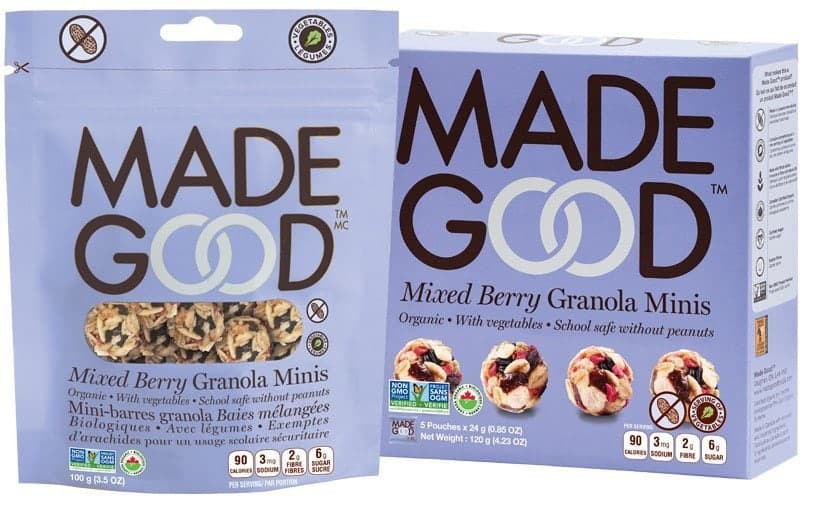
made good products grandfusion vegetables vitaminsAside from creating alternative protein sources, many food manufacturers are also joining the bandwagon of free-from foods. Free-from foods are those that do not contain a particular detrimental ingredient. These include gluten-free, dairy-free and allergen-free foods. Many food manufacturers produce these specialty food products for flexitarian consumers who suffer from certain conditions that can be triggered by the presence of “detrimental” foods.
The rise of the flexitarian diet has led many food manufacturing companies to launch new products. The number of launches that feature vegetarian claims has increased by more than 60% from 2011 to 2015. Products with vegan claims also rose to 4.3% from 2.8% from 2012 to 2014.

Consumer Food Market Trends Colliding 

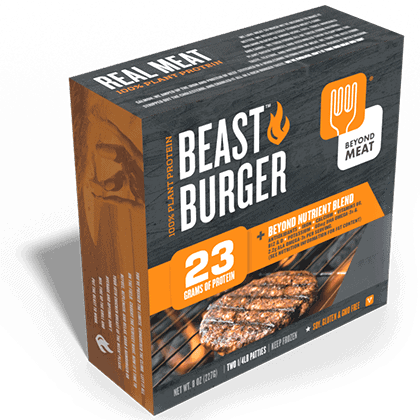
beyond meat nutrifusion natural vitamins fruit vegetablesIt seems the rise of the flexitarian is due to the collision of the health, nutrition, and wellness trends in the market. The “clean label” and “simple ingredients” trends fall in line with the demand from flexitarians. Many flexitarian consumers are now opting for products that are made from natural ingredients using natural processing methods.
For instance, the use of natural processing methods such as the cold-pressing of juices has also increased by 64% between 2011 and 2015. The same growth has been observed in products like chilled soups. Using natural processing methods has led many food companies to invest in new machinery and equipment to meet the demands of the consumers.

Plant-based protein and ingredients are booming, and it doesn’t look like they are slowing down anytime soon. Food companies should launch more new products that appeal to this 120 million consumer market over the next five years.

Inspired by prnewswire.com

https://nutrifusion.com/wp-content/uploads/2022/05/NutriFusion-Logo-New-1030x251.png 0 0 NF Admin https://nutrifusion.com/wp-content/uploads/2022/05/NutriFusion-Logo-New-1030x251.png NF Admin2016-08-17 15:54:402016-08-17 15:54:40Flexitarians: A Food Manufacturer’s New Best Friend

Simple Ingredients are Attracting Consumers to Natural Products

in Beverages & Drinks, Consumer Packaged Goods, Food Business, Health & Nutrition, Kid's Health, Supplements & Nutraceuticals

Many consumers are not only more health conscious but are also becoming more careful shoppers. While many consumers still don’t look at the label, a growing group is focused on natural food and beverage products with simple ingredients.

The Clean Label Trend

There is an increasing number of people opting for clean labels. A clean label is simplifying the list of ingredients in a particular food and beverage product. It is a guiding purchasing behavior for future consumers, but it is a challenging call for food manufacturers.

This particular trend follows the five-ingredient rule which means that products should contain fewer and more recognizable ingredients to become attractive to many consumers. As this trend has evolved over time, efforts have also been made by many food and beverage manufacturers to use simple ingredients, and ensure that the ingredients used are as natural as possible.

Natural Ingredients are Simple Ingredients in Consumer Minds

With a lot of food products marketed as containing natural ingredients, many consumers find it difficult to define what “natural ingredients” means. Unfortunately, many food products claiming to be natural either have legitimate claims or just use buzzwords. The agency responsible for the ingredients’ definitions is the Food and Drug Agency (FDA).

So what are natural ingredients? Food writer Michael Pollan defines such ingredients as those that consumers can easily pronounce and recognize. These ingredients should be as close to their natural form and should not be overly processed nor should they contain additives like dyes or artificial preservatives.

The Demand for Natural Food Products

Clean labels are very popular throughout the industry and the demand for simple ingredients is influencing the sales of many food and beverage products. Many believe this trend is the leading reason for the organic & natural foods industry projected growth to experience a 14% rise in its total sales by 2020.

Unfortunately, this trend has also produced a lot of confusion among the consumers. According to global consumer research firm Mintel, more than 37% of the consumers remains confused about the information indicated in food labels, while 38% are skeptical of the information provided by these companies.

The solution to this confusion is to uphold transparency within the food industry so that this trend will resonate with all consumers. But how do food companies maintain transparency? Aside from making food labels comprehensible by using simple language, companies must reformulate their products using natural ingredients. Instead of using artificial sweeteners, natural alternatives may be employed. Food manufacturing companies can also look into their packaging and opt for a more sustainable look, instead of using plastic or foil packs.

This trend provides a tremendous opportunity for brands to increase revenue but also to connect with consumers. The cherry on top is brands will be seen as more trustworthy if they adopt simple ingredients and create clean labels for their products.

Inspired by fooddive.com

https://nutrifusion.com/wp-content/uploads/2022/05/NutriFusion-Logo-New-1030x251.png 0 0 NF Admin https://nutrifusion.com/wp-content/uploads/2022/05/NutriFusion-Logo-New-1030x251.png NF Admin2016-08-15 10:18:492016-08-15 10:18:49Simple Ingredients are Attracting Consumers to Natural Products

Small Rivals Assaulting Big CPG Brands for Market Dominance

in Animal Nutrition, Beverages & Drinks, Consumer Packaged Goods, Food Business, Supplements & Nutraceuticals

Gone are the days when owners of traditional consumer packaged goods (CPG) brands can sleep well at night. With small brands gaining traction today, brands like Nestle, Procter & Gamble, General Mills and Unilever are experiencing problems they didn’t see coming. The rise and dominance of small brands between 2011 and 2015 caused large conglomerate food companies to lose nearly 3% of their market share in the United States.  In the study conducted by data provider IRI and Boston Consulting Group, emerging local competitors are now being considered as threats to big multinational companies.

The Rise of Smaller Competitors

Why are large CPG companies suffering from decline? Marketing experts believe that size has something to do with it. One of the challenges of giant companies is their centralized decision-making processes and their consolidation of manufacturing processes. With the popularity of the brands themselves, companies have to spend millions of dollars in advertising and shelf placements at retailers.

On the other hand, advertising is also changing through time. TV advertising is no longer effective according to Nik Modi from RBC Capital Markets. With the rise and relevance of social media, it has provided an avenue for small brands to market their products to many people. In fact, hundreds of small brands have benefited from the rise of e-commerce as online sales have increased over the past five years.

Fast-Changing Market for CPG Brands

Many multinational giants find it hard to keep up with the fast-changing market trends. For instance, many people tend to patronize local companies producing essential products.  Ali Dibadj of Sanford C. Bernstein research firm pointed out that in many developing countries, middle-income consumers assume that Western products are superior therefore expensive; instead, they opt for local products that are cheaper but are just as effective.

In China, for instance, the sale of a local toothpaste manufacturer Yunnan Baiyao Group rose from 10% to 45% which indicated that the small local brands are being patronized instead of the branded consumer packaged goods (CPG).

Another interesting thing about small brands is that most consumers trust small brands more than the established ones. In the survey conducted by consultancy firm Deloitte, 10% of the respondents said that they are willing to pay more for the “craft” or “artisan” version of products than the mass-produced ones from large enterprises. This is one of the reasons why there is a rise of small companies that market the idea of “artisan,” “craft,” and “organic.”

Small Brands Remain Competitive

The market situation has provided an excellent opportunity for smaller brands.  These brands have contributed to the introduction of new products in the market. In America, for instance, more than 4,000 craft brewers have emerged over the last ten years as well as thousands of small brands using real, organic, and non-GMO ingredients.

What are big companies doing to address the problem? Aside from merging with other big companies to create better versions of their products, many are also backing smaller rivals. For instance, companies like Campbell Soup and Hain Celestial have helped small consumer packaged goods companies to manufacture organic baby foods.

The market remains strong for giant CPG companies, but they will have to pay closer attention to their nimbler, smaller counterparts. We will see more and more companies acquire small brands to fill their voids in market trends.

Inspired by economist.com

https://nutrifusion.com/wp-content/uploads/2022/05/NutriFusion-Logo-New-1030x251.png 0 0 NF Admin https://nutrifusion.com/wp-content/uploads/2022/05/NutriFusion-Logo-New-1030x251.png NF Admin2016-08-12 09:19:532016-08-12 09:19:53Small Rivals Assaulting Big CPG Brands for Market Dominance

2016 American Consumer Snacking Trends

in Beverages & Drinks, Consumer Packaged Goods, Food Business, Kid's Health

Snacking is very popular among Americans. Most believe that snacks give them the energy to sustain their daily activities. Americans take snacks seriously and 75% of consumers place more importance on the health value of snacks than the taste.  In fact, the preference to healthy indulgence was reflected in the snack trends presented by the National Confectioners Association’s Sweet & Snacks Expo of 2016.

Hybrid Snacks

Hybrid snacks refer to those that are made from a combination of many ingredients like chips or meat snacks. During the expo, there was a rise in protein packed trail mixes that are made from meats and carbohydrates. Brands like Farmer’s Pantry, Tanka and Oberto have introduced hybrid snacks, and the general public has embraced. This type of snack trend has also led to the creation of unusual combinations like chocolate-covered meat jerky and pizza crust chips.

Fruit and Vegetables 

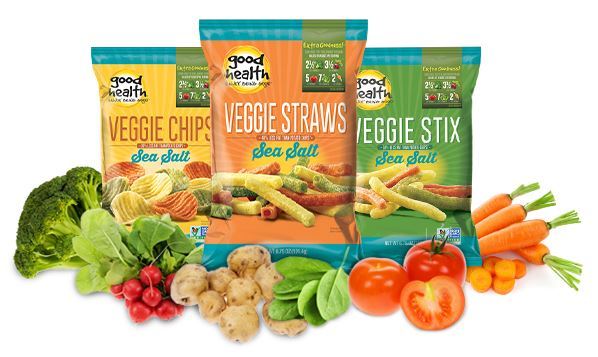
snacking on fruit and vegetables good health veggie straws nutrifusion grandfusion natural vitaminsSnacks that are based on fresh fruit and vegetables are very popular. These include the sweet dried or chocolate dipped fruits to the tasty veggie chips. Many consumers opt for fresh fruit and vegetable snacks because they are not only satisfying but also healthier than traditional snacks. Using an ingredient like GrandFusion nutrient blends gives brands the opportunity to add natural vitamins from fruit and/or vegetables without impacting the taste or texture of the snacks.


Emoji-Shaped Foods

Emoji-shaped snacks are preferred not because they are healthy but because they look attractive. The trend of snacking on emoji-shaped foods allows people to communicate their emotions without using words–just snacks. From Pez dispensers to emoji gummies, consumers will be able to express themselves with food.

Original Snacks

Eating old snacks like Hershey’s Kisses is nostalgic. One of the snack trends that seasoned food companies have adapted is to innovate their existing products. For instance, Cadbury created a new line of Crème Egg Cookies while Reese’s  and then collaborated with Hershey’s to create an ice cream topping. There is a need for popular brands to innovate to stay afloat in a competitive snack industry.

Global Flavors

Conventional snacks are made more interesting by infusing global flavors into them. Many food manufacturing companies incorporate new and exotic flavors to make their snacks interesting. For instance, Pop Art’s flavored popcorn features different flavors such as tandoori yogurt, nori sesame, and Thai coconut curry.

Snacking on Simple and Real Ingredients

With the high demand for snacks with clean labels, many food brands now feature simple ingredient lists that lack artificial colors and flavors. Most food companies also feature super food ingredients such as mulberries, goji berries, acai berries, and chia seeds. This particular snack trend caters to consumers who prefer to buy products made from natural ingredients. Although the price of healthy snacks is higher than conventional snacks, people consider it more bang for the buck.

Americans are snacking more than ever compared to the past few decades. The demand for new snacks from the consumers is driving many food companies to innovate and launch new products regularly. What will your next break-through snack be?

Inspired by mintel.com

https://nutrifusion.com/wp-content/uploads/2022/05/NutriFusion-Logo-New-1030x251.png 0 0 NF Admin https://nutrifusion.com/wp-content/uploads/2022/05/NutriFusion-Logo-New-1030x251.png NF Admin2016-08-10 08:56:082016-08-10 08:56:082016 American Consumer Snacking Trends
Page 35 of 41«‹3334353637›»

NUTRIFUSION®

GrandFusion® is a blend of fruits and/or vegetables that can significantly increase the nutritional profile and, therefore, the marketability of food, beverage, pet, and snack products.

Categories

  • Animal Nutrition
  • Beverages & Drinks
  • Consumer Packaged Goods
  • Corporate Partnerships
  • Corporate Updates
  • Featured
  • Food Business
  • Food Retail
  • GLP-1
  • Health & Nutrition
  • Infographics
  • Kid's Health
  • News
  • Press Releases
  • Product Announcements
  • Recipes
  • Supplements & Nutraceuticals
  • Uncategorized

ABOUT NUTRIFUSION®

NutriFusion® provides the nutrient-rich benefits of fruits and vegetables in everyday food products through whole non-GMO foods to create its concentrated micronutrient and phytonutrient-rich food ingredient blends.

Search NutriFusion

Search Search

SEAL OF AUTHENTICITY

NUTRIFUSION® CERTIFICATES

NutriFusion Cert Bar

Categories

  • Food
  • Beverages & Drinks
  • Pet Food
  • Nutraceuticals
  • Contact Us
  • Privacy Policy

© Copyright 2026 NutriFusion LLC | All Rights Reserved.

Scroll to top Scroll to top Scroll to top