
Vegetable Powder 101: Clean-Label Nutrition for Food and Drink Manufacturers
Clean-label and plant-forward demand is reshaping how food and drink manufacturers think about formulation. Vegetable powders have moved from niche ingredients to core tools for product innovation, now showing up in savory sauces, soups, smoothies, snack bars, and ready-to-drink beverages. They let teams add meaningful nutrition without the logistics of fresh produce or the consumer concerns that surround synthetic ingredients.
In this blog, we will explain how vegetable powder and fruit powder work, outline the market forces that push their sales upward, plus show how plain vegetable powders, plain fruit powders, and blends that contain both vegetables but also fruit help developers build the next wave of better-for-you foods.
Vegetable Powder Basics: What It Is and How It’s Made
Vegetable powder is made by dehydrating vegetables and milling them into a fine, shelf-stable ingredient. Producers use hot-air drying, spray drying, freeze drying, or other dehydration technologies to remove most of the water. Fruit powder follows a similar process and often begins with juices, purees, or whole fruit that are gently dried to maintain color, flavor, and key nutrients.
For manufacturers, these powders offer practical advantages. They are compact and easy to transport. They hold a long shelf life and help reduce waste when compared with fresh produce. Their concentrated format supports consistent dosing across dry mixes, liquid systems, and extruded foods, which helps streamline blending and quality control.
NutriFusion sources first-grade fruits and vegetables and converts them into powders that retain meaningful levels of micronutrients and phytonutrients for use in food, beverage, supplement, and pet food applications.
Market and Consumer Drivers for Vegetable and Fruit Powders
There is significant growth momentum within the global fruit and vegetable powder sector. By 2025, the global fruit and vegetable powder market is projected to be valued at more than US $19 billion, with steady growth expected through 2032. Vegetable powder ingredients alone are projected to reach roughly US $3.6 to $5.8 billion between 2025 and 2032, supported by an expected growth rate of 7% or higher.
Consumer behavior is a central force behind this momentum. Many shoppers prefer natural, plant-based ingredients that support overall wellness. Busy lifestyles encourage interest in convenient, shelf-stable nutrition.
Sustainability concerns also guide consumers toward value-added uses of the harvest, which include powders that help reduce waste. For manufacturers, these powders offer a scalable path to meet these expectations without relying solely on synthetic fortification.
Clean-Label Nutrition: Why Powders Fit Food and Drink Formulations

Clean-label now shapes how many consumers evaluate foods and drinks. They look for short ingredient lists, recognizable components, limited artificial inputs, and clarity about where ingredients come from and how they are processed.
Vegetable powder and fruit powder fit these expectations well. They can replace or complement synthetic vitamin premixes with real food ingredients that contribute natural color, flavor, and measurable nutrition in a single line item. When used at appropriate inclusion levels and in line with regulations, they may also support on-pack statements such as “with vitamins from fruits and vegetables.”
Our GrandFusion vegetable blends, fruit blends, and combined fruit and vegetable blends are plant-based, non-GMO, and contain no synthetic additives or preservatives. We help R&D teams strengthen the nutrition panel while keeping the ingredient deck clean and familiar.
Where Vegetable and Fruit Powders Can Add Value
Vegetable and fruit powder now appears across many core food and beverage categories. In beverages, they support solid drink mixes, smoothies, juices, and ready-to-drink formats, helping keep flavor and color close to fresh produce while avoiding pulp separation and cold-chain pressure.
In bakery and snack items such as cakes, biscuits, breads, bars, and extruded snacks, powders contribute appealing color, aroma, taste, and added nutrition in a format that is easy to scale. Sauces, soups, ready meals, and baby foods use vegetable powder as a concentrated, easy-to-dose base that supports consistent formulation.
Our GrandFusion blends are used in similar ways in plant-based meats, baked goods, pasta, cereal, yogurt, frozen foods, nutrition bars, and topical seasonings, giving R&D teams a clear path to integrate vegetable blends and fruit blends into familiar products.
Inside NutriFusion Vegetable and Fruit Powder Blends

We develop partnerships with manufacturers and provide products built around targeted ingredient systems that deliver nutrition and help solve formulation challenges. Our proprietary method for stabilizing our products allows us to give the manufacturers powdered forms of the vitamins and minerals contained in whole foods, while helping to preserve the bioavailability associated with those foods.
Through our GrandFusion product line, we provide custom, targeted solutions for a variety of nutritional and application goals, including:
- 6 Nutrient Vegetable Blend (NF-2770): Based on spinach, broccoli, sweet potato, and other vegetable sources, this blend can be used in savory foods or when a fruit-forward flavor is not preferred.
- 6 Nutrient Fruit Blend (NF-2771): Made from oranges, bananas, papaya, and other fruits, this blend offers a complementary fruit flavor and is ideal for use in sweet food applications.
- Comprehensive Fruit & Vegetable Blends: Our 6-Nutrient, 12-Nutrient, and 21-Nutrient blends offer a variety of vitamins and minerals derived from actual foods by combining fruits and vegetables.
In order to guarantee that every product development project has a useful, clean-label ingredient to satisfy the needs of its target consumers, we also offer specialized solutions for particular needs, such as B-complex vegetable blends and pet food blends.
R&D Considerations for Clean-Label Vegetable Powders
R&D teams that work with vegetable powder or vegetable blends need a clear framework before moving into pilot runs. Key questions include:
- Nutritional Target: Which vitamins and minerals should the product deliver, and at what percent daily value for your positioning, whether everyday wellness, active lifestyles, or family nutrition?
- Processing Conditions: How will baking, extrusion, pasteurization, shear, or low pH affect nutrient retention? GrandFusion powders are engineered to tolerate typical manufacturing without heavy overages.
- Sensory Impact: Will the blend keep taste, texture, and mouthfeel consistent in established SKUs and delicate flavors?
- Shelf Life and Stability: Can fruit and vegetable powders help support product stability and a two-year or longer shelf life through inherent antioxidants?
At NutriFusion, we work with R&D teams to tune fruit blends, vegetable blends, and combined systems so that formulation, label claims, and clean-label goals stay aligned.
Turn Vegetable Powders Into Your Next Clean-Label Advantage
Vegetable powders have seen major growth as the market shifts toward healthier foods that emphasize credible, convenient ingredients. This creates a strong opportunity for food manufacturers to develop products that reflect consumer interests and position traditional processed foods as a source of real nutrition.
GrandFusion® offers you a straightforward way to attain this benefit. Our collection of vegetable blends, fruit blends, and combined fruit and vegetable blends offers you a dependable, clean-label ingredient source with minimal unnecessary processing.
Adding one of our clean-label blended ingredients to your next formulation can provide benefits such as elevating your nutrition label, streamlining your ingredient statement, and preserving the taste and feel of your product that your consumers love.
Explore NutriFusion®’s GrandFusion® Nutrient blends to turn clean-label vegetable powders into your next product advantage.
NutriFusion
NutriFusion develops all‐natural fruit and vegetable powders that are nutrient-dense, for when you do not have access to fresh produce, and even when you do, to improve your vitamin intake. Sourcing only whole, non-GMO foods, NutriFusion offers consumers a concentrated micronutrient and phytonutrient-rich food ingredient blend. With a farm-to-table philosophy, NutriFusion’s proprietary process stabilizes the nutrients from perishable fruits and vegetables, allowing a longer shelf life and access to vital nutrients.
NutriFusion fruit and/or vegetable powders are for use in foods, beverages, supplements, and pet foods. NutriFusion can help! Visit us at www.nutrifusion.com.
References
- SolutionBuggy. 2024. “A Detailed Guide for Launching Your Fruit and Vegetable Powder Business.” SolutionBuggy Blog, April 5. Retrieved December 8, 2025 (https://www.solutionbuggy.com/blog/fruit-and-vegetable-powder-manufacturing-business).
- Persistence Market Research. 2025. “Fruit And Vegetable Powder Market Size And Trends.” Press release, September 2. Retrieved December 8, 2025 (https://www.persistencemarketresearch.com/press-release/fruit-and-vegetable-powder-market-size-and-trends.asp).
- Fact.MR. 2024. “Fruit and Vegetable Powder Market Outlook (2024 to 2034).” Industry report. Retrieved December 8, 2025 (https://www.factmr.com/report/fruit-and-vegetable-powder-market).
Fitaky. 2022. “Market of Fruit Powder.” News, Fitaky.com. Retrieved December 8, 2025 (https://www.fitaky.com/news/fruit-juice-powder.html).
Inside Nutraceuticals: How Plant-Based Nutrition Is Shaping the Future of Food and Beverage
The modern grocery store now features a wide range of nutraceutical products, from protein waters and energy shots to botanical gummies and fortified, shelf-stable plant-based beverages.
This shift reflects rising demand for nutraceuticals and functional foods, as consumers look for convenient ways to support health through everyday choices. At the same time, manufacturers must balance innovation with regulatory compliance, clean label expectations, and real nutritional value.
In this blog, we’ll define nutraceuticals, examine plant-based functional food ingredients, review key regulatory and clean label considerations, and show how NutriFusion blends support next-generation food and beverage development.
What Are Nutraceuticals and Functional Foods?
Nutraceuticals are products made from natural food sources, usually in more concentrated forms (extracts or formulations), which are created to support health and wellness beyond the typical benefits of basic nutrition. Nutraceuticals are available in many different forms (capsules, powders, drinks, and fortified foods), and are marketed as solutions to particular nutritional requirements. Research indicates that nutraceuticals are unique products that fill the gap between conventional nutrition and supplements. However, there is a wide variance in regulatory definitions of nutraceuticals.
Functional foods are a type of food that offers a variety of health benefits. Functional foods include whole foods that are naturally high in bioactive compounds, as well as foods that have been engineered to contain additional ingredients (such as plant sterols, fiber, omega-3 fatty acids, and vitamins) in order to promote certain health objectives. Examples of functional foods range from common fortified cereal products to complex, innovative products such as ready-to-drink functional beverages containing bioactive ingredients.
Since there is no single definition for these two terms, producers should use a disciplined approach to claims, formulation, and transparency. NutriFusion provides fruit and vegetable blends that are rich in phytonutrients and micronutrients to be used as functional ingredients by manufacturers’ research and development teams in the creation of supplements, beverages, foods, pet food, and fortified products.
Why Plant-Based Nutraceuticals Are Surging
As a leading segment of the world’s nutraceuticals industry, plant-based nutraceuticals are shaped by a variety of global macro trends influencing this fast-growing area of product development.
According to a quantitative data report, the majority of consumers continue to show interest in using food to support a healthy lifestyle, and they are looking for foods they can trust as “real,” backed by certified ingredients that meet their expectations of quality. As a result, there has been an increase in the availability and demand for new plant-based functional food ingredients such as botanicals, prebiotics, probiotics, proteins, and other bioactive constituents, many of which are derived from plants.
As more consumers pursue dietary lifestyles such as veganism or flexitarianism, or seek to avoid certain allergens, food manufacturers are forming partnerships to create products made from fruits, vegetables, botanicals, and other plant-based ingredients. In addition, research also shows a steady upward trend in plant-forward product innovations that extend from beverages and snack bars to supplements and dairy alternatives.
NutriFusion directly participates in this overall trend toward plant-based foods with GrandFusion blends, nutrient-dense, plant-based powders from fruits and vegetables that are formulated to be bioactive, bioavailable, and ideal for delivering clean-label nutrients in nutraceutical applications.
How Plant-Based Nutraceuticals Are Reshaping Food and Beverage

The application of plant-based nutraceuticals is expanding into many new mainstream product categories beyond just pills and powders. A growing number of products created using plant-based nutraceutical concepts can be found in the following categories:
- Functional Beverages: Enhanced waters, refrigerated juices, ready-to-drink teas, and milk products (dairy and plant-based) fortified with vitamins, minerals, fibers, and botanicals.
- Better-for-you Snacks and Cereals: Products with antioxidants, plant-based proteins, micronutrients, and fiber.
- Hybrid Supplement Formats: Gummies, shots, chews, gels, drink mixes, and squeeze pouches, all of which bridge supplements and food products.
These new formats have become more user-friendly and increasingly credible in the eyes of consumers. NutriFusion has invested in plant-based nutrient solutions for foods, beverages, nutraceuticals, and pet nutrition to meet the demand for a wide variety of product formats.
Through work with supplement and nutraceutical brands, NutriFusion’s GrandFusion blends are used in capsules, gummies, powders, drink mixes, tablets, and liquid applications, all of which leverage the same concentrated nutrients sourced from fruits and vegetables.
Functional Food Ingredients: From Concept to Toolkit
Functional food ingredients are bioactive components that provide additional benefits beyond basic macro- and micronutrient content. Some researchers identify examples such as plant proteins, vitamins, minerals, phytochemicals, and probiotics, among others. Each of these ingredients may be associated with specific physiological benefits.
Rather than creating products consisting of single “hero” compounds, many nutraceutical brands now use combinations of micronutrients and phytonutrients together with supportive matrices such as healthy fats and dietary fiber. This production strategy may help improve overall product performance while also enhancing consumer confidence.
Our work at NutriFusion has evolved along these lines. The GrandFusion 6, 12, and 21 nutrient blends, which include B-complex nutrients and formulations specifically designed for pets, have been developed to deliver concentrated fruit- and vegetable-derived vitamins that support versatile, broad applications. In addition, the GrandFusion blends are designed to endure the rigors of manufacturing, remain stable through processing, and can provide a meaningful percentage of the Daily Value in small dosages.
As the flavor and performance characteristics of food and beverages are critical, our R&D teams have specifically formulated our ingredients to minimize the impact on taste and functionality. Micronutrient systems based on plant sources are no longer occasional additions to product formulations. R&D teams now treat plant-derived micronutrient systems as part of their standard toolkit, just as they would protein solutions or prebiotic fibers. The ability to utilize these formulations allows brands to produce food products that comply with clean-label requirements while providing high-quality nutrition.
Clean Label Nutrients and Consumer Trust
The clean label movement is reshaping the nutraceuticals market, with multiple consumer research studies showing that consumers want:
- Short ingredient lists that are easy to understand.
- Ingredients they are familiar with and can recognize at first glance.
- Very few or no artificial additives.
- Clear and precise information about the sourcing and processing of the ingredients.
These changing attitudes toward nutraceuticals and functional foods are leading many manufacturers to shift away from synthetic additives and preservatives toward naturally occurring antioxidants, bioactive plant materials, and nutrient systems that qualify as clean-label nutrients.
At NutriFusion, we have designed our GrandFusion blends to meet these consumer expectations by providing our customers with:
- Nutrients that come from plants.
- No synthetics, artificial additives, or preservatives.
- Non-GMO whole food sources.
- Simple ingredient statements made only from fruits and vegetables.
The GrandFusion product line improves both the nutrition facts panel and the ingredient deck, allowing manufacturers to create clean-label products that meet the expectations of today’s consumers. Clean label nutrients are no longer just “nice to have”; they are increasingly viewed as “must-have” for manufacturers that want to lead their categories in the future.
R&D Roadmap for Next-Generation Plant-Based Nutraceuticals

For R&D teams working with nutraceuticals, the first step is to define a clear benefit platform, such as energy and focus, immune support, healthy aging, or everyday wellness, and to ground it in credible evidence rather than disease-treatment promises. R&D teams then select functional food ingredients and clean-label nutrients that match this platform, favoring whole-food-derived vitamin systems, fibers, and other plant-based bioactives.
The next stage focuses on stability and sensory performance, looking at processing conditions, overages, and interactions with other ingredients. Labels and claims should align with regulatory guidance and internal risk tolerance, using transparent, consumer-friendly language.
NutriFusion supports this roadmap through GrandFusion blends and custom R&D collaboration that help brands integrate plant-based nutraceuticals efficiently into new and existing SKUs. This approach helps turn plant-based nutraceuticals into scalable, clean-label nutrition systems.
Partnering to Build the Future of Plant-Based Nutraceuticals
NutriFusion® focuses on whole-food, plant-based nutrient blends for clean-label nutraceutical products and highlights ingredients supported by published scientific evidence and regulatory documentation.
NutriFusion® provides manufacturers with the tools they need to improve nutritional content and increase the marketability of their food, beverage, supplement, and pet products while remaining consistent with a non-GMO, plant-based, and synthetic-free philosophy.
Explore NutriFusion®’s Supplements & Nutraceuticals Solutions to bring real plant-based nutrition into your next product.
NutriFusion
NutriFusion develops all‐natural fruit and vegetable powders that are nutrient-dense, for when you do not have access to fresh produce, and even when you do, to improve your vitamin intake. Sourcing only whole, non-GMO foods, NutriFusion offers consumers a concentrated micronutrient and phytonutrient-rich food ingredient blend. With a farm-to-table philosophy, NutriFusion’s proprietary process stabilizes the nutrients from perishable fruits and vegetables, allowing a longer shelf life and access to vital nutrients.
NutriFusion fruit and/or vegetable powders are for use in foods, beverages, supplements, and pet foods. NutriFusion can help! Visit us at www.nutrifusion.com.
References
- Chauhan, Kanika, and Alka Rao. 2024. “Clean-Label Alternatives for Food Preservation: An Emerging Trend.” Heliyon 10(16):e35815. https://doi.org/10.1016/j.heliyon.2024.e35815.
- Cencic, Avrelija, and Walter Chingwaru. 2010. “The Role of Functional Foods, Nutraceuticals, and Food Supplements in Intestinal Health.” Nutrients 2(6):611–625. https://doi.org/10.3390/nu2060611.
- Fekete, Mónika, Andrea Lehoczki, Agata Kryczyk-Poprawa, Virág Zábó, János Tamás Varga, Madarász Bálint, Vince Fazekas-Pongor, Tamás Csípő, Elżbieta Rząsa-Duran, and Péter Varga. 2025. “Functional Foods in Modern Nutrition Science: Mechanisms, Evidence, and Public Health Implications.” Nutrients 17(13):2153. https://doi.org/10.3390/nu17132153.
- Innova Market Insights. 2025. “Functional Ingredients Trends: Global Market Overview.” Innova Market Insights (Report), August 10. Retrieved December 8, 2025 (https://www.innovamarketinsights.com/trends/functional-ingredients-trends-global-market-overview/).
- Kalsec, Inc. n.d. “Discover the Power and Benefits of Clean Label Food Preservation.” Kalsec website. Retrieved December 8, 2025 (https://www.kalsec.com/natural-food-protection/insights/clean-label-food-preservation).
- McClements, Isobelle Farrell, and David Julian McClements. 2023. “Designing Healthier Plant-Based Foods: Fortification, Digestion, and Bioavailability.” Food Research International 169:112853. https://doi.org/10.1016/j.foodres.2023.112853.
- Pandey, Ashish, Fozia Kamran, Manisha Choudhury, Li Li, Mohammad Shafiur Rahman, and Malik Altaf Hussain. 2025. “Omega-3 Fatty Acid Fortification of Plant-Based Beverages to Enhance Their Nutritional Profile.” Foods 14(9):1602. https://doi.org/10.3390/foods14091602.
- Vignesh, Arumugam, Thomas Cheeran Amal, Ariyan Sarvalingam, and Krishnan Vasanth. 2024. “A Review on the Influence of Nutraceuticals and Functional Foods on Health.” Food Chemistry Advances 5:100749. https://doi.org/10.1016/j.focha.2024.100749.
Superfood Science: How Real Fruits and Vegetables Are Redefining Processed Foods
Superfood is one of the new buzzwords currently populating everything from cereals and granola bars to snack packs and beyond. With an emphasis on health, the term “superfood” has created confusion for consumers.
Does “superfood” mean something, or is “superfood” just a marketing term? How can brands use the phrase “superfood” responsibly while navigating stricter regulations and a consumer shift away from ultra-processed foods?
In this blog, we will explain what superfood means, what makes some claims legitimate, and how the new generation of processed foods created through the use of plant-based nutrient powders can support superfood health benefits and overall nutrition.
What Are Superfoods?
The term “superfood” has no formal scientific or regulatory definition. In most cases, it signals that a food offers meaningful health benefits and delivers a high level of nutrients within a relatively low-calorie profile. In everyday use, the idea of a superfood usually points to whole, mostly plant-based foods known for their nutrient density.
Common lists highlight familiar categories such as berries, leafy greens, cruciferous vegetables, nuts, seeds, and fermented foods. At NutriFusion, we share the view that the truly “super” qualities of fruits and vegetables come from the natural matrix of bioavailable nutrients found in real produce.
It is also important to remember that no single food creates overall wellness. Lasting benefits come from eating a wide variety of fruits and vegetables.
The Science Behind Superfood Health Benefits
Superfood marketing is based more on science than on publicity. Despite the fact that the term is frequently used in marketing, many foods that are marketed as superfoods actually contain high concentrations of important nutrients.
Nutrient Density and Bioactive Compounds
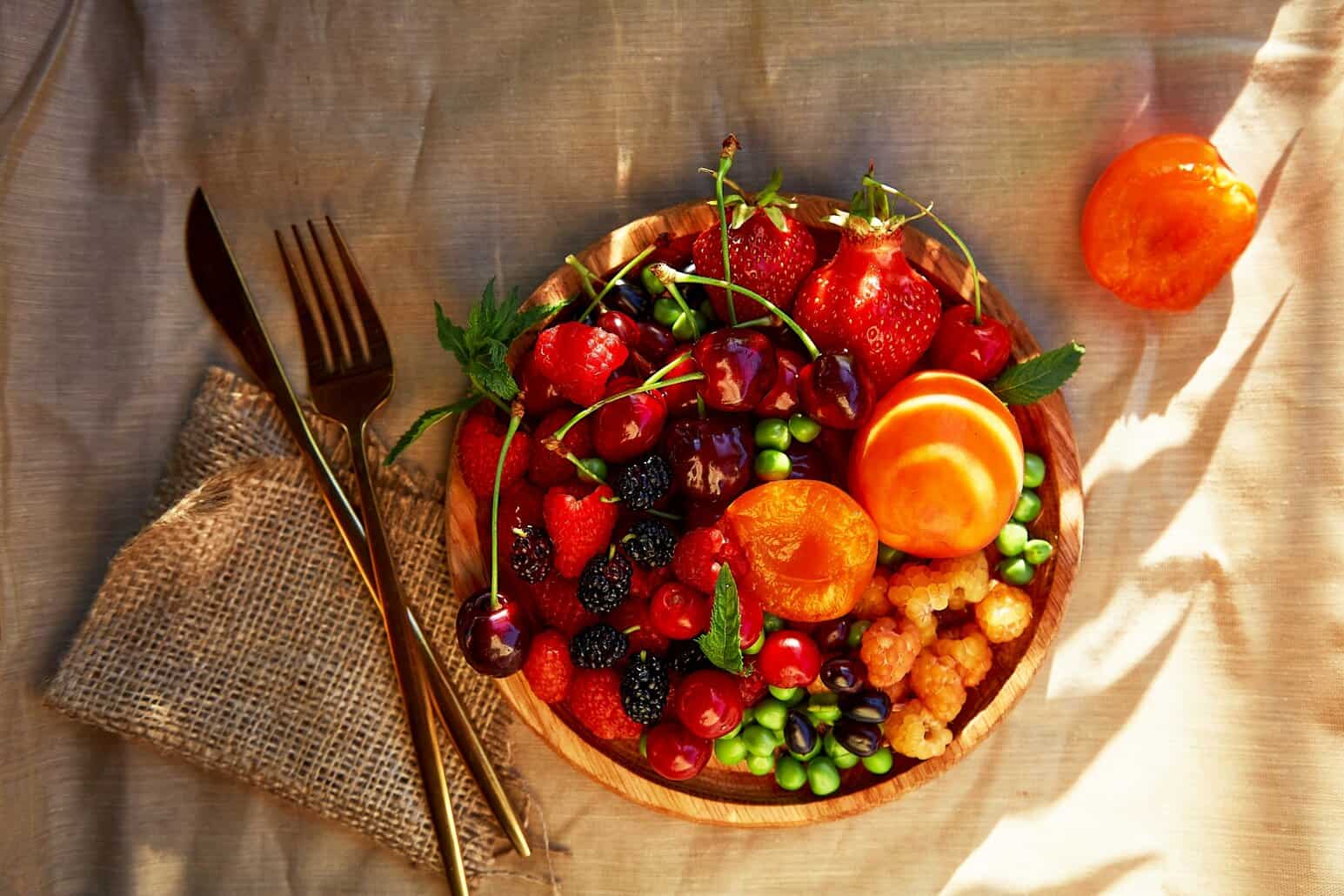
People often group superfoods together because they are whole foods that are very nutritious. Many of them have important vitamins like A, C, and E, as well as minerals like iron and potassium. They also contain bioactive compounds like polyphenols and flavonoids that may help neutralize free radicals.
Research suggests these foods may support anti-inflammatory pathways and contribute to gut and metabolic health through fiber and, in some cases, healthy fats. What sets them apart is the natural bioavailability of these nutrients when consumed in their whole-food form.
Evidence vs. Marketing Hype
Nutrition experts agree that the term superfood is largely a marketing label, and many claims attached to it are overstated. The European Union even limits the use of the word on packaging unless a health claim is supported by evidence, which reflects growing regulatory caution.
Most of the benefits linked to superfoods come from diets that regularly include a broad range of fruits and vegetables rather than a single high-profile ingredient. For manufacturers, the real opportunity is to rely on plant-based nutrients supported by science instead of leaning on hype.
Why Superfoods Matter in a Processed Food World
Ultra-processed foods make up a significant share of the modern diet and often supply calories without the micronutrients people need. This gap is one reason the idea of superfoods continues to resonate. Consumers want convenient products that still support everyday health goals such as steady energy, immune support, and long-term wellness.
Manufacturers feel the pressure to meet these expectations while staying within clean label standards and providing evidence-backed information that satisfies regulators and informed shoppers. This tension creates a clear opening for innovation. When processed foods are formulated with concentrated nutrients from fruits and vegetables, they can deliver meaningful improvements in nutritional quality instead of relying on marketing language alone.
How Real Fruits and Vegetables Upgrade Processed Foods
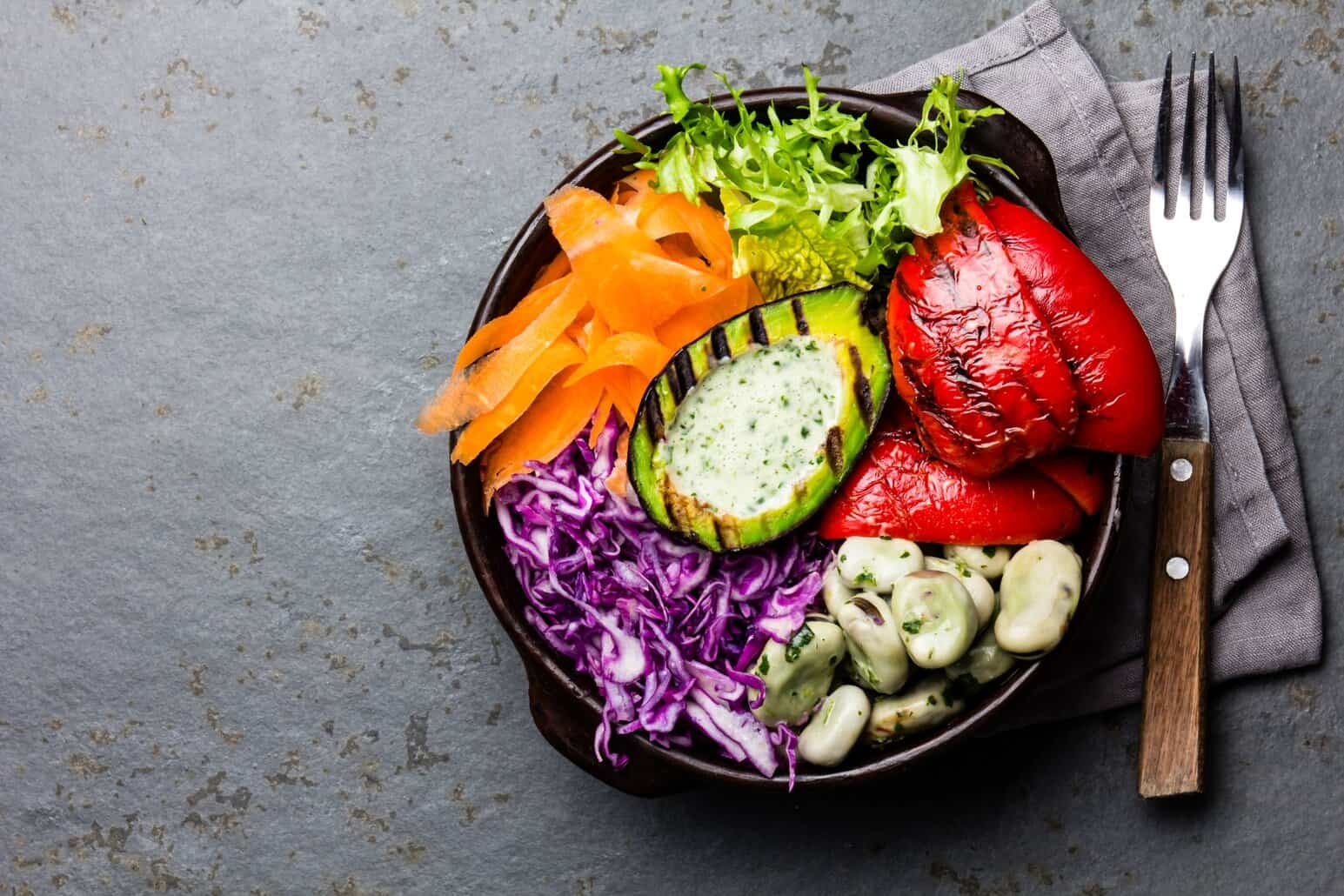
Manufacturers can bring superfood functionality into packaged foods and beverages without compromising taste, texture, or shelf life by using advanced whole food-derived ingredient technologies.
NutriFusion’s powdered superfood ingredients are made from high-quality fruits and vegetables and processed through a proprietary stabilization method that helps preserve vitamins, minerals, and phytonutrients. Hence, they remain stable and useful in finished products.
GrandFusion blends reflect this functional approach. These powdered fruit and vegetable ingredients can elevate the nutritional profile of foods, beverages, supplements, and pet foods while supporting clean label expectations. For example, a snack can gain additional nutrients and antioxidants, and a beverage can include real-food vitamins and minerals in a convenient, shelf-stable format. Because GrandFusion does not affect taste, flavor, or texture, manufacturers can improve nutrition without costly reformulations.
Practical Directions for Food, Beverage, Supplement, and Pet Food R&D
R&D teams often begin by defining the superfood story they want their product to communicate. This could emphasize plant-based nutrition, antioxidant support, or a direct connection to actual fruits and vegetables. Teams can choose the best NutriFusion’s GrandFusion blends, which range from 6, 12, and 21 nutrient profiles to B complex and pet-focused options, after that objective is established.
Planning for formulation should take into consideration:
- Thermal stability: GrandFusion blends are designed to withstand baking and extrusion.
- Impact of flavor and color to guarantee that the finished product fits the desired sensory profile.
- Regulations to verify that claims that are compliant are supported by additional nutrients.
NutriFusion also provides custom superfood powder blends that allow teams to select specific fruits, vegetables, and micronutrient compositions for targeted product development.
Turning Superfood Science Into Real Food Nutrition
There is enormous marketing power associated with the term superfood. Still, the future of superfoods will ultimately be driven by science. Superfoods have no magical ingredient that provides the real value; rather, the real value in superfoods comes from consuming a wide variety of fruits and vegetables that have been proven to provide documented levels of bioavailable nutrition.
Brands in the food, beverage, supplement, and pet industries that want to be at the forefront of food innovation need to take an approach that goes beyond the hype of traditional superfoods and develop the next generation of processed foods based on clean-label plant-based nutrient systems.
NutriFusion® has been created to provide the framework for taking the cutting-edge science of superfoods and converting it into real, marketable products, providing honest-to-goodness nutrition to people all over the world.
Explore NutriFusion® Custom Superfood Powder Blends to upgrade your products with clean, concentrated nutrition.
NutriFusion
NutriFusion develops all‐natural fruit and vegetable powders that are nutrient-dense, for when you do not have access to fresh produce, and even when you do, to improve your vitamin intake. Sourcing only whole, non-GMO foods, NutriFusion offers consumers a concentrated micronutrient and phytonutrient-rich food ingredient blend. With a farm-to-table philosophy, NutriFusion’s proprietary process stabilizes the nutrients from perishable fruits and vegetables, allowing a longer shelf life and access to vital nutrients.
NutriFusion fruit and/or vegetable powders are for use in foods, beverages, supplements, and pet foods. NutriFusion can help! Visit us at www.nutrifusion.com.
References
- Hill A. 16 Superfoods That Are Worthy of the Title. Healthline. Published October 30, 2023. Accessed February 2025. https://www.healthline.com/nutrition/true-superfoods
- Ware M. Superfoods: Health benefits, uses, and risks. Medical News Today. Published January 7, 2019. Accessed February 2025. https://www.medicalnewstoday.com/articles/303079
- Cobos Á, Díaz O. “‘Superfoods’: Reliability of the information for consumers available on the web.” Foods. 2023;12(3):546. https://www.mdpi.com/2304-8158/12/3/546
Vitamin K2 in Foods: The Powerful Micronutrient Most People Overlook
We often talk about calcium and vitamin D, but the nutrient that directs where calcium ultimately goes, vitamin K2, is usually overlooked. Emerging research indicates that K2 may support strong bones and flexible blood vessels, yet many diets provide too little of it, particularly as processed and plant-based eating patterns increase.
In this blog, we’ll explain what vitamin K2 is, highlight which foods provide it, clarify why natural vitamin K matters in formulation, and outline how we at NutriFusion support manufacturers with plant-based vitamins from whole food sources.
Vitamin K2 101: The “Other” Vitamin K Most People Ignore
Even though vitamin K appears on most nutrition labels, its different forms are not always explained clearly. That is why many people understand K1 but have never heard of K2, even though the two forms play very different roles in the body. Before we explore food sources or potential benefits, it is helpful to clarify what sets vitamin K2 apart.
Vitamin K is a family of vitamins, not just one.
- Vitamin K1 (phylloquinone) is found in leafy greens and is essential for blood clotting.
- Vitamin K2 (menaquinones), including MK-4 and MK-7, is found in fermented and animal foods and is associated with calcium regulation and long-term tissue health.
At NutriFusion, we note that plant-based K1 from greens is readily accessible and safe for consumption, and the body can convert some of it into K2 when needed, which makes it valuable in clean-label formulations.
Still, most consumers never see “vitamin K2” on labels, because nutrition panels simply list vitamin K, which can make the different roles of each form less clear. Brands that clearly communicate their real food vitamin sources can gain a meaningful transparency advantage.
How Vitamin K2 Helps Bones Stay Strong, and Arteries Stay Flexible
Once we understand what vitamin K2 is, the next step is looking at how it functions in the body. K2 plays a behind-the-scenes role that directly affects two major areas of long-term health: bone density and cardiovascular function. Its role in supporting calcium distribution is one reason K2 is so essential and often overlooked.
How K2 Supports Bone Mineralization
K2 helps activate osteocalcin, a protein involved in binding calcium to bone. When K2 works with vitamin D and calcium, it may help support bone mineralization and long-term bone strength.
How K2 Supports Arterial Flexibility
K2 also helps activate matrix Gla protein (MGP), which is associated with maintaining healthy arterial flexibility and limiting unwanted calcium buildup.
Despite these important functions, K2 is often overshadowed by nutrients like calcium or vitamin D. For brands developing functional foods, considering whole-food patterns of K, D, and other vitamins supports more comprehensive, evidence-informed nutrition strategies.
Where Vitamin K2 Shows Up on the Plate
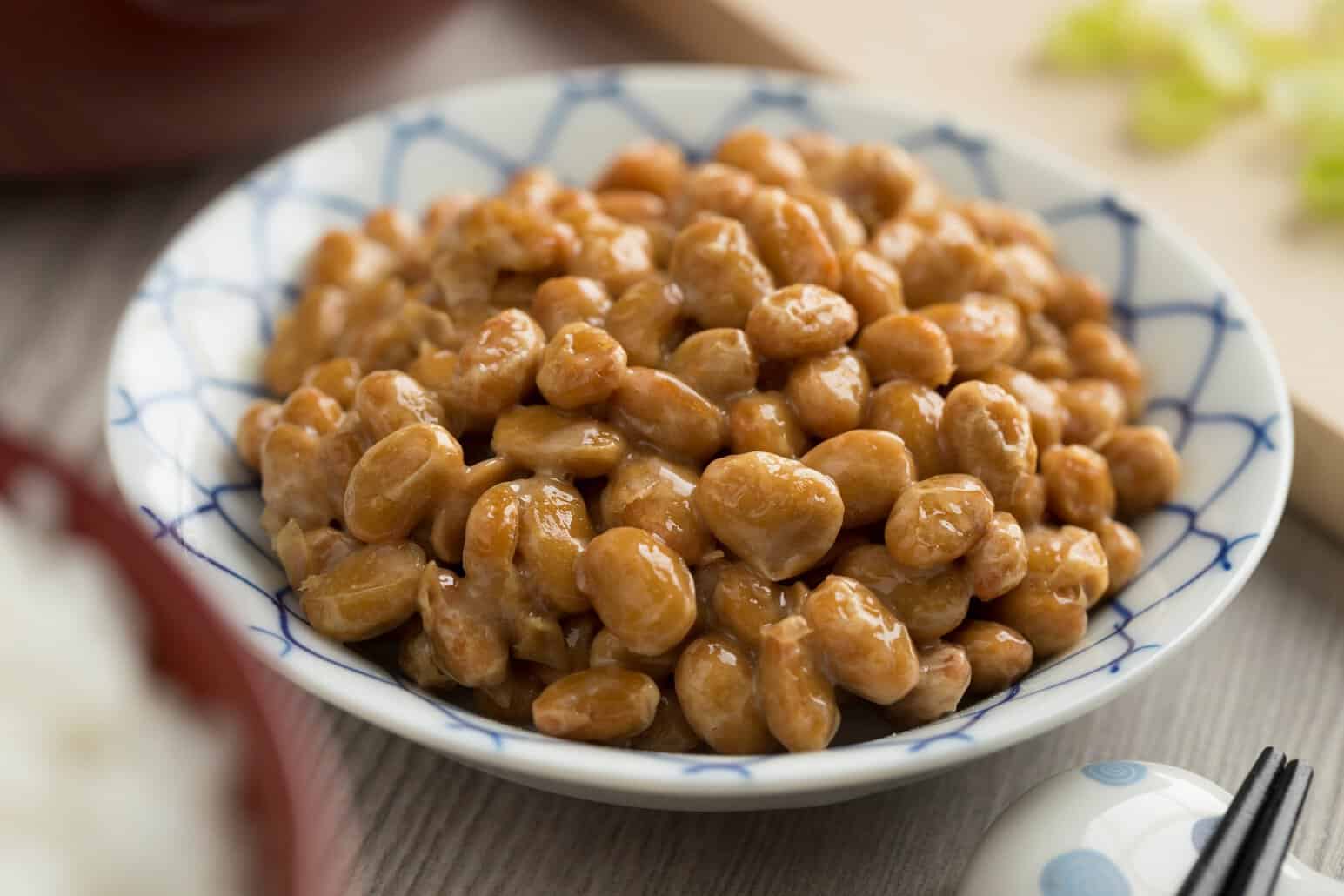
Knowing the importance of vitamin K2 naturally raises the question of where it appears in everyday foods. Unlike K1, which appears widely in leafy greens, K2 is concentrated in only a handful of foods. That limited distribution is one of the main reasons many modern diets fall short.
Fermented Foods
Fermented foods offer some of the highest concentrations of vitamin K2 available. Their nutrient density makes them valuable for formulators who want real food sources of essential vitamins.
- Natto (top source of MK-7)
- Aged cheeses
- Sauerkraut
These foods pack strong nutrition and strong flavors, which may limit their popularity.
Dairy and Eggs
Cheese, yogurt, butter, and egg yolks contain modest amounts of K2, along with calcium and protein. These are widely consumed but vary in fat and sodium, so balance matters.
Meats and Organ Foods
Beef liver and certain cuts contain K2. But as people shift toward plant-based eating, these foods are eaten less often, which may contribute to lower K2 intake. This is where whole food vitamin K solutions, including plant-based K1, can become valuable tools for manufacturers.
With only a handful of foods providing meaningful amounts of K2, brands have a strong opportunity to improve product nutrition by turning to whole food vitamin ingredients that support clean-label goals.
Why Vitamin K2 Is Easy to Miss in Modern Diets
K2-rich foods such as organ meats or natto are not common in many modern diets, particularly within Western or plant-forward eating patterns.
Ultra-processed foods generally provide little natural vitamin K unless they are fortified. Leafy greens that supply K1 are more common, although the body’s conversion of K1 to K2 varies among individuals.
This pattern can create a nutritional gap that manufacturers can address with clean-label, whole-food vitamin blends from NutriFusion, which help support natural vitamin intake without synthetics.
Natural Vitamin K vs. Synthetic Fortification: What R&D Teams Need to Know
For manufacturers formulating better-for-you products, vitamin K brings a unique challenge. It can be added synthetically, or it can come from whole food, plant-based sources, and consumers increasingly care about the difference. Understanding these two approaches is essential for brands aiming for clean label credibility.
Food formulators typically rely on two vitamin K pathways:
1. Synthetic Vitamin Additives
Manufacturers often compare different sourcing options when building a nutritional profile. Understanding how synthetic additions behave in finished products helps set clear expectations.
- Chemically isolated vitamin compounds
- Functionally useful but less aligned with clean label preferences
These additives remain common in many formulations, yet they do not always match evolving consumer expectations for natural and transparent nutrition.
2. Whole-Food, Plant-Based Vitamins
Formulators looking for a cleaner ingredient statement often explore natural vitamin sources. Whole food ingredients offer an approach that connects product performance with label transparency.
- Delivered through fruit and vegetable concentrates such as GrandFusion®
- Support clean label and no synthetics goals
- Allow labels that highlight recognizable ingredients like spinach or broccoli
This approach gives manufacturers a way to strengthen nutritional profiles while keeping ingredient lists familiar and consistent with clean label priorities.
Even though natural K2 sources are mostly animal-based, developers can strengthen vitamin K profiles with plant-derived K1, which the body may convert to K2 as needed, supporting both nutritional goals and consumer expectations.
How NutriFusion Delivers Plant-Based Vitamin K From Whole Foods
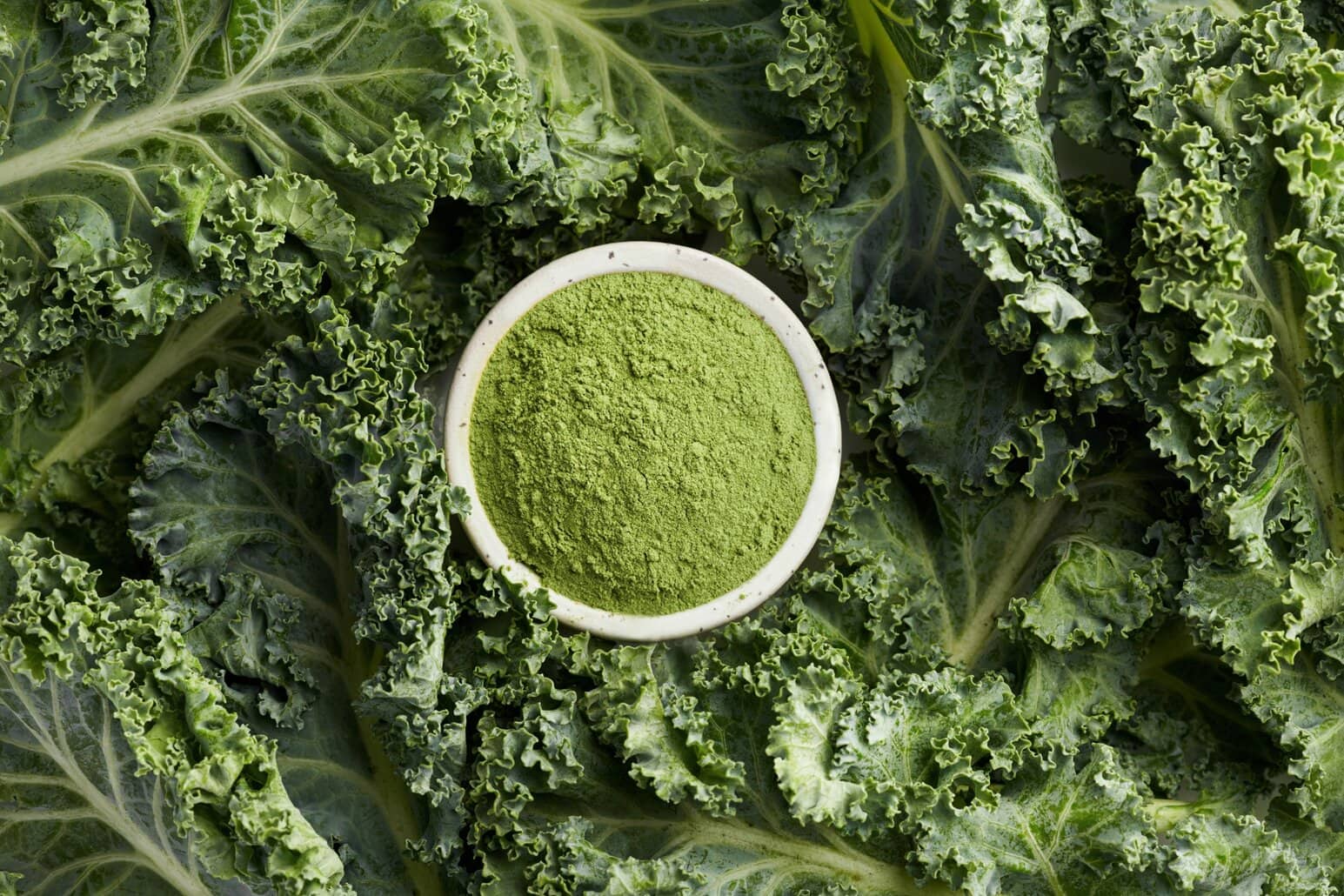
NutriFusion® develops GrandFusion® nutrient blends made entirely from whole fruits and vegetables.
- The 12 Essential Vitamins Blend (NF-2782) provides about 50% of the daily value of vitamin K1, along with vitamins A as beta carotene, C, D2, E, and several B vitamins, in a single 225 mg serving made from ingredients such as spinach, broccoli, carrot, and sweet potato.
- The 21 Vitamin & Mineral Blend (NF-82333) provides 100% of the daily value of vitamin K1 along with a broad panel of vitamins and minerals in a blend made from plant-based ingredients such as broccoli, spinach, kale, pumpkin, sweet potato, and other botanicals.
These blends help manufacturers deliver a real food nutrition story grounded in transparency, clean label principles, and whole plant ingredients.
From Overlooked Micronutrient to Clean-Label Advantage With NutriFusion
Vitamin K2 may not receive as much attention as other well-known nutrients, yet its role in supporting bone and heart health makes it increasingly relevant for modern product development. As consumers look for nutrient-rich and synthetic-free foods, K2 and plant-based vitamin solutions create a meaningful path for brands that want to deliver real food nutrition.
Using GrandFusion® plant-based blends gives manufacturers a practical way to support products positioned for bone and cardiovascular health by incorporating key vitamins such as K1, D2, and other essential nutrients from whole fruits and vegetables. These blends also make it easier to meet clean label expectations with no synthetics while maintaining ingredient transparency. By relying on real food sources, manufacturers can strengthen trust with consumers seeking authenticity.
If you are exploring ways to build more nutrient-dense products, our Custom Superfood Powder Blends can help you create targeted vitamin solutions using real fruit and vegetable ingredients.
NutriFusion
NutriFusion develops all‐natural fruit and vegetable powders that are nutrient-dense for when you do not have access to fresh produce…and even when you do, to improve your vitamin intake. Sourcing only whole, non-GMO foods, NutriFusion offers consumers a concentrated micronutrient and phytonutrient-rich food ingredient blend. With a farm-to-table philosophy, NutriFusion’s proprietary process stabilizes the nutrients from perishable fruits and vegetables, allowing a longer shelf life and access to vital nutrients.
NutriFusion fruit and/or vegetable powders are for use in foods, beverages, supplements, and pet foods. NutriFusion can help! Visit us at www.nutrifusion.com.
References
- WebMD. Foods High in Vitamin K2. https://www.webmd.com/diet/foods-high-in-vitamin-k2


SEAL OF AUTHENTICITY
NUTRIFUSION® CERTIFICATES