

Most people think of bananas when they hear “potassium,” yet many Americans still fail to get enough of this essential mineral. At the same time, they eat too much sodium. That mix puts strain on the heart and lowers energy. The Office of Dietary Supplements explains that potassium helps control blood pressure, supports heart rhythm, and keeps muscles working. When nerves and muscles function well, it may help support more stable energy.
In this blog, we’ll explore why potassium matters, how it supports heart health, and energy. We’ll highlight common potassium-rich foods, such as fruits, greens, beans, and roots. We’ll share simple ways to eat more of them and how we at NutriFusion support food makers in keeping plant-based nutrients and essential vitamins in packaged products.
Why Potassium Is a Heart and Energy Powerhouse
Potassium is both a mineral and an electrolyte that supports nerve signaling, muscle contraction, including the heart, and fluid balance throughout the body. Research indicates that diets higher in potassium and lower in sodium may support healthier blood pressure and overall heart function.
Low potassium can make you feel tired or weak. You may also get cramps. When you get enough potassium, nerves and muscles work smoothly. This balance may help support steadier stamina.
When we discuss potassium-rich foods, we focus on whole-plant foods that naturally provide this mineral along with other important nutrients. These foods provide potassium along with fiber, antioxidants, and essential vitamins such as A, C, E, and several B vitamins.
How Much Potassium Do We Need and Are We Getting Enough?
The National Institutes of Health recommends approximately 3,400 mg per day for men and 2,600 mg per day for women. But many people do not reach these levels. Western diets usually contain too much sodium and too little potassium. This imbalance is associated with increased strain on cardiovascular health.
It is rare to get too much potassium from food. Concerns about excessive potassium intake typically relate to supplements or specific medical conditions. Eating potassium-rich foods every day may help support heart health and steady energy. It also supports a better sodium and potassium balance.
One reason people fall short is that many common foods, like bread, salty snacks, processed meats, and packaged convenience foods, are high in sodium but low in potassium. This shifts the body toward imbalance. Even when people eat enough calories, they may still lack essential minerals.
Choosing fruits, vegetables, and legumes more often helps fill this gap. It also supports the natural sodium and potassium balance that plays a role in a steady heart rhythm and long-term cardiovascular wellness.
Potassium-Rich Plant Superfoods: Fruits, Greens, Beans & Roots
Many of the most reliable potassium sources come from plants. Fruits, leafy greens, beans, and root vegetables provide potassium along with fiber, antioxidants, and essential vitamins.
Potassium-Rich Fruits That Go Beyond Bananas
These fruits offer potassium plus vitamins and antioxidants:
- Avocado: High potassium, fiber, and vitamin E.
- Dried Apricots: Potassium and provitamin A.
- Melons: Watermelon and cantaloupe provide potassium and vitamin C.
- Oranges and Citrus: Potassium, vitamin C, and folate.
- Pomegranate: Potassium and antioxidants.
These fruits may help support heart health and provide more stable energy compared to refined sugar sources.
Leafy Greens and Vegetables With Potassium
Greens and vegetables with high potassium include:
- Spinach
- Swiss chard
- Beet greens
- Broccoli
- Tomatoes and tomato-based foods
- Sweet potato
- Pumpkin
These foods often provide more than 10% of the daily potassium recommendation per serving. They also supply vitamins A, C, K, and folate.
Many of these same foods, including broccoli, spinach, sweet potato, pumpkin, and papaya, are included in our GrandFusion® nutrient blends, which you can see on our products page.
Beans, Lentils, and Root Vegetables
Legumes provide potassium, fiber, and plant protein. Examples include:
- White beans
- Black beans
- Lentils
- Edamame
Root vegetables also supply carbohydrate energy along with potassium. These include potatoes with skin, sweet potatoes, yams, and squash. These foods can help support meal patterns that promote steady energy.
Simple Ways To Add More Potassium-Rich Foods Every Day
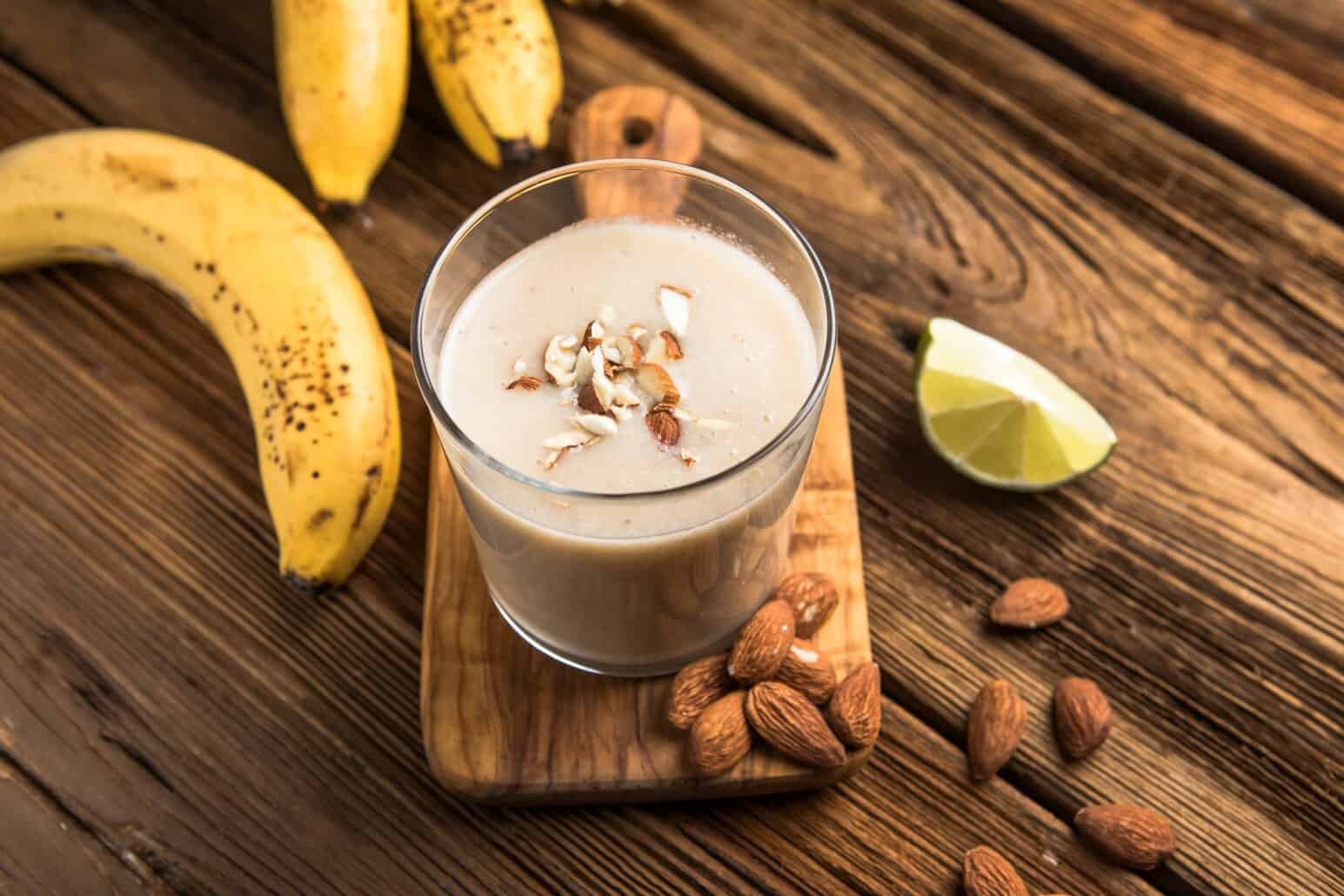
Most people want to eat healthier, but often assume it will require too much time or expense. The truth is that adding potassium-rich foods is simple. You do not need special recipes or complicated steps. Small swaps make a steady difference. Using fruits, greens, beans, and root vegetables in daily meals can help increase potassium intake with minimal effort.
Here are simple ways to add more potassium-rich foods:
- Breakfast: Smoothie with banana, spinach, and yogurt. Or oatmeal with melon or dried apricots.
- Lunch: Bowl with beans, roasted sweet potato, tomato, and avocado.
- Snacks: Citrus fruit, melon, dried fruit in small amounts, or yogurt with fruit.
- Dinner: Sheet-pan meals with sweet potato, squash, leafy greens, and legumes.
Limit high-salt snacks. Use herbs instead of salt. Keeping sodium intake lower may help the body use potassium more effectively.
The goal is not perfection. It is consistency. Adding even one potassium-rich food to each meal may help support heart health and steady energy. Over time, these choices may contribute to improved stamina, mood, and overall balance.
Why Potassium Disappears in Ultra-Processed Foods
Potassium is water-soluble, and it can move out of foods during boiling or heavy processing. Research on nutrient loss shows that boiling vegetables can reduce mineral content because water-soluble nutrients migrate into the cooking water.
Refined grains and processed snacks are also low in potassium to begin with. People want convenient foods, but they also want real nutrition. This gap often leads to lower nutrient intake.
Ultra-processed foods often go through multiple heating, drying, and grinding stages, and each step can reduce mineral content, including potassium. Even when manufacturers enrich these foods, the additions often include only selected vitamins rather than the broader array of nutrients naturally present in whole fruits and vegetables. As a result, the final product may taste good and store well, but it often contains fewer naturally occurring nutrients than the original whole ingredients.
How NutriFusion Keeps Potassium-Rich Superfoods in Everyday Products
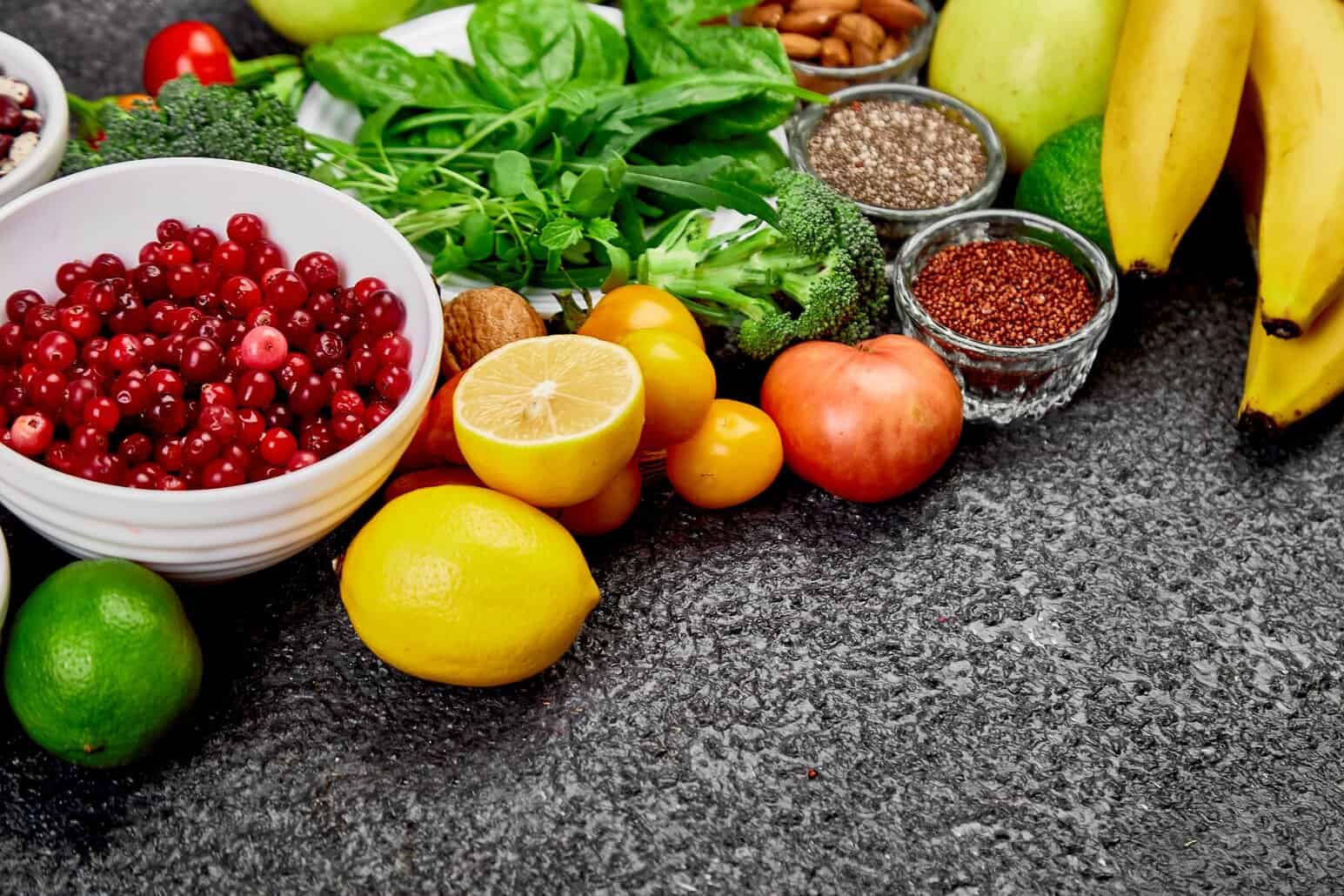
At NutriFusion®, we produce whole food nutrient blends. Our GrandFusion® powders are made from real fruits and vegetables and are designed to retain their natural plant-based nutrients.
Our GrandFusion® 6 Nutrient Fruit and Vegetable Blend (NF 2769) uses broccoli, spinach, sweet potato, orange, pumpkin, papaya, and maitake mushroom. These ingredients are naturally high in potassium and also supply vitamins A, C, D2, E, B1, and B6.
We created this blend to help food makers maintain nutrition in their products. It is designed not to affect taste or texture, and it supports clean-label needs.
If you are a manufacturer, explore our 6 Nutrient Fruit and Vegetable Blend 49, NF-2769, to support real, whole food nutrition.
NutriFusion
NutriFusion develops all‐natural fruit and vegetable powders that are nutrient-dense for when you do not have access to fresh produce…and even when you do, to improve your vitamin intake. Sourcing only whole, non-GMO foods, NutriFusion offers consumers a concentrated micronutrient and phytonutrient-rich food ingredient blend. With a farm-to-table philosophy, NutriFusion’s proprietary process stabilizes the nutrients from perishable fruits and vegetables, allowing a longer shelf life and access to vital nutrients.
NutriFusion fruit and/or vegetable powders are for use in foods, beverages, supplements, and pet foods. NutriFusion can help! Visit us at www.nutrifusion.com.
References
- Barrera, G. et al. (2022). Dietary Patterns, Potassium Intake, and Health Outcomes. Nutrients, 14(20): 4310. https://pmc.ncbi.nlm.nih.gov/articles/PMC9609927/
- Office of Dietary Supplements – National Institutes of Health. Potassium: Fact Sheet for Health Professionals. https://ods.od.nih.gov/factsheets/Potassium-HealthProfessional/
- Laffin, M. et al. (2023). Role of Potassium in Regulating Blood Pressure and Cardiovascular Health. Nutrients, 16(1): 87. https://pmc.ncbi.nlm.nih.gov/articles/PMC10759559/