• Link to LinkedIn
  • Link to Facebook
  • Call Us
NutriFusion
  • Applications
    • All Blends
    • Food
    • Beverages & Drinks
    • Nutraceuticals
    • Pet Nutrition
    • Custom Superfood
  • R&D
    • Research & Development
    • Vitamin Deficiency
  • Active Research
  • About
    • About NutriFusion®
    • Certifications
  • Contact
  • News
    • Press Center
  • Podcasts
  • Blog
  • Store
  • Click to open the search input field Click to open the search input field Search
  • Menu Menu

Archive for category: Health & Nutrition

Heart-Healthy Labels: What Works, What Doesn’t, and Why It Matters

in Food Business, Food Retail, Health & Nutrition

You stand in a grocery aisle. Boxes flash red hearts, green ticks, and bold promises. At first glance, everything on the shelf looks heart-healthy, but you know it is not that simple. Truly heart-healthy foods matter, and smart fortification can help. Still, not every label deserves your trust.

We see this tension every day while working with manufacturers. So let us break it down. In this blog, we will examine what heart-healthy labels truly mean. What holds up under scrutiny and what quietly falls apart. We will then demonstrate how whole-food nutrition fits into the picture.

Why Shoppers Seek Heart-Healthy Foods

Heart health stays top of mind for shoppers and for good reason. Cardiovascular disease remains a global concern. People hear about blood pressure, cholesterol, and sodium, so they look for shortcuts.

Most consumers do not read every panel. They scan. They rely on front-of-pack cues to quickly decode cardiovascular nutrition.

Dietary guidance reinforces this behavior. These patterns consistently appear in heart-healthy diets. For brands, this creates pressure. Get the signal wrong, and trust slips. Get it right, and you earn shelf space and loyalty.

What Heart-Healthy Means on Food Labels

Here is where things get technical. But we will keep it plain. Three key layers are at work here:

  1. Nutrient Content Claims: Think “low saturated fat” or “good source of fiber.” Each has strict cutoffs. No wiggle room.
  2. Health Claims: These link a nutrient to a reduced risk of disease. They require authorization and precise wording.
  3. Symbols and Programs: The American Heart Association Heart-Check is one example. Retailers also run their own badge systems.

In the United States, heart-disease claims come with guardrails. Foods must deliver meaningful nutrition. They also must avoid excess saturated fat, sodium, cholesterol, and total fat. So heart-healthy is not a design flair. It is a regulated promise, and it deserves careful handling.

Heart Health Nutrition Claims and Boundaries

You can only make specific claims. For example:

  • Diets low in saturated fat and cholesterol may reduce the risk of coronary heart disease.
  • Soluble fiber from oats, barley, or psyllium may reduce the risk of heart disease when consumed in adequate amounts.

Qualified claims are allowed in some cases. Nuts, omega-3 fatty acids, and unsaturated fats can be mentioned cautiously. Words like “may help” or “is associated with” are essential. Avoid statements that guarantee risk reduction. Heart disease depends on many factors; diet is just one part.

If your brand sells globally, know that the European Union and other markets have their own authorized claims. Every label and formulation must comply with local regulations.

Heart Health Ingredients That Support Better Patterns

When we discuss heart health ingredients, we refer to patterns, not individual ingredients. Diets like DASH (Dietary Approaches to Stop Hypertension) and Mediterranean diet emphasize vegetables, fruits, whole grains, legumes, nuts, and healthy oils. Here’s what to lean on:

  • Soluble Fiber: Oats, barley, psyllium. Think of it as a sponge for cholesterol. Supports LDL reduction when paired with a healthy diet.
  • Omega-3 Fatty Acids: EPA/DHA from fish; ALA from walnuts, flax, chia. They help manage triglycerides and support claims where allowed.
  • Unsaturated Fats: Olive, canola, nut oils. Replace them with saturated fats.
  • Fruits and Vegetables: Deliver potassium, vitamins C and E, folate, and antioxidants. Core staples in any heart-healthy plan.

Next time you formulate a product, think in blocks. Focus on combinations that make a complete, heart-friendly pattern. Don’t rely on one “miracle nutrient.”

Food Fortification for Heart-Healthy Foods

NutriFusion’s fresh ingredients, like onions, garlic, mushrooms, herbs, and spices arranged on a wooden surface.

Fortification can be a powerful tool, but only if used wisely. You can boost your nutrition by adding vitamins, minerals, fiber, plant sterols, or omega-3 fatty acids. Done right, fortification strengthens heart-healthy claims without changing taste. It works best when:

  • Adding soluble fiber or whole-grain concentrates to cereals, breads, or snacks.
  • Incorporating omega-3s or unsaturated oils in spreads, drinks, or ready meals.
  • Using vitamin blends (B-complex, antioxidants) to support cardiovascular nutrition and regulatory baselines.

Where it fails: Fortifying highly processed foods just enough to qualify for a claim while still high in sodium, sugar, or saturated fat. That creates a misleading “health halo.” The smarter move is to use fortification to reinforce truly heart-friendly eating patterns. That means more plants, better fats, and nutrients that actually matter, not quick-fix, patchwork solutions.

Front-of-Pack Symbols vs the Cardiovascular Nutrition

Front-of-pack (FOP) icons can grab attention. But they don’t tell the whole story.

  1. AHA Heart-Check: Sets limits on saturated fat, trans fat, cholesterol, and sodium. Requires minimum levels of beneficial nutrients like vitamins A and C, iron, calcium, protein, or fiber.
  2. FDA “Healthy” Label: Now favors nutrient-dense foods. Fruits, vegetables, whole grains, nuts, seeds, and healthy oils are all considered healthy options. Highly sweetened cereals usually do not.
  3. Retailer Badges and Nutri-Score: Visual shortcuts are useful, but credibility depends on the complete nutrition profile.

FOP icons open doors, but the complete nutrition must back them up. Consumers are becoming more discerning; they can spot when claims do not match reality.

NutriFusion’s Point of View: Heart-Healthy Means Real Food, Not Just Claims

At NutriFusion, we see heart-healthy foods differently. You do not need marketing tricks to make a product credible. You need real, plant-based nutrients that support heart-smart patterns. That is where GrandFusion blends come in.

These fruit and vegetable powders are clean-label, non-GMO, and free from synthetics, additives, and preservatives. Each 450 mg serving can deliver 100% of the daily value for key vitamins. You can add them to snacks, beverages, cereals, or meals without affecting taste or texture.

GrandFusion can be used to add fruit- and vegetable-sourced nutrients to products formulated around plant-forward eating patterns. You can boost vitamins and antioxidants while keeping your ingredient deck simple. Heat-stable and easy to formulate, it works in baked goods, smoothies, and frozen foods.

We collaborate with R&D teams to ensure formulation, label claims, and clean-label goals are aligned. With GrandFusion®, brands can enhance the nutrient density of their products with plant-based ingredients while supporting clean-label goals.
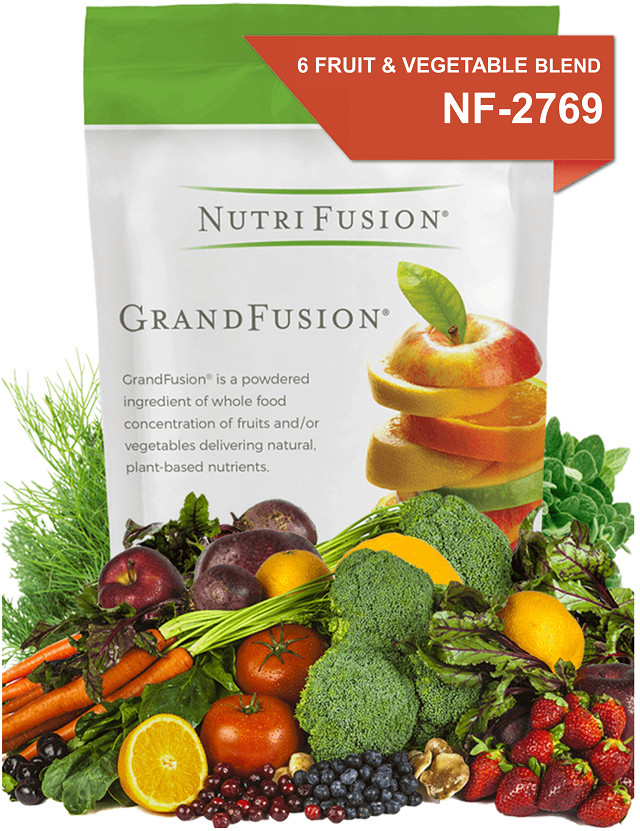
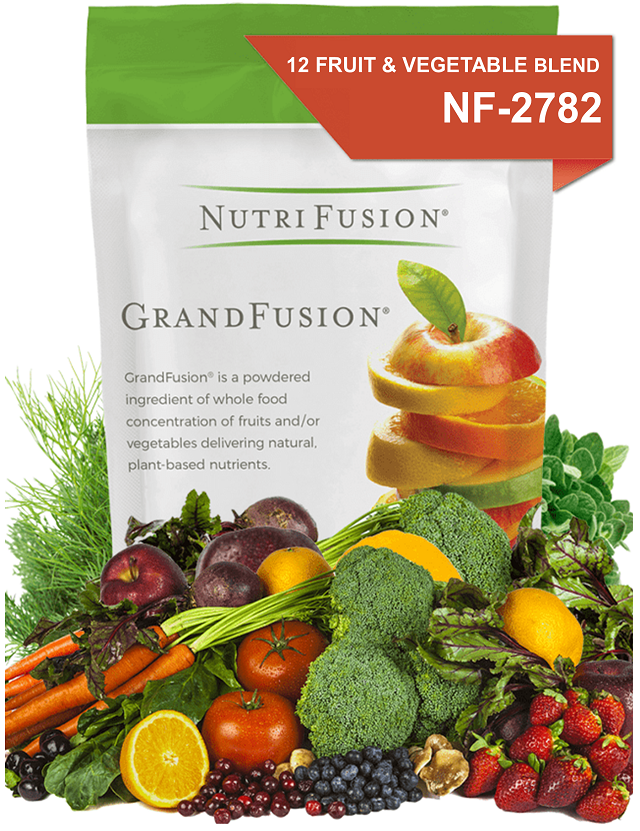
GrandFusion 6 Fruit Vegetable Blend nutrient-dense fruit and vegetable powder for heart-healthy foods

6 Fruit & Vegetable Blend

$60.00

Add to cart

GrandFusion 12 Fruit Vegetable Blend plant-based powder to boost vitamins and antioxidants

12 Fruit & Vegetable Blend

$70.00

Add to cart

NutriFusion Vitamin Mineral Blend natural micronutrient blend to support clean-label heart-smart nutrition

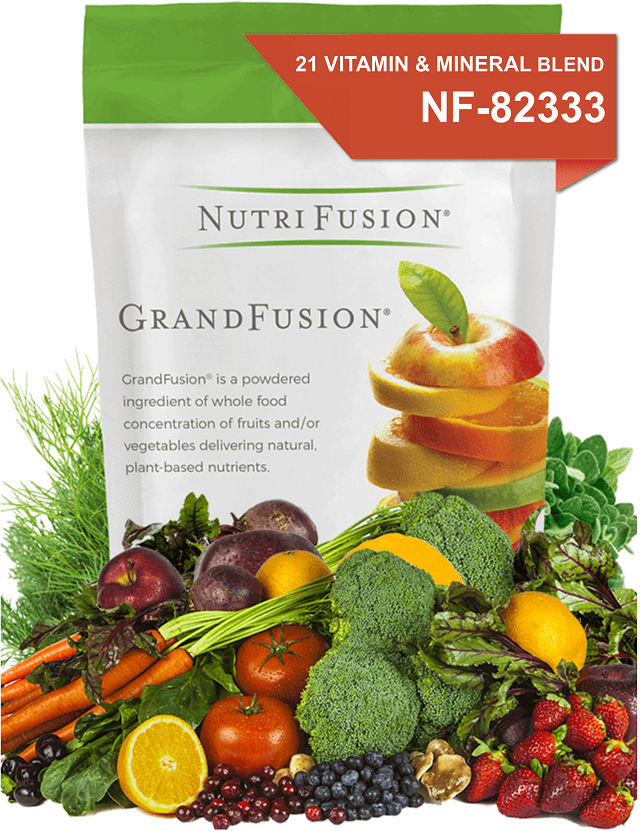
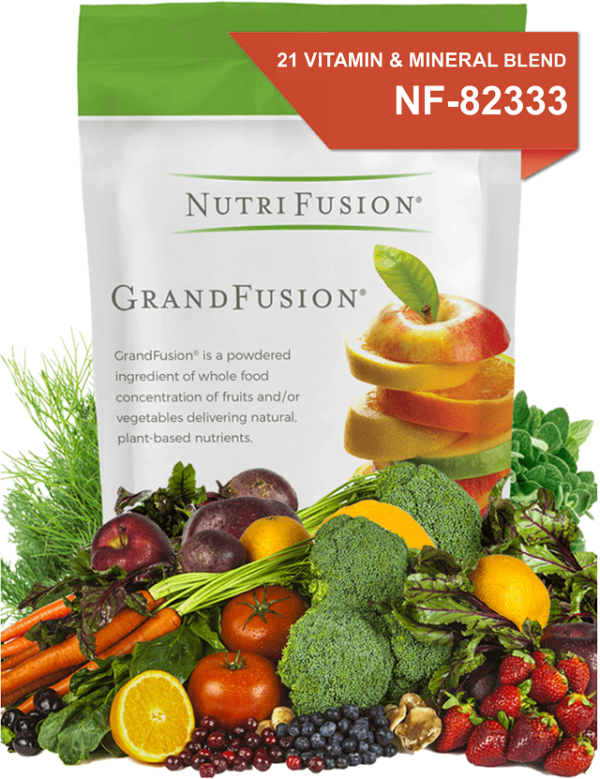
21 Vitamin & Mineral Blend

$85.00

Add to cart

Formulate Heart-Healthy Foods with Real Nutrients

NutriFusion’s R&D team examining vegetables and Petri dishes in a food science laboratory.

Everyday Staples (Cereals, Breads, Snacks)

Use whole grains, such as oats or barley, and soluble fiber. Add GrandFusion for vitamin supplements for fruit and vegetables. Keep sodium and saturated fat low. Boost fiber and plant-based micronutrients.

Tip: Mix high-fiber flakes with seeds, dried fruit, and GrandFusion®. The taste stays natural while your label stays clean.

Beverages and Ready-to-Drink

Use plant oils where allowed. Keep sugar moderate. Blend in GrandFusion® powders. Use structure-function or nutrient content claims instead of risky disease claims.

Example: Smoothie with oats, almond oil, and GrandFusion®. Delivers fiber, vitamins, and antioxidants without taste issues.

Meals, Bowls, Frozen Options

Emphasize vegetables, whole grains, legumes, and healthy oils. Layer in GrandFusion® for vitamins and minerals. Stay under sodium and saturated fat thresholds.

Tip: Add GrandFusion into soups, stews, or frozen bowls to boost vitamins without complicating your formula. The nutrients remain stable through processing and storage. Your ingredient list stays short, and the flavor stays true to the food itself.

When you build for heart-health, the label should match what is inside. Fortification should support the pattern, not conceal it.

Build Trust in Heart-Healthy Food Labels

Heart-healthy labels only work when they match what is actually in the food: less saturated fat and sodium, more whole plant foods, and honest, clearly explained fortification. Brands that combine credible heart-health positioning with real-food nutrients earn consumer trust.

Regulations are tightening. Labels must match reality. NutriFusion® GrandFusion® blends help you boost nutrient density with plant-based vitamins and antioxidants. No synthetics. They support clean-label goals with simple ingredients.

Explore the NutriFusion® GrandFusion® Product Line and make heart-healthy labels credible.


NutriFusion

NutriFusion develops all‐natural fruit and vegetable powders that are nutrient-dense, for when you do not have access to fresh produce, and even when you do, to improve your vitamin intake. Sourcing only whole, non-GMO foods, NutriFusion offers consumers a concentrated micronutrient and phytonutrient-rich food ingredient blend. With a farm-to-table philosophy, NutriFusion’s proprietary process stabilizes the nutrients from perishable fruits and vegetables, allowing a longer shelf life and access to vital nutrients.

NutriFusion fruit and/or vegetable powders are for use in foods, beverages, supplements, and pet foods. NutriFusion can help! Visit us at www.nutrifusion.com.


References

  1. American Heart Association. 2024. “Check for the Heart-Check Mark Infographic.” American Heart Association. https://www.heart.org/en/healthy-living/healthy-eating/heart-check-foods/check-for-the-heart-check-mark-infographic
  2. Legal Information Institute, Cornell Law School. n.d. “21 CFR § 101.75 – Health Claims: Dietary Saturated Fat and Cholesterol and Risk of Coronary Heart Disease.” Legal Information Institute, Cornell Law School. https://www.law.cornell.edu/cfr/text/21/101.75
  3. U.S. Food and Drug Administration. 2024. “Authorized Health Claims That Meet the Significant Scientific Agreement (SSA) Standard.” U.S. Food and Drug Administration. https://www.fda.gov/food/nutrition-food-labeling-and-critical-foods/authorized-health-claims-meet-significant-scientific-agreement-ssa-standard
  4. U.S. Food and Drug Administration. 2024. “Health Claim Notification for the Substitution of Saturated Fat in the Diet with Unsaturated Fatty Acids and Reduced Risk of Heart Disease.” U.S. Food and Drug Administration. https://www.fda.gov/food/nutrition-food-labeling-and-critical-foods/health-claim-notification-substitution-saturated-fat-diet-unsaturated-fatty-acids-and-reduced-risk
  5. U.S. Food and Drug Administration. 2024. “Qualified Health Claims: Letters of Enforcement Discretion.” U.S. Food and Drug Administration. https://www.fda.gov/food/nutrition-food-labeling-and-critical-foods/qualified-health-claims-letters-enforcement-discretion
  6. U.S. Food and Drug Administration. 2025. “Use of the ‘Healthy’ Claim on Food Labeling.” U.S. Food and Drug Administration. https://www.fda.gov/food/nutrition-food-labeling-and-critical-foods/use-healthy-claim-food-labeling
https://nutrifusion.com/wp-content/uploads/2026/01/heart-word-between-veggies.jpg 1030 1545 NF Admin https://nutrifusion.com/wp-content/uploads/2022/05/NutriFusion-Logo-New-1030x251.png NF Admin2026-01-21 16:22:532026-01-21 16:22:53Heart-Healthy Labels: What Works, What Doesn’t, and Why It Matters

Why Everything Has Protein in It Now (And What That Means for Your Business)

in GLP-1, Health & Nutrition

Walk down a grocery aisle today, and you will see the same claim everywhere. High-protein yogurt, high-protein cereal, high-protein bread, and even high-protein ice cream. Protein has become shorthand for “better nutrition.”

For many shoppers, high-protein foods feel like the safest choice on the shelf. Retailers reinforce it. Fitness culture amplifies it. GLP-1-driven eating patterns are accelerating it. But protein is only one piece of the nutrition picture. Many adults already meet their protein needs. The bigger gaps sit elsewhere: fiber, fruits, vegetables, micronutrients.

In this blog, we will discuss why protein is a dominant force in product development. Where does protein fortification truly add value? And how can you move beyond a protein-only health halo toward more complete nutrition using whole-food nutrient systems?

Why High-Protein Foods Are Driving Innovation

Protein is familiar, and that is its power. The fitness and weight management culture has positioned protein as essential for satiety and lean muscle mass. That framing stuck. GLP-1 medications added fuel by shifting demand toward smaller portions with higher protein density.

Market data support the surge. Global high-protein foods are projected to grow rapidly, with high-protein snacks expected to increase substantially over the next decade.

Protein also benefits from a health halo. Consumers understand it faster than antioxidants or phytonutrients. So protein becomes the headline claim, even when overall nutrition barely changes. It sells well. But it simplifies nutrition.

How Much Protein People Need vs. What They’re Getting

Protein guidance is simple. Most healthy adults need about 0.8 grams per kilogram of body weight per day. That equals 10-35% of daily calories from protein.

In many high-income countries, adults typically consume around 16 percent of their calories from protein. That sits comfortably within recommendations. Some groups may benefit from higher intake, such as older adults, very active individuals, and specific clinical populations under medical guidance.

But those needs are individual, not universal. This creates a disconnect. High-protein foods keep growing. Yet fiber, fruit, and vegetable intake remain low.

Where Protein Fortification Is Showing Up

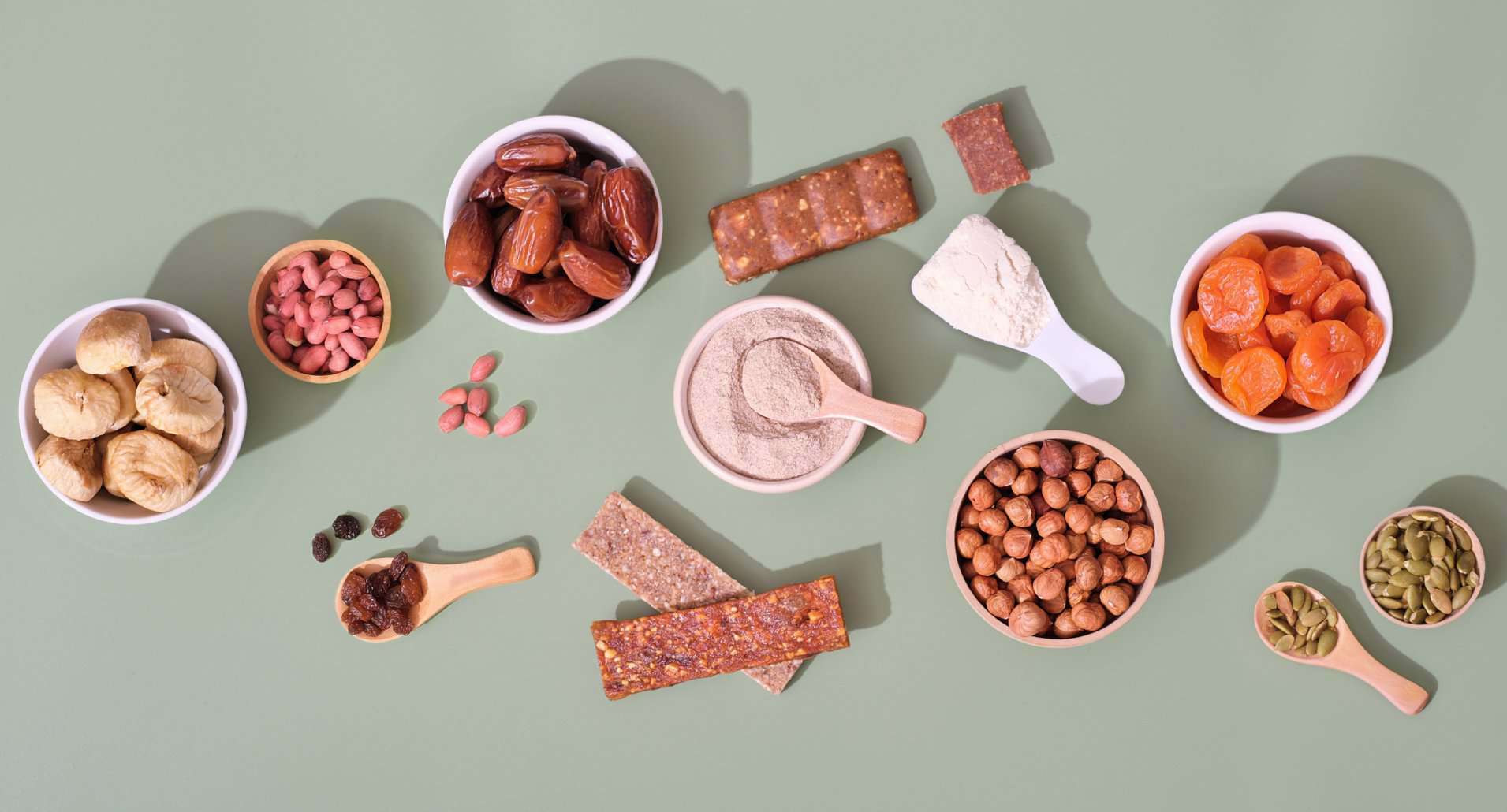
NutriFusion image of assorted nuts, dried fruits, seeds, and protein bars arranged as whole-food snacks.

Protein fortification has quietly moved from niche innovation to a default feature across modern food and beverage categories. It now spans nearly every category.

  • Snacks and bars lead the charge. Protein bars, chips, nuts, and on-the-go bites dominate “better-for-you” shelves.
  • Dairy and alternative dairy followed quickly. Yogurts, ready-to-drink shakes, high-protein milk, and plant-based beverages rely on whey, casein, pea, soy, or blended proteins to differentiate.
  • Bakery and cereals joined next. High-protein breads, wraps, granolas, and breakfast cereals use gluten, seeds, or added isolates to reposition familiar formats, with convenience and frozen foods rounding out the picture. Protein-forward bowls, pizzas, and ready meals often target portion control and GLP-1-style eating.

Geographically, high protein claims remain strongest in North America and Europe. However, adoption is accelerating in markets such as India, where protein enrichment is becoming a standard feature of everyday staples. Protein is no longer niche. It is infrastructure.

High Protein Claims on Pack and Common Pitfalls

Protein claims follow specific rules. They are not always obvious to shoppers. Many regions define “high in protein” or “source of protein” based on the percentage of calories derived from protein or the relative increase compared to a reference product. In some cases, a 25% increase qualifies.

That means a product can technically meet the bar with a modest bump. A cheese moving from 4.6 grams to 5 grams of protein per serving can suddenly shout “Protein” on the pack. The bigger issue is context. High protein foods can still be high in sugar, sodium, or additives. The protein claim creates a healthy perception that masks overall nutritional balance.

For brands, this matters. Trust erodes when consumers realize the protein promise feels thin. Meeting the minimum bar is not the same as delivering meaningful nutrition.

High Protein Can Be a Pricing and Positioning Lever

From a commercial standpoint, protein works. High-protein snacks and foods support premium pricing. They unlock placement in “better-for-you” sets. They align with fitness, weight management, and GLP-1-friendly positioning.

Social media accelerates the effect. Influencer culture normalized macro tracking. Protein moved from sports nutrition into daily routines with coffee, cookies, and cereal. Market forecasts reflect this momentum. Global high-protein food markets are expected to grow at a strong compound annual rate, adding tens of billions of dollars in revenue across snacks, beverages, and convenience formats.

However, as every brand chases the same claim, differentiation becomes increasingly important. Competing on grams alone leads to discounting. Or reformulation fatigue. That is where clean labels, whole foods, and micronutrient density become strategic.

Where Brands Get Protein Wrong: Health Promise Without Depth

High-protein claims are everywhere, but many products still miss the point on real nutrition. We see the same pitfalls repeatedly.

  • Protein-only focus: Products emphasize grams of protein while ignoring fiber, vitamins, minerals, and bioactive compounds.
  • Ultra-processed creep: Long ingredient lists filled with isolates, gums, sweeteners, and synthetic premixes clash with the rising expectations for clean labels.
  • Token fortification: Small nutrient bumps are marketed as transformational. Consumers do notice it.

Emerging research also suggests that very high protein intakes, especially from specific sources, are not automatically beneficial for everyone. Balance still matters. For R&D teams, the takeaway is clear. The next wave of high-protein foods needs more nutritional depth, not just more protein.

NutriFusion’s Point of View: Add Whole-Food Nutrition to High Protein

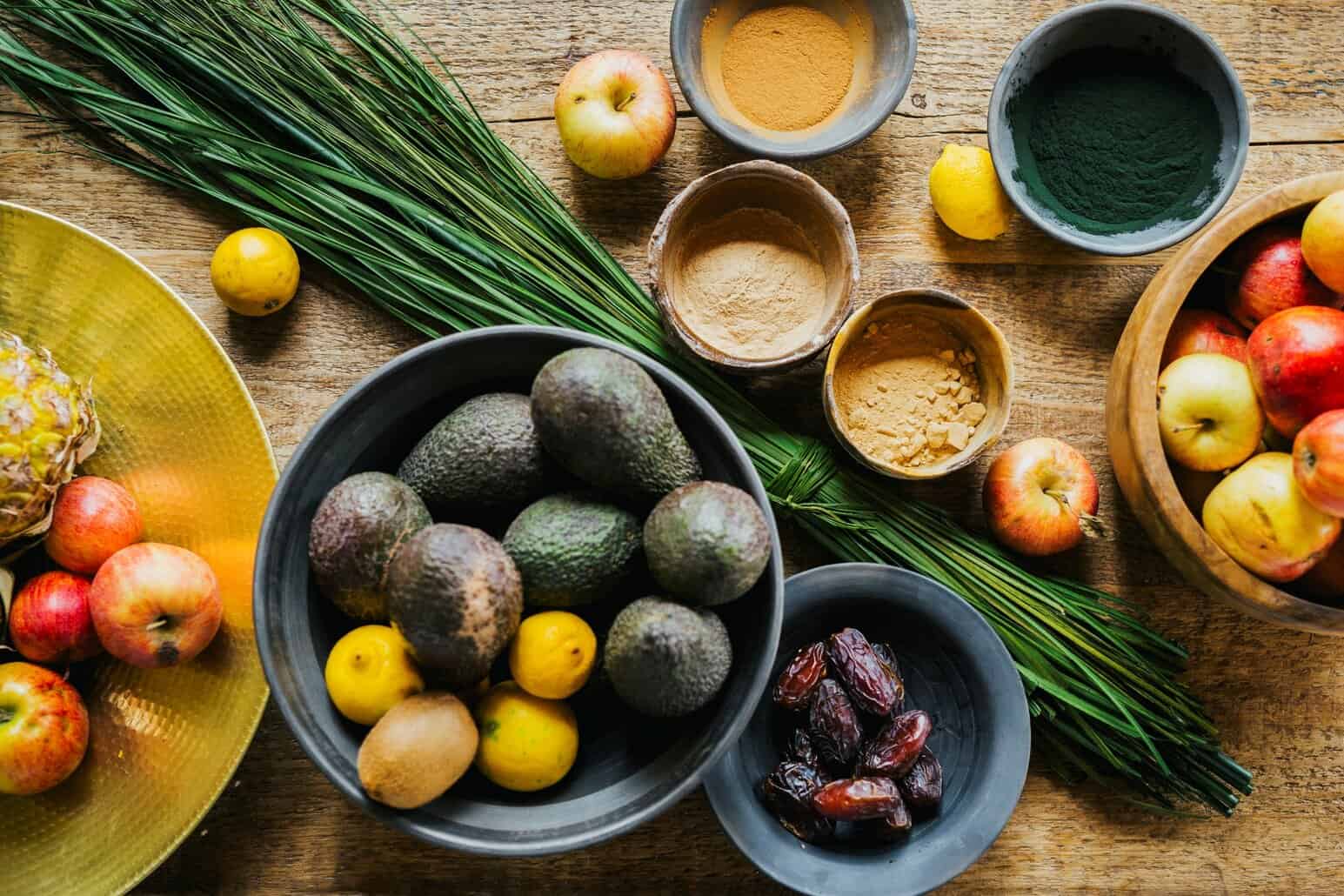
NutriFusion high-protein ingredients, including avocado, spinach, celery, citrus, herbs, and spices.

At NutriFusion®, we do not supply protein, but we do supply fruit- and vegetable-based nutrient blends that can complement your protein-forward products.

GrandFusion® is a powder blend of fruits and/or vegetables that can significantly increase the nutritional profile and marketability of food, beverage, and snack products. It uses a proprietary process, does not affect taste or functionality, and is 100% natural.

In a high-protein world, this matters. Consumers and regulators are increasingly looking beyond macroeconomic factors, micronutrient density, ingredient sourcing, bioavailability, and bioabsorption. These factors shape trust.

Synthetic vitamins are man-made chemicals that do not carry the natural structure of fresh fruits and vegetables. NutriFusion uses fresh fruits and vegetables, which can make nutrients easier for the body to absorb in finished products. When a nutrient is not sourced from fruits or vegetables, such as B12, we source it from botanicals to keep the system naturally derived.

GrandFusion blends deliver concentrated vitamins from fruits and vegetables. Approximately 450 milligrams can deliver 100% of the daily value for key nutrients. No synthetics. No preservatives. Minimal sensory impact. Stable under typical heat and processing conditions. Protein builds the structure. Whole-food nutrients complete the nutrition story.

NutriFusion® formulation takeaway: Use protein as a foundation, not the finish line. 

Add nutrients from fruit and vegetables to close micronutrient gaps. Keep ingredient lists clean and simple.

GrandFusion 12 Fruit Vegetable Blend whole food nutrient system that complements high protein products with natural vitamins and minerals

6 Fruit & Vegetable Blend

$70.00

Add to cart

NutriFusion Vitamin Mineral Blend plant derived micronutrients that enhance nutrition beyond protein claims

12 Fruit & Vegetable Blend

$85.00

Add to cart

GrandFusion 6 Fruit Vegetable Blend clean label fruit and vegetable nutrients to balance protein focused formulations

21 Vitamin & Mineral Blend

$60.00

Add to cart

High-Protein Product Design That Holds Up

High-protein foods are most effective when paired with a balanced diet. These examples show how to layer whole-food nutrients onto protein-forward formats.

High-Protein Snacks with Better Nutrition

Many high-protein snacks rely solely on isolates. Pairing quality proteins with GrandFusion fruit and vegetable nutrient blends adds plant-based vitamins and minerals while keeping ingredient lists clean and familiar.

Protein Beverages That Stay Clean Label

Protein beverages require stability and minimal sensory impact. GrandFusion blends withstand heat and processing, allowing whole-food nutrients from fruits and vegetables to be added in small amounts without affecting taste or texture.

High-Protein Bakery and Breakfast Upgrades

High-protein breakfast foods often miss key micronutrients. Fortifying cereals, granolas, and breads with fruit and vegetable nutrient blends helps address both macro- and micronutrient needs in a single format. Protein sets the baseline. Whole-food nutrients help products deliver more complete nutrition.

The goal is not to win solely based on protein grams. It is to deliver broader nutrition in formats consumers already buy and trust.

Next Steps for a Smarter High-Protein Roadmap

High protein is now table stakes. From chips to coffee, the claim is everywhere. Brands that win the next decade will treat protein as one of their pillars. Not the whole structure. Whole-food micronutrients, recognizable ingredients, and regulatory-sound claims will separate leaders from look-alikes. 

NutriFusion GrandFusion blends provide R&D teams with a plant-based, non-synthetic nutrient system that seamlessly integrates into protein-rich formats, eliminating off-notes and complexity.

Add whole-food nutrients to your high-protein roadmap. Explore the NutriFusion® GrandFusion® Product Line.


About NutriFusion®

NutriFusion develops all-natural fruit and vegetable powders that are nutrient-dense, for when you do not have access to fresh produce, and even when you do, to improve your vitamin intake. Sourcing only whole, non-GMO foods, NutriFusion® offers a concentrated micronutrient and phytonutrient-rich food ingredient blend. With a farm-to-table philosophy, NutriFusion®’s proprietary process stabilizes the nutrients from perishable fruits and vegetables, allowing a longer shelf life and access to vital nutrients.

NutriFusion® fruit and/or vegetable powders are for use in foods, beverages, supplements, and pet foods. NutriFusion® can help. Visit us at www.nutrifusion.com.


References

  1. Centers for Disease Control and Prevention (CDC). n.d. “FastStats: Diet/Nutrition.”. https://www.cdc.gov/nchs/fastats/diet.htm
  2. National Academies of Sciences, Engineering, and Medicine. n.d. “Acceptable Macronutrient Distribution Ranges.” https://www.nationalacademies.org/read/27957/chapter/5
  3. American Heart Association. 2024. “Protein: What’s Enough?” https://www.heart.org/en/healthy-living/healthy-eating/eat-smart/nutrition-basics/protein-and-heart-health
  4. National Library of Medicine. 2022. “Protein Intake of Adults.” https://www.ncbi.nlm.nih.gov/books/NBK589212/
https://nutrifusion.com/wp-content/uploads/2026/01/grocery-store-aisle-.jpg 1030 1545 NF Admin https://nutrifusion.com/wp-content/uploads/2022/05/NutriFusion-Logo-New-1030x251.png NF Admin2026-01-16 17:45:562026-07-19 13:27:03Why Everything Has Protein in It Now (And What That Means for Your Business)

The Whole30 Reset: How Food Brands Can Meet the Elimination Diet Demand

in Health & Nutrition

You are standing in front of a grocery shelf packed with sauces, dressings, and snacks. Every label says “Whole30,” “compliant,” or “reset-friendly.” You pause. Which ones actually fit an elimination diet, and which ones just sound clean? We see this moment everywhere.

The Whole30 elimination diet has made clean eating and food sensitivities part of everyday shopping habits. Consumers now expect brands to support resets with clear labels, sugar-free products, and simple ingredient decks.

In this blog, we will explain what ‘Whole30’ really is, why it matters to manufacturers, and how brands can design compliant-style products using real, whole-food nutrition instead of synthetic premixes.

Whole30 Elimination Diet Basics for Brands

Whole30 is a 30-day elimination diet. It removes common food groups, then reintroduces them in a structured way. The goal is awareness, not a permanent eating plan.

During the elimination phase, participants avoid:

  • Added sugar of any kind
  • Alcohol
  • Grains and pseudo-cereals
  • Legumes, including soy
  • Dairy, except ghee or clarified butter
  • Certain additives like carrageenan, monosodium glutamate, and sulfites

There is one rule that surprises many people. Whole30 discourages recreating junk food with compliant ingredients. Almond-flour pancakes still miss the point. The appeal is straightforward. Whole30 works like a reset button for eating habits. Meals center on meat, seafood, eggs, vegetables, fruit, and natural fats. Then, foods are reintroduced with more awareness.

From a food-sensitivity perspective, elimination and reintroduction give people a structured way to notice patterns. Some associate dairy with bloating. Others notice changes in energy or skin. This is an observation, not a diagnosis. Medical guidance should come from healthcare professionals.

Since launching in 2009, Whole30 has reached millions of participants. A large online community keeps it visible year-round, helping shape shopper expectations.

Why Whole30 Shapes Clean Eating Habits

Clean eating used to be vague. Whole30 made it concrete. Clear rules remove guesswork. No added sugar, no grains, no dairy, and no long ingredient lists. That clarity feels reassuring in a crowded food environment.

We see this shift clearly. Once people complete a Whole30 reset, they rarely stop reading labels. Even after reintroduction, they still prefer simpler products with fewer additives.

Whole30 also aligns with growing awareness of food sensitivities. Many consumers report feeling better when they simplify what they eat. They want packaged options that support those habits without cooking every meal from scratch.

Elimination Diets as a Macro Trend: Why “Compliant Foods” Sell

NutriFusion Whole30 ingredients spread with avocado, asparagus, sprouts, and greens on a dark surface.

We see Whole30 as part of a larger pattern. Elimination diets are now a mainstream behavior, not a fringe one. In a global Nielsen survey, about 64% of respondents said they follow a diet that limits or avoids certain ingredients. Around 68% said they are willing to pay more for products without undesirable ingredients.

Food hypersensitivities and self-reported intolerances continue to rise. Gluten, dairy, soy, additives, and certain sweeteners often top the list. This fuels demand for compliant foods. Packaged products that clearly avoid common triggers help shoppers participate without having to cook everything from scratch.

For brands, this changes the landscape. Elimination diets normalize strict label reading. That opens space for premium, sugar-free products and clean-label stock-keeping units that build loyalty well beyond a 30-day reset.

Whole30 as a Market Signal: From Niche Program to Shelf Language

Whole30 is more than a program. It is shelf language. The flagship book has sold over 1.6 million copies. The community now spans more than five million people across platforms.

The Whole30 Approved® ecosystem reinforces this influence. More than 100 partner brands participate across pantry staples, sauces, snacks, and prepared meals. There is an important legal reality here.

“Whole30®” and “Whole30 Approved®” are registered trademarks. Brands cannot self-declare approval. Approval requires meeting official rules and completing the licensing process. Even so, the impact extends further. Many shoppers now use Whole30-style rules as a mental checklist when scanning labels, even if a product is not officially approved.

Whole30 Compliant Foods: Formulation Limits

We see that designing Whole30-style products comes with real formulation limits. Original Whole30 rules restrict:

  • Added sugar, including natural and artificial sweeteners
  • Grains and pseudo-cereals
  • Legumes and soy
  • Dairy, except ghee or clarified butter
  • Additives like carrageenan, monosodium glutamate, and sulfites

The plant-based Whole30 version adds an additional constraint by removing animal protein while still excluding grains and added sugar. These rules affect everyday categories. Sauces, dressings, broths, jerky, condiments, and frozen meals often require reformulation to remove common ingredients while staying familiar. Terms like “sugar-free” or “compliant” must be used carefully. Claims need to align with both Whole30 rules and regulatory labeling standards.

Clean Eating Claims for Whole30-Style Shoppers

We see Whole30 rules map neatly onto broader clean eating cues. Shoppers look for:

  • Short, recognizable ingredient lists
  • No added sugar or artificial sweeteners
  • No gluten-containing grains, dairy, soy, or certain additives

Brands can speak to this demand without implying endorsement. The focus should stay on ingredient transparency, not unofficial logos or borrowed credibility. Helpful phrases include:

“No added sugar”, “No grains or legumes”, “No dairy”, “No carrageenan, monosodium glutamate, or sulfites”, and “Made with real vegetables and herbs.” Every claim must be backed by the ingredient statement. Disease claims remain off-limits. Elimination-friendly does not equal a medical claim.

Sugar-Free, Grain-Free Formulation Challenges

The rules sound simple, but the execution rarely is. Common hurdles show up fast:

  • Removing added sugar can flatten flavor or body.
  • Dropping grains and legumes can break texture.
  • Eliminating dairy and soy can reduce creaminess and mouthfeel.

Additive bans complicate things further. Carrageenan, certain sulfites, and monosodium glutamate are off the table, so stabilization and shelf life often require new approaches.

Successful brands lean into fundamentals. Herbs, spices, acids such as vinegar or citrus, and natural fats do most of the heavy lifting. Real vegetables matter here. Tomatoes, peppers, onions, and root vegetables can add body and depth, helping replace gums and starches while aligning with Whole30’s “eat real food” philosophy.

Whole-Food Nutrition in Elimination Diet SKUs

This is where whole-food nutrient systems become relevant. At NutriFusion, we work with manufacturers using GrandFusion, a powder blend of fruits and/or vegetables that can increase nutritional value with minimal sensory impact and without affecting functionality.

For elimination-friendly products, this matters.

Brands often remove sugar, dairy, grains, and additives all at once. Nutrition can drop as a result. Whole-food nutrient blends can help close that gap. We provide plant-based vitamins, minerals, and bioactive compounds from real fruits and vegetables, with no synthetic ingredients or additives.

One ingredient line can help replace multiple synthetic vitamin entries. That supports a cleaner, more readable label. Compatibility always depends on the full recipe. NutriFusion supplies an ingredient solution. Any program approvals depend on the finished product and its requirements. Whole30 approval still depends on meeting all program rules.

Whole-food nutrients come from fruits and vegetables and retain naturally occurring nutrient structures. Research suggests these whole-food matrices can support bioavailability and bioabsorption. Minimal sensory impact helps preserve taste and texture. Thermal stability helps nutrients withstand processing. For manufacturers, this supports both nutrition and formulation goals.

GrandFusion 6 Fruit Vegetable Blend whole food fruit and vegetable powder supporting clean label Whole30 style formulations

6 Fruit & Vegetable Blend

$60.00

Add to cart

GrandFusion 12 Fruit Vegetable Blend concentrated fruit and vegetable nutrient blend for elimination diet friendly products

12 Fruit & Vegetable Blend

$70.00

Add to cart

NutriFusion Vitamin Mineral Blend whole food based vitamin and mineral blend for clean label compliant food innovation

21 Vitamin & Mineral Blend

$85.00

Add to cart

Whole30 Product Ideas Shoppers Repeat

NutriFusion Whole30-style snack spread with grapes, veggie sticks, dips, and juices on a light surface.

We see several innovation paths working well.

  • Pantry staples: Pasta sauces and condiments with no added sugar or grains, formulated with GrandFusion blends to add vegetable-based nutrition.
  • Protein-centric snacks: Jerky or snack sticks with simple seasonings, no sugar or sulfites, plus fruit and vegetable nutrient systems to help support the nutrition panel.
  • Cooking fats and dressings: Avocado- or olive-oil bases with herbs, spices, and whole-food micronutrients instead of sweeteners or emulsifiers.
  • Meal components and frozen options: Grain-free skillets and vegetable-forward sides that move beyond “just compliant” toward nutrient-dense.

The goal is longevity. Design for the 30-day reset, then for everyday eating after reintroduction.

Retain Whole30 Shoppers After Reintroduction

Whole30 encouraged consumers to read labels closely. They now expect transparency, simplicity, and credibility. Long-term loyalty comes from products that deliver real compatibility with elimination-style frameworks, flavor and convenience people want to repeat, and nutrition rooted in whole foods, not just marketing language.

This is where NutriFusion® can help. We partner with brands that want to move beyond “free-from” toward genuinely nutrient-dense products.

Explore NutriFusion’s GrandFusion® blend to build Whole30-style products with whole-food nutrition.


About NutriFusion®

NutriFusion develops all-natural fruit and vegetable powders that are nutrient-dense, for when you do not have access to fresh produce, and even when you do, to improve your vitamin intake. Sourcing only whole, non-GMO foods, NutriFusion® offers a concentrated micronutrient- and phytonutrient-rich food ingredient blend. With a farm-to-table philosophy, NutriFusion®’s proprietary process stabilizes the nutrients from perishable fruits and vegetables, allowing a longer shelf life and access to vital nutrients.

NutriFusion® fruit and or vegetable powders are for use in foods, beverages, supplements, and pet foods. NutriFusion® can help. Visit us at www.nutrifusion.com.


References

  1. Refrigerated & Frozen Foods. 2016. “Nielsen survey: State of food sensitivities, consumer eating habits.” Refrigerated & Frozen Foods. (https://www.refrigeratedfrozenfood.com/articles/91490-nielsen-survey-state-of-food-sensitivities-consumer-eating-habits).
  2. The BodySpec Team. 2025. “Whole30 Guide: Rules, Food List & 30-Day Meal Plan.” BodySpec. (https://www.bodyspec.com/blog/post/whole30_guide_rules_food_list_30day_meal_plan).
  3. Whole30. 2023. “Official Whole30 Program Rules.” PDF. Whole30. (https://whole30.com/wp-content/uploads/2023/10/official-whole30-program-rules.pdf).
https://nutrifusion.com/wp-content/uploads/2026/01/nutrifusion-shopper-reading-label.jpg 1030 1545 NF Admin https://nutrifusion.com/wp-content/uploads/2022/05/NutriFusion-Logo-New-1030x251.png NF Admin2026-01-14 16:55:262026-01-14 16:55:26The Whole30 Reset: How Food Brands Can Meet the Elimination Diet Demand

Probiotic Drinks Explained: How to Choose Beverages That Boost Your Gut Health

in Beverages & Drinks, Health & Nutrition

We walk down the aisle of functional drinks. Kombucha, kefir, probiotic sodas, and “gut health waters” all claim to be the best probiotic drinks. It can feel overwhelming.

Many people reach for probiotics to support gut health. But the key point is this: not every fermented drink is truly probiotic. Only products with live, documented strains in meaningful amounts qualify. Sugar, weak formulations, or vague labels can limit the benefits you seek.

In this blog, we will break down the benefits of probiotic drinks, how to read labels, how to decode CFUs and strains, and how real-food nutrients from fruits and vegetables can support better nutrition in beverages.

Probiotic Drinks 101 and What Qualifies as Probiotic

Probiotics are defined by the Food and Agriculture Organization and the World Health Organization as “live microorganisms that, when administered in adequate amounts, confer a health benefit on the host.” Not every fermented beverage qualifies.

Probiotic drinks for gut health often contain Lactobacillus and Bifidobacterium species and may include Saccharomyces or Bacillus, at doses of 1 to 10+ billion CFU per serving. CFU stands for colony-forming units, a measure of live microbes.

These strains may support gut health by modulating the microbiota, aiding digestion, and influencing immune responses. But benefits are strain-specific and dose-dependent. Fermented drinks without identified strains or proper counts are not probiotics, even if they are trendy or tasty.

The Main Types of Probiotic Beverages on the Shelf

The probiotic aisle can feel overwhelming. Bottles promise a lot, but most drinks fall into a few groups.

  • Dairy drinks like kefir or yogurt: Often made with live cultures and may support digestion. Some options are lower in lactose.
  • Fermented teas and waters like kombucha or jun: Made with bacteria and yeast. Benefits vary by product and formulation.
  • Juices, shots, and gut waters: May include probiotics, fiber, or vitamins. You should review the label for strains and CFU counts.
  • Sodas or tonics: May include cultures and fiber, but sugar and caffeine can outweigh the benefits.

You can view these drinks as supportive tools, not a substitute for a balanced diet. Food choices still matter most. Try a few options and see what fits your needs.

Probiotic Drinks Benefits Supported by Research

NutriFusion-inspired beverage shown as three glasses with a creamy, brown and red drink.

Probiotic drinks can support gut health, but the benefits are often smaller than marketing claims. Well-chosen foods and beverages may ease digestion and support a more balanced gut microbiota, especially when we do not eat enough fermented foods.

Yogurt drinks and kefir have some of the most substantial evidence. Certain strains can support lactose digestion and mild digestive comfort. Some drinks may improve bowel regularity. Results vary, and not all live cultures are effective.

Probiotics work best as part of a gut-friendly routine. Fiber-rich foods, a diverse plant-based diet, sleep, and stress management do much of the work.

Kombucha Benefits and What the Evidence Shows

Kombucha is familiar to many shoppers. It sits next to soda, but it promises a better-for-you option. At its core, it is fermented tea made with bacteria and yeast. Some brands add extra probiotics after brewing. Others rely on fermentation alone. That difference matters.

Studies are small and mixed. Some people notice easier digestion or more regular bowel movements. Changes to gut bacteria, blood sugar, or weight are usually modest. Added sugar can show up and reduce potential benefits.

Commercial bottles are generally consistent, while home-brewed versions can vary more in quality and handling. Think of kombucha as an occasional drink. Any gut benefits are a bonus.

Fortified Probiotic Drinks and Added Nutrition

Not every probiotic drink is fermented. Many newer beverages add probiotic strains directly, then build nutrition around them. This opens up more options for formulation and flavor.

You will often see fiber, vitamins, or minerals added for support beyond digestion. When chosen carefully, this improves overall nutrition without complicating the label.

The source of those nutrients matters. Food-based vitamins from fruits and vegetables can feel more familiar and easier to trust than synthetic blends. This is where NutriFusion® fits in. NutriFusion does not supply probiotics. It supplies plant-based vitamin blends made from real fruits and vegetables. These blends work alongside live cultures without typically changing taste or texture.

For brands, this approach keeps things simple. For you, it keeps ingredients recognizable. That balance makes fortified drinks easier to believe in.

How to Read a Probiotic Drink Label Like a Pro

Before you toss a bottle into your cart, take a quick look at the label. It is the fastest way to determine whether a drink is truly probiotic or merely marketed as such.

Strains, CFUs, and Storage

Start with the strain. A probiotic drink should list the genus, species, and strain. Names matter here, and so do numbers.

CFU counts should reflect what you get at the end of the product’s shelf life, not at production. For everyday support, many products range from 1 to 10 billion CFU per serving. More does not always mean better.

Storage is another clue. Some probiotics require refrigeration; others remain stable on the shelf. Expiration dates are there for a reason. Live cultures only help if they remain viable when consumed.

Sugar, Sweeteners, and Extras

Sugar often hides in plain sight. Some probiotic drinks contain as much sugar as soda, which goes against gut health goals. Sweeteners deserve attention too. If you are cautious about gut balance, less is usually safer.

Extras should earn space. Real fruit and vegetable ingredients, prebiotic fiber, and food-based vitamin blends add value. Colors and fillers rarely do. Reading labels slows the process. That pause helps you choose better.

Red Flags in Probiotic Drink Marketing Claims

Some red flags show up quickly once you know what to look for.

  • Start with vague labeling. Drinks that say “contains probiotics” or “with live cultures” but never name specific strains leave you guessing. Without strain names and CFU counts, there is no clear way to judge probiotic value.
  • Then come the claims. Words like “detox,” “cleanse,” or “miracle” should slow you down. Gut health rarely works in extremes. Research does not support overnight fixes or dramatic transformations from one drink.
  • Sugar is another quiet problem. Many probiotic beverages contain more sugar than expected. Some match soda levels. That can work against gut balance and broader wellness goals. Stimulants matter too. Adding caffeine or energy blends can shift the focus away from digestion and toward a short-term buzz.
  • Transparency is often the final check. If a brand avoids details about storage testing or quality controls, that is a signal to be cautious. Live cultures are sensitive. Handling matters.

Cleaner products focus on clarity. Clearly listed strains. Clear numbers. Ingredients that support each other rather than distract. Less noise often means more credibility.

Formulate Gut-Friendly Drinks With Clean Labels

Better probiotic drinks start with restraint. Live cultures matter, but they work best when supported by the rest of the formula. Fiber helps, and real-food nutrients help too.

Brands are moving toward combinations that feel complete rather than crowded, such as probiotics paired with prebiotic fiber and plant-based vitamins and vegetables. Fewer ingredients with clearer roles. NutriFusion’s GrandFusion blends support this shift. We deliver concentrated plant-based vitamins without typically changing taste or mouthfeel. This matters in beverages where formulation balance is fragile.

Clean labels follow naturally. Claims stay grounded. Stories stay believable. When each ingredient has a reason to be there, products become easier to trust. That trust lasts longer than trends.

From Hype to Helpful: Building Better Probiotic Drinks

NutriFusion-inspired citrus drink in two glasses with lemons, limes, salt, chips, and a wooden reamer.

The best probiotic drinks do not rely on hype. You see the strains. You see the CFUs. Sugar stays reasonable, and claims remain close to the evidence.

Benefits build slowly. Probiotic drinks support gut health best when paired with fiber-rich foods, a diverse plant diet, and consistent habits. For brands, the opportunity is clarity. Clinically informed probiotic choices combined with real-food nutrition can create stronger formulas and simpler labels.

NutriFusion® supports beverage developers with plant-based vitamin blends made from fruits and vegetables. These blends help build probiotic drinks that feel honest and useful.

Explore NutriFusion’s Vitamins for Beverages to strengthen your next formulation.


NutriFusion

NutriFusion develops all‐natural fruit and vegetable powders that are nutrient-dense, for when you do not have access to fresh produce, and even when you do, to improve your vitamin intake. Sourcing only whole, non-GMO foods, NutriFusion offers consumers a concentrated micronutrient and phytonutrient-rich food ingredient blend. With a farm-to-table philosophy, NutriFusion’s proprietary process stabilizes the nutrients from perishable fruits and vegetables, allowing a longer shelf life and access to vital nutrients.

NutriFusion fruit and/or vegetable powders are for use in foods, beverages, supplements, and pet foods. NutriFusion can help! Visit us at www.nutrifusion.com.


References

  1. All Healthy Plate. 2025. Probiotic Drinks for Gut Health. https://www.allhealthyplate.com/probiotic-drinks-for-gut-health/
  2. ScienceDirect. 2025. Probiotics – Food Science Topics. https://www.sciencedirect.com/topics/food-science/probiotics
  3. Eat This, Not That. 2025. Best Probiotic Drinks. https://www.eatthis.com/best-probiotic-drinks/
  4. Verywell Health. 2025. Foods with More Gut Health Benefits Than Sauerkraut. https://www.verywellhealth.com/foods-more-gut-health-benefits-than-sauerkraut-11861265
https://nutrifusion.com/wp-content/uploads/2026/01/assorted-probiotic-beverages.jpg 1030 1544 NF Admin https://nutrifusion.com/wp-content/uploads/2022/05/NutriFusion-Logo-New-1030x251.png NF Admin2026-01-09 17:22:022026-01-09 17:22:02Probiotic Drinks Explained: How to Choose Beverages That Boost Your Gut Health

Superfood Powders Exposed: How to Spot Real Nutrition vs. Marketing Hype

in Health & Nutrition

You walk down the supplement aisle. Rows of neon-green tubs make big promises: detox, energy, immunity, glowing skin. Every label calls itself the best superfood powder. You might wonder: what is actually inside?

Superfood greens powders are popular because many of us want more plants in our diet. But here is the catch: the term “superfood” is not regulated. Labels can hide more hype than real nutrition.

In this blog, we will break down what superfood powders really are. You will see what benefits are backed by science, spot the difference between real vs fake superfoods, and get a checklist for choosing formulas rooted in real fruits and vegetables, not just marketing buzzwords.

Superfoods vs Superhype: What the Term Really Means

Superfood sounds powerful, but it is mostly marketing. There is no official scientific definition. In many markets, marketing terms and related claims on packaging must be supported by evidence. So, what is real?

  • Real superfoods are nutrient-dense foods, such as berries, leafy greens, cruciferous vegetables, nuts, seeds, and legumes. They are associated with well-established nutritional benefits when incorporated into an overall diet.
  • So-called “superfoods” are sometimes trendy ingredients used in tiny doses and marketed with outsized claims. Often, they appear in long ingredient lists alongside added flavors and fillers.

At NutriFusion, we focus on real, whole-food nutrition. Our blends focus on measurable nutrients from fruits and vegetables, backed by clear nutrition goals.

What’s Inside Typical Superfood Greens Powder

You might think more ingredients mean more benefits. Many powders include greens, grasses, algae, mushrooms, probiotics, and added vitamins. The issue is that benefits depend on dose, form, and quality, not the ingredient count. A tiny amount of a trending ingredient does not make a formula effective.

At NutriFusion, we take a different approach. GrandFusion is made from selected fruits and vegetables to help deliver concentrated, plant-based vitamins and minerals in a clean-label format. No synthetics. No additives. Clean-label, plant-based nutrients designed to support the nutrition panel while keeping ingredients simple.

Think of it like baking. One tablespoon of a high-quality blend can provide more measurable nutrients than many low-dose blends. That is the GrandFusion approach.

Superfood Powder Benefits and the Science

A food scientist measuring and inspecting natural fruit and vegetables in a lab.

Research suggests greens powders can help boost nutrient intake, especially when we struggle to eat enough vegetables. Some studies show minor improvements in antioxidant levels, reduced inflammation markers, or modest drops in blood pressure. However, these studies are small and short-term. They do not prove long-term disease prevention. Superfood powders can be a supplemental tool, not a replacement for a balanced diet.

The key is choosing powders built from real fruits and vegetables. That way, we get naturally occurring vitamins, antioxidants, and minerals. At NutriFusion, we communicate benefits in practical terms, focusing on natural vitamins from real foods and avoiding exaggerated claims.

Some powders promise detoxes or overnight energy boosts. We might feel better briefly, but short-term effects can come from added sugar, stimulants, or expectations. Meaningful benefits come from consistency and real nutrients.

Real vs Fake Superfoods: Ingredients That Actually Deliver

Try this simple test:

  • Look for familiar whole foods like berries, citrus, leafy greens, carrots, broccoli, beets, mushrooms, and herbs. These have decades of research behind them.
  • Check the label. Ingredients should appear near the top and offer transparency on nutrient levels.

So-called “superfoods” are often unfamiliar ingredients, hidden in proprietary blends, and used in amounts that provide little nutritional value. Powders can support an overall diet, but they do not replace it.

NutriFusion, GrandFusion® blends, use a short list of fruits and vegetables with clearly defined vitamin levels. A strawberry powder listed as a top ingredient can provide meaningful vitamin C. Rare roots buried in blends may contribute very little. We can choose real-food nutrition.

Red Flags in Superfood Greens Powders

Before we choose a product, it helps to pause. Not every powder lives up to its hype. Some formulas can create confusion or provide little nutritional value.

Formula and Label Red Flags

A closer look at the ingredient list often reveals how much nutrition a superfood powder truly provides.

  • Beware of long proprietary blends that do not list ingredient amounts.
  • Watch for powders heavy on added flavors, sweeteners, or gums, with greens buried at the bottom of the list.
  • Synthetic vitamins stacked on tiny whole-food ingredients create a “superfood halo” that misleads you.

NutriFusion focuses on transparency: measurable nutrients from real fruits and vegetables, clean labels, and minimal extras. We can read the ingredient list like a map. The further down an ingredient appears, the less impact it is likely to have.

Claims and Safety Red Flags

Avoid powders that promise “detox your organs” or “replace your vegetables.” These claims exceed scientific and regulatory standards. It helps to look for third-party testing for heavy metals, microbes, or label accuracy. Soil-grown plants can concentrate metals, which is why testing matters.

Also, review allergen and suitability information for kids, pregnancy, or medications. When in doubt, you should consult a healthcare provider. NutriFusion® supports B2B product development with GrandFusion® blends designed for clean labels and backed by established food safety and manufacturing certifications.

Not all red flags indicate a product is low quality, but spotting them helps us make more informed decisions. With a clear label and transparent sourcing, it is easier to find powders that deliver.

Checklist for Choosing a Superfood Greens Powder

Here is a practical guide:

  • Real-food base: Choose powders made from recognizable fruits and vegetables, not just extracts.
  • Transparent dosing: Avoid secretive blends that hide amounts. Disclosed micronutrient levels matter.
  • Clean label: Minimal fillers and no artificial colors or flavors. Clear non-GMO and organic claims also help.
  • Evidence-aligned benefits: Claims should match what science suggests. Focus on supporting nutrient intake without making exaggerated claims.
  • Third-party verification: Look for testing that confirms the presence of contaminants and verifies quality.

NutriFusion GrandFusion blends can serve as a foundation for formulas that meet these criteria. Even a simple checklist can help you avoid powders marketed as “hype-driven” and low in nutritional value. We can use it as a map for navigating the crowded aisle.

Where Real Fruit and Vegetable Powders Fit In

NutriFusion food ingredients with powder in a bowl, surrounded by nuts, seeds, dried fruit, and leafy greens.

Fruit and vegetable powders can serve as the engine of a high-quality greens powder. They can deliver measurable vitamins, minerals, and antioxidants from real foods, not just marketing claims. NutriFusion’s GrandFusion blends are plant-based, made with no synthetics, and designed for minimal sensory impact. A 450 mg serving can provide 100% of the Daily Value for six essential vitamins.

Brands can customize blends to match specific nutritional goals. Need more vitamin C or carotenoids? We can adjust the fruit and vegetable content in the formula. This supports clear, effective products.

We can think of it like a car: the powder is the engine doing the heavy lifting. Flavors, textures, and packaging are the bodywork. With real fruit and vegetable powders, products can be formulated efficiently and deliver nutrition that customers can trust.

Turn Superfood Greens Hype Into Real Nutrition

Superfood powders work only when built on real fruits and vegetables, and transparent dosing. Low-dose blends and marketing hype do little for customers or brand credibility.

We can use the red-flag list and the positive checklist to spot quality products. It helps to review ingredients, nutrient levels, and third-party verification. These simple steps help protect time, budget, and trust.

NutriFusion® provides nutrient-dense fruit and vegetable powders and custom blends. Brands can design clean-label formulas with meaningful micronutrient content. Customers get clear nutrition, and brands gain credibility.

Explore NutriFusion® Custom Superfood Powder Blends to create products built on real food. Let’s build formulas we can stand behind.


NutriFusion

NutriFusion develops all‐natural fruit and vegetable powders that are nutrient-dense, for when you do not have access to fresh produce, and even when you do, to improve your vitamin intake. Sourcing only whole, non-GMO foods, NutriFusion offers consumers a concentrated blend of micronutrient- and phytonutrient-rich ingredients. With a farm-to-table philosophy, NutriFusion’s proprietary process stabilizes nutrients in perishable fruits and vegetables, enabling a longer shelf life and access to vital nutrients.

NutriFusion fruit and/or vegetable powders are for use in foods, beverages, supplements, and pet foods. NutriFusion can help! Visit us at www.nutrifusion.com.


References

  1. Wikipedia. 2025. Superfood. https://en.wikipedia.org/wiki/Superfood
  2. Healthline. 2025. Super Greens: Benefits, How to Choose, and More. https://www.healthline.com/nutrition/super-greens
  3. Best Green Powder. 2025. Old Home 4. https://www.bestgreenpowder.com/old-home-4
  4. National Geographic. 2025. Super Greens: Health Effects and Benefits. https://www.nationalgeographic.com/health/article/super-greens-health-effects-benefits
  5. SupplySide Supplement Journal. 2025. Superfoods or Superhype? https://www.supplysidesj.com/claims/superfoods-or-superhype-
https://nutrifusion.com/wp-content/uploads/2026/01/nutrifusion-vegetable-powder-.jpg 1030 1545 NF Admin https://nutrifusion.com/wp-content/uploads/2022/05/NutriFusion-Logo-New-1030x251.png NF Admin2026-01-07 14:04:582026-01-07 14:04:58Superfood Powders Exposed: How to Spot Real Nutrition vs. Marketing Hype

Vitamin D3 Explained: Real Food vs. Synthetic Vitamins (And Why Your Label Matters)

in Consumer Packaged Goods, Food Business, Food Retail, Health & Nutrition

Vitamin D3 is often called the “sunshine vitamin,” but many people still fall short, even with fortified foods or supplements. You might think a glass of milk or a daily capsule is enough, yet gaps remain. This matters because vitamin D3 supports your bones, muscles, and immune system. It also shows up on labels that confuse many consumers and product developers alike.

In this blog, we will unpack what vitamin D3 is, where it comes from in real food, how synthetic versions differ, and why clean-label, food-based solutions are becoming a must for modern brands. You will also learn how to read labels like a pro and make formulation choices that your customers can trust.

What Is Vitamin D3 and Why It Matters

Vitamin D3, or cholecalciferol, is more than a vitamin. It acts like a prohormone. Your body makes it when your skin is exposed to UVB sunlight. Once metabolized, it helps your body absorb calcium and phosphorus, keeping bones strong and muscles functioning properly. It also plays a role in normal immune function.

Vitamin D deficiency is common in many populations. The recommended daily intake is 600–800 International Units (IU) for most adults, and older adults often need more. Understanding what vitamin D3 is matters for you as a consumer or a product developer. Labels that say “natural vitamin D3” or “vitamin D from food” are not just marketing; they signal quality and transparency.

Vitamin D3 From Food and Common Dietary Gaps

Getting enough vitamin D from food alone is tricky. Most foods barely have a small amount, so it is easy to fall short. 

  • Fatty fish like salmon, mackerel, or sardines pack more vitamin D, and cod liver oil is another classic source.
  • Egg yolks, certain meats, and dairy help too, but they rarely fill the gap completely.
  • For plant-based diets, the options are slowly growing. UV-exposed mushrooms, some biofortified foods, and vegan D3 from lichen can help bridge the gap.
  • Fortified foods like milk, plant-based milks, juices, and cereals play a role as well, yet even then, most people do not reach their target.

That is why smart fortification or careful supplement design matters. It is not just numbers. It is about making nutrition work in the real world.

Natural Vitamin D3 vs Synthetic: What Those Labels Really Mean

Natural vitamin D3 usually comes from food sources, such as lichen or mushrooms, with minimal processing. Synthetic vitamin D3 is chemically produced from precursor compounds.

Research shows D3 generally raises blood levels more effectively than D2. When comparing natural versus synthetic D3, the difference in clinical outcomes is subtle. Many consumers, however, care about the source. “Nutrients created by nature, not the lab” resonate more than chemical names on a label.

Seeing “from lichen” on a vegan supplement can signal a more natural option. Labels matter not only for compliance but for building trust with our customers. A simple source statement can speak volumes.

Why Food-Based Vitamin D Matters for Clean Labels

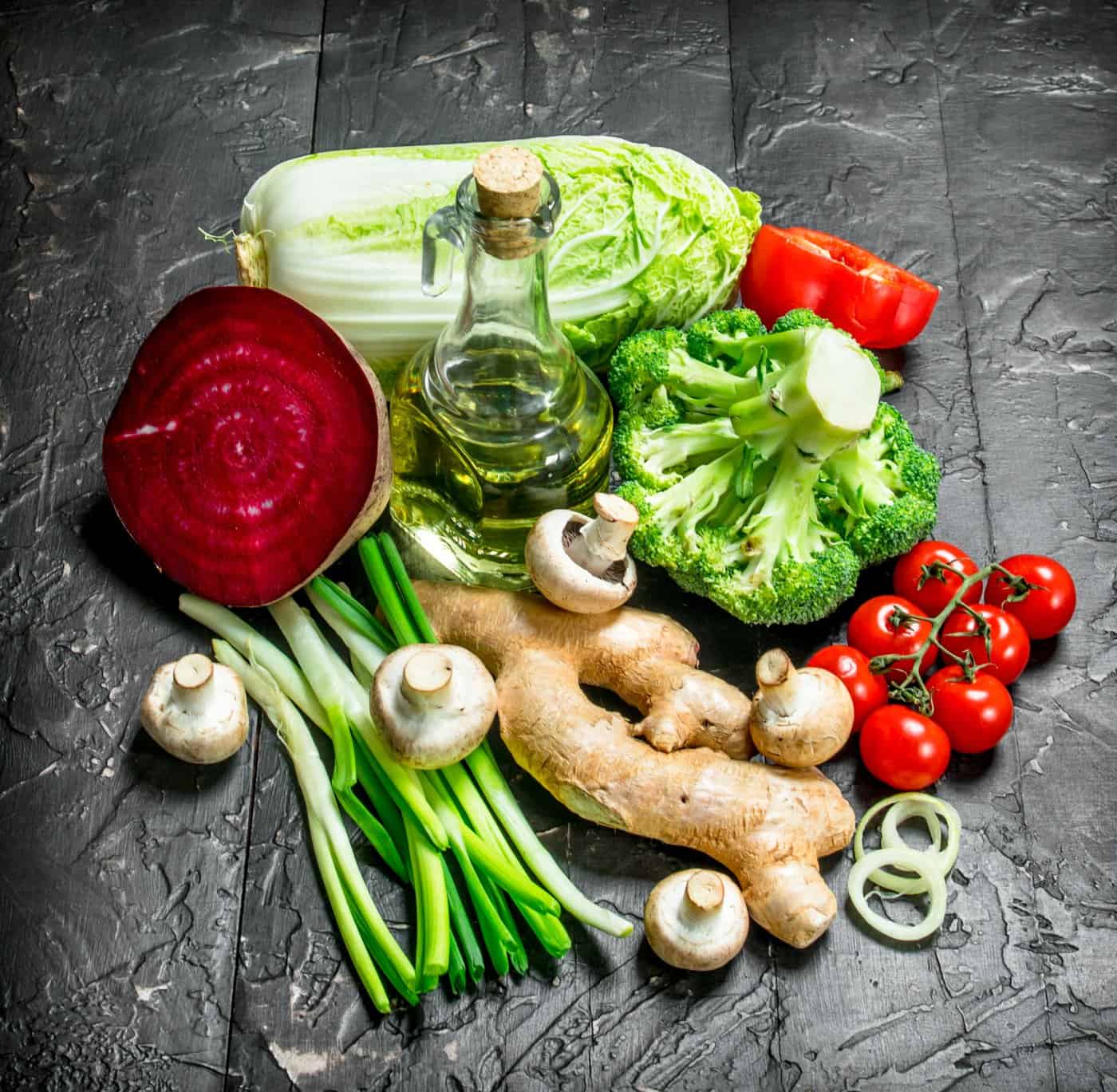
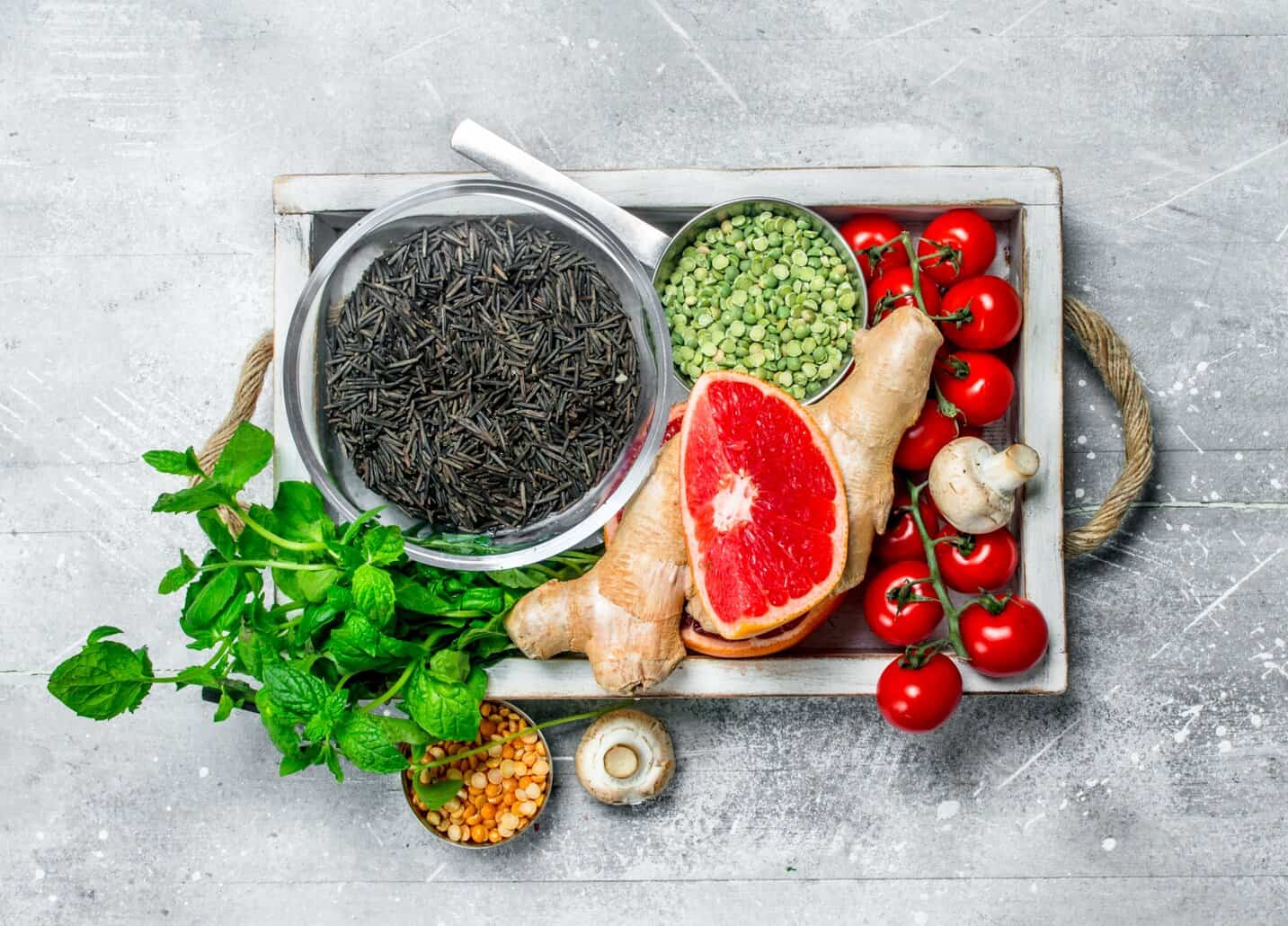
Whole vegetables, including beetroot, broccoli, mushrooms, ginger, tomatoes, and leafy greens, arranged on a dark surface.

Today, shoppers want ingredients they recognize. Short lists, plant-based nutrients, and non-GMO sources are no longer optional. Food-based vitamin D checks all those boxes.

When derived from fruits, vegetables, or fungi, it delivers nutrients without synthetic isolates. NutriFusion’s GrandFusion blends help stabilize naturally occurring vitamins and minerals, including vitamin D from plant-based sources. No synthetics. No additives. That means you can enhance nutrition while keeping your label credible and straightforward.

Safety and quality expectations matter in formulation. NutriFusion supports manufacturers with GrandFusion blends designed for clean-label fortification across food, beverage, nutraceutical, and pet applications. Manufacturers gain confidence when a clean-label replacement avoids recipe overhauls while maintaining nutritional value. Small changes can make a meaningful impact.

How to Read Vitamin D Claims on Ingredient Labels

Reading vitamin D labels can feel like decoding a secret. IU, micrograms, D2, and D3. If you are staring at a bottle wondering what it all means, let’s simplify it.

Understand Units, Forms, and Daily Values

IU stands for International Units. One IU equals 0.025 micrograms. Percent Daily Value shows how much a serving contributes to your Daily Value. D3 is often associated with more substantial increases in vitamin D status, though some plant-based products use D2 or vegan D3. Think of it like pouring milk into a cup. You want the right amount, not too little or too much.

Spot Real Food vs Synthetic Vitamin D

Source matters. “From lanolin” typically signals an animal-derived source. “From lichen” or “from shiitake mushrooms” can signal plant-based sourcing. Phrases like “no synthetics” or “nutrients created by nature, not the lab” can support transparency. A glance at the back-of-pack often tells you more than the front label alone.

Next time you shop, it helps to look beyond the numbers. Focus on sources you recognize and labels you can trust. That can make the decision more straightforward.

Formulating With Plant-Based Vitamin D: A Roadmap for Food, Beverage, and Supplement Brands

Vitamin D presents challenges. Off-tastes, stability issues, overages, and performance through heat, freezing, or processing can complicate product development.

GrandFusion blends simplify this. We can incorporate GrandFusion plant-based nutrient blends into foods, beverages, and nutraceutical formats with minimal sensory impact, supporting clean-label fortification with fewer texture or taste concerns. They are heat-stable and can help maintain mouthfeel, making formulations easier to manage.

Plant-based vitamin D is available in many formats: nutraceutical capsules, drink mixes, yogurts, frozen meals, kids’ snacks, and pet formulas. Using food-based D3 can help keep labels recognizable and straightforward. Clean-label nutrition is not a fad. It is a competitive advantage.

Build Trust With Real Food Vitamin D3

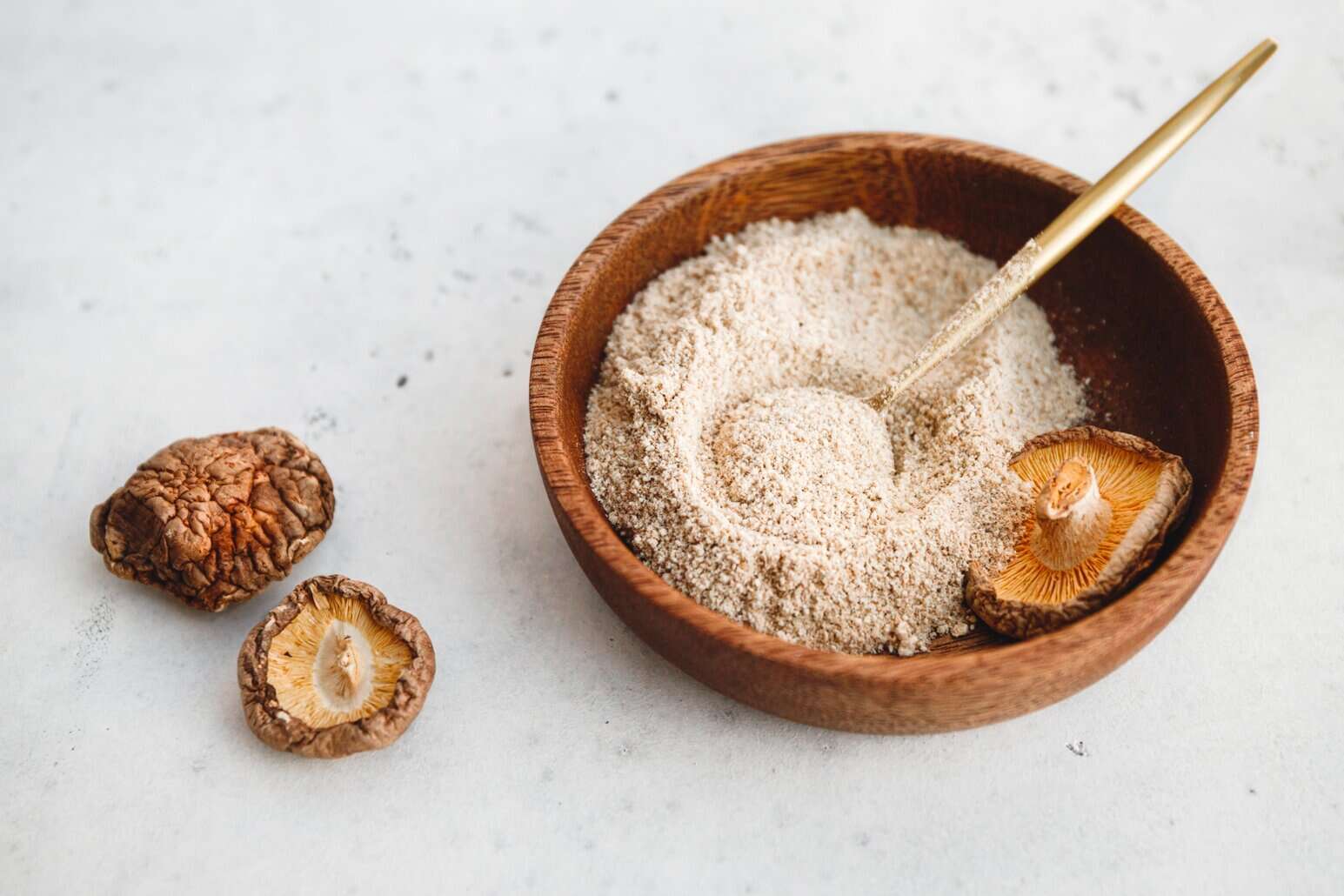
NutriFusion mushroom powder in a wooden bowl with a scoop, shown alongside dried mushrooms.

People care about the source, not just how much is in it. If your labels say your vitamin D comes from actual foods like fruits, veggies, or mushrooms, people will trust you more. If you mix that with easy-to-read labels and clear dosing info, your brand will gain fans and keep them.

We can add NutriFusion® GrandFusion® blends, which are non-GMO, plant-based, and made without synthetics. The result is products that meet modern expectations for nutrition and integrity.

We have seen how this approach can strengthen customer loyalty. When people know where their nutrients come from, they feel confident choosing your products. GrandFusion® blends make it easier to deliver plant-based, non-GMO vitamin D without synthetics in foods, beverages, supplements, and pet products. Working with solutions built for clean labels helps manufacturers align with clean-label trends while offering nutrients people recognize and trust.

Explore NutriFusion®’s GrandFusion® 6 Nutrient Vegetable Blend 50 (NF-2770) to deliver plant-based vitamin D with labels customers can trust.


NutriFusion

NutriFusion develops all‐natural fruit and vegetable powders that are nutrient-dense, for when you do not have access to fresh produce, and even when you do, to improve your vitamin intake. Sourcing only whole, non-GMO foods, NutriFusion offers consumers a concentrated micronutrient and phytonutrient-rich food ingredient blend. With a farm-to-table philosophy, NutriFusion’s proprietary process stabilizes the nutrients from perishable fruits and vegetables, allowing a longer shelf life and access to vital nutrients.

NutriFusion fruit and/or vegetable powders are for use in foods, beverages, supplements, and pet foods. NutriFusion can help! Visit us at www.nutrifusion.com.


References

  1. National Institutes of Health. 2025. Vitamin D — Health Professional Fact Sheet. Office of Dietary Supplements. https://ods.od.nih.gov/factsheets/VitaminD-HealthProfessional/
  2. PubMed. 2012. “Vitamin D3 Is More Effective Than Vitamin D2 in Raising Serum 25-Hydroxyvitamin D Levels.” PubMed. https://pubmed.ncbi.nlm.nih.gov/22552031/
  3. U.S. Food and Drug Administration. 2025. GRAS Notice GRN 690: Fruit and Vegetable Vitamin Extract. https://www.fda.gov/files/food/published/GRAS-Notice-GRN-690-Fruit-and-vegetable-vitamin-extract.pdf
https://nutrifusion.com/wp-content/uploads/2026/01/vitamin-d3-arranged-d3.jpg 1030 1545 NF Admin https://nutrifusion.com/wp-content/uploads/2022/05/NutriFusion-Logo-New-1030x251.png NF Admin2026-01-02 11:18:532026-01-02 11:18:53Vitamin D3 Explained: Real Food vs. Synthetic Vitamins (And Why Your Label Matters)

Are Frozen Fruits Healthy? The Truth About Fruit Powders in Your Smoothies and Snacks

in Health & Nutrition

A smoothie we all love typically features bright berries, perfectly cubed mango, and fresh greens. Now consider what goes into most smoothies and snack formulations. Frozen fruit. Freeze-dried inclusions. Fruit powders. That contrast leads many people to pause and ask: Are frozen fruits healthy?

If you develop food, beverage, or nutrition products, you hear this question often. Your customers want real fruit nutrition. You need ingredients that scale, last, and fit clean-label expectations. So let’s take a closer look at the facts.

In this blog, we will examine the nutritional value of frozen fruit, the benefits of freeze-dried fruit, and the real role of fruit powders in smoothies and snacks. We will also share how whole-food ingredient solutions can help you deliver transparent, plant-based nutrition in modern formats.

What People Really Mean by “Are Frozen Fruits Healthy?”

Most people are not questioning frozen fruit itself, but rather how its nutritional value changes after processing. Frozen fruit is typically harvested at peak ripeness. It is washed, prepared, and frozen shortly after harvest. This quick process helps preserve vitamins, minerals, fiber, and antioxidants.

Research consistently shows that frozen fruit can deliver nutritional value similar to that of fresh fruit. In some cases, however, it performs better than fresh produce that spends extended time in transport or storage. That said, not all nutrients behave the same way. Some vitamins, such as vitamin C, are sensitive to oxygen and time. That is why storage conditions matter.

So the honest answer is not a simple yes or no. Frozen fruit is a healthy option when sourcing, handling, and formulation choices are managed well.

Myth #1: Frozen Fruit Is Less Nutritious Than Fresh

Fresh fruit feels more natural. Frozen fruit feels processed. So you assume fresh is better.

Fresh fruit can seem like the better choice, but the evidence is more balanced. Frozen fruit is usually harvested at peak ripeness and frozen soon after, which helps retain nutrients.

Fresh fruit may spend days in transit and storage, and some nutrients decline over time. In most cases, frozen and fresh fruit offer comparable nutrition. Fiber stays intact, supporting fullness and digestion.

The real concern is not freezing. It is what may be added. Sugary syrups and sweetened blends can shift the nutritional profile. The takeaway is simple. Plain frozen fruit is a strong option when the ingredient list stays clean.

Myth #2: Fruit Powders Are Just Sugar, Not Real Fruit

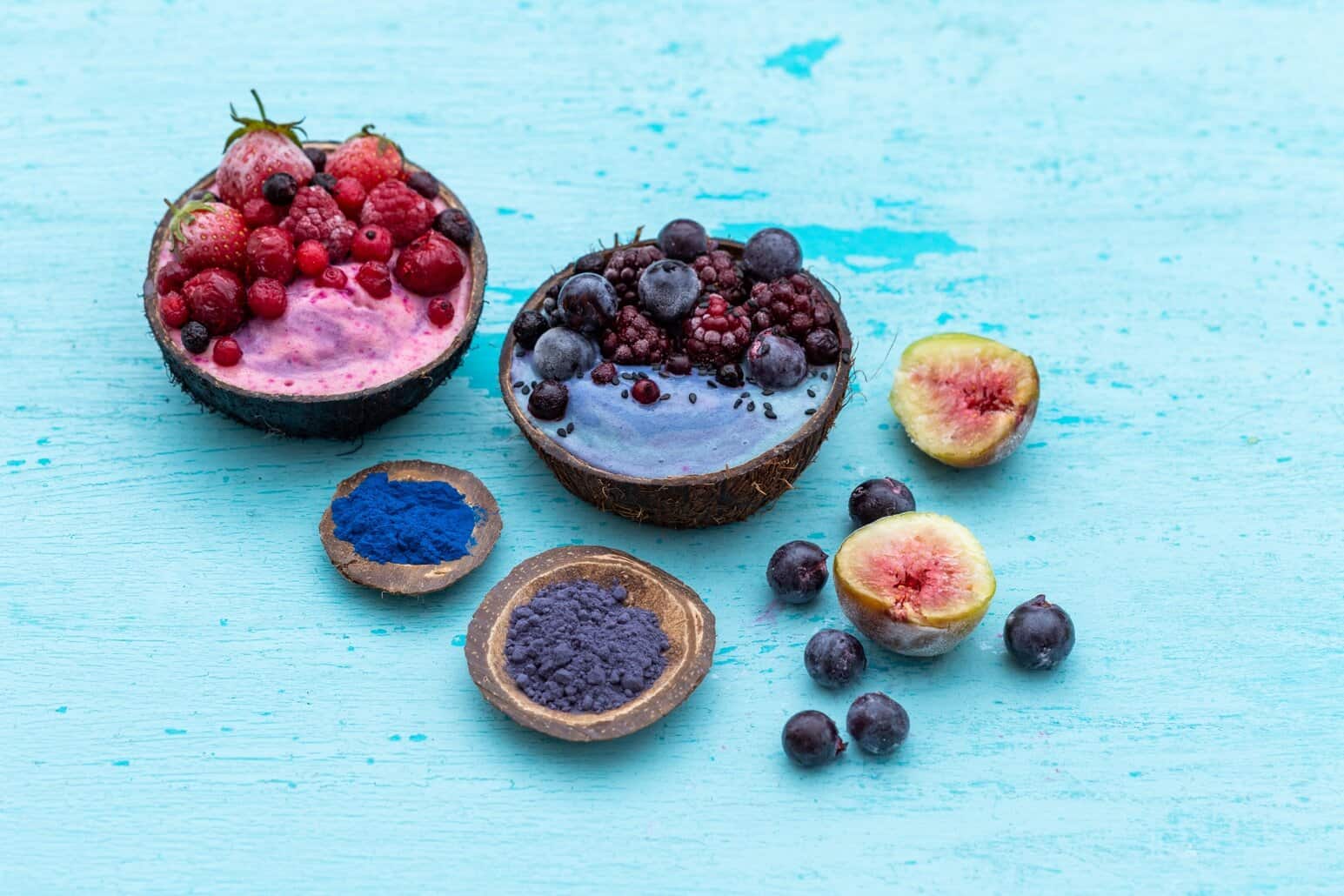
NutriFusion fruit powders beside bowls with berries and fresh figs on a blue surface.

Fruit powders are often grouped together, which can cause confusion. High-quality fruit powders begin with real fruit. The fruit is dried, water is removed, and then it is milled into powder. This concentrates nutrients, creating real advantages for manufacturers.

These powders are shelf-stable, easy to store, and simple to dose. Small amounts can deliver vitamins, minerals, and bioactive compounds in smoothies, bars, and ready-to-mix drinks.

What matters most is transparency. Some powders lose fiber and can be calorie-dense on a weight basis. Pure fruit powders are very different from blends bulked up with sugar, maltodextrin, flavors, or fillers. Those additions are what give fruit powders a bad reputation.

Freeze-Dried Fruit Benefits and Practical Tradeoffs

Freeze-dried fruit sits between fresh, frozen, and powdered options. The fruit is frozen, then vacuum-dried to remove water while preserving its structure. This process retains much of the original vitamins, minerals, and phytochemicals. It also delivers a long shelf life without the use of preservatives.

The result is bold flavor and a light, crunchy texture. That is why brands use it in snacks, cereal toppings, and premium smoothies.

There are trade-offs. Freeze-dried fruit costs more than frozen or powdered forms. Without water, sugars concentrate, so portions matter. Many brands blend formats. Freeze-dried fruit adds texture, powders support nutritional goals, and frozen fruit provides volume.

Fruit Powder vs Fresh Fruit in Product Formulation

This comparison often arises in formulation discussions, but it oversimplifies the issue. Fresh fruit excels at providing water, volume, and a familiar eating experience. It supports satiety, looks appealing on the pack, and signals freshness to shoppers.

Fruit powders solve different problems. They are shelf-stable, easy to store, and simple to dose with precision. That makes them easier to work with at scale, especially when seasonality or supply variability is a concern.

They also perform where fresh fruit struggles. Think bars, baked snacks, dry blends, and ready-to-mix beverages. So this is not a choice between fresh fruit and fruit powders. It is about using each format where it makes the most sense. 

How Fruit Powders Are Used in Smoothies and Snacks

Fruit powders support convenience and nutrition in product development, for smoothies and ready-to-mix (RTM) beverages. Powders eliminate peeling, washing, and fruit waste. They provide consistent flavor, color, and nutrient content, making production smoother and more reliable.

For snack bars, bites, or fruit-leather-style products, fruit powders can:

  • Reduce some added sugar while delivering natural sweetness.
  • Add vibrant color and fruit flavor with minimal added processing.
  • Deliver vitamins, minerals, and antioxidants in small, manageable amounts.

Powders made from whole fruits and vegetables make clean labels clearer. You can say “made from real fruits and vegetables,” not just “natural flavors.” NutriFusion® GrandFusion® blends support nutrient-dense, shelf-stable smoothies, bars, and snacks with transparent ingredient lists.

Ingredient Transparency in Frozen and Fruit Powder Choices

When it comes to frozen, freeze-dried, or powdered fruit, transparency is more than a buzzword. It is how you build trust with your customers. For frozen fruits, the simplest label often tells the biggest story:

  • Single-ingredient: Strawberries” or “Mango,” without added syrups or sweeteners.
  • Origin and handling: Determine whether the fruit is ready-to-eat or intended for cooking.

Freeze-dried fruits deserve similar attention:

  • Check for 100% fruit without oils, sugars, or other additives.
  • Be mindful of portion sizes. Removing water makes them more calorie- and sugar-dense on a per-gram basis.

For fruit powders and blends:

  • Confirm they are truly derived from whole fruits and vegetables.
  • Avoid fillers, carriers, or synthetic vitamins.

Clear labels and simple ingredient lists make it easier to position fruit powders credibly. Statements such as “made with real fruit,” “plant-based nutrients,” and “non-GMO” can help brands communicate quality, transparency, and nutrition to consumers.

How NutriFusion Supports Whole-Fruit Nutrition at Scale

At NutriFusion, we source high-quality fruits and vegetables and turn them into nutrient-dense powders. GrandFusion blends make it easy to add whole-food fruit nutrition to smoothies, RTM beverages, bars, and better-for-you snacks while preserving flavor and key nutrients.

Example blends:

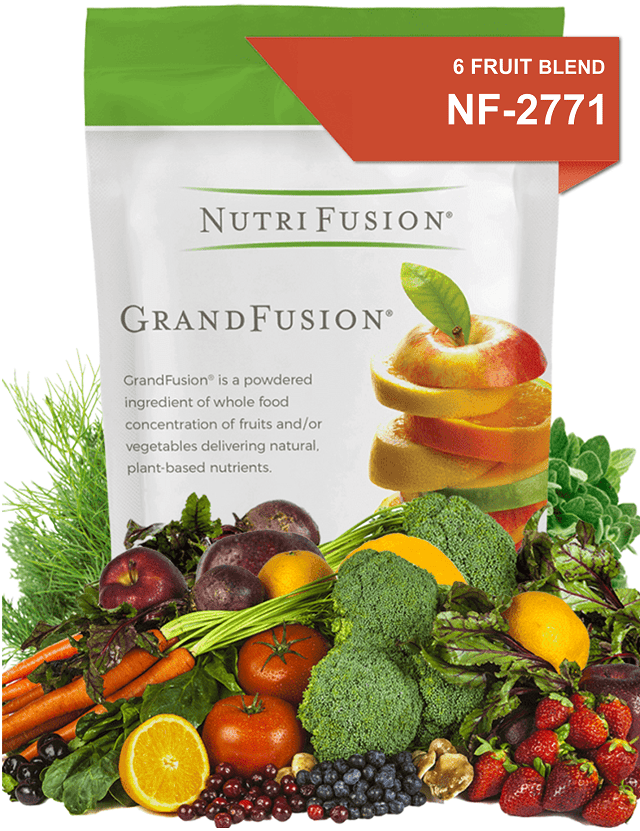
  • 6 Nutrient Fruit Blend (NF-2771): Orange, banana, papaya, and shiitake mushroom.
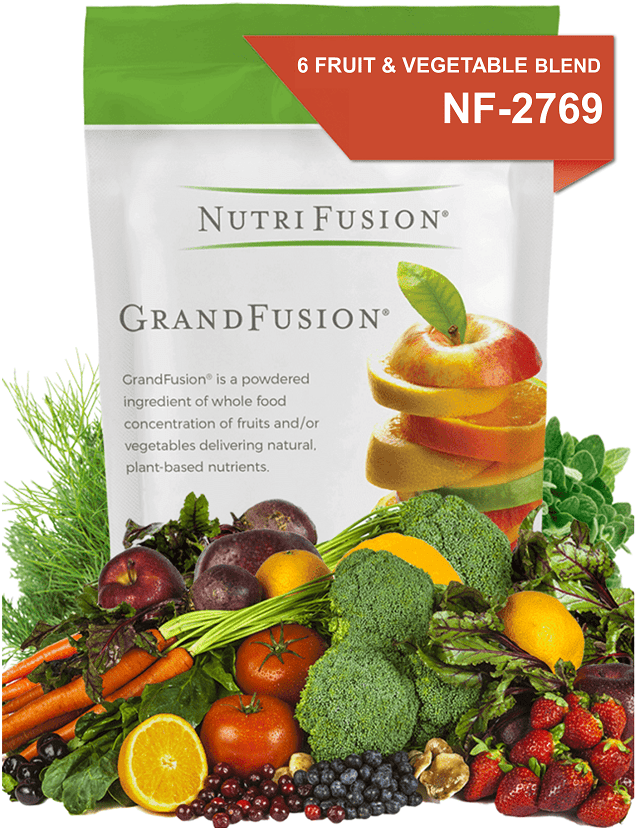
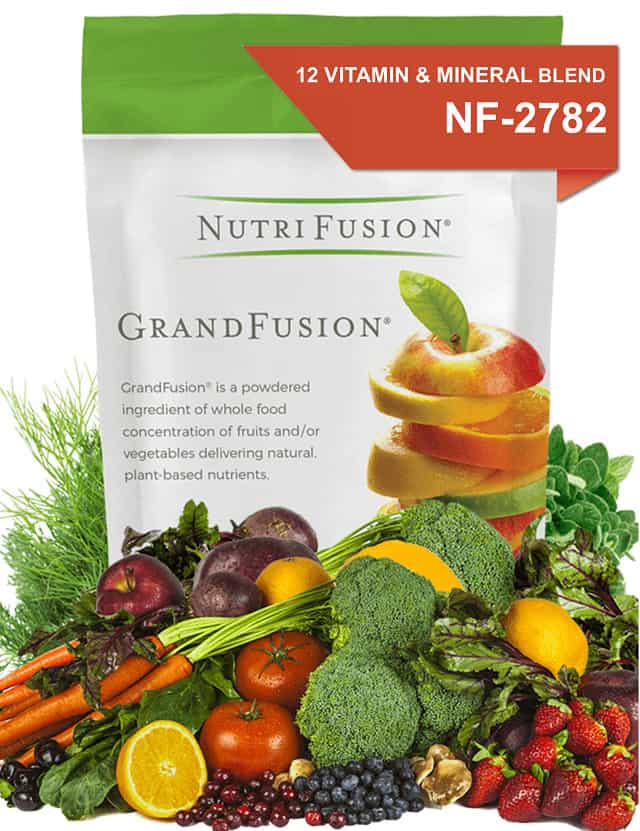
  • 6 & 12 Nutrient Fruit and Vegetable Blends (NF-2769, NF-2782): Spinach, broccoli, carrot, sweet potato, apple, strawberry, and seeds.

Each 450 mg serving can provide 100% of the Daily Value for key vitamins, with no synthetic additives.

NutriFusion 6 Nutrient Blend Fruits whole fruit powder supporting smoothies snacks and clean label nutrition

6 Nutrient Fruit Blend | NF-2771

Add to cart

NutriFusion 6 Nutrient Blend Fruits Vegetables plant based fruit and veggie powder for balanced nutrition

6 Nutrient Fruit & Vegetable Blend | NF-2769

Add to cart

NutriFusion 12 Nutrient Blend Fruit Vegetables nutrient dense whole food powder for smoothies and snacks

12 Nutrient Fruit & Vegetable Blend | NF-2782

Add to cart

Turn Frozen Fruit Myths Into Real-Food Innovation 

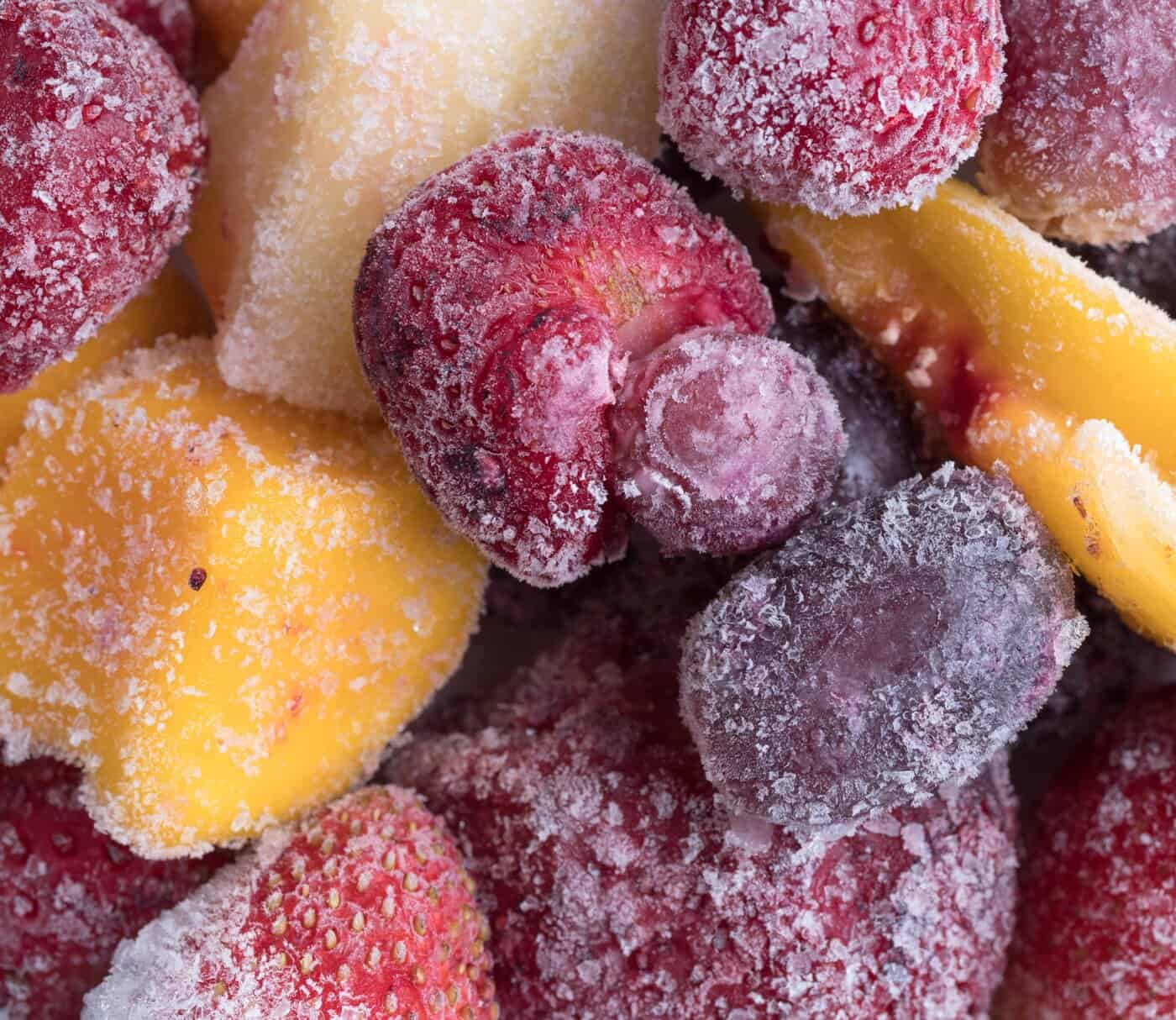
 Frozen fruit mix showing strawberries, mango slices, used in GrandFusion blends.

Frozen fruit myths confuse brands and shoppers alike. The truth is simple. Plain frozen and freeze-dried fruits retain most of their vitamins, minerals, and fiber. Fruit powders made from whole fruit can help carry that nutrition into shelf-stable products like smoothies, bars, and snacks.

For brands, the goal is not to choose between formats. It is using the right mix to deliver clear labels and real nutrition. That is where NutriFusion GrandFusion blends fit, making it easy to add whole-food, plant-based nutrition to smoothies, RTM mixes, bars, and better-for-you snacks while supporting taste and functionality.

Turn frozen fruit questions into confident labels with NutriFusion® GrandFusion® blends in smoothies and snacks.


NutriFusion

NutriFusion develops all‐natural fruit and vegetable powders that are nutrient-dense, for when you do not have access to fresh produce, and even when you do, to improve your vitamin intake. Sourcing only whole, non-GMO foods, NutriFusion offers consumers a concentrated micronutrient and phytonutrient-rich food ingredient blend. With a farm-to-table philosophy, NutriFusion’s proprietary process stabilizes the nutrients from perishable fruits and vegetables, allowing a longer shelf life and access to vital nutrients.

NutriFusion fruit and/or vegetable powders are for use in foods, beverages, supplements, and pet foods. NutriFusion can help! Visit us at www.nutrifusion.com.


References

  1. Food to Live. n.d. “The Difference Between Fruit Powders and Fresh Fruit.” https://foodtolive.com/healthy-blog/the-difference-between-fruit-powders-and-fresh-fruit/
  2. Healthline Editorial Team. n.d. “Dried Fruit: Good or Bad?” Healthline.https://www.healthline.com/nutrition/dried-fruit-good-or-bad
  3. Shreeji Foods. n.d. “Difference Between Fruit Powder and Fresh Fruits.” Shreeji Foods Blog. https://shreejifoods.in/blogs/articles/difference-between-fruits-powder-and-fresh-fruits
https://nutrifusion.com/wp-content/uploads/2025/12/smoothie-topped-with-fruits.jpg 1050 1400 NF Admin https://nutrifusion.com/wp-content/uploads/2022/05/NutriFusion-Logo-New-1030x251.png NF Admin2025-12-31 15:27:082025-12-31 15:27:08Are Frozen Fruits Healthy? The Truth About Fruit Powders in Your Smoothies and Snacks

Real Foods vs. Processed: How Clean Label Ingredients Are Changing the Game

in Health & Nutrition

On a crowded retail shelf, shoppers often compare two similar products. One carries a long list of additives, preservatives, and synthetic nutrient sources. The other highlights “100% real foods,” “plant-based sources of nutrients,” and “no GMOs,” and that is the one that goes into the cart.

Manufacturers see these choices every day while still needing products that are safe, scalable, and convenient. In this blog, we’ll look at what separates real foods from processed foods, how clean label expectations are reshaping formulations, and how plant-based, non-GMO NutriFusion real food-derived nutrient systems support product performance and long-term nutritional health.

Real Foods vs. Processed: What’s the Difference

Real foods are whole or minimally processed edible parts of plants, animals, and fungi that retain their natural structure and nutrients. Think fresh fruits and vegetables, whole grains, eggs, unflavored dairy, nuts, seeds, and minimally processed meats. These real foods usually have short ingredient lists, often just one ingredient, and deliver higher-quality nutrition, including fiber, vitamins, minerals, and phytonutrients.

Processed foods exist on a spectrum. Minimally processed options include washing, freezing, drying, fermenting, or pasteurizing to extend shelf life while preserving most of the original nutritional value. Ultra-processed foods, by contrast, are built from industrial formulations with refined ingredients, added sugars, unhealthy fats, salt, and multiple additives that resemble home-cooked food less and less.

Clean label ingredient systems now give manufacturers a way to rethink processed foods, so they behave more like real foods nutritionally and on the label, without abandoning processing entirely.

Why Real Foods Matter for Long-Term Health

Non-GMO fruits and vegetables showing real food sources for NutriFusion plant-based nutrient powders.

The real food movement is grounded in long-term health research rather than short-lived trends. Eating patterns rich in whole or minimally processed foods such as fruits, vegetables, legumes, nuts, seeds, and whole grains have consistently been associated with lower risk of a range of chronic disease outcomes. By contrast, higher intakes of ultra-processed foods have been associated with increased risk of obesity and other adverse health outcomes in large population studies.

Processing is a vital part of making food safe, moving it through the supply chain, distributing it globally, and providing convenience. The problem occurs when food products combine low nutritional density with excess refined carbohydrates, added sugars, unhealthy fats, and large numbers of synthetic additives.

As formulators, we want to provide the advantages that come with processing food while maintaining the label-friendly attributes of real food ingredients. This means utilizing nutrient-dense, plant-forward design, easy-to-understand ingredient labels, and modern clean-label systems that use real foods to source nutritious blends.

Clean Label: Bringing Real Food Principles Into Processed Products

Although the term clean label is not legally defined, it is generally understood as products that are created with only natural ingredients, without added synthetic substances or artificial flavors, preservatives, or similar additives. Often, they meet the criteria of being non-GMO, plant-based, or sourced from organic ingredients.

The primary purpose of a clean label is transparency. To do this effectively, a clean label requires manufacturers to:

  • Use fewer ingredients on the ingredient panel.
  • Use simpler, more recognizable ingredients.
  • Utilize real food components such as fruits, vegetables, nuts, seeds, herbs, and whole grains.

Consumers associate clean label with trust, and that trust strongly influences purchasing decisions alongside other ethical and environmental values. Providing clean-label products consistently across a variety of manufactured goods is well supported by the use of plant-based nutrient ingredients and non-GMO, non-synthetic ingredients. Plant-based nutrients and non-GMO ingredients help fill this requirement. They allow us to use real food nutrients to make processed foods without affecting texture, flavor, process efficiency, or shelf life.

NutriFusion helps fulfill this role. Our business is based on providing manufacturers and brands access to a full range of nutrient systems derived directly from fruit and vegetable sources while maintaining both clean labeling and operational efficiency.

New Standards of Plant-Based Nutrients and Non-GMO Ingredients

Plant-based nutrients such as vitamins and minerals, fiber, and phytonutrients (naturally occurring compounds in plants) have become a foundation for many modern formulations, which often favor them over purely synthetic fortification. Research across many populations associates plant-based nutrition with improved cardiometabolic markers, healthier weight management patterns, and reductions in key risk factors for cardiometabolic disease.

Alongside this shift toward plant-based nutrition is an increase in consumer demand for non-GMO ingredients. Many consumers view non-GMO ingredients as a proxy for safety, higher quality, and natural sourcing. In response, ingredient suppliers are increasingly promoting non-GMO, natural, minimally processed ingredients as part of clean label strategies.

The future of processed foods for manufacturers will utilize NutriFusion’s proprietary plant-based, non-GMO nutrient systems that provide a real-food experience while enhancing nutritional profiles. NutriFusion fruit and vegetable-based blends are creating opportunities for brands to improve their nutrition facts panels and ingredient lists by using ingredients that are as close to real food quality as possible.

NutriFusion’s Approach From Real Foods to Real Food Ingredients

Colorful fruits and vegetables showing whole-food ingredients used in NutriFusion nutrient blends.

At NutriFusion, we operate under a straightforward principle: real food and real food nutrition. Using only whole, non-GMO-sourced fruits and vegetables as our starting point, NutriFusion has developed concentrated blends that capture key vitamins, minerals, and phytonutrients naturally found in fruits and vegetables.

All NutriFusion nutrient blends are 100% plant-based, providing plant-based nutrition for use in supplements, foods, beverages, and pet food. As a result, NutriFusion blends can be formulated without doubtful or unrecognizable ingredients.

NutriFusion’s GrandFusion nutrient blends for supplements provide several benefits to manufacturers, including:

  • Real fruits and vegetables provide 100% plant-based nutrition
  • Recognizable ingredients that support clean ingredient statements
  • No synthetic additives or preservatives
  • Low sensory impact to help maintain taste and texture
  • High potency, with 450 milligrams providing 100% of the daily value of key nutrients
  • Heat stability, formulated to withstand high heat and other demanding manufacturing processes while helping preserve nutrient levels
  • Potential for improved shelf life from the natural antioxidants in NutriFusion blends

NutriFusion’s GrandFusion blends enable manufacturers to use processing to deliver real food nutrition in processed products such as snacks, drinks, cereals, snack bars, supplements, and pet food while maintaining manufacturing efficiency.

R&D Guide to Apply Real-Food, Clean-Label Ingredients in Processed Foods

We recommend a structured approach to integrating real food nutrition into processed categories through your research and development, formulation, and innovation teams as follows:

  1. Identify what “real food” means for your brand. Is your target plant-forward, non-GMO, nutrition derived from fruits and vegetables, or transparency for families? This will guide which ingredients you select, which claims you make, and how you communicate them.
  2. Review your products. Evaluate existing formulations to see where the use of synthetic vitamins, artificial colors, artificial flavors, and long ingredient lists detracts from your opportunity to achieve a clean label.
  3. Change to plant nutrient systems. NutriFusion’s GrandFusion products consolidate vitamins and phytonutrients from fruits and vegetables into one powdered ingredient, eliminating duplicate SKUs and improving overall ease of use. Additionally, they can significantly improve the clarity and readability of the label.
  4. Build for performance during processing. Select ingredients that will withstand the rigors of high heat, extrusion, baking, pasteurization, and extended shelf life. GrandFusion’s products are formulated to withstand robust manufacturing conditions and support long shelf life while helping preserve nutritional value.
  5. Communicate benefits in clear, compliant, legible language, such as vitamins from fruits and vegetables, plant-based nutrients, made with non-GMO ingredients, no synthetics, and simple ingredients.

This approach helps enhance consumer trust while supporting regulatory compliance.

Building the Future of Processed Foods With Real Food Nutrition

The distinction between whole foods and processed foods will continue to shape how people think about what they eat. With the use of clean label ingredients, plant-based nutrients from fruits and vegetables, and non-GMO ingredient systems, manufacturers can help shift perceptions of processed food toward options that better align with how consumers eat today and what they expect from real foods.

As an innovator, we at NutriFusion® support that transformation. Using GrandFusion® fruit- and vegetable-derived nutrient blends, food and beverage manufacturers can enhance the nutritional content and label quality of products ranging from snack items to baked goods, beverages, cereals, supplements, pet food, and more, helping to avoid costly reformulation and sensory trade-offs.

Explore NutriFusion® Whole-Food Nutrient Blends to power your next clean label launch.


NutriFusion

NutriFusion develops all‐natural fruit and vegetable powders that are nutrient-dense, for when you do not have access to fresh produce, and even when you do, to improve your vitamin intake. Sourcing only whole, non-GMO foods, NutriFusion offers consumers a concentrated micronutrient and phytonutrient-rich food ingredient blend. With a farm-to-table philosophy, NutriFusion’s proprietary process stabilizes the nutrients from perishable fruits and vegetables, allowing a longer shelf life and access to vital nutrients.

NutriFusion fruit and/or vegetable powders are for use in foods, beverages, supplements, and pet foods. NutriFusion can help! Visit us at www.nutrifusion.com.


References

  1. The Guardian. 2025. “Ultra-Processed Food Linked to Harm in Every Major Human Organ, Study Finds.” The Guardian, November 18. https://www.theguardian.com/society/2025/nov/18/ultra-processed-food-linked-to-harm-in-every-major-human-organ-study-finds .
  2. Harvard T.H. Chan School of Public Health. 2025. “Processed Foods and Health.” The Nutrition Source. https://nutritionsource.hsph.harvard.edu/processed-foods/ .
  3. Fang, Z., et al. 2024. “Association of ultra-processed food consumption with all-cause and cause-specific mortality: results from prospective cohort studies.” BMJ 385: e078476. https://doi.org/10.1136/bmj-2023-078476.
  4. Scrinis, G., and D. Monteiro. 2025. “Towards unified global action on ultra-processed foods.” The Lancet (Comment/Series). https://doi.org/10.1016/S0140-6736(25)01567-3.
  5. Harvard Health Publishing. 2023. “Clean Eating: The Good and the Bad.” Harvard Health Blog, April 14. https://www.health.harvard.edu/staying-healthy/clean-eating-the-good-and-the-bad .
  6. Meticulous Research. 2025. Clean Label Ingredients Market – Growth, Trends, and Forecasts (2025–2032). Industry report. https://www.meticulousresearch.com/product/clean-label-ingredients-market-5588
  7. FoodChain ID. 2024. Clean-Label Trends: A Global Perspective. White paper. https://www.foodchainid.com/resources/clean-label-trends-a-global-perspective/
https://nutrifusion.com/wp-content/uploads/2025/12/vibrant-fruits-vegetables.jpg 1030 1416 NF Admin https://nutrifusion.com/wp-content/uploads/2022/05/NutriFusion-Logo-New-1030x251.png NF Admin2025-12-26 20:12:212025-12-26 20:12:21Real Foods vs. Processed: How Clean Label Ingredients Are Changing the Game
Page 4 of 54«‹23456›»

NUTRIFUSION®

GrandFusion® is a blend of fruits and/or vegetables that can significantly increase the nutritional profile and, therefore, the marketability of food, beverage, pet, and snack products.

Categories

  • Animal Nutrition
  • Beverages & Drinks
  • Consumer Packaged Goods
  • Corporate Partnerships
  • Corporate Updates
  • Featured
  • Food Business
  • Food Retail
  • GLP-1
  • Health & Nutrition
  • Infographics
  • Kid's Health
  • News
  • Press Releases
  • Product Announcements
  • Recipes
  • Supplements & Nutraceuticals
  • Uncategorized

ABOUT NUTRIFUSION®

NutriFusion® provides the nutrient-rich benefits of fruits and vegetables in everyday food products through whole non-GMO foods to create its concentrated micronutrient and phytonutrient-rich food ingredient blends.

Search NutriFusion

Search Search

SEAL OF AUTHENTICITY

NUTRIFUSION® CERTIFICATES

NutriFusion Cert Bar

Categories

  • Food
  • Beverages & Drinks
  • Pet Food
  • Nutraceuticals
  • Contact Us
  • Privacy Policy

© Copyright 2026 NutriFusion LLC | All Rights Reserved.

Scroll to top Scroll to top Scroll to top