
• Link to LinkedIn
  • Link to Facebook
  • Call Us
NutriFusion
  • Applications
    • All Blends
    • Food
    • Beverages & Drinks
    • Nutraceuticals
    • Pet Nutrition
    • Custom Superfood
  • R&D
    • Research & Development
    • Vitamin Deficiency
  • Active Research
  • About
    • About NutriFusion®
    • Certifications
  • Contact
  • News
    • Press Center
  • Podcasts
  • Blog
  • Store
  • Click to open the search input field Click to open the search input field Search
  • Menu Menu

Archive for category: Food Business

Small Manufacturers Are Experiencing Large Growth

in Consumer Packaged Goods, Food Business, Food Retail

Although almost $3 billion in losses took place in U.S. retail during the first quarter because of a shift in the timing of Easter as well as changing consumer preferences, growth is not impossible. Contrary to what the numbers show, a few small food and beverage manufacturers are thriving during an unexpected time. Only five years ago, the largest food and bev manufacturers represented one-third of all dollar sales. However, to date, they account for only 31%, and smaller manufacturers (which exceed $100,000 in sales annually) have gained the two percentage points of market share, valuing at about $2 billion. Currently, nearly 16,000 companies, which make up the smallest manufacturers, are responsible for 19% of dollar sales and are also experiencing over half of the growth (53%).

For Full Article and Results From Nielsen, please visit: http://www.nielsen.com/us/en/insights/news/2017

Transparency is Now Key to Consumer Approval

Research put into the shift of growth in the U.S. retail industry shows that transparency is winning. Small manufacturers place a significant portion of their focus on health as well as the need to provide a transparent environment for consumers. At the same time, they do well to maintain an exceptional price point that retailers love!

Clean Labels Gaining Popularity

A “clean label” refers to a product that does not contain any artificial sweeteners, preservatives, colors, and flavors, as well as antibiotics and hormones in beverage and food categories. These products also typically make marketing label claims on their packaging to entice consumers.

As shown in a worldwide ingredients survey conducted by Nielsen, consumers have a tendency to keep a close eye on the details of products―actually, nearly three-quarters of survey participants said they felt positively toward businesses dedicated to honesty regarding their product sourcing; 68% were willing to spend more money on beverages and food free of ill-favored ingredients; 64% of the diets of consumers forbid specific ingredients. The longing for clean labels stems from the growing desire for company transparency.


Clean label products are now responsible for 30% of sales in the market, which has grown by 5.6% over the last five years. Small manufacturers dominate large competitors regarding clean label sales and growth. This past year has shown that small manufacturers sold the most share of clean label products in comparison to their other sales. Small manufacturers led with 40% of their sales coming from clean labels, followed by middle-sized manufacturers at 38%, private-label manufacturers at 27%, and lastly, large manufacturers at 24% of their sales coming from clean label products.

Small manufacturers take the lead in premium price tiers as well. Recently, premium-priced sales made up 44% of small producers’ sales, a significant difference when compared to the premium price of the sale of large manufacturers, recorded at 39% and below.

During the last five years, both medium- and small-sized manufacturers have upped their distribution throughout regions, resulting in a greater amount of space inside stores. Out of the roughly 900 beverage and food items that have been stock on store shelves since 2013, 88% came from medium- and small-sized companies. Retailers are giving small manufacturers an opportunity to sell their products to customers more frequently than ever before.

Increasing Sales with Promotion

Due to a larger variety and connection to real consumer desires, smaller and private manufacturers are finding sales success while also spending less on the promotion of their offerings. Larger corporations, on the other hand, have spent much more money than average on trade promotions. As of April 2017, sales based on advertising are accredited to 40% of large manufacturers’ sales, compared to 27% of small manufacturers’ sales.


As the demand for clean label products increases, more and more people will be willing to buy them, whether or not there are promotions. To adapt to the smaller manufacturers taking advantage of this trend, retailers and marketplaces must provide more space in order to account for the consumer demand. The long term success of this trend is still undefined. We will see how large brands respond. The most consistent way to adapt for large companies is through the acquisition of small manufacturers.

Inspired by www.nielsen.com
https://nutrifusion.com/wp-content/uploads/2022/05/NutriFusion-Logo-New-1030x251.png 0 0 NF Admin https://nutrifusion.com/wp-content/uploads/2022/05/NutriFusion-Logo-New-1030x251.png NF Admin2017-07-17 09:30:552017-07-17 09:30:55Small Manufacturers Are Experiencing Large Growth

The World’s First Healthy Alcoholic Beverage

in Beverages & Drinks, Food Business, Food Retail, Health & Nutrition

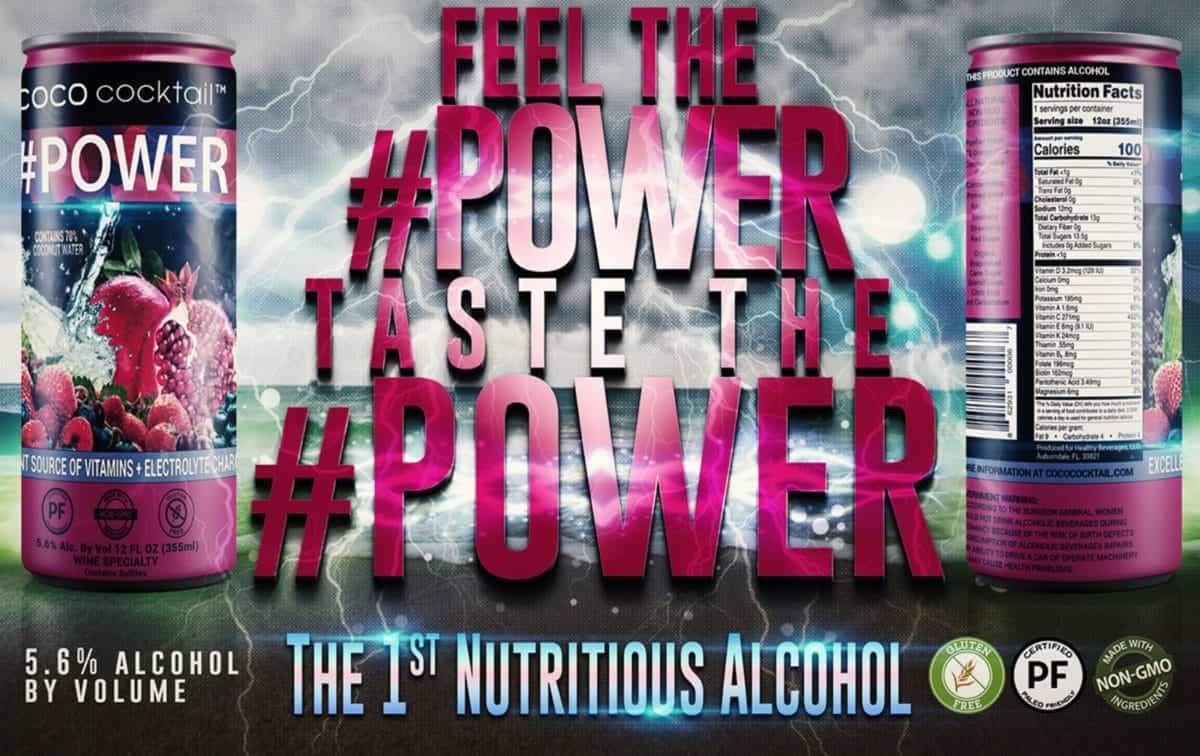
COCO Cocktail is a healthy alternative to the traditional alcoholic beverage. With many clear benefits, consumers debate whether or not this drink will become a first alcoholic beverage of choice in the market. As stated in a news release, COCO Cocktail contains a noticeably larger nutritional value when set side by side against a top competitor, Pinot Noir. In addition to being created with 70% coconut water, COCO Cocktail also contains SuperFruits (considered to be very beneficial to health and rich with antioxidants), as well as 5.6% ABV from OTS Orange Wine. COCO Cocktail holds minerals and vitamins, both of which derive from non-GMO and all-natural food sources, without containing enriched, artificial, or synthetic ingredients. COCO Cocktail can be purchased in several different retail locations within Ohio, Florida, Indiana, and Texas.

Healthy Alcoholic Beverages in the Market Today

For the longest time, many of the top-branded craft cocktails were created using significant amounts of processed sugars. In this day and age, consumers are not content with their products being highly infused with artificial sweeteners. The young adult sector of today is constantly in search of craft cocktails that are made using high-end ingredients, while at the same time, not packed with sugar. Also, now more than ever, wine and spirit consumption is rising exponentially. Companies are choosing to take advantage of this up and coming market. Healthy Beverages appeals to and attracts the attention of consumers in this market by offering two separate flavors of their vitamin-enhanced, healthy wine.

coco cocktail power nutrifusion vitamins alcoholic beverage

Healthy Beverages, LLC Achieves FDA Guidelines to Claim COCO COCKTAIL(TM) #POWER as “The World’s 1st Nutritious Alcoholic Beverage” (PRNewsfoto/Healthy Beverages, LLC)

According to the CEO and co-founder of Healthy Beverages, Franz Tudor, many consumers are looking for clean and natural ingredients. Tudor believes that the removal of artificial and GMO-filled ingredients would certainly not “take the fun away [from the COCO Cocktail].” Tutor states that natural foods possessing benefits to the heart and muscles of the body while also reducing bloating “seems like fun” to him.

Alcoholic Beverage Market

It is predicted that sales for all categories of alcoholic beverages are going to rise as a result of the growing number of consumers experimenting with alcoholic beverages. Whether or not healthy alcoholic beverages are going to be consumed more than their traditional counterpart as time goes on is still up in the air; however, the fact remains that new consumers will be drawn in due to the price as well as the taste of the beverage. Despite this, Healthy Beverages is making a wise decision of appealing to the niche of health-conscious and wine-loving consumers by testing out their new beverage.

Benefits of Healthy Alcohol

Research has already determined that a moderate consumption of red wine is tied in with many advantages such as boosting life expectancy, combating diabetes, heart disease, and several other illnesses. Researchers are nearing the completion of a pill that mirrors the positive effects of alcoholic beverage. However, in the end, some consumers will find difficulty giving up their drink of choice for a healthy alcoholic alternative, regardless of how great the drink is.

Inspired by www.fooddive.com

https://nutrifusion.com/wp-content/uploads/2017/07/coco-refresh-2-e1500036171342.jpg 900 1200 NF Admin https://nutrifusion.com/wp-content/uploads/2022/05/NutriFusion-Logo-New-1030x251.png NF Admin2017-07-14 08:44:242017-07-14 08:44:24The World’s First Healthy Alcoholic Beverage

The Rise of Cauliflower Rice

in Consumer Packaged Goods, Food Business, Food Retail, Health & Nutrition

The recent rise of “riced” vegetables has led to criticism amongst food connoisseurs. Betsy Ward, the president of USA Rice, has boldly declared that “Only rice is rice, and calling ‘riced vegetables,’ ‘rice,’ is confusing and misleading to consumers.” One of the most well-known of these controversial food products is cauliflower rice, the result of pulsing in a food processor. Although cauliflower rice soaks up sauces and spices like classic rice, plenty of seasoning is necessary to enrich the dull flavor. One cup of cauliflower contains two grams of net carbohydrates; on the other hand, white rice includes 51 grams of carbs and brown rice 42 grams.

Healthy Alternatives Reflected in Other Food Sectors

Just as the term milk has broadened to include non-dairy based products, such as almond and soy milk, rice has followed suit and done the same. Although the new cauliflower product is not the consumer’s first pick, it appeals to people looking for healthy food options.

Similarly, the pasta business has seen its share of the growth of alternative pasta products, with squash and zucchini pasta becoming a more attractive alternative to starchy, traditional pasta. People are ready to grab and utilize the vegetables they already have at home, threatening industries that incorporate and sell carbohydrate-rich food products.

The dairy industry’s unsuccessful attempts to eliminate competition such as the nut, soy, and other non-dairy based milk drinks is an affair that could potentially be seen in the rice business. If the rice industry raises this concern to the FDA, however, they might be able to avoid this. The definitions of terms such as “milk” and “healthy” have long been in limbo, and some are unsure whether or not the current presidential administration will provide a traditional definition, finally putting an end to the conflict between conventional and unconventional, alternative food and beverage manufacturers.

Wise Marketing Strategies Will Help the Rice Industry

Despite the growing popularity of non-traditional rice products, there are ways for the industry to weaken the acclaim for cauliflower rice. Ripple, a plant-based milk brand, has introduced a game that educates consumers on the advantages of milk in comparison to traditional dairy milk. Rice businesses could use similar strategies to teach users on the rewards of eating regular rice. Through purposeful advertisement and other marketing strategies, the rice industry could certainly achieve this goal.

It is still unclear to all, whether or not cauliflower rice will be above its traditional counterpart. A possibility remains that cauliflower rice may not achieve the same success as alternative dairy products in the dairy industry. In the end, regardless of how successful or trendy cauliflower rice may become in the future, the rice industry should remain on their toes and ready to face more competition.

Inspired by www.fooddive.com

https://nutrifusion.com/wp-content/uploads/2022/05/NutriFusion-Logo-New-1030x251.png 0 0 NF Admin https://nutrifusion.com/wp-content/uploads/2022/05/NutriFusion-Logo-New-1030x251.png NF Admin2017-07-12 09:07:112017-07-12 09:07:11The Rise of Cauliflower Rice

Flexitarian Diet Could Decrease Chance of Obesity by 50%

in Food Business, Health & Nutrition, Kid's Health

Obesity is one of the most pressing health problems affecting many countries. With the wrong food choices and lack of activity, it has become a worldwide epidemic that is associated with different diseases like strokes, cardiovascular diseases, cancer, and type 2 diabetes. While many types of diets claim to be useful in letting people shed off their unwanted pounds, none are as efficient as a pro-vegetarian diet.

A study conducted in Spain noted that a flexitarian diet could help reduce the risk of obesity by as much as 50%. A flexitarian diet is pro-vegetarian, but it encourages people to consume fish and meat occasionally and favors the consumption of more fruits, vegetables, and grains. The flexitarian diet is similar to the Mediterranean diet that encourages dieters to consume more grains, nuts, seeds, fruits, and vegetables instead of red meat.

The Flexitarian Study

The study involves 16,000 individuals who were tracked for ten years on their diet preferences. The survey asked the participants to complete food questionnaires where they were scored on how flexitarian their diets were. Based on the studies, participants get more points for eating plant-based foods than meats. The points were deducted for the animal products consumed.

Based on the study, 20% of the respondents consumed more animal products while the others are leaning towards the vegetarian diet. Researchers found that those who consume mostly plant-based foods were 43% less likely to develop obesity.

How Much Is Too Much?

While consuming a few animal products is good for maintaining a healthy weight, the question is how much meat is too much? The study revealed that those who consumed 200 grams of red meat a day have higher chances of becoming obese. Consumption of fish was also noted, but it had little impact on the obesity rates.


According to one of the authors of the study, Professor Maira Bes-Rastrollo, the study recommended people to consume less red meat and opt for increasing the consumption of plant-based foods. The dangers of too much meat consumption are that it has been associated with higher intake of fat, calories, and less consumption of fiber from vegetables. This increases the risk of developing chronic lifestyle diseases.

Limitations of The Study

The study may encourage people to switch to a more pro-vegetarian diet, but the study has its weaknesses and limitations as it is conducted as an observational study. Researchers could have recruited people to eat a vegetarian diet to compare it with the other group – the one who ate mostly meat. To get the most benefits out of the flexitarian diets, nutritionists and health experts recommend cooking your own food instead of eating out to keep track of the ingredients used.

Although this may be the case, choosing to follow the flexitarian diet can bring a lot of benefits to the body. In fact, it is considered by many health experts as one of the most balanced diets anyone who wishes to stay healthy should follow.

Inspired by www.theguardian.com

https://nutrifusion.com/wp-content/uploads/2022/05/NutriFusion-Logo-New-1030x251.png 0 0 NF Admin https://nutrifusion.com/wp-content/uploads/2022/05/NutriFusion-Logo-New-1030x251.png NF Admin2017-07-10 09:36:182017-07-10 09:36:18Flexitarian Diet Could Decrease Chance of Obesity by 50%

Probiotic Drinks More Popular Than Ever

in Beverages & Drinks, Food Business, Health & Nutrition, Supplements & Nutraceuticals

There is an increasing number of health-conscious individuals who prefer to buy products that have more nutritional value than junk foods. As a result, the sales of probiotic drinks increased by 31.2% over the past year based on the data generated by the Chicago-based research company, SPINS.

But what could have led the change of heart to switch from standard sugary drinks to probiotics? Consumers have become increasingly aware of how important it is to maintain a healthy gut for good overall health. On top of that, the natural approach to digestive health is trending. With an increasing number of people opting for healthier drinks, this also pushed beverage manufacturers to find innovative ways to add more nutritional value to their products.

New Niche Created By Probiotic Beverages

Beverage makers are now using botanical ingredients to add natural flavor and nutritional benefits to their drinks. Uncommon ingredients such as lavender, lemongrass, elderberry, and turmeric are being added to intrigue consumers. They have also incorporated probiotics in different bases including dairy, grains, plant-based milk, as well as fruit and vegetable juices.

Some manufacturers have created shelf-stable probiotics that contain billions of live good bacteria that can last longer than traditional probiotics.

Backed by Science 

Good stomach health has always been linked to a better immune system. What resides in the gut is a plethora of microflora that controls the release of hormones and even the body’s metabolism. Probiotic drinks are marketed as healthy drinks that can help in weight loss, depression, and solve allergy problems.

The results of the extensive research involving probiotics have been used by beverage companies to create exceptional drinks. But aside from using probiotics, beverage companies are also interested in using fiber to boost the nutritional value of their products.

For instance, studies have indicated that the use of chicory root can feed the normal microflora bacteria in the gut. According to Carol Lowry, Cargill’s senior food scientist, chicory root can enhance the growth of lactobacillus in the gut thus maintaining the neutral balance of the gut. This is the reason why beverage manufacturers are also looking into using chicory roots in making powdered beverages, flavored water, smoothies, and juices. Even coffee has been seen as a marketable product that may possibly contain chicory roots.

While the industry of probiotics has huge market potential, food scientists are still facing a huge obstacle to creating beverages that are still tasty and can withstand higher temperature without destabilizing its structure.

Inspired by www.bevindustry.com

https://nutrifusion.com/wp-content/uploads/2022/05/NutriFusion-Logo-New-1030x251.png 0 0 NF Admin https://nutrifusion.com/wp-content/uploads/2022/05/NutriFusion-Logo-New-1030x251.png NF Admin2017-07-06 08:19:042017-07-06 08:19:04Probiotic Drinks More Popular Than Ever

PowerBar Brand Adds Plant-Based Snack Bars

in Consumer Packaged Goods, Food Business, Supplements & Nutraceuticals

PowerBar, a snack bar company, based in California decided to meet the demands of vegans, vegetarians, and anyone who is into clean eating by producing their line of plant-based snack bars as part of their Clean Start campaign. This campaign involves the use of cleaner ingredients and labeling to create transparent, nutritious, and better-tasting products.

According to Doug Cornille, Vice President of Marketing, the plant-based snacks are made from plant proteins and are designed primarily for sports players. Research and marketing have developed the snack bars for athletes who have health restrictions, but these snack bars are perfect for people from all walks of life. The company also produced this line of plant-based snacks to diversify their portfolio and have a wider reach in the market.

PowerBar’s Plant-Based Protein Sources

Most people who are not aware of the plant-based movement are confused about plant-based protein sources. Protein, contrary to what most people think, is not restrictively sourced from animal products. They can be obtained from nuts, seeds, grains, and even green leafy vegetables. The company can make snack bars from peanuts, almonds, and cashew nuts.

The snack bars also contain ample amount of fiber to aid in proper digestion. The company also made sure that the snack bar is ideal for people with other food restrictions. In fact, it is gluten, soy, and dairy free. This makes it a perfect snack bar for individuals who suffer from celiac disease.

The Future of Plant-Based Snack Bars

As part of the Clean Start campaign, the company makes sure that all ingredients used are organic and GMO-free.  They also use natural sweeteners to make the snack bars more appealing without using sugar. Healthy nut fats and butter are also used not only to enhance the flavor profile of the product but also to boost its nutritional value.

While food scientists have only tapped a few ingredients to make the protein snack bars, it is expected in the future that they will also try other ingredients like vegetables, fruits, root crops, and even leafy greens to make better versions of the popular snack bars. The future of this particular niche is to produce snack bars that are not only delicious and nutritious but also less calorie dense and more fiber content.

The future of plant-based snack bars is auspicious. Market studies have shown that the plant-based niche of the snack industry is still new and since many people are adopting the vegan and vegetarian lifestyle, brands can expect an increase in the demand for healthy and high-performing snacks bars in the future.

Inspired by www.prnewswire.com

https://nutrifusion.com/wp-content/uploads/2022/05/NutriFusion-Logo-New-1030x251.png 0 0 NF Admin https://nutrifusion.com/wp-content/uploads/2022/05/NutriFusion-Logo-New-1030x251.png NF Admin2017-06-20 09:14:342017-06-20 09:14:34PowerBar Brand Adds Plant-Based Snack Bars

DanoneWave Quietly Reduces Fat and Sugar

in Beverages & Drinks, Consumer Packaged Goods, Food Business, Food Retail, Health & Nutrition, Kid's Health, Supplements & Nutraceuticals

The French multinational food manufacturing giant, DanonWave, is famous for making nutrient-dense foods with less fat and sugar. The company is known for its brands such as Danimals, Dannon, Activia yogurt, and newly acquired plant-based brands like Vega and Silk. While it is one of the main players in the health food industry, the company has recently announced that it will embark on improving its products by boosting their fiber, protein, Vitamin D, and decreasing the fat & sugar. This announcement was part of the company’s recent commitment to address childhood obesity.

According to Philippe Caradec, Vice President of Corporate Affairs, the company values its mission to bring healthy food to as many people as they can reach all over the world.

Why Are Companies Like DanoneWave Redeveloping Their Portfolio?

Most of the giant food and beverage manufacturers have been redeveloping their portfolio by creating new product formulations or acquiring healthy startups. But, what is the reason behind this? It is imperative for big food companies to meet the changing demands of their consumers.

It is important to take note that more consumers are opting for healthier foods, so changing the brand portfolio is a good strategy to draw in more future customers. Examples of food companies that have revamped their portfolio by releasing a healthy line of products include Coca-Cola, PepsiCo, and Campbell Soup.

But what about DanoneWave? The company embarked on its robust portfolio when it acquired the great beverage-maker WhiteWave in a $10.4 billion deal. The company has been making snack bars, cookies, and more over the past few decades. While it has been treading on the health food path longer than other companies, DanoneWave lacks variety, so the company is betting on products like bottled waters, baby foods, and yogurts.

Millennials: The New Market


While some companies embark on revamping their portfolio as part of a bandwagon or fad, DanoneWave sees another potential. In fact, they are revamping their product line because they see the Millennials as the most promising of all target markets.

The biggest driver of the health food niche are millennials who are now becoming more aware of lifestyle diseases and healthy options. But while marketing to the millennials is needed by most health food companies, it is quite challenging to convince millennials to buy products by just claiming that they are sugar-free or fat-free. Marketing products as such can also lead to consumers to think that they are consuming products that are less appealing. Millennial consumers are becoming wiser every day, so companies like DanoneWave have to include clean labeling and transparency in their products by including honest nutritional labels on each of their products.

The future of health food companies like DanoneWave lies in the hands of meticulous consumers. This is the reason why it is so important to use different strategies such as reformulating their products, revamping their brand, acquiring healthy food start-ups, and also using transparent clean labels.

Inspired by fortune.com

https://nutrifusion.com/wp-content/uploads/2022/05/NutriFusion-Logo-New-1030x251.png 0 0 NF Admin https://nutrifusion.com/wp-content/uploads/2022/05/NutriFusion-Logo-New-1030x251.png NF Admin2017-06-16 09:32:552017-06-16 09:32:55DanoneWave Quietly Reduces Fat and Sugar

How Brands Can Compete with Amazon’s CPG Subscriptions

in Beverages & Drinks, Consumer Packaged Goods, Food Business, Food Retail, Supplements & Nutraceuticals

With technology at our fingertips, consumers all over the globe have experienced many conveniences–one in the form of online shopping. In a study conducted a few years ago, it noted that the e-commerce of consumer packaged goods rose by 42%. In fact, Amazon accounted for more than 20% of all the CPG growth.

Scott Galloway from New York University said that Amazon is dominating the retail industry and is undoubtedly evolving. But what makes Amazon the epitome of the retail industry? Simply put, the company delivers its products fast and simple. The brown packaging contains exactly what the clients ordered – no frills and flair involved.

The preference of people to get consumer packaged goods from Amazon has caused fierce competition for the smaller retailers. Although this may spell impending doom to Amazon’s competitors, there are still ways to compete with Amazon, and the secret lies heavily on owning the contact information of their customers so they can build their database and analyze purchase behavior analysis. Creating a competitive subscription service is the key, but, how can this be done?

Create A Dedicated Subscriptions Channel

Dedicate a subscription channel that can handle and connect with consumers. Customer service is critical. For bigger companies, look for a younger yet promising employee who exhibits management skills and IT skills to man the subscription channel. By doing so, they will be in-charge of making real-time reactions to different market conditions and make decisions based on what the customer wants and needs.


Do A Trial Run

Before introducing a subscription, it is important to perform a trial run. The test size for the trial run should be sizable enough that it is statistically significant. It should be marketed on different digital channels and must be done in different variations so that management can determine the best product offering. This means that the trial should involve many (even hundreds) of subscription orders to be able to pinpoint which one justifies the cost per order and the scalability of the campaign. Once the specific subscription has been identified, it is important to do continuous testing as digital channels are always evolving, what works today might not work tomorrow.

Partner with A Subscription-Focused Vendor

Launching a subscriptions campaign requires constant research. Smaller companies can take advantage of hiring technology vendors to create programs for e-commerce, analytics, as well as customer service. While creating a program in-house is easy, the systems necessarily do not communicate with one another and they are not scalable. Partnering with a vendor can provide experienced people who can work on a fully integrated solution, resulting in a faster transaction, better customer experience, and accurate data. Smaller companies can benefit from subscription channels but having their own in-house team to manage can be difficult, so partnering with experienced vendors provides the best solution.

Inspired by www.fooddive.com

https://nutrifusion.com/wp-content/uploads/2017/06/interior-of-warehouse-with-goods-on-shelves-PQY6LY8-min.jpg 1030 1545 NF Admin https://nutrifusion.com/wp-content/uploads/2022/05/NutriFusion-Logo-New-1030x251.png NF Admin2017-06-12 10:54:242017-06-12 10:54:24How Brands Can Compete with Amazon’s CPG Subscriptions
Page 27 of 41«‹2526272829›»

NUTRIFUSION®

GrandFusion® is a blend of fruits and/or vegetables that can significantly increase the nutritional profile and, therefore, the marketability of food, beverage, pet, and snack products.

Categories

  • Animal Nutrition
  • Beverages & Drinks
  • Consumer Packaged Goods
  • Corporate Partnerships
  • Corporate Updates
  • Featured
  • Food Business
  • Food Retail
  • GLP-1
  • Health & Nutrition
  • Infographics
  • Kid's Health
  • News
  • Press Releases
  • Product Announcements
  • Recipes
  • Supplements & Nutraceuticals
  • Uncategorized

ABOUT NUTRIFUSION®

NutriFusion® provides the nutrient-rich benefits of fruits and vegetables in everyday food products through whole non-GMO foods to create its concentrated micronutrient and phytonutrient-rich food ingredient blends.

Search NutriFusion

Search Search

SEAL OF AUTHENTICITY

NUTRIFUSION® CERTIFICATES

NutriFusion Cert Bar

Categories

  • Food
  • Beverages & Drinks
  • Pet Food
  • Nutraceuticals
  • Contact Us
  • Privacy Policy

© Copyright 2026 NutriFusion LLC | All Rights Reserved.

Scroll to top Scroll to top Scroll to top