• Link to LinkedIn
  • Link to Facebook
  • Call Us
NutriFusion
  • Applications
    • All Blends
    • Food
    • Beverages & Drinks
    • Nutraceuticals
    • Pet Nutrition
    • Custom Superfood
  • R&D
    • Research & Development
    • Vitamin Deficiency
  • Active Research
  • About
    • About NutriFusion®
    • Certifications
  • Contact
  • News
    • Press Center
  • Podcasts
  • Blog
  • Store
  • Click to open the search input field Click to open the search input field Search
  • Menu Menu

Archive for category: Health & Nutrition

1 in 10 Adults Meet The Federal Fruit or Vegetable Recommendations

in Health & Nutrition

Just 1 in 10 adults meet the federal fruit or vegetable recommendations, according to a study published in CDC’s Morbidity and Mortality Weekly Report (MMWR). This report highlights that very few Americans eat the recommended amount of fruits and vegetables every day, putting them at risk for chronic diseases.

Studies have shown that supplementation with extracts from fruits and vegetables may improve age-related changes.

NutriFusion develops all‐natural fruit and/or vegetable powders that are nutrient dense for use in foods, beverages, supplements and pet foods.

NutriFusion can help! Visit us at www.nutrifusion.com.

https://nutrifusion.com/wp-content/uploads/2020/09/GF-Red-Powder.png 1030 2237 NF Admin https://nutrifusion.com/wp-content/uploads/2022/05/NutriFusion-Logo-New-1030x251.png NF Admin2020-11-03 10:25:492020-11-03 10:25:491 in 10 Adults Meet The Federal Fruit or Vegetable Recommendations

How to Snack and Prevent Diabetes

in Beverages & Drinks, Food Business, Health & Nutrition, Kid's Health, Uncategorized

Diabetes prevention is something we all should be working for, and your diet plays a huge factor in this. One often overlooked part of the conversation surrounding a healthy diet is snacking. While the obvious answer may seem to be to give up snacks altogether, depriving yourself of your favorite treats may not be the best protection from diabetes either. Below are a few ways to develop snacking habits that can reduce your chances of developing diabetes, as well as a few different foods to implement into your diet.

Avoid Glucose Spikes

Diabetes is characterized by having blood sugar levels that are unnaturally high due to insulin resistance. One of the ways that this insulin resistance can develop is by having spikes in your blood sugar that make it difficult for your body’s insulin to break down all of the glucose in the body. You can avoid these spikes by limiting consuming foods that quickly raise your blood sugar, such as sweets, starches, and processed foods.

Choose Your Snacks Wisely

Instead of choosing foods that are unhealthy in nature, try to focus on curbing your hunger with healthier options. Skip the donuts, cookies, and cakes and reach for fruits, vegetables, and nuts instead. Many adults struggle to meet their daily value of fruits and vegetables, so incorporating these foods into snack time can help you reach your nutritional needs.

There are certain foods that can help prevent diabetes more than others. Foods like apples and berries can satisfy your sweet tooth while carrots and pumpkin seeds can give you that crunch that you crave from chips and other salty snacks. Incorporating these foods into your snacking routine can help cut your risk of developing diabetes by minimizing spikes in blood sugar and preventing insulin resistance.

Space Out Your Snacks

While it might seem counterintuitive, snacking does have the potential to prevent blood sugar spikes from happening if eaten at the right times. When there is a large gap of time between meals, your blood sugar can dip, sometimes to dangerously low levels. This can result in extreme highs and lows that can make your body become less sensitive to its own insulin, ultimately leading to diabetes. Snacking can help prevent these highs and lows by keeping your blood sugar levels steady throughout the day because of the more consistent intake of nutrients. If you find yourself getting hungry throughout the day or if you know there is going to be a large gap between your meals, try keeping a snack nearby to help hold you over and stabilize your blood sugar.

Be mindful of your snacking

Raspberries and BlackberriesWhile it may appear that snacking is purely a physical activity, the way that you snack is heavily tied to your emotional being as well. Unpleasant emotions like stress, anxiety, and depression can lead to overeating and cravings for those “comfort foods” that tend to be unhealthy in nature. And when it comes to emotional eating, you often won’t stop munching until you feel better, or until your body can’t physically take another bite. These snacking sessions can contribute to blood sugar spikes and insulin resistance because of the sheer volume and contents of the foods involved.

A change in mindset can help prevent you from snacking mindlessly, as well as keep you from eating foods that are less healthy in nature. A great way to get a handle on your emotional eating is to first assess why it is that you’re tempted to start eating. Ask yourself— Are you really hungry? Are you upset? Are you avoiding something? If you realize that your cravings are originating from something other than hunger, try resisting the urge to snack for about 15 minutes to see if the feeling subsides. The more self-aware you become of your snacking habits, the better you’ll be able to fend off the development of diabetes.


Just 1 in 10 adults meet the federal fruit or vegetable recommendations, according to a study published today in CDC’s Morbidity and Mortality Weekly Report (MMWR). This report highlights that very few Americans eat the recommended amount of fruits and vegetables every day, putting them at risk for chronic diseases like diabetes and heart disease.

NutriFusion develops all‐natural fruit and/or vegetable powders that are nutrient dense for use in foods, beverages, supplements and pet foods.

NutriFusion can help! Visit us at www.nutrifusion.com.


https://nutrifusion.com/wp-content/uploads/2020/10/Low-Res-Basket.jpg 1030 1545 NF Admin https://nutrifusion.com/wp-content/uploads/2022/05/NutriFusion-Logo-New-1030x251.png NF Admin2020-10-16 12:00:532020-10-16 12:00:53How to Snack and Prevent Diabetes

Mitigating Stress: How Food Can Reduce Your Stress

in Beverages & Drinks, Health & Nutrition, Kid's Health

Everyday stress can easily pile up, but today’s circumstances have made it much easier to feel more overwhelmed than ever. In fact, studies reveal that 88% of Americans are stressed out due to the uncertainty clouding over us.

Even though stress is a normal part of life, we owe it to ourselves to learn how to combat it — and one of the best ways to do this is to eat right. Though many people know that stress causes you to eat more and in unhealthy ways, it’s possible to reverse this and use healthy food to reduce stress. To help you eat right amidst these stressful times, here’s what you need to know:

The Best Nutrients to Beat Stress

Food serves as a source of nourishment. And leaning on this fact will help you identify which ones can help increase and decrease your stress levels. Case in point: Our post on how to ‘Boost Your Mental Health With Fruits And Vegetables’ notes that probiotics (otherwise known as ‘good bacteria’) positively influences your mental outlook, while soothing your anxiety.

Vitamin C is also a great stress-reliever, as it helps reduce levels of cortisol (a major stress hormone) and lower your blood pressure. Another helpful nutrient is omega-3 fatty acids because they can help relieve stress symptoms. Plus, Dr. David Mischoulon writes on Harvard Health that its anti-inflammatory properties can even help alleviate depression. Overall, knowing the right nutrients will help you build a strong foundation for healthy eating against stress.

That said, here are some food sources that you should consider incorporating into your diet to help fight stress:

Probiotics
• Lentils
• Banana
• Oats
• Asparagus

Vitamin C
• Sweet potatoes
• Broccoli
• Guava
• Citrus fruits

Omega-3 Fatty Acids
• Salmon
• Walnuts
• Flax-seed
• Soybeans

Essential Eating Habits to Beat Stress

A successful diet to combat stress isn’t complete without proper eating habits. Practicing these everyday will help you stay on the right track with your diet and stress.

Practice Mindful Eating

Mindful eating calls you to be in the moment when you eat — from paying attention to your food, to acknowledging your physical and emotional sensations. It’s all the more important to practice mindful eating today, when most people are working from home and the lines between work and your personal life can be easily blurred. Resilience coach L. Barbour told Marcus that it’s important to focus exclusively on eating during lunchtime, instead of looking at your phone or trying to multitask. This way, you can truly enjoy your food and be more careful about the dietary choices you make. After all, it’s very easy to subsist on coffee and beef jerky if you’re stuck to a screen all the time! Remember that what and how you eat can affect your mood and cognitive performance, so be sure to give yourself time to thoroughly enjoy your meals.

Don’t Skip Meals

As we’ve mentioned, it’s easy to get caught up in the hustle and bustle of life — especially during this point in time. And trying to keep up with everything makes it much easier for you to skip meals. Unfortunately, ignoring your meals can result in even higher levels of stress. Psychiatrist Steven Gans explains on Very Well Mind that your blood sugar levels start to drop when you miss out on a meal. This, in turn, causes you to become irritable and tense, while also heightening your anxiety. To this end, it’s essential to follow a healthy eating schedule. If you’re not feeling too hungry during a certain mealtime, you can opt for a filling snack like a protein bar or a green smoothie.

Cook for Yourself

While ordering in from food delivery services may seem like a convenient option, it’s better to use the time you have on your hands by cooking your own meals. Cooking can do wonders for your stress levels as it helps you get in tune with your senses — from therapeutic techniques like stirring and rhythmic chopping, to smelling the aroma of your ingredients. Not to mention, there’s a special sense of accomplishment after preparing your own meals. If you’re pressed for time on weekdays, a good practice is to meal prep during the weekends.


Words by Mona Presson
Written exclusively for nf.simplygrandproperties.com/

https://nutrifusion.com/wp-content/uploads/2020/08/Blueberries-Stress.jpg 500 750 NF Admin https://nutrifusion.com/wp-content/uploads/2022/05/NutriFusion-Logo-New-1030x251.png NF Admin2020-08-21 10:52:312020-08-21 10:52:31Mitigating Stress: How Food Can Reduce Your Stress

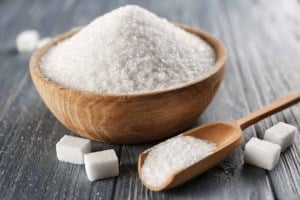
Sugar – It’s a Sticky Situation

in Beverages & Drinks, Consumer Packaged Goods, Health & Nutrition, Kid's Health

Sugar.

Parents don’t want to give it to their kids. Adults don’t’ like it because it turns, quite quickly, to fat. But clever packaging and the misconceptions natural sugar and no added sugar tend to only raise more questions. Is all sugar created the same? Can you learn to navigate the sticky sweet sugar labels? What’s the difference in added, natural, modified, and fake?

According to a recently published article on cnet.com, “The US Office of Disease Prevention and the World Health Organization say you should get no more than 10% of your daily calories from added sugar each day — and even better is limiting added sugar to 25 grams (or six teaspoons) in total.” So if the first step includes knowing we should limit our sugar intake, the next step moves us into the tricky task of decoding, you guessed it, sugar itself.

Added sugar.

Just like it sounds, added sugar is, as you’d assume, added…by either you or a manufacturer. The various added sugars can be derived from several sources including coconut sugar, can sugar, maple syrup, honey, or agave nectar.

Natural sugar.

Certain foods like, for example, fruit, is a whole food and the sugar included is in its natural form. An apple doesn’t have added sugar and, again, as you’d assume, offers the added benefits of vitamins, minerals, and fiber. While a fruit’s natural sugar, fructose, does affect your body and can raise both blood sugar and insulin hormones, it’s bound to fiber…something that aids your body in slowing down how fast you’re absorbing the naturally occurring sugar.

“Natural sugar, like the sugar found in whole food like fruits, is definitely part of a healthy diet for most people,” explains Jayne Williams, a certified nutritional consultant and clinical nutrition graduate student. “While fruits do contain low levels of fructose, which is a sugar, the overall nutritional value of a piece of whole fruit with all the vitamins, fiber and nutrients is well worth including in a healthy diet.”

Fructose should not, however, be confused with the often-added ingredient high fructose corn syrup. This chemical-made sugar is often a used as a sweetener in many processed foods.

Modified natural sugar.

The honey you add to your oatmeal and the agave you put in your smoothies are natural, but they’re sugar all the same. “Modified natural sugars are those that start from a natural source but need slight ‘modern intervention’ to make it to your table. Coconut sugar, raw honey and organic pure maple syrup all have some additional minerals and vitamins,” says Williams, “but are still sugar and can affect your blood sugar levels more than natural-occurring sugars in whole foods.”

Processed sugar.

Often called fake sugar, processed sugar has been stripped of any nutrition or health benefits. The modification process renders fake sugar difficult for your liver to process as it contains high levels of fructose. White sugar, cane sugar, and agave nectar, even if it’s labeled as low-glycemic, fall into the processed sugar category.

The take-away.

Stick to whole, unprocessed foods and stay away from processed foods and high fructose corn syrup. Watch for tricky food labels and packaging…just because you’re indulging in a smoothie or seemingly healthy prepared food doesn’t mean added sugar isn’t hiding inside. If you do add sugar, like honey, try to keep it at 6 teaspoons (or under) a day.

When you may not have access to quality whole foods, you can still achieve the necessary nutrition via NutriFusion’s quality supplements. Our ingredients are plant based and never include added sugar, just real food from nature to you. We use first-grade, fresh and high-quality fruits and vegetables to create nutrient dense powder full of natural vitamins and minerals.

Inspired by Good sugar vs. bad sugar, what’s the difference? by Mercey Livingston

https://nutrifusion.com/wp-content/uploads/2020/08/Sugar-scaled-1.jpg 1030 1545 NF Admin https://nutrifusion.com/wp-content/uploads/2022/05/NutriFusion-Logo-New-1030x251.png NF Admin2020-08-04 14:21:582020-08-04 14:21:58Sugar – It’s a Sticky Situation

Meat Consumption and the Link to Type 2 Diabetes

in Health & Nutrition, Kid's Health, News


Meat.

It’s an industry that’s worked overtime to convince you to consume what they’re selling. Think “Beef. It’s What’s for Dinner” and “Pork. The Other White Meat.” But study after study slams the salaciousness they’re selling.

Meat’s link to disease.

A recent Diabetes and Metabolism meta-analysis reported on the findings of almost 30 articles focused on the link between meat consumption and the risk for type 2 diabetes. The results were frightening: consuming red meat, processed meat, fish, and poultry can increase the risk for type 2 diabetes.


People who consumed the:

  • most total meat saw a 33% increased risk of type 2 diabetes
  • most processed meat saw a 25% increased risk for type 2 diabetes
  • most red meat 22% increased risk for type 2 diabetes


The deck is stacked against you.

Further analyses explored how adding meat to your diet increases risk. For example, adding 100 grams (a piece of meat approximately the size of a deck of cards) per day of total meat increases risk by 36%. Adding 100 grams of red meat increases risk by 31%. If you go one step further and add an additional 50 grams per day of processed meat, you increase your risk for diabetes by a generous 46%.

Why so high?

The authors attribute the associated risk to a list of diet “no-nos’”: saturated fat, dietary cholesterol, heme iron, and animal protein from meat. Serum levels of proteins and iron, plus increased weight associated with meat consumption, may also contribute to the risk.

Keep risk low.

A diet rich in fresh, high-quality fruits and vegetables both lowers the risk for type 2 diabetes and gives your body a necessary boost. Consuming natural, nitrate-rich foods can reduce blood pressure and improve overall circulatory health. Choose vegetables with naturally high nitrate content, rather than those with nitrate manufacturers have added during processing.

We can help.

At NutriFusion, we use first-grade, fresh and high-quality fruits and vegetables to create a nutrient dense powder full of natural vitamins and minerals. High quality food and beverage processors are adding the nutrient dense powder to their products to provide the nutrition bodies need.

We believe in a farm-to-table approach. But, even when you don’t have access to quality fruits and vegetables, you can achieve the necessary nutrition via our quality supplements. Our ingredients are plant based and never include synthetics, just real food from nature to you.

Inspired by Physicians Committee for Responsible Medicine www.pcrm.org

https://nutrifusion.com/wp-content/uploads/2020/05/Grilling-Steak-2-1.jpg 422 729 NF Admin https://nutrifusion.com/wp-content/uploads/2022/05/NutriFusion-Logo-New-1030x251.png NF Admin2020-06-02 17:15:592020-06-02 17:15:59Meat Consumption and the Link to Type 2 Diabetes

The Right Diet Can Promote Better Health and Reduces Costs

in Health & Nutrition

Consumers of All Generations Are Loving Plant-Based Foods

These days, there are so many kinds of diseases that wreak havoc on the health of many individuals. Diseases such as cardiovascular diseases, obesity, diabetes, and kidney diseases are affecting a lot of people. Eating the wrong kinds of foods is the biggest driver of illness in the United States. In fact, two-thirds of Americans are considered obese. Unfortunately, the traditional health-care system has never done enough to solve the ballooning problem. Conventional treatments of these diseases usually include taking in medicine. But while conventional medicine may help, many healthcare professionals are now trying other cost-effective approaches: food & lifestyle.

The Right Diet Can Create Better Health

Creating the right diet for patients has been shown to improve health outcomes. A program in Massachusetts designed a way to support the nutritional needs of low-income patients suffering from heart failure by providing healthy foods to reduce the risk of kidney diseases or diabetes. The organization called Community Servings provides 10 ready-to-eat meals to the homes of patients. All meals are tailored to fit the medical needs of the patients. All meals are created by registered dietitians.

This particular program was studied, and results showed that those who received medically tailored meals have 50% fewer hospitalizations as well as 72% fewer admissions in nursing facilities. The program resulted in a 16% reduction in terms of health-care costs. With the success of the program, Community Servings was able to cater to 2,300 patients. 

More People and Organizations Embracing the Movement

Putting together the right tailored meals can be a complex thing to arrange according to Seth A. Berkowitz, lead author of the study. The meals cooked by Community Servings can greatly help patients to get the right nutrition that they need. Another program similar to Community Servings was established in Pennsylvania that caters to diabetic patients. The patients receive nutritious foods weekly with the goal to reduce their HbA1c levels – a diabetes marker.

While the two initiatives were successful among the low-income earners, the effects are not clear for the more affluent patients. Nevertheless, the results of the study are eye-catching for everyone. Many lawmakers are now adapting the program. Recently, California launched a 3-year project worth $6 million to improve the nutrition of the Medicaid recipients of the state particularly among patients who suffered from heart failure.

In New York, low-income patients suffering from high blood pressure can join the program called Pharmacy to Farm wherein they can get their medicines at select pharmacies as well as buy produce from accredited farmers all over the city with promised rebates.

The thing is that local efforts to bring healthier foods to the people can help improve health not only for sick people but for everyone. Hippocrates once mentioned to his patients to “let food be thy medicine” and we are recently embracing this movement to help curb the health crises in the country. Letting food be their medicine is a more sustainable means of battling diseases.

Inspired by www.washingtonpost.com/health

https://nutrifusion.com/wp-content/uploads/2018/05/bowl-with-buckwheat-and-salad-of-chickpea-B6DRXLG-min.jpg 1030 1545 NF Admin https://nutrifusion.com/wp-content/uploads/2022/05/NutriFusion-Logo-New-1030x251.png NF Admin2020-04-30 08:25:402020-04-30 08:25:40The Right Diet Can Promote Better Health and Reduces Costs

Infographic: Sports Nutrition for Vegans

in Health & Nutrition

People are turning to vegan diets for a variety of reasons, including health, love of animals and concern for the environment. The ever-lengthening list of vegans now includes many athletes and many more who are simply physically active and want to stay that way.

Vegan athletes have an even harder time maintaining a nutritious diet than the average vegan. Athletes expend a great deal of energy, and demand more from their muscles, bones, nervous system and circulatory system. Dietary deficiencies limit athletic performance and can lead to potentially serious health issues.

Conventional wisdom (not so wise, really) says that athletes, especially endurance athletes, need meat and animal-based foods to support their nutritional needs. But this is not really the case. Vegan athletes may have to look a little harder and become better educated than the average person about nutritional science, but the options are out there for most of the nutrients their bodies need. And in the few cases where they are not, supplements and fortified foods are easily found.

The infographic below, Sports Nutrition for Vegans, provides a list of dietary options for getting the essential nutrients to support and sustain an athletic lifestyle. The nutrients listed in the infographic are easy to obtain from meat and animal-based foods, but less easy to find in plant-based foods. The good news is, the vegan options are tasty, plentiful, and in many cases budget-friendly. If you’d like to add variety to your diet while maintaining or improving nutrition, read on.

Author Bio: Renee Reynolds is Chief Financial Officer of Bactolac Pharmaceutical, a leading dietary supplement manufacturing company. Reynolds, who has 13 years of experience in the industry, currently focuses on delivering the most exceptional products and services to customers.

Sports Nutrition fo Vegans

https://nutrifusion.com/wp-content/uploads/2020/04/Sports-Nutrition-For-Vegans.png 377 721 NF Admin https://nutrifusion.com/wp-content/uploads/2022/05/NutriFusion-Logo-New-1030x251.png NF Admin2020-04-30 08:15:172020-04-30 08:15:17Infographic: Sports Nutrition for Vegans

Vitamin Deficiencies Are Affecting Our Mental Health

in Health & Nutrition

Proper nutrition can help promote better health. Health and wellness are not only translated as optimal physical health but also sound mental health. Sound mental health can be achieved if the body is provided with the right amounts of vitamins. It is also crucial for the body to absorb the vitamins, minerals, and other essential molecules that are necessary as building blocks for the brain.

New York-based psychiatrist, Dr. Jennifer Kraker, noted that nutritional deficiencies could lead to imbalanced biochemistry that can eventually affect mental health. While some people can address the nutritional deficiency by eating the right kinds of foods, others may need the help of doctors to prescribe them with the right combination of supplements. Now it is vital to take note that supplementation does not mean just getting a pill of supplements. Different individuals are unique; therefore, they require different kinds of nutrients.

Nutritional deficiencies are linked to mental health problems. Varying deficiencies can result in mild to disruptive symptoms of psychological issues. Severe nutritional deficiencies can cause anxiety, depression, obsessive-compulsive disorder, and bipolar disorder. Licensed psychologist, Nicole Beurkens, noted that mild nutritional deficiencies can still reduce the ability of individuals to manage stress, lower mood, and cause poor concentration as well as focus. While nutrients are essential to the mental health of individuals, some nutrients have already been proven to play the most critical role in achieving optimal mental health.

Vitamin D

Vitamin D is a fat-soluble vitamin that can help regulate the mood as well as give better sleep. It has also been shown to protect and promote the synthesis of neurons. Vitamin D regulates genes that make feel-good chemicals such as oxytocin and serotonin. Studies have shown that deficiency of Vitamin D results in depression, anxiety, fatigue, and irritability.

Vitamin B

Vitamin B12 and B6 are essential in maintaining good mental health. Both B12 and B6 keeps the levels of homocysteine in check. It is also vital in regulating mood chemicals such as dopamine and serotonin. Deficiencies of B vitamins include brain fog, fatigue, tingling, numbness, and shortness of breath.

Magnesium

Magnesium can help the body regulate stress. It is considered as a mood stabilizer.

Although it is uncommon for people to experience Magnesium deficiency, those who do may experience nausea, fatigue, loss of appetite, and mood changes.

Zinc

Zinc is vital for the brain to function correctly as it helps the body make chemicals like dopamine and serotonin. The deficiency of this nutrient is often higher among breastfeeding or pregnant women, vegetarians, and people suffering from gastrointestinal problems.

Omega-3 Fatty Acid

The omega-3 fatty acid is comprised of DHA and EPA that play essential roles in the proper functioning of the brain. It can prevent inflammation and improve communication between neurons. Lack of Omega-3 fatty acids can cause mood issues, allergies, fatigue, and dry skin.

So how do you know if you have deficiencies? Physical signs can give you a clue about what is happening to your body. These include constipation, headaches, diarrhea, bloating, weak nails, dry skin, hair loss, and others.

Inspired by www.huffpost.com

https://nutrifusion.com/wp-content/uploads/2022/05/NutriFusion-Logo-New-1030x251.png 0 0 NF Admin https://nutrifusion.com/wp-content/uploads/2022/05/NutriFusion-Logo-New-1030x251.png NF Admin2020-03-24 09:52:492020-03-24 09:52:49Vitamin Deficiencies Are Affecting Our Mental Health
Page 29 of 54«‹2728293031›»

NUTRIFUSION®

GrandFusion® is a blend of fruits and/or vegetables that can significantly increase the nutritional profile and, therefore, the marketability of food, beverage, pet, and snack products.

Categories

  • Animal Nutrition
  • Beverages & Drinks
  • Consumer Packaged Goods
  • Corporate Partnerships
  • Corporate Updates
  • Featured
  • Food Business
  • Food Retail
  • GLP-1
  • Health & Nutrition
  • Infographics
  • Kid's Health
  • News
  • Press Releases
  • Product Announcements
  • Recipes
  • Supplements & Nutraceuticals
  • Uncategorized

ABOUT NUTRIFUSION®

NutriFusion® provides the nutrient-rich benefits of fruits and vegetables in everyday food products through whole non-GMO foods to create its concentrated micronutrient and phytonutrient-rich food ingredient blends.

Search NutriFusion

Search Search

SEAL OF AUTHENTICITY

NUTRIFUSION® CERTIFICATES

NutriFusion Cert Bar

Categories

  • Food
  • Beverages & Drinks
  • Pet Food
  • Nutraceuticals
  • Contact Us
  • Privacy Policy

© Copyright 2026 NutriFusion LLC | All Rights Reserved.

Scroll to top Scroll to top Scroll to top