• Link to LinkedIn
  • Link to Facebook
  • Call Us
NutriFusion
  • Applications
    • All Blends
    • Food
    • Beverages & Drinks
    • Nutraceuticals
    • Pet Nutrition
    • Custom Superfood
  • R&D
    • Research & Development
    • Vitamin Deficiency
  • Active Research
  • About
    • About NutriFusion®
    • Certifications
  • Contact
  • News
    • Press Center
  • Podcasts
  • Blog
  • Store
  • Click to open the search input field Click to open the search input field Search
  • Menu Menu

Archive for category: Beverages & Drinks

Most Demanded Superfoods: Avocado, Turmeric, and Kale

in Beverages & Drinks, Consumer Packaged Goods, Food Business, Health & Nutrition

Superfoods are considered nutrient powerhouses that have a lot of antioxidants, vitamins, minerals, polyphenols, and other compounds that are known to be highly beneficial to the body. Eating superfoods can decrease the risk of diseases, extend life, and improve overall vitality of the body. According to Search Laboratory, there is a growing trend to consume more superfoods in the foods we eat every day.

Superfoods have become very popular in with people dedicated to a healthy lifestyle. Superfood consumption is very common among young adults who want to embrace healthy eating habits. It is interesting to take note that you can probably already find superfoods in your home.  In fact, a Google trend reports reveals that while there are many superfoods that you can buy from the supermarket, there are three that top the list–avocado, turmeric, and kale.

1. Superfoods: Avocado

Avocado is a buttery green fruit that is an essential ingredient in guacamole. As one of the most nutrient-dense foods in the world, Avocado contains high amounts of fiber, Vitamin E, magnesium, potassium, and folate.

Avocado also contains copious amounts of monounsaturated fat, a healthy kind of fat. The amount of monounsaturated fat in avocado is almost similar to the amount found in olive oil. The monounsaturated fat found in avocado is oleic acid. Oleic acid helps lower your cholesterol level particularly low-density lipoproteins (LDL), which are considered as the bad cholesterol. It can also increase the amount of good high-density lipoproteins (HDL).

2. Superfoods: Turmeric

Turmeric is a favorite spice in Asian cuisine. For centuries, it has been used in South Asia as a medicine. Turmeric has a lot of health benefits, and it is known to treat arthritis, acne, heart diseases, and Parkinson’s disease. This particular spice contains high amounts of curcumin—a powerful antioxidant. Curcumin is also a potent anti-inflammatory compound that can relieve different types of inflammation in the body. It can help improve the condition of patients who have diabetes and even cancer.

Turmeric milk wherein turmeric powder is added to milk with honey is not the only way of enjoying this superfood. Turmeric can be prepared in other ways to get its benefits. You can make it into a tea and add a hint of black pepper to improve its potency.

3. Superfoods: Kale
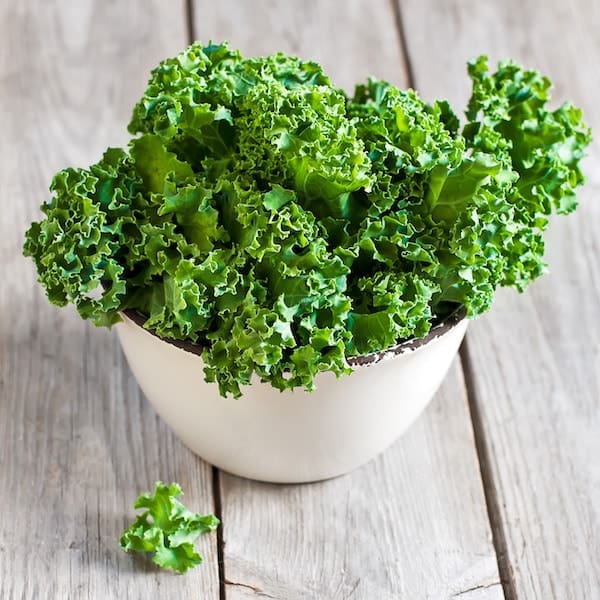
kale superfood

Kale is a leafy green vegetable related to other cruciferous plants like cabbages and cauliflowers.  It is a powerhouse packed with beta-carotene (Vitamin A), Vitamin C, quercetin, and kaempferol. It is one of the few vegetables that have a high Oxygen Radical Absorbance Capacity (ORAC) value. This rating measures the ability of the plant compounds to scavenge free radicals.

Consumption of kale has many health benefits. It can prevent cardiovascular diseases, macular degeneration, Alzheimer’s disease, atherosclerosis, diabetes, and rheumatoid arthritis to name a few. It can also keep the integrity of the skin; that keeps it looking great. Kale also contains flavonoids like glucosinolates, sinigrin, glucobrassicin, and glucoraphanin that convert isothiocyanates in the gut that helps prevent or suppress the growth of multiple types of cancerous tumors.

Inspired by www.fooddive.com

https://nutrifusion.com/wp-content/uploads/2017/01/avocado-PL3RSW8-min.jpg 1030 1545 NF Admin https://nutrifusion.com/wp-content/uploads/2022/05/NutriFusion-Logo-New-1030x251.png NF Admin2017-01-09 10:08:282017-01-09 10:08:28Most Demanded Superfoods: Avocado, Turmeric, and Kale

Mintel’s 2017 Global Food and Drink Industry Trends

in Animal Nutrition, Beverages & Drinks, Consumer Packaged Goods, Food Business, Health & Nutrition, Supplements & Nutraceuticals

Now that 2016 is over, it’s time to look at the food and beverage trends shaping up to make an impact in 2017. Mintel recently announced the top six trends that they believe will see fast growth this year. Check out their predictions below!

1. Traditional Processing

While our food today is made using modern processing, many people are now opting for foods made by conventional processing techniques. Companies are looking at using age-old formulation as well as classic flavors. People tend to view these foods as safe, reliable, and recognizable. This trend can be attributed to the recent rise of ancient recipes, cooking practices, and traditions that have resurfaced to incite the feeling of familiarity in the kitchen and food.

2. Plant-Based Formulation

Plant-based diets are becoming more popular, and Mintel expects this to be a huge area for growth in the industry. As a result, the food and drink industry is developing more products that emphasize using plant-based ingredients. This trend will not only be perfect for vegans and vegetarians but also flexitarians. We predict there will be an increased consumption of vegetables, fruits, seeds, nuts, grains and other botanical products.

3. Zero Food Waste

The year 2017 will be the year of the environment. But how does that relate to food? The answer is zero food waste. Today, many food manufacturers and restaurant owners want to address the growing problem of food waste. There will be an increasing awareness among people to use “ugly” produce as well as repurposing food ingredients to avoid wastage.

4. Night Shift Market

In today’s fast-paced life, many people have to work at night when we are all asleep. This lifestyle creates a new market niche for food manufacturers. Companies are developing products that are solely dedicated to nighttime workers as well as those who stay up late at night. Products such as teas made from lavender and chamomile are now introduced to night owls so that they can relax better just before their bedtime.

5. Healthy Food for Everyone

In the past years, only people from the higher income brackets could afford to eat healthily. Fortunately, 2017 will be the year when even lower-income consumers can afford to eat healthily.  2016 helped drive this change with companies like Annie’s leading the Everybunny campaign and other organizations lobbying for subsidized fruits and vegetables to keep prices low.

6. Convenient Healthy Foods

Convenience has been driving change in food for over 30 years, but the new opportunity is in creating fast, healthy foods. People want to eat food conveniently so many food and drink manufacturers are developing new ways to deliver their products faster without compromising the taste and nutritional content.

If you have noticed, the trends of 2017 revolve around the idea of eating convenient, healthy, and reliable foods. It’s not that surprising if you’ve watched the market over the past few years. It will be interesting to see which companies take advantage of these growth opportunities in 2017 and beyond.

Inspired by www.mintel.com

https://nutrifusion.com/wp-content/uploads/2022/05/NutriFusion-Logo-New-1030x251.png 0 0 NF Admin https://nutrifusion.com/wp-content/uploads/2022/05/NutriFusion-Logo-New-1030x251.png NF Admin2017-01-04 08:40:512017-01-04 08:40:51Mintel’s 2017 Global Food and Drink Industry Trends

Vegetable Powders: A Game Changer in The Healthy Food Movement

in Animal Nutrition, Beverages & Drinks, Consumer Packaged Goods, Food Business, Supplements & Nutraceuticals

The whole food movement has increased people’s consumption of fruits and vegetables. This trend has also led food producers to offer fruit and vegetable powders that are used to flavor and enhance food and beverages. Dehydrated vegetable and fruit powders are more practical than their fresh counterparts for food manufacturing. They have a longer shelf life and some powders like NutriFusion are packed with essential vitamins and minerals.
While powders are high in demand, the problem is that most of them exist with bland flavors and washed out colors. This is caused by poor extraction, processing, and storage. The developing food powder industry uses different drying techniques to produce vibrant fruit and vegetable powders.

Sensient Natural Ingredients, a company in Turlock in California, manufactures fruit and vegetable powders. They use methods like air, vacuum, and freeze drying. The drying technique employed depends on the types of ingredients used. For instance, air drying is utilized to dry herbs while vacuum drying is used to retain more nutrients from the dried food.
vegetable powder fruit powder cranberry powder food premix

Challenges in Making Whole Food Powders

Drying fruits and vegetables is not a walk in the park. Several types of fresh fruit and vegetables can be powdered, and manufacturers face a few obstacles. For instance, high sugary foods are difficult to process because they stick to everything. Moreover, the sugar found in sweet fruits can be difficult to deal with in high-temperature drying because they burn even from the start. Drying leafy greens and herbs are also very delicate to handle and are more at risk to spoilage or decay.

The problems encountered during the drying process drive manufacturers to optimize their harvest timing by processing the materials within a short yet specified time frame to prevent spoilage and decay. They also use technology like infrared light to kill pathogens and preserve colors, nutrients, and texture.

The Future of Fruit and Vegetable Powders

Over the next ten years, we will see a lot of fruits and vegetables turned into powder for nutrition, flavor, and texture in our packaged foods. One of the reasons why this trend will continue to flourish is because of the convenience. Whole foodpowders like NutriFusion tend to last for a long time without losing their nutritional value. They can be used in augmenting the nutrient content of the food that you are cooking or can be utilized as emergency food.

Astronauts will not be the only ones to benefit from powdered fruits and vegetables. The industry is already buzzing with wild dried fruits and vegetables like powdered coconut water, watermelon juice powder, tart cherry, and shiitake mushroom powder. NutriFusion separates itself from the pack by delivering blends of fresh fruit and veggies for optimal nutrition content. In many of our blends, you will find apple, blueberry, cherry, cranberry, shiitake mushroom, broccoli, tomato, carrot, orange, spinach, beet, and strawberry. The combination of those fruits and vegetables can deliver up to 12 different plant-based vitamins for food and beverage brands.

NutriFusion vegetable powder in a clear measuring cup set in a tray of finely ground yellow powder.

Food manufacturers also see an increasing trend in superfoods being turned to powder. Ingredients like acai berry, Camu Camu, cranberry, goji berry, and acerola will be mainstream in the future. The challenge here for food scientists is how to maintain a high ORAC value (an indicator of antioxidant capacity) despite the drying process.

Source:  http://www.wholefoodsmagazine.com/suppliers/features-suppliers/powder-play/

NutriFusion Fruit and Vegetable Powders Nutritional Claims FDA

https://nutrifusion.com/wp-content/uploads/2016/11/composition-of-fruits-and-vegetables-in-rainbow-82DUL49-min.webp 1030 1545 NF Admin https://nutrifusion.com/wp-content/uploads/2022/05/NutriFusion-Logo-New-1030x251.png NF Admin2016-11-29 10:04:182016-11-29 10:04:18Vegetable Powders: A Game Changer in The Healthy Food Movement

Imposing Soda Tax: A Solution for The Ballooning Diabetes and Heart Disease Problems

in Beverages & Drinks, Food Business, Health & Nutrition, Kid's Health

Global diabetes and heart disease rates have ballooned over the last 25 years. Among the countries that have the highest rate of diabetes and heart diseases, Mexico tops the list according to Dr. Kirsten Bibbins-Domingo. She is a UCSF professor medicine and director of UCSF Center for Vulnerable Populations. Another problem in the country is obesity. With the global obesity rate growing at 11% and 15%, respectively, for both men and women, Mexico harbors a lot of obese individuals in the world. It is strikingly alarming to take note that around 75% of adults in Mexico are obese.

To solve the problem, the Mexican government proposed a solution to address this chronic health issue by imposing a 10% excise tax on sugary drinks in 2014. This tax rate is designed to curb the consumption of sugary beverages. Thus, decreasing the number of people who have diabetes and cardiovascular diseases. Moreover, this strategy allows the government to save about $1 billion in direct health care cost due to these conditions.

Is the Sugary Drink Tax Effective?

In a study published in PLOS Medicine, simulation models of cardiovascular diseases and diabetes in Mexico was done. The simulation model was developed on the well-established model used in the United States in 1980.

Researchers from the Instituto Nacional Salud de Publica (INSP) in Cuernavaca in Mexico and from the UC San Francisco estimated that the sugary drink tax in the country will likely prevent 20,000 cases of heart attack, 190,000 cases of diabetes, and 19,000 deaths among adults from the age of 35 to 90 within the next ten years.

The sugary drink tax is not the only tool to turn around this health epidemic in Mexico, but it will also mean a lot of savings for the people and the government according to senior researcher, Simon Barquera. For instance, it will reduce healthcare spending such as clinic visits and hospitalization by as much as $983 billion. The health benefits will strongly be felt among young adults who are avid consumers of sugary drinks.

Backed by The World Health Organization

The World Health Organization (WHO) issued a report that indicated that imposing sugary drinks could decrease Type 2 diabetes, tooth decay, and obesity. Increasing the retail price to 20% can trigger a reduction in consumption because people will have second thoughts about buying expensive drinks.

Obesity is a rising problem in many rich and developing countries. The problem started more than a decade ago, and it has affected mostly people from the middle-income and lower-income bracket.

The sugary drink tax imposed in Mexico in 2014, according to WHO spokesman Paul Garwood, was favorable wherein the agency observed a substantial drop in the consumption of not only sugar but also caffeine.

Inspired by www.ucsf.edu/

https://nutrifusion.com/wp-content/uploads/2022/05/NutriFusion-Logo-New-1030x251.png 0 0 NF Admin https://nutrifusion.com/wp-content/uploads/2022/05/NutriFusion-Logo-New-1030x251.png NF Admin2016-11-22 10:36:332016-11-22 10:36:33Imposing Soda Tax: A Solution for The Ballooning Diabetes and Heart Disease Problems

Misleading Labeling Claims Can Land Food Companies in a Lawsuit

in Beverages & Drinks, Consumer Packaged Goods, Food Business

In today’s modern society, most consumers are driven to purchase healthy foods. Customers take the time to read and compare food labels to decide which products are right for them. Food producers use labels as a marketing ploy. Food manufacturers love to claim different kinds of health benefits to boost their products’ sales. Unfortunately, many of these claims are misleading.

The Problem with Misleading Food Labels

Food and beverage brands come up with the latest buzzwords that are designed to boost product sales. Consumers expect the labels to be truthful so that they can make healthier choices. Moreover, they assume that the government is keeping a strict eye on the food manufacturers.

While there is some truth to this, what’s good to know though is the system is currently working to make companies accountable for their misleading food labeling.  On August 12, 2016, the company Nature’s Way falsely labeled its coconut oil as healthy; thus, a California federal judge found that the firm’s advertising and labeling are misleading.

The company branded their products as a healthy alternative to shortening, margarine, butter and other cooking oils despite the fact that it is not much better than those products. Moreover, the company’s advertising and product labeling violated several state food regulations in Canada.

Food Labeling Laws

Food manufacturers are expected to evaluate their foods and make their nutrition labels.  They are allowed to make a margin of error of plus or minus 10%. The Food and Drug Administration imposes that all food producers are straightforward when it comes to labeling their food products. For instance, products that are labeled as “natural” may contain surprisingly unnatural ingredients. Moreover, food manufacturers should also include the exact serving size and calories on the label as part of FDA regulations.

FDA food label nutrition facts panel update for 2017 2018 2019 food companiesFDA Issues Public Warning

With the increasing trend of using misleading labels, the FDA strictly defines the term “natural” in food products, and it restricts many food manufacturers to abuse such claim. Those who do not comply with the agency often suffer repercussions.

For instance, the agency issued a public warning letter in 2014 to Premier Organics about its product named Arisana Coconut Butter Whole Coconut Flesh is not healthy because it contains high amounts of saturated fat per serving.

Another company that has found itself in hot water with the FDA was General Mills. The company experienced a lawsuit when it allegedly claimed that the product Cheerios Protein is a protein-rich version of the regular Cheerios when, in fact, it does not contain significant amounts of added protein.

The false advertising of many companies has led to the proposal of the Food Labeling Modernization Act to streamline food labeling and create a standard labeling requirement for all food products. With this proposal, food manufacturers will be more careful in using buzzwords like “natural” and “healthy.”

Source: legalnewsline.com

https://nutrifusion.com/wp-content/uploads/2016/11/shallow-depth-of-field-image-of-nutrition-facts-PPCFXVQ-min.jpg 1030 1545 NF Admin https://nutrifusion.com/wp-content/uploads/2022/05/NutriFusion-Logo-New-1030x251.png NF Admin2016-11-16 08:37:592016-11-16 08:37:59Misleading Labeling Claims Can Land Food Companies in a Lawsuit

Packaged Facts Reports Stable Growth in the Natural Food Industry

in Beverages & Drinks, Consumer Packaged Goods, Food Business, Supplements & Nutraceuticals

Modern consumers are no longer driven only by the price and taste of food. With most consumers seeking healthy foods, their shopping behaviors have also changed. Today, American consumers consider safety, experience, social impact, transparency, as well as health and wellness when it comes to purchasing food. This is the reason why organic and natural foods are a growing niche in the food industry.

According to the report titled Natural and Organic Foods and Beverages in the US (5th edition), most consumers value the transparency and eco-conscious models of how their foods are made. Opting for natural and organic foods fulfill the needs of the customers.

Research Director of Packaged Facts, David Sprinkle, noted that this new behavior of consumers resulted in the rise of the organic and natural foods market. Packaged Facts estimated that the industry would earn $69 billion by the end of this year. This is 11% higher than the sales from last year.


The Industry Shift to Organic And Natural Foods

The growth of the organic and natural products has outpaced the sales of conventional food items. It is forecasted that the growth will be up to 70% from 2016 to 2021. This is the reason why big food manufacturers are shifting towards the natural and organic food niche. They hope to achieve this by overhauling their products or creating a new portfolio in the hopes of attracting consumers who lean towards natural and organic foods.

But what most big companies do not realize is that integrating organic and natural foods to their established brand can be quite challenging. While the market for organic food products is rising, it still has big shoes to fill. Conventional companies might find it difficult to look for clean ingredients because the suppliers are not quite there yet.

Big Food Companies Making Changes

Although there are some challenges present, investing in the natural and organic food niche is worth it. In fact, many big companies have seen stark improvements in sales after jumping into the natural and organic bandwagon.

For instance, Campbell Soup Co. announced to remove all artificial flavors and colors in its products by the end of 2018. Other companies that have plans to remove its artificial colors and flavors include Mondelez, General Mills, Mars Inc., Kraft Heinz, and Hershey Co. On the other hand, companies like WhiteWave Foods have pledged to use only organic ingredients in their products.

The food manufacturing industry has come a long way from using artificial flavors and colors in the past to using only natural ingredients. As consumer behavior continues to lean towards clean ingredients and healthy foods, the other main food manufacturing companies will follow suit–an action that will not only benefit food manufacturers but consumers as well.

Inspired by prnewswire.com

https://nutrifusion.com/wp-content/uploads/2022/05/NutriFusion-Logo-New-1030x251.png 0 0 NF Admin https://nutrifusion.com/wp-content/uploads/2022/05/NutriFusion-Logo-New-1030x251.png NF Admin2016-11-03 09:30:032016-11-03 09:30:03Packaged Facts Reports Stable Growth in the Natural Food Industry

Premium Packaging: The New Trend in Private Label

in Beverages & Drinks, Consumer Packaged Goods, Food Business, Supplements & Nutraceuticals

The food manufacturing industry is highly competitive right now, and private label brands are keeping big brands on their toes. Aside from using clean ingredients, another industry trend is premium packaging.

Packaging is considered by most the brand and forms the first impression of products at the shelf in stores and online. Private label is adopting premium packaging to increase the perceived quality of their products and increase brand loyalty.

What Is Premium Packaging?

Big retailers are relying on cutting-edge packaging to enhance their brands. Premium packaging is all about improving the presentation of the product to make it distinguishable from competitors. It reinforces the identity of the brand, thereby making the products more appealing to the consumers. But it is important to take note that premium packaging is not only about using heavy-duty and expensive materials, but it also considers convenience and sustainability.


The Elements of Premium Packaging

Creating premium packaging can be a challenging task. Companies need to consider many things in the design of the packaging to sell their product, identity, and brand. Certain things should be taken into consideration when creating premium packaging, and these include the following:

  1. technical design innovation
  2. the durability of packaging
  3. convenience
  4. consumer health and wellness
  5. eco-friendly materials

For instance, thinking about the use of eco-friendly materials is necessary for creating premium packaging since so many people are now conscious of the green movement. Today, many manufacturers look into the sustainability of their packaging as they aim to produce less waste.

Convenience is also another factor especially if the product is designed for a particular target market. For instance, products that are created for the elderly should be convenient enough so that they can open the packaging without the help of others.

The Benefits of Premium Packaging in Private Label

The idea of presenting a product or brand as “luxurious” depends on the type of packaging used. People opt for luxury products to maintain a certain social standard. But more than social standards, luxury packaging can also improve the consumer experience. Private label companies are interested in premium packaging for this primary reason. They are already beating competitors on price, but they want to compete on experience now.

For instance, when the first microwavable meals became popular, demand increased because of the attractiveness of quick meals. Today, microwavable meals are no longer attractive and are commonplace. The use of ceramic pots to contain microwavable meals are used to create a better eating experience.

It is inevitable for companies to change their product packaging. It is one of the marketing strategies that companies should do to ensure success. With the constant evolution of product packaging, it will continue to push private label manufacturers to innovate and stand out from the crowd.

Inspired by http://digital.foodmanufacturing.com

https://nutrifusion.com/wp-content/uploads/2022/05/NutriFusion-Logo-New-1030x251.png 0 0 NF Admin https://nutrifusion.com/wp-content/uploads/2022/05/NutriFusion-Logo-New-1030x251.png NF Admin2016-10-26 10:01:282016-10-26 10:01:28Premium Packaging: The New Trend in Private Label

World Health Organization Supports Taxing Sugary Beverages

in Beverages & Drinks, Health & Nutrition, Kid's Health

In 2013, global beverage volume sales reached 994.1 billion liters. The continuous rise of beverage drinks has consequently lead to a rise in the rate of obesity. According to Dr. Douglas Bettcher from the World Health Organization’s Department for the Prevention of Non-Communicable Diseases, consumption of free sugars from sugary drinks have contributed to the global obesity and diabetes pandemic.

Since 1980 the prevalence of obesity has more than doubled to 39% of people around the world in 2014. To make matters worse, there are an estimated 42 million children under the age of five who are suffering from obesity. Especially those in developing countries like Africa and Asia.

Do We Need Sugary Beverages?

Nutritionists argue that while most of us have a sweet tooth, we don’t necessarily need free sugar in our diet. In fact, WHO recommends that people should consume free sugar below 10% of their energy needs. This means that an average adult may consume a single serving of sugary drink per day or a total volume of 250mL.


Dr. Francesco Branca from the WHO’s Department of Nutrition for Health and Development noted that foods with free sugar have high caloric value. So instead of consuming free sugar, it should be avoided like the plague to improve health conditions.

Taxation Is the Solution

The alarming rise of obesity and diabetes all over the world is taking a toll on the global healthcare setting. The World Health Organization suggested that implementing higher taxation on sugary drinks to curb these two main health problems.

In the report released by the WHO titled Fiscal Policies for Diet and Prevention of Non-Communicable Diseases (NCDs), reduction of the consumption of free sugars as well as calories are seen as the answer to the global obesity pandemic. Free sugars include simple sugars like fructose and glucose as well as disaccharides like table sugar and sucrose. These are added to food by the food manufacturers when creating their products.

But how to do we decrease the amount of sugary drink consumption? WHO recommend adding high taxes to these sugary beverages to discourage people from consuming too many sugary drinks. Thereby reducing their risk to obesity as well as other sugar-related diseases like tooth decay.

People who are affected by obesity and diabetes often fall into the low-income level. Moreover, sugary drinks are often consumed by people in the low-income levels too! Taxation of sugary drinks will most likely affect these people, but they will also be the ones to gain the highest health benefits.

Other Solutions

Aside from implementing higher taxation of sugary drinks, changes in fiscal policies to improve health should be undertaken. The World Health Organization recommended governments to subsidize fruits and vegetables to reduce the price by 30%. This will encourage more people to buy fruits and vegetables. Moreover, higher taxes on foods high in saturated fats and salt should also be implemented. Coupled with reduced consumption of sugary drinks, these fiscal policy changes will produce a lot of benefits for the health of individuals, globally.

Inspired by http://www.who.int

https://nutrifusion.com/wp-content/uploads/2022/05/NutriFusion-Logo-New-1030x251.png 0 0 NF Admin https://nutrifusion.com/wp-content/uploads/2022/05/NutriFusion-Logo-New-1030x251.png NF Admin2016-10-21 10:52:432016-10-21 10:52:43World Health Organization Supports Taxing Sugary Beverages
Page 21 of 26«‹1920212223›»

NUTRIFUSION®

GrandFusion® is a blend of fruits and/or vegetables that can significantly increase the nutritional profile and, therefore, the marketability of food, beverage, pet, and snack products.

Categories

  • Animal Nutrition
  • Beverages & Drinks
  • Consumer Packaged Goods
  • Corporate Partnerships
  • Corporate Updates
  • Featured
  • Food Business
  • Food Retail
  • GLP-1
  • Health & Nutrition
  • Infographics
  • Kid's Health
  • News
  • Press Releases
  • Product Announcements
  • Recipes
  • Supplements & Nutraceuticals
  • Uncategorized

ABOUT NUTRIFUSION®

NutriFusion® provides the nutrient-rich benefits of fruits and vegetables in everyday food products through whole non-GMO foods to create its concentrated micronutrient and phytonutrient-rich food ingredient blends.

Search NutriFusion

Search Search

SEAL OF AUTHENTICITY

NUTRIFUSION® CERTIFICATES

NutriFusion Cert Bar

Categories

  • Food
  • Beverages & Drinks
  • Pet Food
  • Nutraceuticals
  • Contact Us
  • Privacy Policy

© Copyright 2026 NutriFusion LLC | All Rights Reserved.

Scroll to top Scroll to top Scroll to top