
• Link to LinkedIn
  • Link to Facebook
  • Call Us
NutriFusion
  • Applications
    • All Blends
    • Food
    • Beverages & Drinks
    • Nutraceuticals
    • Pet Nutrition
    • Custom Superfood
  • R&D
    • Research & Development
    • Vitamin Deficiency
  • Active Research
  • About
    • About NutriFusion®
    • Certifications
  • Contact
  • News
    • Press Center
  • Podcasts
  • Blog
  • Store
  • Click to open the search input field Click to open the search input field Search
  • Menu Menu

Archive for category: Health & Nutrition

Ugly Fruits and Vegetables: The Solution to World Hunger

in Health & Nutrition

At least 800 million of the world’s population suffers from hunger. While food production rates soar, the amount of food wasted yearly is 2.9 trillion pounds, a quantity that can feed those suffering from hunger twice. These statistics beg the question – how does a third of the world’s food end up wasted?

The Link Between Ugly Food and World Hunger

National Geographic recently shared a story on a food project that involves cooking with food wasted at a typical supermarket. Activist Tristram Stuart to demonstrate the usefulness of discarded food, created a project to make restaurant meals for 50 within 24 hours. The ingredients would be food ingredients that were deemed unfit for use from farms and sellers in New Jersey. Stuart sourced ingredients from vendors who had quite a bit of crookneck squash, beet greens, apples, and wheatgrass. The project ended in bowls of squash tempura, zucchini noodles, and turnip and tofu dumplings.

The 24-hour challenge leads to important revelations about food wastage. Most food goes to waste and remains unsold due to how it looks. Further, Stuart shares his chat with Luis Garibaldi, owner of Fundo Maria Luisa, the largest grower of mandarins. He asked how much of it is exported and what becomes of the discarded produce. Garibaldi stated that while 70% is exported to North America and the European Union, 30% of it is either blemished, sunburnt, isn’t the right color and size or lacks sweetness and is rejected. The rejects are then sent to local markets at one-third of the price. This brings us to the cosmetic standards most producers and buyers attach to food. The supermarket standards for fruits and vegetables is creating the food waste problem. But we cannot just blame the supermarkets because their standards were built on consumer expectations. Consumers have to grow comfortable with eating ugly fruits and vegetables for us to

While the global hunger issue continues to evolve, the population in developing and developed countries wastes quite a bit of edible food. Most of the food are lost because it loses its shelf life in the process of exportation as well. It has drastic environmental consequences. The food production process uses a ton of natural resources including land and water. We can quickly draw the conclusion that wasting food is equivalent to wasting precious resources.

Ugly Fruits and Vegetables Could be the Solution

Reducing food waste is now on the agenda internationally. Ugly fruits and vegetables might just be the solution to world hunger. The waste that happens between the farm, the grocery store, and at home is enough to feed millions. Food that is edible yet rendered unappealing due to its appearance can be put to good use and gradually help the rest of the world eat.

Read the full article by  nationalgeographic.com
https://nutrifusion.com/wp-content/uploads/2016/04/couple-ugly-lime-and-lemon-minimal-art-P8DEZJZ-min.jpg 1030 1560 NF Admin https://nutrifusion.com/wp-content/uploads/2022/05/NutriFusion-Logo-New-1030x251.png NF Admin2016-04-11 09:05:432016-04-11 09:05:43Ugly Fruits and Vegetables: The Solution to World Hunger

Brain Health Connected To What We Eat

in Health & Nutrition, Kid's Health

There are many ways to keep the mind sharp. Exercise, sleep, meditation and of course a healthy diet. A healthy and nutritious diet supports the brain rather than stifles it. A diet that forces the body to expend energy for digestion after eating steals energy from the brain for thinking. Brain supportive foods include fruits, vegetables, olive oil, legumes, fish, lean meats, and certain fats such as those in nuts that have been processed naturally. They are not acidic, and they promote alkalinity in the body. Sugar and carbohydrates tax the body and make it sluggish and acidic.

Scientific American has concluded that there is a large correlation between a healthy diet and our mood. Depression, anxiety, forgetfulness, lack of focus and dementia come with age as well as the ability to control mood diminishes. Scientific American believes that the best way to combat the mood changes is by choosing a brain healthy diet.

Our Diet is a Big Indicator of Brain Health

Scientific American has listed three classifications that help the brain remain healthy. They state that foods rich in Omega-3 such as fish oil and fish help fight depression. Pickles and other fermented food help combat anxiety while antioxidant foods like green tea and fruits help prevent the onset of Alzheimer’s disease, forgetfulness, and eventual dementia.

We lack these types of food in the western diet. The diet of the West consists of processed or frozen food with high amounts of sugar, preservatives, coloring, flavorings, and bad cholesterol. A new study found out that western diets, such as fast food diets shrunk the brain’s hippocampus as evidenced by MRI scans. The hippocampus is that part of the brain that is essential for memory and mood control.

In another study conducted at Rush University in Chicago, it was concluded that a combination of a Mediterranean diet with a high nutrient, low salt diet helped prevent hypertension and Alzheimer’s disease. The adults tested even had higher scores in cognitive abilities than people who were younger than them. This study was done on a thousand subjects.

We still have a lot to learn when it comes to determining the relationship between diet and brain health, but we know without a doubt that food is connected to our health.

Inspired by inc.com


https://nutrifusion.com/wp-content/uploads/2022/05/NutriFusion-Logo-New-1030x251.png 0 0 NF Admin https://nutrifusion.com/wp-content/uploads/2022/05/NutriFusion-Logo-New-1030x251.png NF Admin2016-04-08 09:42:382016-04-08 09:42:38Brain Health Connected To What We Eat

The Problem with American Diets: Ultra-Processed Foods

in Consumer Packaged Goods, Food Business, Health & Nutrition, Kid's Health

With all the food fads rallying for healthier food, the emphasis on “natural” foods and ingredients is now more important than ever. However, the changing food trends have done little to affect the diet of the average American. 58% of the calorie intake of Americans comes from ultra-processed foods according to a study was featured in BJM Open, a medical journal.

The Average American Diet

While the government has done its best to introduce guidelines, consumers continue to choose processed snacks, frozen foods, artificially sweetened desserts, and drinks. The Centre for Disease Control conducted a National Health and Nutrition Examination survey to record the food eating patterns of Americans. The research involved tracking the food items the candidates had eaten in the last 24 hours. It was found that out of all the calories consumed by the survey-takers, three from every five calories consumed came from ultra-processed food. Almost 30% of calories came from unprocessed and partially processed foods, ingredients like oil and salt made up 2.9% of the whole, and 10% came from canned and packaged food like cheese, meat, and vegetables. The statistics suggest that the consumption of ultra-processed foods is far greater and forms a significant chunk of the average American diet.

The Link Between Sugar & Ultra-Processed Foods

A recent dietary guideline introduced by the government suggested limiting the intake of added sugar in the American diet. Ultra-processed foods contain artificial flavors, colors, aromas, and sweeteners. 14% of the overall calories in ultra-processed foods come from sugar and added sweeteners. An increase in the consumption of ultra-processed foods leads to an increase in the use of sugar too. Therefore, ultra-processed foods are primarily responsible for Americans crossing the suggested 10% limit on added sugar in the diet.


The Problem With Consumer Choices

While “healthy” and “natural” foods are in popular demand, consumers’ food choices in the market don’t reflect that need. Manufacturers continue to introduce healthy alternatives of food products to appeal to the health conscious, but consumers continue to pick salty snacks and products loaded with sweeteners. Many food brands have created new profiles and products to appeal to the new health-conscious consumer. However, if the food choices continue to lean towards ultra-processed foods, have any of the new products, and new guidelines helped Americans eat more healthy and nutritious food?

Inspired by latimes.com

https://nutrifusion.com/wp-content/uploads/2022/05/NutriFusion-Logo-New-1030x251.png 0 0 NF Admin https://nutrifusion.com/wp-content/uploads/2022/05/NutriFusion-Logo-New-1030x251.png NF Admin2016-03-28 09:59:212016-03-28 09:59:21The Problem with American Diets: Ultra-Processed Foods

Vitamin D Deficiency in Kids?

in Health & Nutrition, Kid's Health

Vitamin D is an essential nutrient for growing kids. The new recommended daily dietary allowance for Vitamin D is 600 UI per day. Most parents think their child is getting enough vitamin D from milk and playtime in the sun. Surprisingly, several studies have shown vitamin D deficiencies in children of all age groups. A recent survey by the University of Pittsburgh School of Medicine and Children’s Hospital of Pittsburgh has revealed that the daily dietary allowance of vitamin D is insufficient for children. Participants in the study consumed almost twice the amount of the vitamin, and it still proved to be inadequate. Therefore, we now need to re-define how much of the vitamin is “enough”.

The significance of Vitamin D

Vitamin D is not only necessary for healthy bones, but also helps prevent some major chronic diseases that may occur later in life. Deficiency may also result into bone-softening or rickets. The excessive low levels of the vitamin may have its basis in lifestyle changes. Preventing deficiency will only be possible by increasing the intake of vitamin D in children and all age groups.

The research at Pittsburgh University was conducted on 73 white candidates and 84 black candidates from ages between 8 to 14 years old. The kids were administered with a dosage of 1,000 UI of Vitamin D3 or with a placebo. The study spanned over six months during which blood tests were conducted to check vitamin D levels.

The result was that the baseline concentration was higher in the kids who received supplements as compared to those who were administered with the placebo. At first, the Vitamin D levels in the children (even those who were given supplements on a daily basis) remained small. Therefore, the degree of vitamin D was effectively raised in children who were given 1,000 UI of Vitamin D3. But, by the end of 6 months, this level too wasn’t sufficient.

Vitamin D Deficiency in Kids

Kumaravel Rajakumar, a professor of pediatrics at Pittsburgh University and the leading authority on the research stated that “Our findings suggest that the currently recommended daily dietary allowances of vitamin D of 600 UI may be inadequate for preventing vitamin D deficiency in children.” The administered dosage of the vitamin did no harm to the participating children. Therefore, it is safe to assume that the parameters be re-evaluated again.

Meanwhile growing children must be given the adequate amount of the essential vitamin in school lunches through fortified formulas and milk.

Inspired by newhope.com

NutriFusion Vitamin D From Shiitake Mushrooms

We have always understood the importance of vitamin D for our essential micronutrient blends. Most people wonder how we supply a natural form of vitamin D since it primarily comes from the sun. Shiitake mushrooms are one of the few foods high in vitamin D because they naturally absorb the vitamin from sunlight and store it. We use shiitake mushrooms in all of our blends to provide an ample amount of natural vitamin D at a given level. If you are interested in learning more about our GrandFusion fruit and vegetable blends, please visit your respective category.


https://nutrifusion.com/wp-content/uploads/2022/05/NutriFusion-Logo-New-1030x251.png 0 0 NF Admin https://nutrifusion.com/wp-content/uploads/2022/05/NutriFusion-Logo-New-1030x251.png NF Admin2016-03-25 10:40:332016-03-25 10:40:33Vitamin D Deficiency in Kids?

New Dietary Guidelines Suggest 20% Reduction in Sugar

in Beverages & Drinks, Consumer Packaged Goods, Food Business, Health & Nutrition

The U.S. Department of Agriculture and the U.S. Department of Health and Human Services has announced a drastic cut down on sugar. New dietary guidelines suggest a 20% drop in consumption of sugar-based calories.

The USDA and HHS added yet another diet restriction to the Dietary Guidelines that are renewed every five years. With an aim of reducing obesity and chronic diseases, the new diet rule seeks to limit the amount of sugar Americans have in food and beverages. Studies state that the average American consumes 270 sugar-based calories (or more than 13% of calories) on a daily basis.

Following the guidelines would mean a 60 calories reduction and on a national average, the numbers will go as high as 2.2 tonnes of sugar and corn syrup. Here’s how the implementation of the dietary guidelines will work out.

New Dietary Guidelines for Consumers

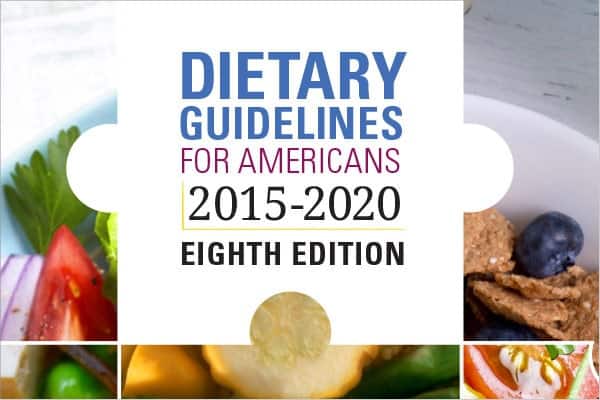
USDA Dietary Guidelines 2015 2020 SugarAs a step towards tackling the problem of obesity and health related issues, the 2015-2020 dietary guidelines draw attention to not just sugar, but caloric content of added sweeteners in food and beverage as well. The fitness-oriented consumer has a lot to gain regarding a better handle on diet plans. However, consumers will now have to be extra cautious about their purchases. Although limiting sugar intake helps consumer health goals, reading through product labels will become a challenge to the authenticity of alternatives. Meanwhile, health advocates believe that very few Americans will abide by the dietary guidelines.
 

Impact on Manufacturers


Introducing a decline in sugar consumption has a direct link with losses incurred by an entire industry dedicated to food and beverage manufacturers, especially soda and candy brands. On a larger scale, sugar and corn companies are in for a major setback. Manufacturers are beginning to react to the dietary guidelines in their own way. Just recently, The Sugar Association that represents several manufacturing companies dismissed the guidelines claiming that it has its basis in “weak science”. The American Beverage Association has funded multiple initiatives to fight tax and labelling laws. Coca-Cola took a different route and began promoting exercise regimes over diet plans for fitness. On the other hand, companies like Cargill have created low-sugar and non-sugar alternatives.

For the guidelines to be successful, the U.S government will have to conduct a lot more research and bring more awareness of sugar content on food labels.

Inspired by reuters.com

https://nutrifusion.com/wp-content/uploads/2022/05/NutriFusion-Logo-New-1030x251.png 0 0 NF Admin https://nutrifusion.com/wp-content/uploads/2022/05/NutriFusion-Logo-New-1030x251.png NF Admin2016-03-22 14:12:082016-03-22 14:12:08New Dietary Guidelines Suggest 20% Reduction in Sugar

Pizza Ranks as America’s Top Comfort Food

in Health & Nutrition, Kid's Health

Most of us turn to food as a source of comfort. Just imagine coming home from a hectic day at work, switching off your phone, cooking or ordering your favorite comfort food, and curling up in front of the TV with no interruptions – sounds fabulous, right?


America’s Top Comfort Food

Now, there could be a debate that there are other stress busters out there. To get a definitive answer, The Harris Poll recently conducted a study where 53% of Americans admitted that they eat more under stress while 67% said they opt for their preferred comfort food to think their way through during tough times. What’s surprising is they don’t feel guilty in doing so! So what emerged as the king of comfort food in America?

Hold on…it is…pizza! That’s right; the survey included 2,252 U.S. adults and won by a whopping 15%, which is more than twice as many votes than any other food choice. Chocolate and ice cream scored second place at 7% each, Mac & cheese came in at 5%, and chips finished at 4%. Strangely, pizza was selected by most people when demographics including gender, generation, and geographic region were evaluated. Barring people over 70 who preferred ice cream, pizza is a clear winner!


But Wait…

While pizza might be the ultimate comfort food, it is not the best option for all situations. For instance, Americans would prefer soup instead if they are sick – the figures say that 39% want soup with an extra 22% wishing for chicken noodle soup. This is true across all key demographics. Ice cream, toast, and pizza come to 3%, 2%, and 2% respectively when sick. During celebration time, 22% adults wish for steak and 12% opt for cake. To round out the top five: pizza, lobster, and other types of seafood at 7%, 4%, and 3% respectively.

Is Comfort Food Only For Bad Days?

Although some would argue that stress, bad days, and depression sort of complement each other, the comfort food dynamics might show a different picture. 45% of the Americans in the study choose comfort food when they are stressed, 43% after a tough day at work, and 33% during a depression. However, not everyone needs to be down in the dumps to dig into their favorite comfort food. It can happen on a good day for 38% while 37% may do it on their birthday.

Inspired by theharrispoll.com

Can We Make Comfort Food Better For You?

We all have good days and bad days. Sometimes we need a little comfort food in our lives. But does comfort food have to be so bad for us? At NutriFusion, we believe that comfort food can be made better for us. We are not saying, you should eat it every day if it’s healthier, but it wouldn’t penalize your health so much when you do eat it.

Michael Pollan says food is not healthy it’s nutritious. Somewhere down the line, we lost sight of that in the food industry. We started to strip away the nutrition in our products and fortify them with man-made, synthetic, chemical nutrition. NutriFusion developed a product to change the packaged food and nutrition industry forever. Our patented method stabilizes the nutrients (vitamins and minerals) in fruits and vegetables so that processed food companies can easily add living nutrition to their products. We believe our products are not a substitute for eating fruits and vegetables, but a better for you alternative as the majority of Americans transition to eating healthier. Learn more about NutriFusion for you category below:

https://nutrifusion.com/wp-content/uploads/2022/05/NutriFusion-Logo-New-1030x251.png 0 0 NF Admin https://nutrifusion.com/wp-content/uploads/2022/05/NutriFusion-Logo-New-1030x251.png NF Admin2016-03-18 10:04:512016-03-18 10:04:51Pizza Ranks as America’s Top Comfort Food

Healthy Foods Could Lead to Overeating

in Consumer Packaged Goods, Health & Nutrition, Kid's Health

Our weight loss goals are often accompanied by a structured, well-balanced diet of healthy foods. We now know that healthier food, not “less” food, is the key to losing weight and maintaining an active life. However, the healthy eaters are now facing a new contradiction in their diet plan.

Dietitians often hear their patients say that they eat healthily, yet they still tend to gain weight. This common problem has its basis in the belief that if something is healthy, you can have more of it. When it comes to junk food, we try to avoid them or eat smaller portions. Healthy foods, on the other hand, are seen for all their benefits. Instead, we side-track the prescribed quantity of consumption, and this is where our diet plan goes wrong.

The Irony: Healthy Foods Leading to Overeating 

A study conducted by the University of Texas-Austin revealed in full the “healthy equals less filling” theory. Junk food is loaded with carbs, oil, and artificial (appealing) flavoring. Eating foods like a hotdog or a burger will instantly leave you feeling full for quite some time. On the other hand, healthy foods are higher in nutrients, not carbs and are considered for the most part a lot less filling than junk food. The result is that we end up overeating healthy food and gaining weight in spite of avoiding junk food.

The research includes three experiments on different groups of Americans. 50 undergraduate students were asked to state whether they found healthy food less filling. Then, a group of 40 graduates had to report their hunger levels after consuming a cookie from a pack with nutritional value and a cookie that was represented as unhealthy. The last experiment involved assessing the food choices of 72 undergraduate students who watched a short film to test how the portrayal of food affects an individual’s inclination to have more or less of it.

What’s more? Participants who weren’t aware of the “you tend to eat more of healthy food” theory also concluded that the healthy cookie wasn’t filling. The study reveals how food labels can be responsible for how we approach certain foods.

Tackling the Obesity Epidemic

Obesity was already an important issue before health foods were added as a possible cause. As a solution, consumers must look for food that is nutritious and filling instead of just looking for items with low-fat and caloric content. Knowing your nutrition and protein sources is the key to creating a diet plan and schedule that keeps you feeling energetic and full through the day.

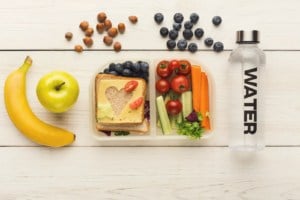
kid's menu panera lunch box childhood obesity

Our focus should be on eating lots of fresh fruits and vegetables. When we do eat packaged food products whether they are healthy or not, we should eat those with moderation. It’s easy to overeat when we have been told to do so for so many years. How will you limit yourself to healthy foods in the future?

Inspired by medicalnewstoday.com


https://nutrifusion.com/wp-content/uploads/2016/03/shutterstock_214341322-e1458134341775.webp 586 675 NF Admin https://nutrifusion.com/wp-content/uploads/2022/05/NutriFusion-Logo-New-1030x251.png NF Admin2016-03-16 09:26:582016-03-16 09:26:58Healthy Foods Could Lead to Overeating

Clean Food Labels Are More Important Than Ever

in Beverages & Drinks, Consumer Packaged Goods, Food Business, Health & Nutrition, Supplements & Nutraceuticals

Americans are becoming more cautious about what they eat. According to a recent consumer study, 64% of Americans check the ingredients of food items that they purchase as compared to only 53 percent of Europeans. The research was done by research company GNT Group with Fooddive.com noting the study. This is a noticeable increase in the number of Americans reading food labels when compared to a study that was reported five years ago in the Journal of the American Dietetic Association. The study concluded that around 51.6 percent of Americans have their eyes on food labels before they even make a purchase.

“The study’s result clearly shows that natural ingredients have become more important all around the globe. Many manufacturers already comply with consumers’ wishes by, for example, using coloring foods exclusively made from natural raw materials and clearly indicating that on the label. This development will continue to gather momentum in the upcoming years.” -Hendrick Hoeck, GNT Group Managing Director

Simple Ingredients and Clean Food Labels

This new clean label development is noticeable in supermarket food aisles. It is evident from the iconic blue box for Kraft Dinner mac n cheese to the cheery Lucky Charms which have been reported to be manufactured soon without any artificial ingredients. Americans have indeed made a turn for the better when it comes to healthier food choices. Of course, a healthy diet is just one part of becoming healthy. A person who wishes to attain good health must also practice an active lifestyle and should make efforts to exercise daily to reduce stress in their lives.

The study also points out that consumers are not just looking for healthy food, but they want easy to understand food labels and nutrient information. Consumers are also choosing foods that are natural which means no additives, artificial coloring, artificial preservative, and chemical ingredients. By choosing natural and preservative-free food, consumers can guarantee a better quality diet. Chemicals in food are known to cause cancer, allergies, and chronic illnesses. Therefore, extra effort should be used to find healthy and natural foods in the packaged food aisles. Checking for clean food labels will give consumers more power in choosing the best food items for their family and it will also increase the value of their money spent on groceries.

Inspired by fooddive.com

Add NutriFusion for Plant-Based Nutrients and Clean Food Labels

The United States is experiencing an extreme nutritional deficiency amongst its people. The majority of nutrients we consume on a daily basis are developed in a lab with synthetic chemicals. NutriFusion saw this problem and developed a breakthrough innovation for food and beverage manufacturers. Our patent pending method stabilizes vitamins and minerals in whole fruits and vegetables so that they can easily be added to many of our favorite packaged foods. Our ingredients are simple and easy to understand. Consumers immediately know that their nutrients are naturally sourced from fruits and vegetables. We believe our ingredient is essential to processed food over the next twenty years. Americans are not going to start eating fruits and vegetables overnight, so the least we can do is pack their favorite snacks and packaged foods with natural nutrition. If you are interested in learning more about NutriFusion, please visit your respective category.

https://nutrifusion.com/wp-content/uploads/2022/05/NutriFusion-Logo-New-1030x251.png 0 0 NF Admin https://nutrifusion.com/wp-content/uploads/2022/05/NutriFusion-Logo-New-1030x251.png NF Admin2016-03-07 08:32:462016-03-07 08:32:46Clean Food Labels Are More Important Than Ever
Page 50 of 54«‹4849505152›»

NUTRIFUSION®

GrandFusion® is a blend of fruits and/or vegetables that can significantly increase the nutritional profile and, therefore, the marketability of food, beverage, pet, and snack products.

Categories

  • Animal Nutrition
  • Beverages & Drinks
  • Consumer Packaged Goods
  • Corporate Partnerships
  • Corporate Updates
  • Featured
  • Food Business
  • Food Retail
  • GLP-1
  • Health & Nutrition
  • Infographics
  • Kid's Health
  • News
  • Press Releases
  • Product Announcements
  • Recipes
  • Supplements & Nutraceuticals
  • Uncategorized

ABOUT NUTRIFUSION®

NutriFusion® provides the nutrient-rich benefits of fruits and vegetables in everyday food products through whole non-GMO foods to create its concentrated micronutrient and phytonutrient-rich food ingredient blends.

Search NutriFusion

Search Search

SEAL OF AUTHENTICITY

NUTRIFUSION® CERTIFICATES

NutriFusion Cert Bar

Categories

  • Food
  • Beverages & Drinks
  • Pet Food
  • Nutraceuticals
  • Contact Us
  • Privacy Policy

© Copyright 2026 NutriFusion LLC | All Rights Reserved.

Scroll to top Scroll to top Scroll to top