
How Functional Foods are Replacing Ultra-Processed Options on the Market
For decades, ultra-processed foods dominated grocery shelves and foodservice menus. They were cheap to produce, shelf-stable, and engineered for repeat consumption. But a visible shift is underway. Functional foods, products designed to deliver genuine nutritional value beyond basic calories, are taking up more shelf space, more R&D budgets, and more consumer attention than at any previous point. For manufacturers and formulators, that shift is not just a trend to monitor. It is a sourcing and positioning decision that affects product viability, label credibility, and long-term market relevance.
Why Ultra-Processed Foods are Losing Ground
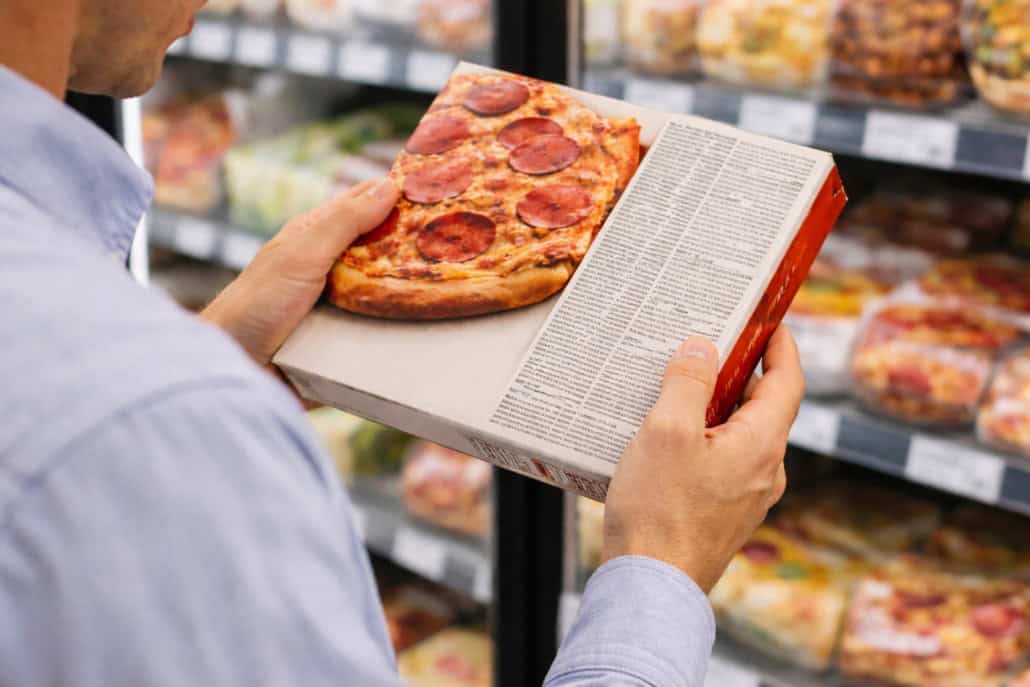
Ultra-processed foods are defined by what they contain and what they lack. Most are high in added sugars, refined starches, sodium, and artificial additives, while offering little in the way of naturally occurring micronutrients. Research published in peer-reviewed nutrition journals has linked regular consumption of ultra-processed foods to increased markers of systemic inflammation and oxidative stress, both areas of growing concern among health-aware consumers and the medical community.
The consumer response has been measurable. A 2023 survey by the International Food Information Council found that 73% of American consumers actively try to limit ultra-processed food intake, and 52% reported reading ingredient labels more carefully than they did five years prior. That behavioral shift is now driving procurement conversations at the brand level, particularly for manufacturers working on whole-food nutrient fortification as a cleaner alternative to conventional approaches.
Formulators working on product renovation or new SKU development are navigating a specific tension: how to produce foods that are accessible, shelf-stable, and scalable, while still meeting the nutritional and label expectations of a more skeptical buyer.
What Defines Functional Foods in a B2B Context
Functional foods are not a regulatory category in the United States, but the term carries real commercial weight. In practice, a functional food is one that delivers a credible, specific nutritional benefit through its ingredient composition, not just through fortification with isolated synthetic compounds.
For manufacturers, that distinction matters in three ways:
- Label transparency: Consumers and retail buyers are increasingly scrutinizing ingredient lists. A product fortified with ascorbic acid reads differently on a label than one listing orange, papaya, and spinach as nutrient sources.
- Claims substantiation: Whole-food-derived nutrients can support broader positioning around "real ingredients" without requiring disease-specific health claims.
- Product differentiation: In categories crowded with similar formulations, a cleaner, more nutrient-dense ingredient story is a competitive lever, not just a marketing preference.
The global functional food market was valued at approximately $197 billion in 2023 and is projected to grow at a compound annual growth rate of around 8.4% through 2030, driven largely by demand for clean-label, nutrient-forward products across food, beverage, and supplement categories.
The Formulation Gap Between Marketing and Reality
Many brands market products as "better for you" while still relying on synthetic vitamin fortification to hit their nutrition panel targets. That approach carries risks that are becoming harder to ignore.
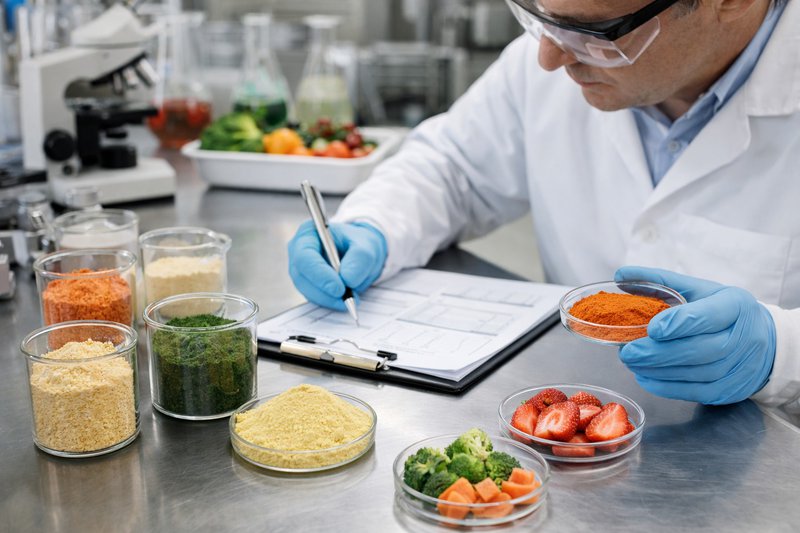
Synthetic vitamins do not come packaged with the co-factors, phytonutrients, and bioavailable forms found in whole-food sources. For brands positioning products as functional or clean-label, that gap between the marketing message and the actual ingredient sourcing is one that informed buyers, retail gatekeepers, and increasingly sophisticated consumers are beginning to notice. Brands that have already moved toward certified, whole-food ingredient systems tend to have a stronger foundation when scrutiny increases at retail or during supplier qualification.
Reformulating to close that gap is not a simple swap. It requires ingredient partners who can deliver consistent nutrient specifications, processing stability, and documentation that holds up across finished product testing.
How NutriFusion Supports Formulation for Functional Foods
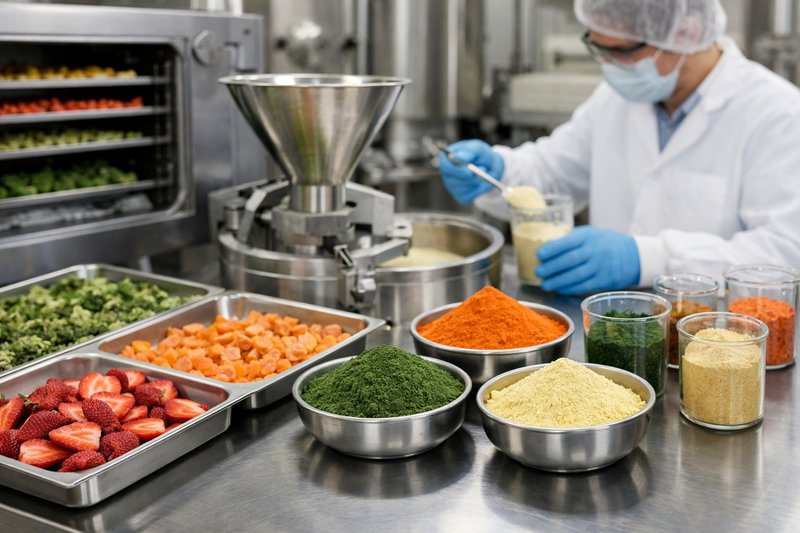
NutriFusion's GrandFusion blends are specifically designed to address the formulation challenge that functional food development presents. Rather than relying on synthetic vitamin additions, NutriFusion converts high-quality fruits, vegetables, and mushrooms into concentrated, stable micronutrient powders that list recognizable whole foods on an ingredient statement.
This matters for manufacturers and health-conscious consumers alike for several practical reasons:
- Nutrient density at small inclusion rates: The 21 Vitamin and Mineral Blend delivers 100% of the Daily Value for 21 nutrients in just 491 mg, enabling full-panel nutrition without large addition rates that could affect texture, flavor, or processing.
- Processing stability: NutriFusion's nutrient systems are formulated to survive common processing conditions including heat, extrusion, and extended shelf life, a documented challenge with many natural ingredient alternatives.
- Accessible minimums for brands at any stage: Minimum orders starting at one pound make it practical to evaluate and pilot functional food formulations before committing to full production volumes.
For brands building functional food products in categories like granola bars, fortified snacks, better-for-you cereals, or functional beverages, NutriFusion's B complex and multi-nutrient blends offer a practical path to cleaner fortification without sacrificing label readability or nutrition panel performance.
Rethink how you formulate. Explore how whole-food nutrient systems can elevate your functional foods at scale: https://nutrifusion.com/
References
- Monteiro, C.A., et al. 2019. "Ultra-processed foods: what they are and how to identify them." Public Health Nutrition. https://doi.org/10.1017/S1368980018003762
- International Food Information Council. 2023. "2023 Food and Health Survey." IFIC Foundation. https://ific.org/research/2023-food-and-health-survey/
- Grand View Research. 2024. "Functional Food Market Size, Share & Trends Analysis Report." Grand View Research. https://www.grandviewresearch.com/industry-analysis/functional-food-market