What are the Benefits of Green Superfood Powder in Everyday Products?
Most green superfood powders look better on the label than they perform in the body. Walk down any supplement aisle or scroll through a functional food brand's product page, and you will find blends boasting 20-plus vitamins and minerals. What many of them do not advertise is that the bulk of those nutrients come from synthetic compounds, not the fruits and vegetables pictured on the packaging.
For consumers, that distinction affects what they are actually getting from a product they pay a premium for. For brands and formulators, it affects what they can honestly claim and how their products hold up when buyers start asking harder questions.
Why the Source of Nutrients is not a Minor Detail
Nutrient source determines how the body interacts with what it absorbs. Whole-food-derived vitamins and minerals come packaged with the naturally occurring cofactors, enzymes, and phytonutrients present in the original plant. Synthetic isolates do not. When a vitamin is manufactured in a lab and added to a blend, those supporting compounds are absent, and the body may not process it the same way.
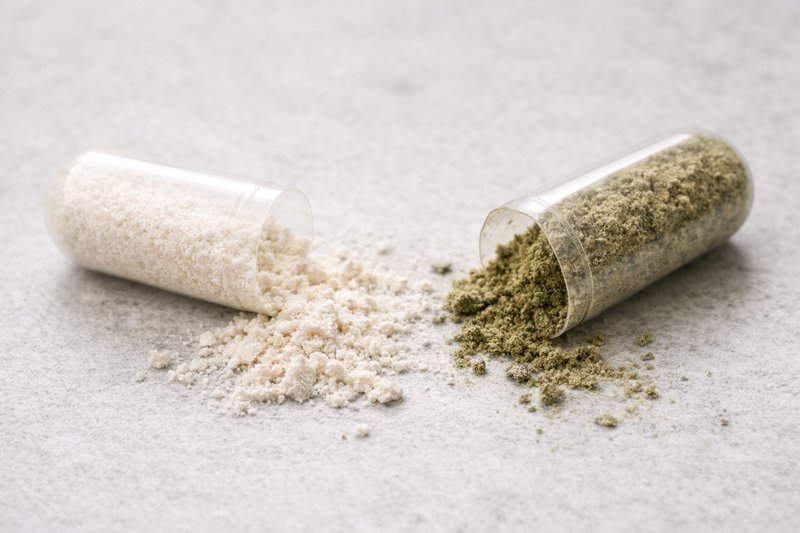
This is not a fringe concern. Bioavailability, meaning the degree to which a nutrient is absorbed and used by the body, varies depending on the form in which it is delivered. For consumers investing in a daily greens supplement or a fortified food product, that difference is worth understanding. For formulators, it shapes which ingredients can support credible nutrient content claims.
What Real Green Superfood Powder Benefits Look Like
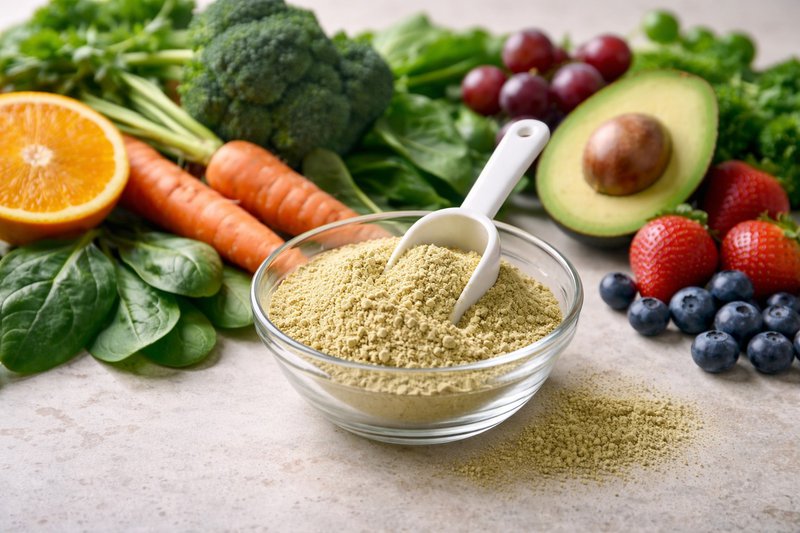
When a green superfood powder is built from actual plant sources rather than synthetic fortification, the benefits are more concrete than most marketing copy suggests. A few worth understanding:
- Recognizable ingredients: Whole-food-derived blends list broccoli, spinach, kale, sweet potato, and similar ingredients because those are genuinely the source. Consumers can read the label and understand what they are taking. Brands get a cleaner, more defensible ingredient statement.
- Stability through processing: For everyday food and beverage products, nutrients need to survive heat, extrusion, and shelf time. Well-formulated plant-based vitamin blends are stabilized so that what is declared on the label is still present when the product reaches the consumer.
- Sensory neutrality: A concentrated whole-food powder designed for food applications should not significantly alter the taste or texture of the finished product. Effective blends can deliver meaningful nutrient levels at around 20 to 25% daily value per serving without adding off-flavors or affecting texture.
- Fewer ingredient questions: When nutrients come from named plant sources, there are no unfamiliar chemical names buried in the ingredient list. That matters to consumers who research what they eat, and to retailers with clean-label shelf requirements.
How to Tell the Difference Between Whole-Food and Synthetic Blends
This is where many products fall short of what they appear to offer. A green superfood powder can include small amounts of fruits and vegetables for the ingredient statement while delivering most of its nutrient content through added synthetic vitamins. The label looks natural. The formulation is not.
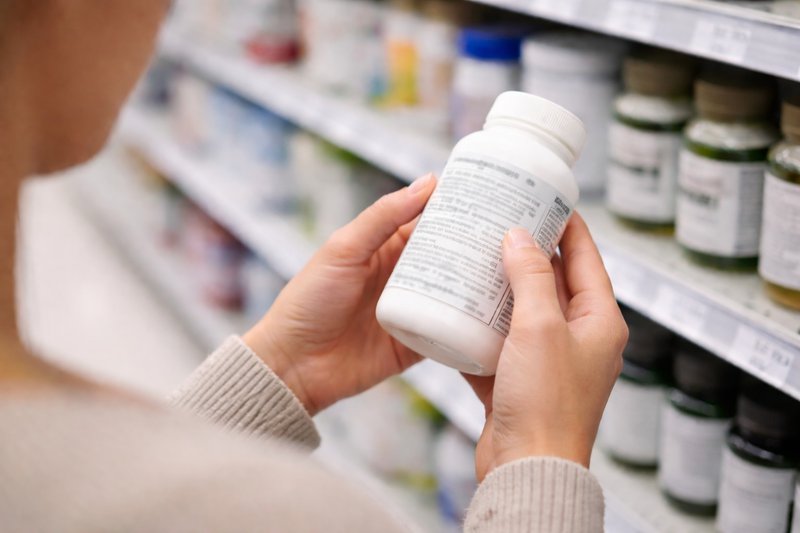
A few practical ways to evaluate what you are actually looking at, whether you are a consumer or a product developer:
- Check whether vitamins are listed as part of the fruit and vegetable blend or added separately as isolated compounds (ascorbic acid, dl-alpha tocopheryl acetate, and similar names signal synthetic addition).
- Look for supplier documentation if you are sourcing for a product. Certificates of analysis should show nutrient content as it exists after processing, not just as it was added.
- Ask whether the blend has been tested for stability under the processing conditions relevant to the application.
For brands, certifications like Kosher, Halal, SQF, and cGMP compliance are relevant markers of a supplier's quality infrastructure. They do not confirm whole-food sourcing on their own, but they indicate the level of documentation and oversight behind the ingredient.
Why Honest Sourcing Produces Better Products for Everyone
The green superfood powder benefits that matter most are not headline numbers. They are traceable plant sources, nutrients that survive processing, and ingredient statements consumers can actually understand and trust.
For everyday buyers, the question worth asking before purchasing any greens product is simple: where do the vitamins actually come from? For brands, the same question applies at the sourcing stage, before commitments are made and labels are printed.
Products built on genuine whole-food nutrition hold up better over time, whether that is measured in consumer trust, retail positioning, or label claim defensibility. The cost of getting it right upfront is lower than the cost of reformulating or rebuilding credibility later.
How NutriFusion Approaches Green Superfood Formulation
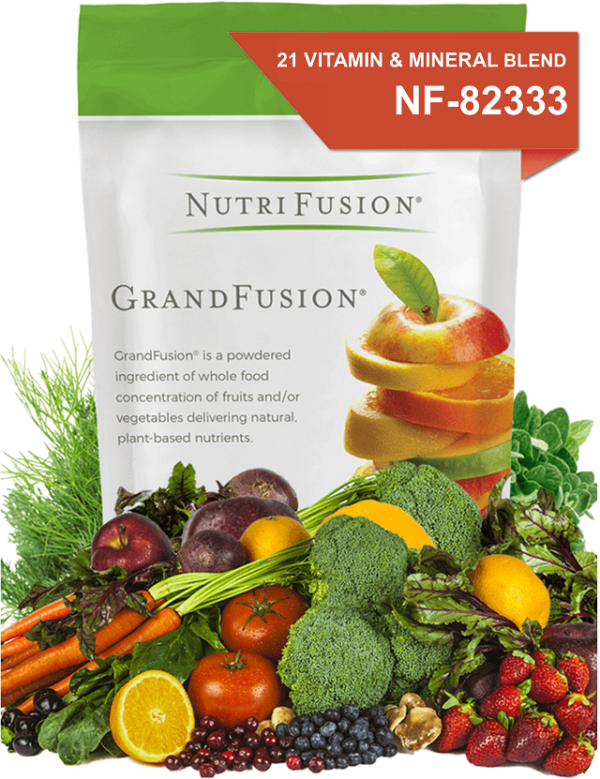
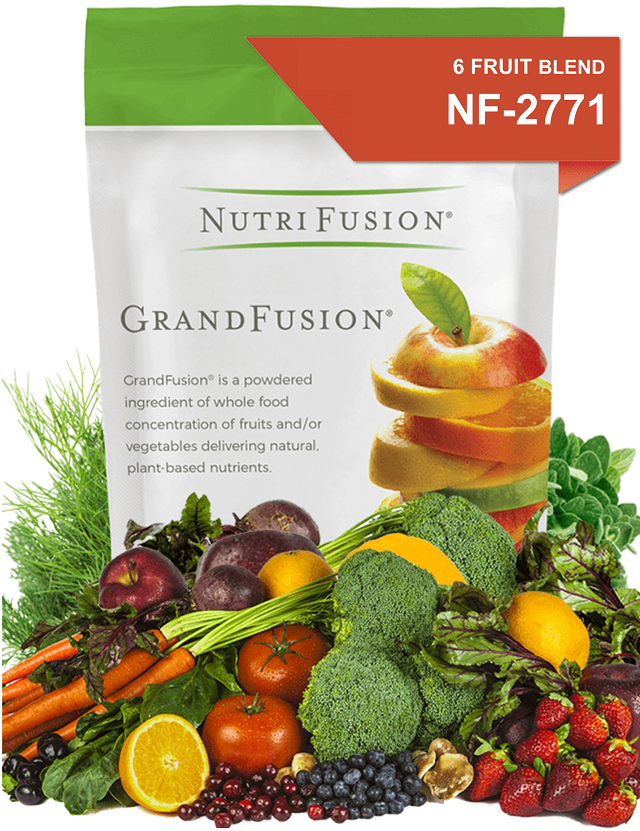
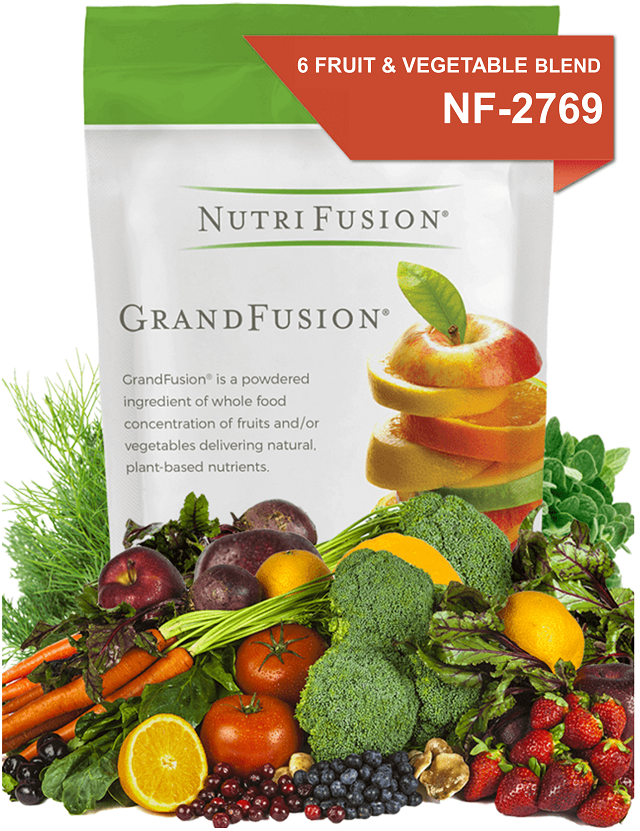
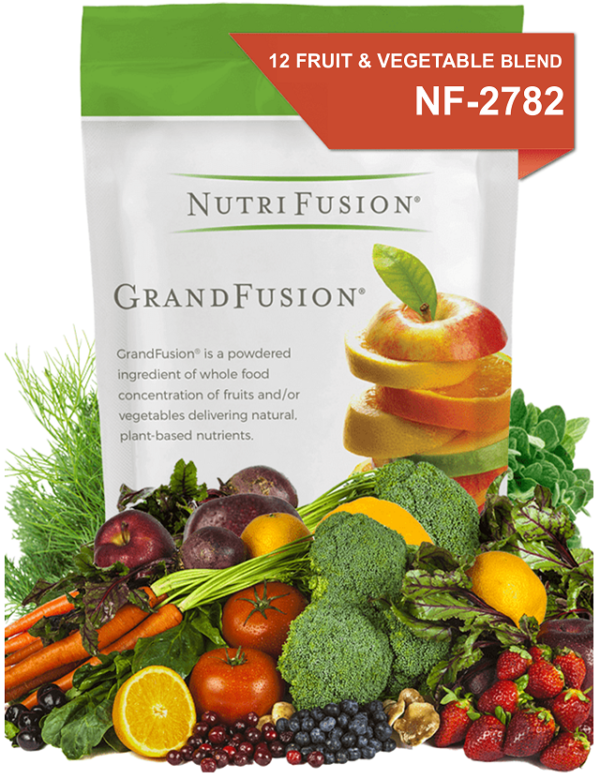
NutriFusion's GrandFusion blends are built from whole plant sources. Every nutrient comes from identifiable ingredients, including broccoli, spinach, kale, sweet potato, pumpkin, cranberry, and chlorella, rather than being added as synthetic isolates after the fact.
The concentration is notable. The 21 Vitamin and Mineral Blend (NF-82333) delivers 100% daily value for 21 nutrients in just 491 mg of powder. That level of density in a small serving size is meaningful both for consumers who want real nutrition without large serving volumes, and for formulators who need to add micronutrient content without significantly affecting serving size or product architecture.
NutriFusion's blends are covered under FDA-hosted GRAS documentation (GRN 690 and GRN 769), which includes stability data showing that nutrient content can hold through robust manufacturing conditions and shelf life. For product developers, that is the kind of third-party documentation that supports label claims. For consumers, it signals that the nutrition on the panel reflects what is actually in the product.
The ingredient range covers food, beverage, nutraceutical, and pet nutrition applications, with minimum orders starting at one pound and custom nutrient profiles available for brands that need a blend aligned to specific formulation or label requirements.
See how NutriFusion delivers whole-food-derived nutrients you can trace, test, and trust: https://nutrifusion.com/
References
- U.S. Food and Drug Administration. 2017. "GRAS Notice GRN 690: Fruit and Vegetable Vitamin Extract." FDA. https://www.fda.gov/files/food/published/GRAS-Notice-GRN-690-Fruit-and-vegetable-vitamin-extract.pdf
- U.S. Food and Drug Administration. 2019. "GRAS Notice GRN 769: Fruit and Vegetable-Derived Vitamin C Extract." FDA. https://www.fda.gov/media/127844/download
- FoodNavigator-USA. 2024. "NutriFusion's Flexible Minimum Orders Resonate With Emerging Brands." FoodNavigator-USA. https://www.foodnavigator-usa.com/Article/2024/08/28/nutrifusion-s-flexible-minimum-orders-resonate-with-emerging-brands