
Should You Make Protein Powder or Ready-to-Drink? Here’s What the Data Says
Protein launches rarely miss because demand is weak. More often, the format choice creates friction. You can have the right formula, the right positioning, and the right audience, yet still struggle if you choose the wrong delivery format.
Protein powder and ready-to-drink protein play very different roles in how consumers buy, store, and use products. That choice affects cost structure, shelf placement, repeat purchasing behavior, and long-term margins.
We have seen brands rush into ready-to-drink products because they look exciting. We have also seen brands underestimate powder because it feels familiar. Both moves can be costly. In this blog, we will break this down using market data, buyer behavior, formulation realities, and manufacturing constraints.
How Consumers Choose: Control Versus Convenience
Here is how consumers actually sort protein formats when they are choosing what to use every day:
- Ready-to-drink protein is about convenience. You grab it, open it, and drink it. The texture is consistent, with no shaker and no prep.
- Protein powder is about control. You choose the dose, mix it your way, store it easily, and usually pay less per serving.
One comparison estimated the powder at about USD 1.36 per serving, versus roughly USD 2.10 for ready-to-drink, largely due to packaging and convenience costs. That gap matters for brands. Even if ready-to-drink sells faster per location, powder often wins on repeat economics. That is especially true for subscriptions, bundles, and multi-serve households.
Where Protein Powder Wins for Brands
Protein powder is the better fit when flexibility and iteration matter. Grand View Research projects the protein supplements market will grow at a roughly 10.3% CAGR through 2033, with protein powder accounting for about 48.8% of revenue in 2024.
That split also reflects operational reality. Powder allows more flavor innovation each year without retooling packaging lines. Seasonal drops, limited runs, and collaborations are easier to test. You can extend a line into whey protein isolate, whey protein concentrate, vegan protein powder, or blended systems with less operational friction.
Shipping also favors powder. You are moving dry weight, so there is no liquid, less volume per gram of protein, and fewer freight surprises.
Powder also fits habit-based models. A tub with thirty servings supports routine. That works well for e-commerce, subscriptions, and direct-to-consumer strategies.
Powder comes with its own risks. Mixability drives satisfaction. Clumping, chalk, and aftertaste issues can erase the benefit of good macros. Packaging barriers also matter because hygroscopic ingredients can contribute to caking.
Where Ready-to-Drink Protein Wins for Brands
Ready-to-drink protein works best when immediacy drives the purchase. It performs in coolers, convenience stores, gyms, offices, and other settings where the buyer wants a finished option right now. A single bottle also signals completeness, which can support meal-replacement positioning.
That convenience comes with more variables, and they need to be set early. Shelf-life targets, fill-finish partners, packaging availability, heat-processing choices, and distribution plans all shape the final outcome. These are manageable decisions, but they are expensive to correct after the first run.
The numbers reflect that demand. In the beverage lane, ready-to-drink protein drinks are projected to grow from about USD 1.96 billion in 2025 to around USD 3.06 billion by 2031, at a roughly 7.7% CAGR.
RTD Protein Drinks Stability Reality Check

Ready-to-drink looks simple on the shelf. In production, high-protein beverages behave like sensitive systems, especially at higher protein loads. Common failure modes tend to show up over time, not on day one:
- Sedimentation can cause protein particles or cocoa to settle.
- Gelation can slowly thicken the drink weeks after filling.
- Separation creates visible layers that erode trust.
- Heat processing can also introduce off-flavors, especially “cooked” notes from ultra-high temperature treatment.
Research indicates that ultra-high-temperature processing can increase risks of fouling, sedimentation, and gelation in high-protein beverages, and that stabilizer systems play a meaningful role. In chocolate RTD protein beverages, carefully controlled kappa-carrageenan levels have been shown to improve run-time stability and reduce settling. This is less about a single ingredient and more about system design.
RTD Packaging Trends That Change the Economics
Packaging choices can move margins as much as formula. Mordor Intelligence reports bottles held about 46.25% of RTD protein drink packaging share in 2025, while cartons and pouches are forecast to grow at roughly 7.75% CAGR through 2030.
Those shifts affect freight efficiency, shelf placement between ambient and chilled sets, and how consumers interpret the product. Cartons can signal “cleaner” or more functional compared to bottles. Packaging is doing more than just holding the product. It signals positioning.
Decision Checklist That Matches Format to Channel
Start with the channel and operational reality, then let format follow. Here is how that decision actually shows up once you start selling into real channels:
- If your primary channel is e-commerce or direct-to-consumer, powder often fits better because shipping is simpler and subscription behavior is easier to build.
- If your primary channel is convenience, gyms, or offices, RTD often fits better because immediate use is the value.
- If you want the lowest operational complexity, start with powder. If you can invest in processing and packaging, RTD becomes viable.
For that reason, many brands validate demand with powder first. Once repeat behavior is proven, they scale into ready-to-drink.
How to Choose Quality Protein Inputs
Protein quality still comes down to the basics. Protein powder concentrate usually has more fat and lactose, while protein powder isolate is typically richer in protein and lower in lactose. That affects taste, perception of digestibility, and formulation behavior.
You should always ask suppliers for spec sheets, allergen statements, microbiological targets, and solubility performance data. Those documents save time later.
For vegan protein powder, blends are common for a reason. Single-source plant proteins often struggle with taste, texture, or amino acid balance. Blends help smooth those edges. One ongoing concern is the scrutiny of heavy metals.
Consumer Reports flagged lead and other heavy metal findings across a range of protein powders and ready-to-drink shakes. That coverage reinforces why quality assurance, transparency, and supplier vetting matter for trust.
Differentiate Your Protein Format With Real Nutrition

Most protein launches compete on the same metrics: protein grams, calories, and sweeteners. A stronger differentiator is nutrient density that stays clean-label and does not disrupt taste or texture.
NutriFusion provides fruit- and vegetable-derived micronutrient blends designed to increase nutritional profile without affecting functionality. GrandFusion blends are 100% natural, non-GMO, highly concentrated, and are built from whole foods. It is easy to formulate and robust through processing.
For protein powder, this supports “more than macros” positioning. For ready-to-drink products, it enables functional differentiation while remaining mindful of stability.
Build a Protein Launch Plan From the Data
Choosing between protein powder and ready-to-drink protein is not about trends. It is about alignment. When you start with channel strategy, stability targets, plus nutrition differentiation, format decisions get clearer. We help manufacturers evaluate GrandFusion® blend options and develop custom premixes for powder and beverage applications.
If you are mapping your next protein launch, we invite you to explore NutriFusion® products or start a custom blend conversation. We are here to help you explore blend options and discuss custom premix needs for your product.
Explore Custom Superfood Powder Blends to differentiate protein powders and ready-to-drink protein products without compromising taste or stability.
NutriFusion
NutriFusion develops all‐natural fruit and vegetable powders that are nutrient-dense, for when you do not have access to fresh produce, and even when you do, to improve your vitamin intake. Sourcing only whole, non-GMO foods, NutriFusion offers consumers a concentrated micronutrient and phytonutrient-rich food ingredient blend. With a farm-to-table philosophy, NutriFusion’s proprietary process stabilizes the nutrients from perishable fruits and vegetables, allowing a longer shelf life and access to vital nutrients.
NutriFusion fruit and/or vegetable powders are for use in foods, beverages, supplements, and pet foods. NutriFusion can help! Visit us at www.nutrifusion.com.
References
- Breitowich, Andi. 2025. “Your Daily Protein Shake Might Be Exposing You to Lead, Consumer Reports Finds.” Food & Wine. (https://www.foodandwine.com/protein-powder-heavy-metals-contamination-consumer-reports-investigation-11828759)
- de Souza, Alisson Borges, Ana Augusta Odorissi Xavier, Rodrigo Stephani and Guilherme M. Tavares. 2024. “Prior denaturation and aggregation of whey proteins: Is this a useful strategy for increasing the content of these proteins in UHT high-protein dairy beverages?” Food and Bioproducts Processing. (https://www.sciencedirect.com/science/article/abs/pii/S0960308523001554)
- Grand View Research. 2026. “Protein Supplements Market (2026–2033) Size, Share & Trends Analysis Report By Product (Protein Powders, Protein Bars), By Distribution Channel (Supermarkets, Online, DTC), By Application (Sports Nutrition, Functional Foods), By Source, By Region, And Segment Forecasts.” Grand View Research. (https://www.grandviewresearch.com/industry-analysis/protein-supplements-market)
- Mordor Intelligence. 2026. “Ready-to-Drink Protein Beverages Market Size & Share Analysis – Growth Trends and Forecast (2026 – 2031).” Mordor Intelligence. (https://www.mordorintelligence.com/industry-reports/ready-to-drink-protein-beverages-market)
- Singh, Jaspal, Sangeeta Prakash, Bhesh Bhandari, and Nidhi Bansal. 2020. “Ultra-high temperature (UHT) stability of chocolate-flavored high-protein beverages.” Journal of Food Science. (https://pubmed.ncbi.nlm.nih.gov/32856323/)
Electrolyte Drinks Are Exploding: The Growth Story Every Brand Should Know
Remember when the hydration aisle was dominated by a handful of sports drinks? Today, electrolyte drinks are showing up in coffee shops, offices, and your morning routine. They are no longer just a “recovery tool” for athletes.
They are becoming a daily habit. This shift matters for product teams. As people reach for electrolyte drinks more often, the formulas, packaging, and messaging have to evolve with them.
In this blog, we will break down the growth of electrolyte drinks, why consumers are reaching beyond sports, what electrolytes really do, common misconceptions about sodium, and the formulation levers that help your product win.
Electrolyte Drinks Market Growth by the Numbers
Market estimates vary because analysts define the category differently. Some include ready-to-drink sports beverages, others include powder sticks and adjacent functional hydration products. Even with those differences, most reports point to strong growth.
One estimate places the electrolyte drinks market at $36.8 billion in 2024 and projects it to reach $69.1 billion by 2032, for a 8.2% CAGR. The broader sports drink market is also forecast to grow from $34.1 billion in 2025 to $60 billion by 2035.
The opportunity in the electrolyte drinks market is larger than it used to be, and so is the competition. In this environment, products win when they feel useful in everyday life, not just in training culture.
Why Electrolyte Drinks Broke Out of the Sports
Powdered hydration mixes moved from niche to mainstream because they fit routines. They are portable, easy to trial, and simple to use. For brands, they also fit direct-to-consumer models and sampling strategies.
Wellness messaging widened the audience. Hydration is now framed as part of feeling good through the day, not just performance recovery. Clean-label expectations and “less sweet” preferences have pushed formulation and flavor decisions toward restraint.
At NutriFusion, we see clean-label powders with minimal sensory impact and strong water dispersibility as a good fit for where electrolyte drinks are headed. Real-food nutrition can be considered an added layer to everyday hydration products, depending on the formula’s goals.
Everyday Occasions Are Driving Repeat Use
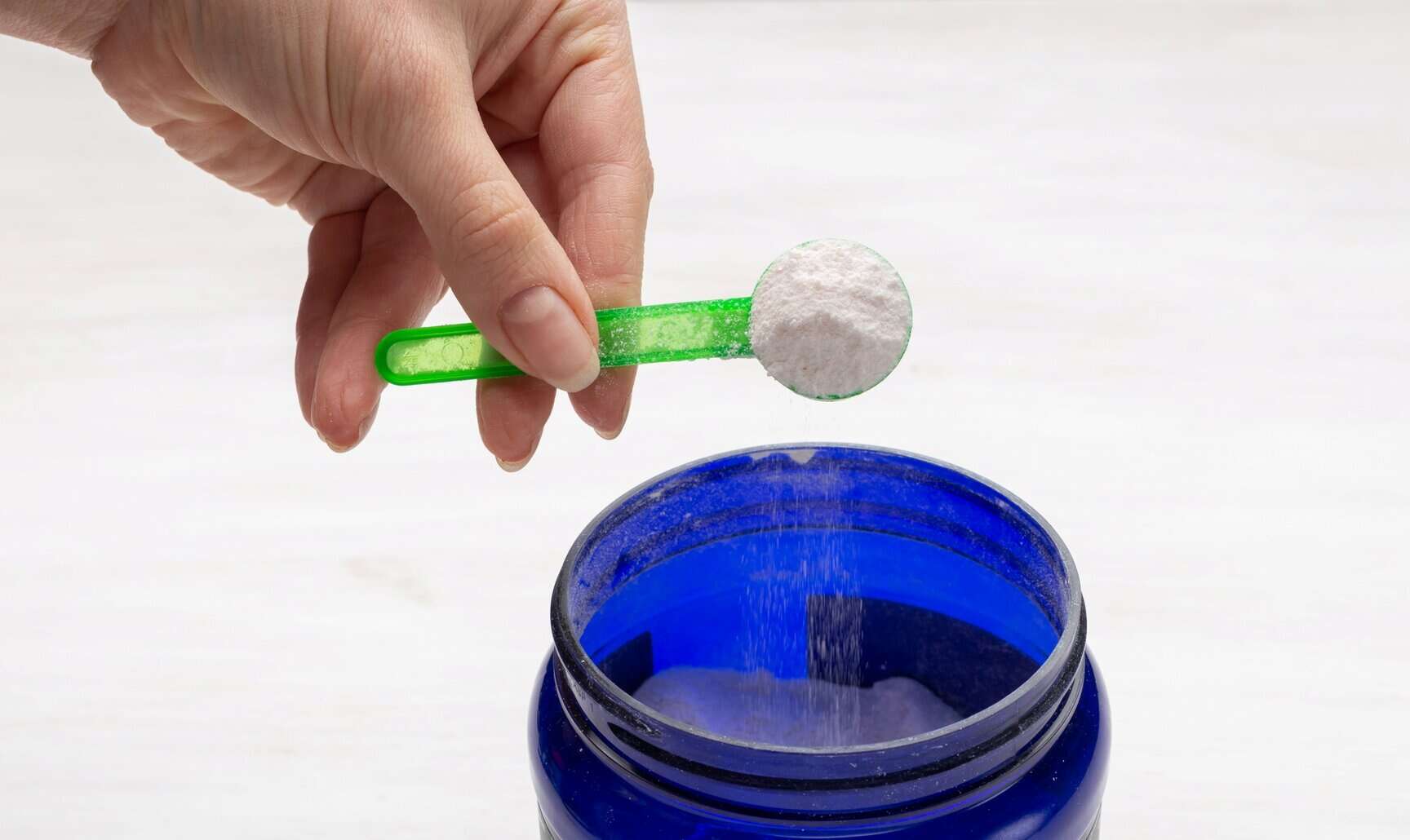
Electrolyte drinks are no longer reserved for workouts or post-run recovery. Instead, they show up in everyday moments when people simply want to stay hydrated and feel normal throughout the day. Morning water routines, long hours at a desk, or that realization in the afternoon that you have barely had anything to drink are all driving repeat use.
Heat exposure adds another layer. Outdoor workers, commuters, and people moving through hot climates often seek hydration support as sweating increases. Travel plays a similar role, since flights, festivals, long walking days, and salty meals disrupt routines. In those moments, portable powder sticks fit naturally.
Some consumers also associate electrolyte drinks with illness-related dehydration. That makes careful positioning important, so products feel supportive without drifting into medical territory.
What Electrolytes Do in Hydration Drinks
Electrolytes are minerals that carry an electrical charge. In hydration products, the practical role is supporting fluid balance and normal muscle and nerve function. Sodium and potassium are the most visible, but magnesium and calcium may show up depending on the positioning. Among all the electrolytes, sodium is the one that raises the most questions and creates the biggest gap between what people assume and what their bodies actually need.
Sodium: Build Tiers Instead of One-Size-Fits-All
Sodium is where claims and consumer perceptions often diverge. A common assumption is that more sodium automatically means better hydration. In reality, many adults already consume more sodium than the recommended amount.
WHO recommends under 2,000 mg per day. U.S. guidance is commonly framed as less than 2,300 mg per day, and the American Heart Association lists 1,500 mg as an ideal target for most adults. Average intake is often cited at around 3,400 mg.
That does not mean high-sodium products are bad. LMNT packs 1,000 mg per stick for heavy sweat or intense activity, while Celsius Hydration has just 210 mg per serving for everyday use. Brands do better when they build tiers, everyday, active, heavy-sweat, clarify “when to use,” and align sodium levels to the specific audience. It keeps messaging honest and practical.
Clear sodium tiers help brands match real-world hydration needs while keeping everyday use and consumer trust intact.
Formats Winning Now: Sticks, RTD, and What Drives Habit
Electrolyte formats are evolving just as quickly as demand, reshaping how and where people choose to hydrate.
- Powder sticks are booming because they travel well and are easy to try without commitment. For brands, they also fit neatly into subscription boxes, direct-to-consumer programs, or sampling campaigns. That repeatable, low-friction format is a big reason people buy them again.
- Ready-to-drink options are perfect for convenience-store shopping or when someone just wants hydration right now. Meanwhile, tablets and liquid drops sit in a smaller lane, but they come with fans, especially for travelers or those who want a precise, lightweight option.
The powdered stick category has grown so large that Liquid I.V. has become a top brand in the U.S. It shows that mixes are not just convenient; they can help people make hydration a daily habit.
Formulation Details That Decide Repeat Purchase
Formulation is where electrolyte products succeed or quietly fail. Taste is usually the first hurdle. Sodium chloride delivers a familiar salt note, but potassium salts can introduce bitterness, which is why many formulas need careful taste masking and balance.
Moisture management becomes the next challenge. Mineral salts can attract water, leading to clumping if packaging and moisture control are not handled well. These issues often show up in distribution, not in early bench samples.
Solubility also matters. Consumers expect fast dissolving and no grit, especially with powder sticks. When brands move toward zero-sugar or lower-sugar positioning, saltiness becomes more noticeable, making flavor engineering critical for repeat use.
Make Electrolytes About Function, Not Just Flavor
Electrolyte products are everywhere now, which means standing out is no longer about saying more. It is about making sense. Brands that feel believable usually do a few things well. Brands that feel credible keep labels short, avoid overpromising, and give people a reason to use the product more than once.
That is where NutriFusion comes into the conversation. Instead of adding another layer of intensity, our focus stays on plant-based nutrition from fruits and vegetables, and ingredients people already recognize. The benefit for brands is subtle but important. You can add a nutrition story without changing how the drink tastes or behaves.
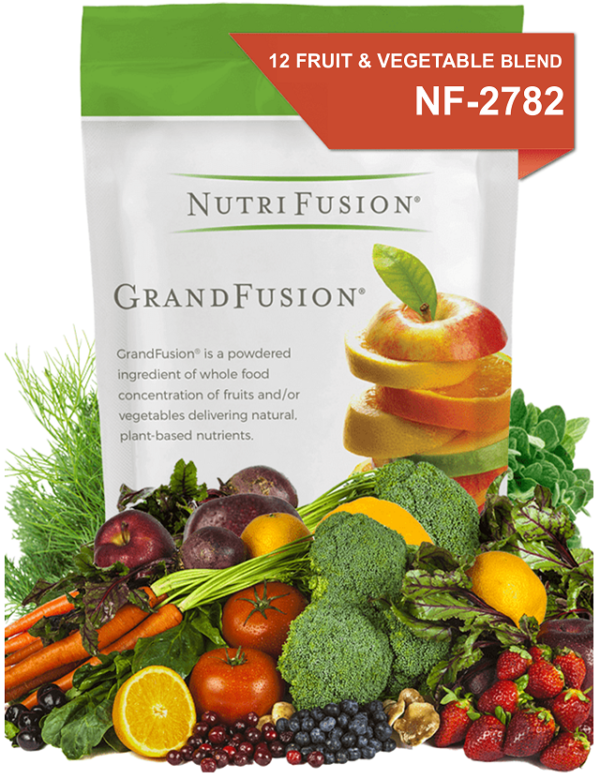
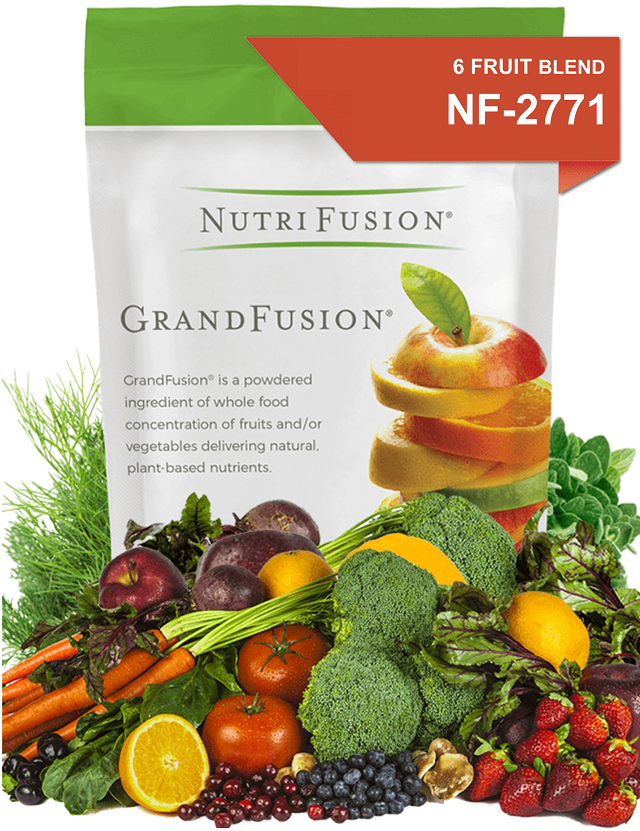
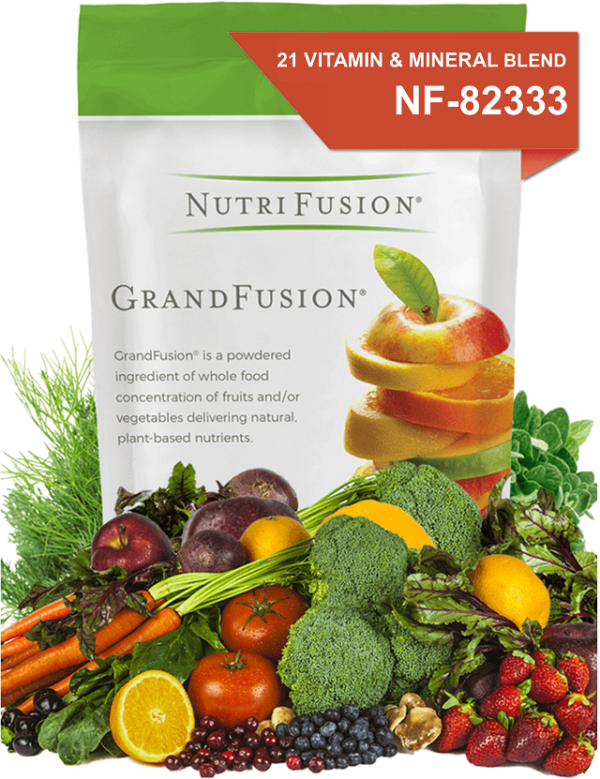
When teams are balancing format limits, flavor profiles, or nutrient goals, custom superfood powder blends can support the formulation without adding friction.
Build Your Next Electrolyte Drink With NutriFusion
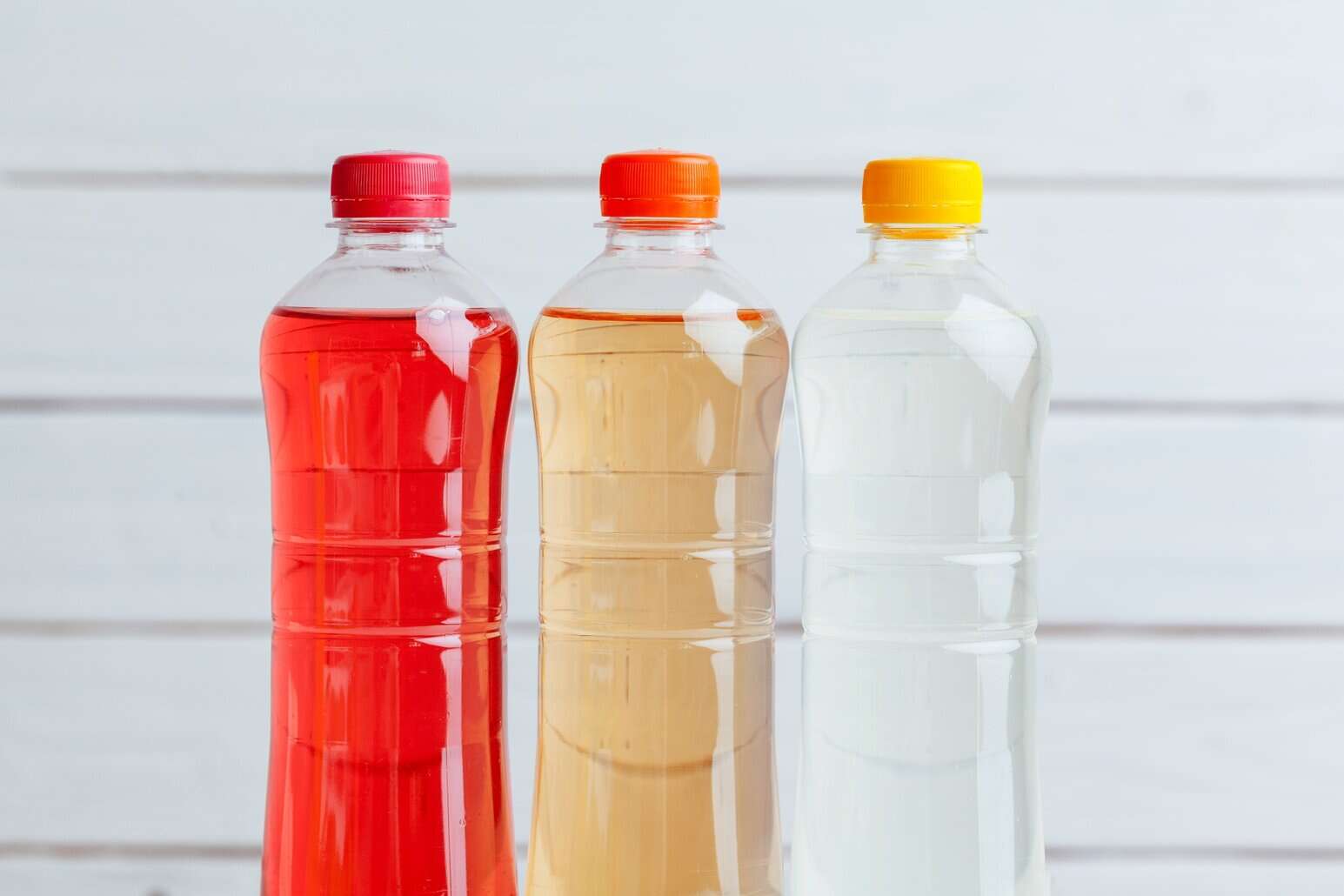
If you are working on an electrolyte drink or powder right now, the shift in this category is hard to ignore. Hydration is no longer just about performance. It is showing up as a daily habit, shaped by clean labels, familiar ingredients, and a taste people actually want to repeat.
Many innovation teams are pairing hydration benefits with nutrition stories consumers already understand. That combination helps products feel useful without feeling extreme. NutriFusion supports this approach through custom superfood powder blends designed to work smoothly in beverage applications. If you are exploring ways to strengthen your hydration concept while keeping formulation simple, this is a practical place to start.
Explore NutriFusion’s Custom Superfood Powder Blends to bring clean-label nutrition into electrolyte drinks without complicating taste or solubility.
NutriFusion
NutriFusion develops all‐natural fruit and vegetable powders that are nutrient-dense, for when you do not have access to fresh produce, and even when you do, to improve your vitamin intake. Sourcing only whole, non-GMO foods, NutriFusion offers consumers a concentrated micronutrient and phytonutrient-rich food ingredient blend. With a farm-to-table philosophy, NutriFusion’s proprietary process stabilizes the nutrients from perishable fruits and vegetables, allowing a longer shelf life and access to vital nutrients.
NutriFusion fruit and/or vegetable powders are for use in foods, beverages, supplements, and pet foods. NutriFusion can help! Visit us at www.nutrifusion.com.
References
- American Heart Association. 2025. “How Much Sodium Should I Eat Per Day?” American Heart Association. https://www.heart.org/en/healthy-living/healthy-eating/eat-smart/sodium/how-much-sodium-should-i-eat-per-day
- Arthur, Rachel. 2025. “Powdered Hydration Sticks Make Big Push into Mainstream Market.” BeverageDaily.com. https://www.beveragedaily.com/Article/2025/07/02/powdered-hydration-drinks-continue-to-grow/
- Global Market Insights. 2025. “Electrolyte Drink Market Size – Forecast, 2025-2034.” Global Market Insights. https://www.gminsights.com/industry-analysis/electrolyte-drinks-market
- Business Insights. 2026. “Electrolyte Drinks Market Size, Share and Industry Analysis.” Fortune Business Insights. https://www.fortunebusinessinsights.com/electrolyte-drinks-market-113794
- Unilever. 2024. “Liquid I.V. Powers Growth with Partnerships, Innovation and Global Expansion.” Unilever. https://www.unilever.com/news/news-search/2024/liquid-iv-powers-growth-with-partnerships-innovation-and-global-expansion/
- U.S. Food and Drug Administration. 2024. “Sodium in Your Diet.” FDA. https://www.fda.gov/food/nutrition-education-resources-materials/sodium-your-diet
- World Health Organization. 2025. “Sodium Reduction.” WHO. https://www.who.int/news-room/fact-sheets/detail/sodium-reduction
How to Cut Sugar Without Killing Taste: A Guide for Food Manufacturers
A reduced-sugar target can look perfect in a spreadsheet and still fail in the first tasting. The sweetness lands thin, the texture feels dry or brittle, and the product no longer feels like the one your customer chose before.
That disconnect is not just a flavor problem. Sugar supports structure, browning cues, mouthfeel, and water activity. When you remove it, you are rebuilding the product system, not swapping a single ingredient.
In this blog, we will walk you through a practical, repeatable approach to sugar reduction that protects taste and texture. You will learn how to set the right target, choose smart sugar alternatives, rebuild structure, manage off-notes, and validate for scale without surprises.
Why Sugar Reduction Breaks in Low-Sugar Foods
Sugar-free formulation rarely fails all at once. It usually breaks at predictable pressure points, depending on the category.
For instance:
- Bars tend to go dry, hard, or stale faster than expected.
- Baked goods lose browning, moisture retention, and familiar aroma cues.
- Sauces and dressings slip in viscosity and lose balance.
- Dairy-style systems struggle with body and freeze-thaw stability.
- Beverages quickly develop bitterness once sugar is pulled back.
The issue is straightforward: sugar performs five jobs at once. It delivers sweetness and balance. It provides bulk and solids. It drives browning cues and influences water activity and shelf-life behavior. It also shapes mouthfeel and viscosity. Cutting sugar deeply removes multiple supports simultaneously.
Start With Added Sugar Targets and Label Claims
Before reformulation begins, you need clarity on the target. This starts with the label, not the bench. Total sugars and added sugars are not the same, and added sugars usually drive claims, retailer expectations, and reformulation urgency.
Claims shape formulation strategy early. Sugar-free claims demand near-zero sugar and alternative bulking systems. Reduced sugar claims are relative, but they depend on a defined reference product and verified reductions. Effective teams benchmark within the category.
We have seen similar pressure points in beverages. For example, beverages aiming for single-digit grams of sugar often outperform products that aim for absolute zero while preserving taste. Sensory acceptance should guide the final target, not nutrition math alone.
A Sugar-Reduction System That Holds Up Under Scale

Successful sugar reduction usually comes from managing four interconnected levers together. Pulling only one tends to create a new problem elsewhere.
Let’s take a look at these four levers and what they carry:
- Remove Sugar Gradually: Step down sugar when timelines allow so the sensory shift is less abrupt.
- Replace Sweetness: Replace sweetness with Sugar alternatives and natural sweeteners, not a single ingredient. Timing and aftertaste matter as much as intensity.
- Rebuild Structure: Bulk, viscosity, and water activity need deliberate replacement.
- Enhance Perception: Improve sweetness perception with aroma and balance so the product still feels rewarding.
This framework keeps sugar reduction focused on the whole product system instead of jumping from one new ingredient to the next.
Choose Sugar Alternatives by Function, Not Trend
Sweetness replacement is tedious work. It is where teams often lose weeks. The right choice depends on what sucrose is doing in the formula.
Before you select any sweetener, define the job in this specific product:
- Do you need bulk and solids, or only sweetness?
- Will the product see high heat (baking, extrusion, UHT)?
- Is a clean-label ingredient statement required?
- Which off-notes are acceptable in this category and at what level?
High-intensity options such as stevia and monk fruit can deliver sweetness efficiently, but timing and aftertaste often need support, especially in beverages and dairy-style systems. Polyols provide sweetness and bulk for bars, confections, and baked goods, but cooling effects and tolerance considerations should be planned.
Rare sugars and specialty syrups can behave more like sucrose in certain applications, but availability, cost, and labeling vary. On the other hand, prebiotic fibers such as short-chain FOS can add mild sweetness and soluble solids, helping restore body while supporting fiber positioning.
Most low-sugar foods rely on two or more sweeteners paired with a bulking approach. When you plan the system up front, you spend less time chasing aftertaste and more time tuning the final curve.
Rebuild Texture for Sugar-Free Formulation
When sugar drops, you lose solids, chew, snap, viscosity, and moisture control. Frozen systems add another variable as freeze-thaw behavior shifts. Therefore, it is important to change your formulation to fit the changes.
You can start with simple signals. If the product turns thin, solids are usually missing. If it reads too hard or dry, water binding likely needs adjustment. Sticky systems often indicate an imbalance between humectants and the bulk of the system.
Soluble fibers and functional solids can restore the body. While starches and hydrocolloids can help, but they require restraint to avoid gummy textures. Also, the protein interactions matter, especially in bars and ready-to-drink systems.
Manage Off-Notes and Keep Sweetness Feeling Full
Most aftertaste issues come from familiar sources. Stevia can linger, monk fruit can feel sharp, and polyols can cool the palate. Acid balance can also shift when sugar is reduced, making sweetness feel hollow.
Most fixes are layered. Small amounts of sweetness enhancers or natural flavors can smooth timing. Aroma is often the quiet lever: vanilla, caramel, and fruit top notes can lift perceived sweetness without increasing sugar.
Salt and acid tuning can be more effective than swapping another sweetener. Micro-dosing salt or rebalancing acids often reduces bitterness and restores fullness, especially in sauces and fruit-forward systems.
Validation Checklist for Your Reduced-Sugar Products

Validation is where reduced-sugar formulations either hold together or quietly fall apart. Here is as tep-by-step process:
- Start with a clear control, then test two or three reduced-sugar versions to see how far you can push without losing acceptance. Triangle testing helps confirm whether differences matter to real tasters, not just spreadsheets.
- Then look beyond flavor. Track moisture movement, texture drift, color changes, and early shelf-life signals before scale-up. These issues rarely fix themselves later.
- Finish by locking nutrition panels and claim language early so the final formula and the label stay aligned.
When sweetness, texture, and label strategy work together, low-sugar foods can feel satisfying, familiar, and worth choosing.
Where Whole-Food Nutrition Fits in Better-for-You Renovation
In our experience, sugar reduction becomes easier when sweetness is not the only source of reward. Products that lean into recognizable ingredients and real-food nutrition can hold satisfaction as added sugar drops, especially in better-for-you and kid-focused categories.
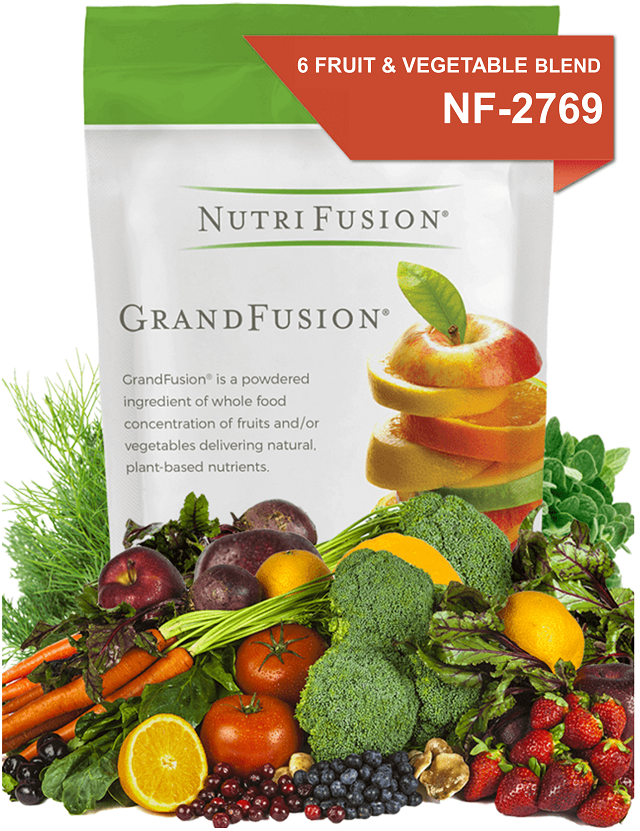
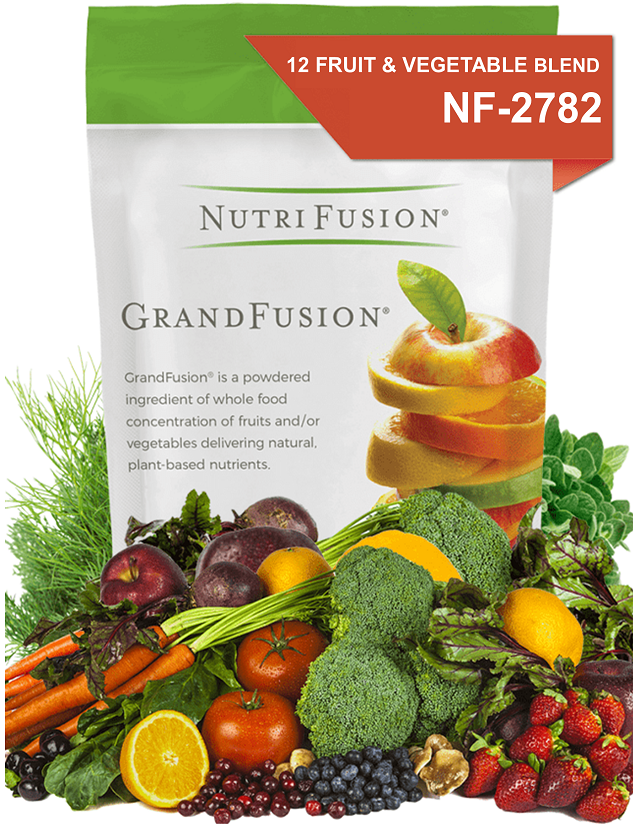
At NutriFusion, we support manufacturers by adding plant-based nutrition through whole fruit and vegetable powders with minimal sensory impact. GrandFusion is a powder blend of fruits and/or vegetables that can significantly increase the nutritional profile and marketability of food, beverage, and snack products. It uses a proprietary process, does not affect taste or functionality, and is 100% natural.
Whole-food sourcing helps brands stay synthetic-free while leveraging nutrient forms with strong bioavailability and bioabsorption. For teams with specific nutrient or application goals, we can work with R&D teams to develop a custom blend tailored to the format.
Build Sugar-Reduced Products That Still Win on Taste
Sugar reduction works best when you treat it as a system. Sweetness, texture, perception, and label strategy all matter. If you are reformulating sugar reduction, the fastest path forward is integration, not isolation. Optimize sweetness systems while strengthening structure and clean-label credibility.
If you want to explore how whole-food nutrition can support better-for-you renovation alongside sugar reduction, we invite you to explore our custom superfood powder blends. We can discuss how whole-fruit and vegetable powders may fit into products that aim to reduce sugar while maintaining a satisfying eating experience.
Explore NutriFusion’s Custom Superfood Powder Blends to support sugar reduction while maintaining taste and texture.
NutriFusion
NutriFusion develops all‐natural fruit and vegetable powders that are nutrient-dense, for when you do not have access to fresh produce, and even when you do, to improve your vitamin intake. Sourcing only whole, non-GMO foods, NutriFusion offers consumers a concentrated micronutrient and phytonutrient-rich food ingredient blend. With a farm-to-table philosophy, NutriFusion’s proprietary process stabilizes the nutrients from perishable fruits and vegetables, allowing a longer shelf life and access to vital nutrients.
NutriFusion fruit and/or vegetable powders are for use in foods, beverages, supplements, and pet foods. NutriFusion can help! Visit us at www.nutrifusion.com.
References
- Berry, Donna. 2021. “Condiment Innovation – Adding Less Sugar.” Food Business News. (https://www.foodbusinessnews.net/articles/17741-condiment-innovation-adding-less-sugar).
- Galam Ltd. 2021. “GOFOS™ – Fructo-oligosaccharides.” Galam. (https://www.galamgroup.com/fructo-oligosaccharide/).
- Hazen, Cindy. 2003. “Secrets of Masking Flavors.” SupplySide Supplement Journal. (https://www.supplysidesj.com/colors-flavors/secrets-of-masking-flavors).
- Tate & Lyle. n.d. “Sugar Reduction.” Tate & Lyle. (https://www.tateandlyle.com/trends/sugar-reduction).
Heart-Healthy Labels: What Works, What Doesn’t, and Why It Matters
You stand in a grocery aisle. Boxes flash red hearts, green ticks, and bold promises. At first glance, everything on the shelf looks heart-healthy, but you know it is not that simple. Truly heart-healthy foods matter, and smart fortification can help. Still, not every label deserves your trust.
We see this tension every day while working with manufacturers. So let us break it down. In this blog, we will examine what heart-healthy labels truly mean. What holds up under scrutiny and what quietly falls apart. We will then demonstrate how whole-food nutrition fits into the picture.
Why Shoppers Seek Heart-Healthy Foods
Heart health stays top of mind for shoppers and for good reason. Cardiovascular disease remains a global concern. People hear about blood pressure, cholesterol, and sodium, so they look for shortcuts.
Most consumers do not read every panel. They scan. They rely on front-of-pack cues to quickly decode cardiovascular nutrition.
Dietary guidance reinforces this behavior. These patterns consistently appear in heart-healthy diets. For brands, this creates pressure. Get the signal wrong, and trust slips. Get it right, and you earn shelf space and loyalty.
What Heart-Healthy Means on Food Labels
Here is where things get technical. But we will keep it plain. Three key layers are at work here:
- Nutrient Content Claims: Think “low saturated fat” or “good source of fiber.” Each has strict cutoffs. No wiggle room.
- Health Claims: These link a nutrient to a reduced risk of disease. They require authorization and precise wording.
- Symbols and Programs: The American Heart Association Heart-Check is one example. Retailers also run their own badge systems.
In the United States, heart-disease claims come with guardrails. Foods must deliver meaningful nutrition. They also must avoid excess saturated fat, sodium, cholesterol, and total fat. So heart-healthy is not a design flair. It is a regulated promise, and it deserves careful handling.
Heart Health Nutrition Claims and Boundaries
You can only make specific claims. For example:
- Diets low in saturated fat and cholesterol may reduce the risk of coronary heart disease.
- Soluble fiber from oats, barley, or psyllium may reduce the risk of heart disease when consumed in adequate amounts.
Qualified claims are allowed in some cases. Nuts, omega-3 fatty acids, and unsaturated fats can be mentioned cautiously. Words like “may help” or “is associated with” are essential. Avoid statements that guarantee risk reduction. Heart disease depends on many factors; diet is just one part.
If your brand sells globally, know that the European Union and other markets have their own authorized claims. Every label and formulation must comply with local regulations.
Heart Health Ingredients That Support Better Patterns
When we discuss heart health ingredients, we refer to patterns, not individual ingredients. Diets like DASH (Dietary Approaches to Stop Hypertension) and Mediterranean diet emphasize vegetables, fruits, whole grains, legumes, nuts, and healthy oils. Here’s what to lean on:
- Soluble Fiber: Oats, barley, psyllium. Think of it as a sponge for cholesterol. Supports LDL reduction when paired with a healthy diet.
- Omega-3 Fatty Acids: EPA/DHA from fish; ALA from walnuts, flax, chia. They help manage triglycerides and support claims where allowed.
- Unsaturated Fats: Olive, canola, nut oils. Replace them with saturated fats.
- Fruits and Vegetables: Deliver potassium, vitamins C and E, folate, and antioxidants. Core staples in any heart-healthy plan.
Next time you formulate a product, think in blocks. Focus on combinations that make a complete, heart-friendly pattern. Don’t rely on one “miracle nutrient.”
Food Fortification for Heart-Healthy Foods

Fortification can be a powerful tool, but only if used wisely. You can boost your nutrition by adding vitamins, minerals, fiber, plant sterols, or omega-3 fatty acids. Done right, fortification strengthens heart-healthy claims without changing taste. It works best when:
- Adding soluble fiber or whole-grain concentrates to cereals, breads, or snacks.
- Incorporating omega-3s or unsaturated oils in spreads, drinks, or ready meals.
- Using vitamin blends (B-complex, antioxidants) to support cardiovascular nutrition and regulatory baselines.
Where it fails: Fortifying highly processed foods just enough to qualify for a claim while still high in sodium, sugar, or saturated fat. That creates a misleading “health halo.” The smarter move is to use fortification to reinforce truly heart-friendly eating patterns. That means more plants, better fats, and nutrients that actually matter, not quick-fix, patchwork solutions.
Front-of-Pack Symbols vs the Cardiovascular Nutrition
Front-of-pack (FOP) icons can grab attention. But they don’t tell the whole story.
- AHA Heart-Check: Sets limits on saturated fat, trans fat, cholesterol, and sodium. Requires minimum levels of beneficial nutrients like vitamins A and C, iron, calcium, protein, or fiber.
- FDA “Healthy” Label: Now favors nutrient-dense foods. Fruits, vegetables, whole grains, nuts, seeds, and healthy oils are all considered healthy options. Highly sweetened cereals usually do not.
- Retailer Badges and Nutri-Score: Visual shortcuts are useful, but credibility depends on the complete nutrition profile.
FOP icons open doors, but the complete nutrition must back them up. Consumers are becoming more discerning; they can spot when claims do not match reality.
NutriFusion’s Point of View: Heart-Healthy Means Real Food, Not Just Claims
At NutriFusion, we see heart-healthy foods differently. You do not need marketing tricks to make a product credible. You need real, plant-based nutrients that support heart-smart patterns. That is where GrandFusion blends come in.
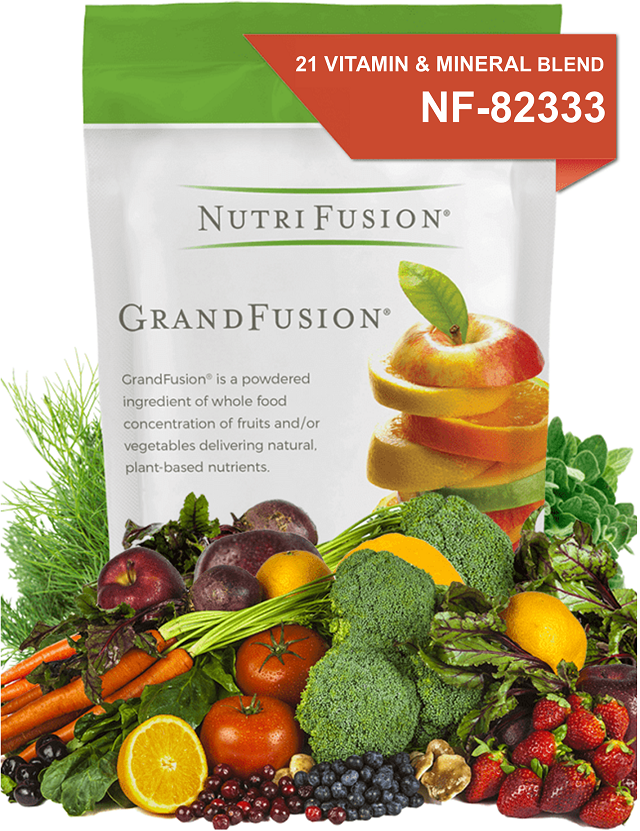
These fruit and vegetable powders are clean-label, non-GMO, and free from synthetics, additives, and preservatives. Each 450 mg serving can deliver 100% of the daily value for key vitamins. You can add them to snacks, beverages, cereals, or meals without affecting taste or texture.
GrandFusion can be used to add fruit- and vegetable-sourced nutrients to products formulated around plant-forward eating patterns. You can boost vitamins and antioxidants while keeping your ingredient deck simple. Heat-stable and easy to formulate, it works in baked goods, smoothies, and frozen foods.
We collaborate with R&D teams to ensure formulation, label claims, and clean-label goals are aligned. With GrandFusion®, brands can enhance the nutrient density of their products with plant-based ingredients while supporting clean-label goals.
Formulate Heart-Healthy Foods with Real Nutrients

Everyday Staples (Cereals, Breads, Snacks)
Use whole grains, such as oats or barley, and soluble fiber. Add GrandFusion for vitamin supplements for fruit and vegetables. Keep sodium and saturated fat low. Boost fiber and plant-based micronutrients.
Tip: Mix high-fiber flakes with seeds, dried fruit, and GrandFusion®. The taste stays natural while your label stays clean.
Beverages and Ready-to-Drink
Use plant oils where allowed. Keep sugar moderate. Blend in GrandFusion® powders. Use structure-function or nutrient content claims instead of risky disease claims.
Example: Smoothie with oats, almond oil, and GrandFusion®. Delivers fiber, vitamins, and antioxidants without taste issues.
Meals, Bowls, Frozen Options
Emphasize vegetables, whole grains, legumes, and healthy oils. Layer in GrandFusion® for vitamins and minerals. Stay under sodium and saturated fat thresholds.
Tip: Add GrandFusion into soups, stews, or frozen bowls to boost vitamins without complicating your formula. The nutrients remain stable through processing and storage. Your ingredient list stays short, and the flavor stays true to the food itself.
When you build for heart-health, the label should match what is inside. Fortification should support the pattern, not conceal it.
Build Trust in Heart-Healthy Food Labels
Heart-healthy labels only work when they match what is actually in the food: less saturated fat and sodium, more whole plant foods, and honest, clearly explained fortification. Brands that combine credible heart-health positioning with real-food nutrients earn consumer trust.
Regulations are tightening. Labels must match reality. NutriFusion® GrandFusion® blends help you boost nutrient density with plant-based vitamins and antioxidants. No synthetics. They support clean-label goals with simple ingredients.
Explore the NutriFusion® GrandFusion® Product Line and make heart-healthy labels credible.
NutriFusion
NutriFusion develops all‐natural fruit and vegetable powders that are nutrient-dense, for when you do not have access to fresh produce, and even when you do, to improve your vitamin intake. Sourcing only whole, non-GMO foods, NutriFusion offers consumers a concentrated micronutrient and phytonutrient-rich food ingredient blend. With a farm-to-table philosophy, NutriFusion’s proprietary process stabilizes the nutrients from perishable fruits and vegetables, allowing a longer shelf life and access to vital nutrients.
NutriFusion fruit and/or vegetable powders are for use in foods, beverages, supplements, and pet foods. NutriFusion can help! Visit us at www.nutrifusion.com.
References
- American Heart Association. 2024. “Check for the Heart-Check Mark Infographic.” American Heart Association. https://www.heart.org/en/healthy-living/healthy-eating/heart-check-foods/check-for-the-heart-check-mark-infographic
- Legal Information Institute, Cornell Law School. n.d. “21 CFR § 101.75 – Health Claims: Dietary Saturated Fat and Cholesterol and Risk of Coronary Heart Disease.” Legal Information Institute, Cornell Law School. https://www.law.cornell.edu/cfr/text/21/101.75
- U.S. Food and Drug Administration. 2024. “Authorized Health Claims That Meet the Significant Scientific Agreement (SSA) Standard.” U.S. Food and Drug Administration. https://www.fda.gov/food/nutrition-food-labeling-and-critical-foods/authorized-health-claims-meet-significant-scientific-agreement-ssa-standard
- U.S. Food and Drug Administration. 2024. “Health Claim Notification for the Substitution of Saturated Fat in the Diet with Unsaturated Fatty Acids and Reduced Risk of Heart Disease.” U.S. Food and Drug Administration. https://www.fda.gov/food/nutrition-food-labeling-and-critical-foods/health-claim-notification-substitution-saturated-fat-diet-unsaturated-fatty-acids-and-reduced-risk
- U.S. Food and Drug Administration. 2024. “Qualified Health Claims: Letters of Enforcement Discretion.” U.S. Food and Drug Administration. https://www.fda.gov/food/nutrition-food-labeling-and-critical-foods/qualified-health-claims-letters-enforcement-discretion
- U.S. Food and Drug Administration. 2025. “Use of the ‘Healthy’ Claim on Food Labeling.” U.S. Food and Drug Administration. https://www.fda.gov/food/nutrition-food-labeling-and-critical-foods/use-healthy-claim-food-labeling
Vitamin D3 Explained: Real Food vs. Synthetic Vitamins (And Why Your Label Matters)
Vitamin D3 is often called the “sunshine vitamin,” but many people still fall short, even with fortified foods or supplements. You might think a glass of milk or a daily capsule is enough, yet gaps remain. This matters because vitamin D3 supports your bones, muscles, and immune system. It also shows up on labels that confuse many consumers and product developers alike.
In this blog, we will unpack what vitamin D3 is, where it comes from in real food, how synthetic versions differ, and why clean-label, food-based solutions are becoming a must for modern brands. You will also learn how to read labels like a pro and make formulation choices that your customers can trust.
What Is Vitamin D3 and Why It Matters
Vitamin D3, or cholecalciferol, is more than a vitamin. It acts like a prohormone. Your body makes it when your skin is exposed to UVB sunlight. Once metabolized, it helps your body absorb calcium and phosphorus, keeping bones strong and muscles functioning properly. It also plays a role in normal immune function.
Vitamin D deficiency is common in many populations. The recommended daily intake is 600–800 International Units (IU) for most adults, and older adults often need more. Understanding what vitamin D3 is matters for you as a consumer or a product developer. Labels that say “natural vitamin D3” or “vitamin D from food” are not just marketing; they signal quality and transparency.
Vitamin D3 From Food and Common Dietary Gaps
Getting enough vitamin D from food alone is tricky. Most foods barely have a small amount, so it is easy to fall short.
- Fatty fish like salmon, mackerel, or sardines pack more vitamin D, and cod liver oil is another classic source.
- Egg yolks, certain meats, and dairy help too, but they rarely fill the gap completely.
- For plant-based diets, the options are slowly growing. UV-exposed mushrooms, some biofortified foods, and vegan D3 from lichen can help bridge the gap.
- Fortified foods like milk, plant-based milks, juices, and cereals play a role as well, yet even then, most people do not reach their target.
That is why smart fortification or careful supplement design matters. It is not just numbers. It is about making nutrition work in the real world.
Natural Vitamin D3 vs Synthetic: What Those Labels Really Mean
Natural vitamin D3 usually comes from food sources, such as lichen or mushrooms, with minimal processing. Synthetic vitamin D3 is chemically produced from precursor compounds.
Research shows D3 generally raises blood levels more effectively than D2. When comparing natural versus synthetic D3, the difference in clinical outcomes is subtle. Many consumers, however, care about the source. “Nutrients created by nature, not the lab” resonate more than chemical names on a label.
Seeing “from lichen” on a vegan supplement can signal a more natural option. Labels matter not only for compliance but for building trust with our customers. A simple source statement can speak volumes.
Why Food-Based Vitamin D Matters for Clean Labels
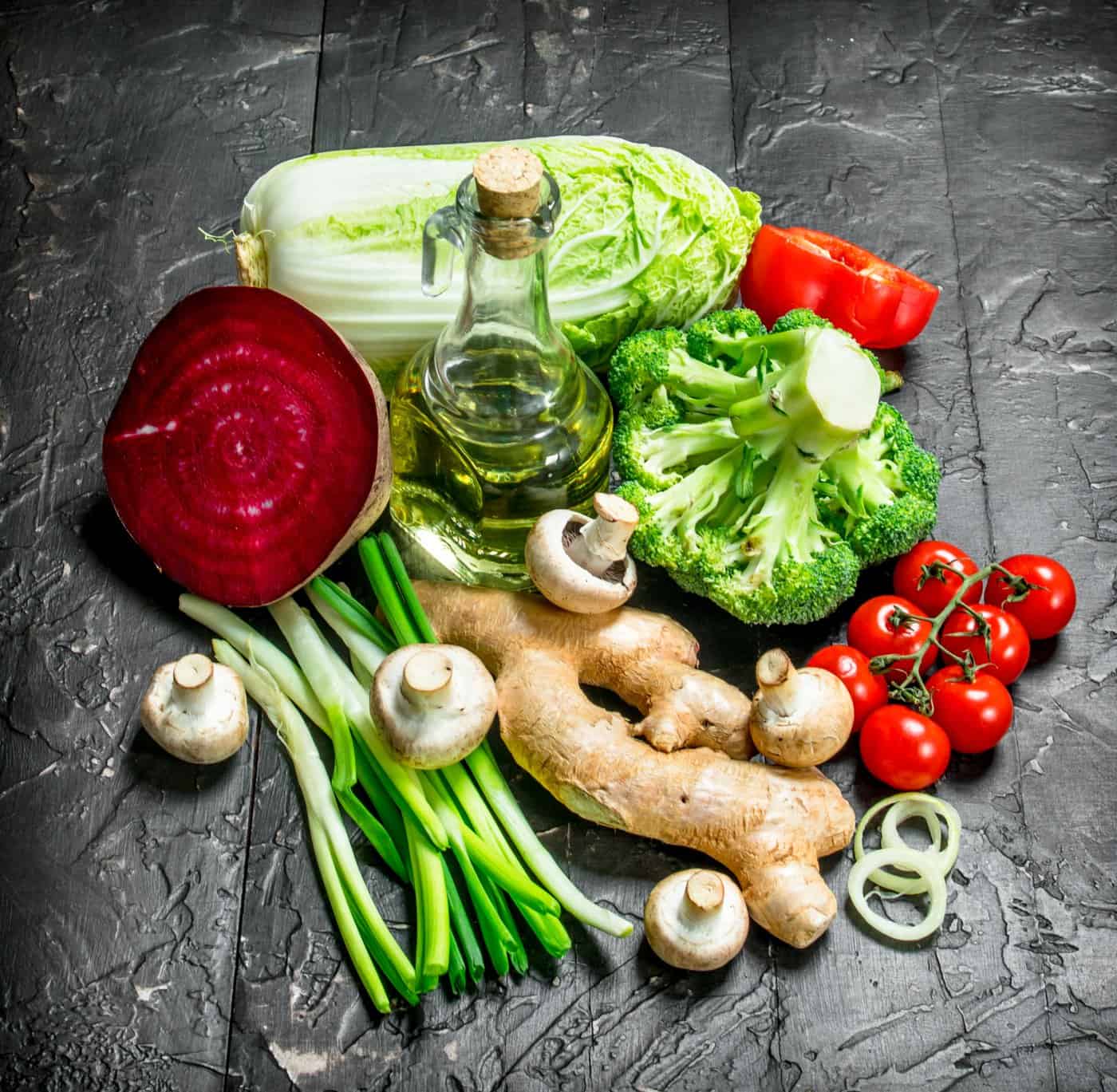
Today, shoppers want ingredients they recognize. Short lists, plant-based nutrients, and non-GMO sources are no longer optional. Food-based vitamin D checks all those boxes.
When derived from fruits, vegetables, or fungi, it delivers nutrients without synthetic isolates. NutriFusion’s GrandFusion blends help stabilize naturally occurring vitamins and minerals, including vitamin D from plant-based sources. No synthetics. No additives. That means you can enhance nutrition while keeping your label credible and straightforward.
Safety and quality expectations matter in formulation. NutriFusion supports manufacturers with GrandFusion blends designed for clean-label fortification across food, beverage, nutraceutical, and pet applications. Manufacturers gain confidence when a clean-label replacement avoids recipe overhauls while maintaining nutritional value. Small changes can make a meaningful impact.
How to Read Vitamin D Claims on Ingredient Labels
Reading vitamin D labels can feel like decoding a secret. IU, micrograms, D2, and D3. If you are staring at a bottle wondering what it all means, let’s simplify it.
Understand Units, Forms, and Daily Values
IU stands for International Units. One IU equals 0.025 micrograms. Percent Daily Value shows how much a serving contributes to your Daily Value. D3 is often associated with more substantial increases in vitamin D status, though some plant-based products use D2 or vegan D3. Think of it like pouring milk into a cup. You want the right amount, not too little or too much.
Spot Real Food vs Synthetic Vitamin D
Source matters. “From lanolin” typically signals an animal-derived source. “From lichen” or “from shiitake mushrooms” can signal plant-based sourcing. Phrases like “no synthetics” or “nutrients created by nature, not the lab” can support transparency. A glance at the back-of-pack often tells you more than the front label alone.
Next time you shop, it helps to look beyond the numbers. Focus on sources you recognize and labels you can trust. That can make the decision more straightforward.
Formulating With Plant-Based Vitamin D: A Roadmap for Food, Beverage, and Supplement Brands
Vitamin D presents challenges. Off-tastes, stability issues, overages, and performance through heat, freezing, or processing can complicate product development.
GrandFusion blends simplify this. We can incorporate GrandFusion plant-based nutrient blends into foods, beverages, and nutraceutical formats with minimal sensory impact, supporting clean-label fortification with fewer texture or taste concerns. They are heat-stable and can help maintain mouthfeel, making formulations easier to manage.
Plant-based vitamin D is available in many formats: nutraceutical capsules, drink mixes, yogurts, frozen meals, kids’ snacks, and pet formulas. Using food-based D3 can help keep labels recognizable and straightforward. Clean-label nutrition is not a fad. It is a competitive advantage.
Build Trust With Real Food Vitamin D3
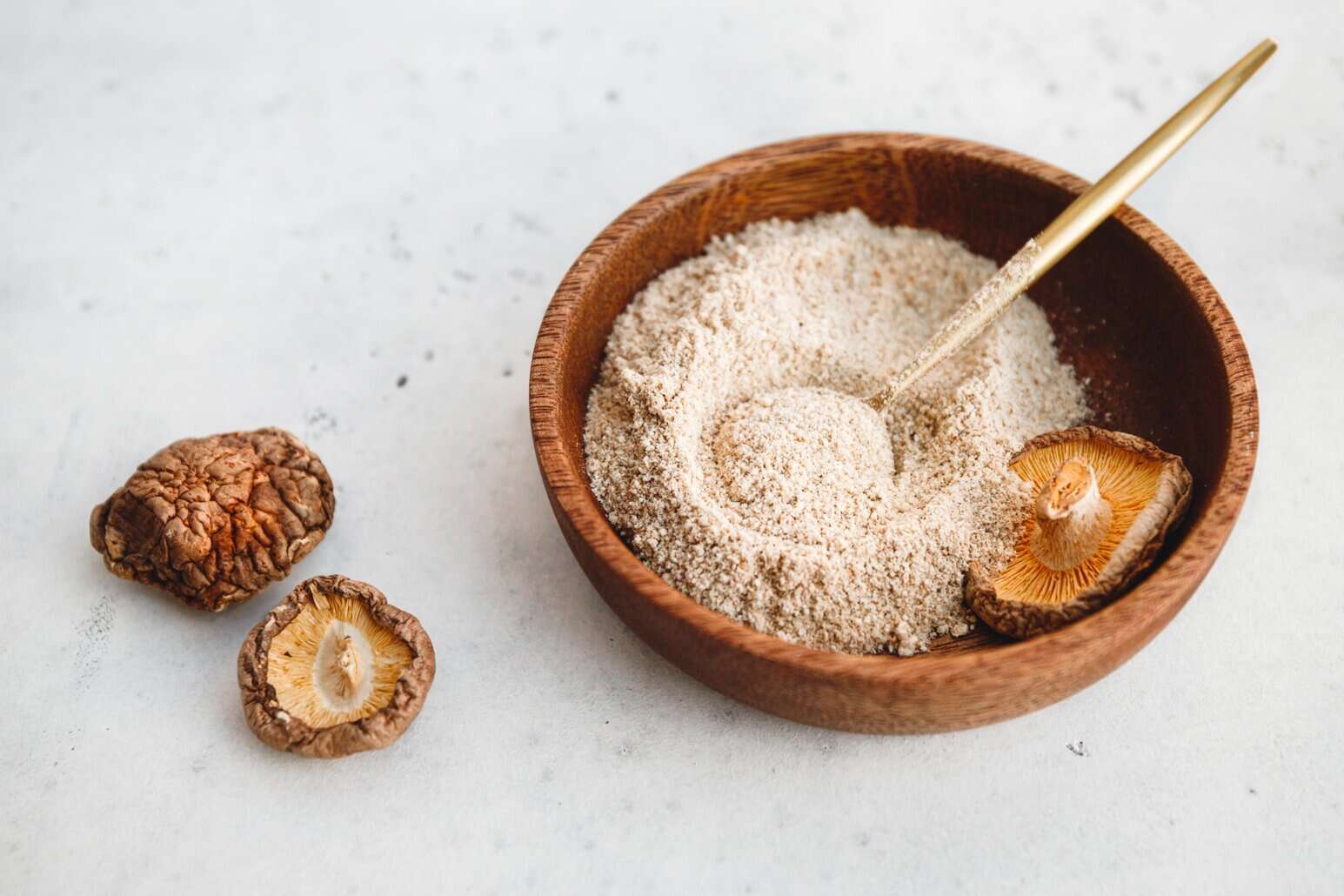
People care about the source, not just how much is in it. If your labels say your vitamin D comes from actual foods like fruits, veggies, or mushrooms, people will trust you more. If you mix that with easy-to-read labels and clear dosing info, your brand will gain fans and keep them.
We can add NutriFusion® GrandFusion® blends, which are non-GMO, plant-based, and made without synthetics. The result is products that meet modern expectations for nutrition and integrity.
We have seen how this approach can strengthen customer loyalty. When people know where their nutrients come from, they feel confident choosing your products. GrandFusion® blends make it easier to deliver plant-based, non-GMO vitamin D without synthetics in foods, beverages, supplements, and pet products. Working with solutions built for clean labels helps manufacturers align with clean-label trends while offering nutrients people recognize and trust.
Explore NutriFusion®’s GrandFusion® 6 Nutrient Vegetable Blend 50 (NF-2770) to deliver plant-based vitamin D with labels customers can trust.
NutriFusion
NutriFusion develops all‐natural fruit and vegetable powders that are nutrient-dense, for when you do not have access to fresh produce, and even when you do, to improve your vitamin intake. Sourcing only whole, non-GMO foods, NutriFusion offers consumers a concentrated micronutrient and phytonutrient-rich food ingredient blend. With a farm-to-table philosophy, NutriFusion’s proprietary process stabilizes the nutrients from perishable fruits and vegetables, allowing a longer shelf life and access to vital nutrients.
NutriFusion fruit and/or vegetable powders are for use in foods, beverages, supplements, and pet foods. NutriFusion can help! Visit us at www.nutrifusion.com.
References
- National Institutes of Health. 2025. Vitamin D — Health Professional Fact Sheet. Office of Dietary Supplements. https://ods.od.nih.gov/factsheets/VitaminD-HealthProfessional/
- PubMed. 2012. “Vitamin D3 Is More Effective Than Vitamin D2 in Raising Serum 25-Hydroxyvitamin D Levels.” PubMed. https://pubmed.ncbi.nlm.nih.gov/22552031/
- U.S. Food and Drug Administration. 2025. GRAS Notice GRN 690: Fruit and Vegetable Vitamin Extract. https://www.fda.gov/files/food/published/GRAS-Notice-GRN-690-Fruit-and-vegetable-vitamin-extract.pdf

NUTRIFUSION® CERTIFICATES