
Nutrition for Pets: The Rise of Fruit & Vegetable Blends in Pet Food
Pet food now closely mirrors the products in the grocery aisle, from “superfood” kibbles and antioxidant-focused recipes to gut health formulas and raw-style meals with fruits, vegetables, and other plant-based ingredients.
Pet owners judge these options the way they judge their own food, studying ingredients, label clarity, and whether a formula delivers clean-label nutrition that supports a balanced diet for their animals. At the same time, formulators are moving beyond exclusively animal-based proteins and incorporating more plant-based proteins into species-appropriate diets.
In this blog, we’ll review modern pet food building blocks, the role of fruit and vegetable blends, and how GrandFusion Pet Premix Blend supports clean-label nutrition.
What Modern Pet Nutrition Really Requires
Nutritional standards for pet food define the needs of both dogs and cats as populations. They also set appropriate levels of key nutrients such as proteins, fats, vitamins, minerals, and energy that help animals meet their daily needs for growth, reproduction, and long-term health.
When considering the needs of your pet nutritionally, it is important to realize that there are meaningful differences between dogs and cats. While cats can only obtain taurine, arachidonic acid, and preformed vitamin A from animal sources, they do not absorb these nutrients effectively from plant foods. They must receive these nutrients through animal-based ingredients in their diet. Dogs, by contrast, can obtain taurine, arachidonic acid, and preformed vitamin A from both animal- and plant-based foods, and both species can use natural ingredients to meet their macro- and micronutrient needs.
Therefore, plant-based nutrients should not replace the core nutrients that both dogs and cats need. Base diets today may include a variety of formats such as kibble, canned food, freeze-dried, fresh, and raw products. Manufacturers that are beginning to incorporate plant-based nutrients into base diets as a way to improve nutritional value often face questions about how to do so while complying with pet food regulations and meeting consumer expectations.
Why Pet Owners Want Fruits and Vegetables in the Bowl
Pet owners are bringing their own eating habits into the bowl. As they choose fresh produce, plant-forward meals, and functional foods for themselves, they look for similar nutrition for pets, often scanning labels for visible fruits and vegetables that signal stronger pet nutrition.
Industry commentary frequently notes that these ingredients contribute vitamins, minerals, carbohydrates, fiber, and phytonutrients that may help support pets whose diets rely heavily on processed kibble or treats. For some owners, fruits and vegetables also serve as alternatives to ingredients such as corn, wheat, or soy, improving overall tag appeal.
From a marketing perspective, these whole-food components read as short, recognizable, health-linked ingredients. By working with fruit and vegetable blends, manufacturers can deliver these cues and plant-based nutrients consistently across an entire portfolio.
The Role of Fruit and Vegetable Blends in Pet Nutrition
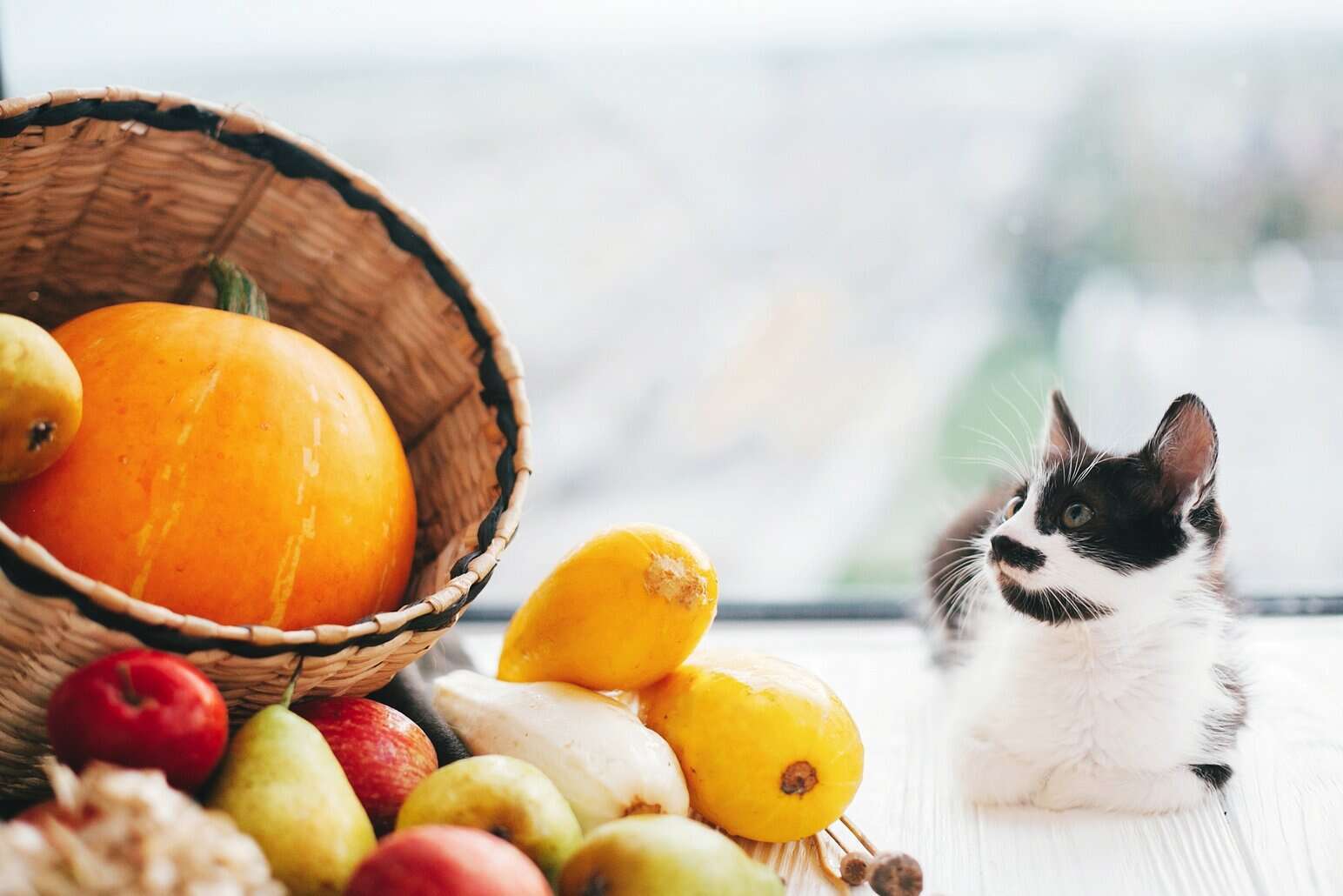
Fruit and vegetable blends are moving from garnish to structured nutrient systems in modern pet food. When formulated correctly, they give brands a reliable way to deliver plant-based nutrients that complement the core protein and fat in today’s pet diets.
Vitamins, Minerals, and Phytonutrients From Plants
Scientific literature has documented that, when properly designed, diets including plant-based foods and ingredients can provide sufficient micronutrients to help maintain health. When plant-based ingredients are combined with animal-derived foods and other plant-based substances such as medicinal herbs, individuals may receive a broader range of vitamins and minerals than from animal ingredients alone.
Fruits and vegetables are sources of micronutrients, meaning they provide vitamins and minerals to the body, including Vitamin A, C, E, B complex, and minerals such as iron, copper, and zinc. These vitamins and minerals are provided naturally by fruit and vegetable sources as part of whole food matrices. Thus, whole fruit and vegetable products provide additional bioactive compounds, plant-based chemicals, and phytonutrients that are not typically present in synthetic vitamin products alone.
With respect to formulators, fruit and vegetable products are a predictable, concentrated source of plant-based micronutrients with strong standardization potential. Therefore, fruit and vegetable products should be viewed as complementary to amino acids, essential fatty acids, and other dietary components in animal-derived ingredients and products.
Fiber, Digestive Health, and Antioxidant Support
In proper quantities for the species, fruits and vegetables can provide dietary fiber (a form of non-digestible carbohydrate), complex carbohydrates, and other nutrients that can help promote good-quality stools, gut motility, and microbial diversity.
In addition to dietary fiber and complex carbohydrates, fruits and vegetables also contain naturally occurring antioxidants that help support the immune system and cellular health (for example, carotenoids and polyphenols). When included in complete and balanced formulations such as pet food, fruit and vegetable mixtures may help support a pet’s daily vitality, gut function, and overall wellness by complementing traditional sources of nutrients.
Clean-Label Pet Nutrition: Plant-Based Ingredients as Differentiators
Today, pet food companies have a strong opportunity to meet the clean-label requirements of pet parents. Pet parents want to see short ingredient lists on their pets’ food products. They also want to know that those ingredients provide nutrients they recognize from real food and that the label does not contain artificial additives.
Fruits and vegetables support the clean-label requirements of pet parents because:
- They are familiar ingredients that are easy for consumers to identify. They can be formulated to be nutrient-rich without relying on vitamin premixes that contain synthetic additives.
- They remove the need for any color or flavor additives, as well as unnecessary or hard-to-identify ingredient names.
Our work at NutriFusion is directly aligned with meeting these clean-label requirements. Our GrandFusion Pet Premix Blend provides a plant-based, clean-label nutrient option for premium pet food consumers, with only whole-food ingredients included in the formulation. In addition to offering a nutritional advantage, it also provides a strategic way to differentiate your product from the competition in a crowded marketplace.
Inside NutriFusion GrandFusion Pet Fruit and Vegetable Blend
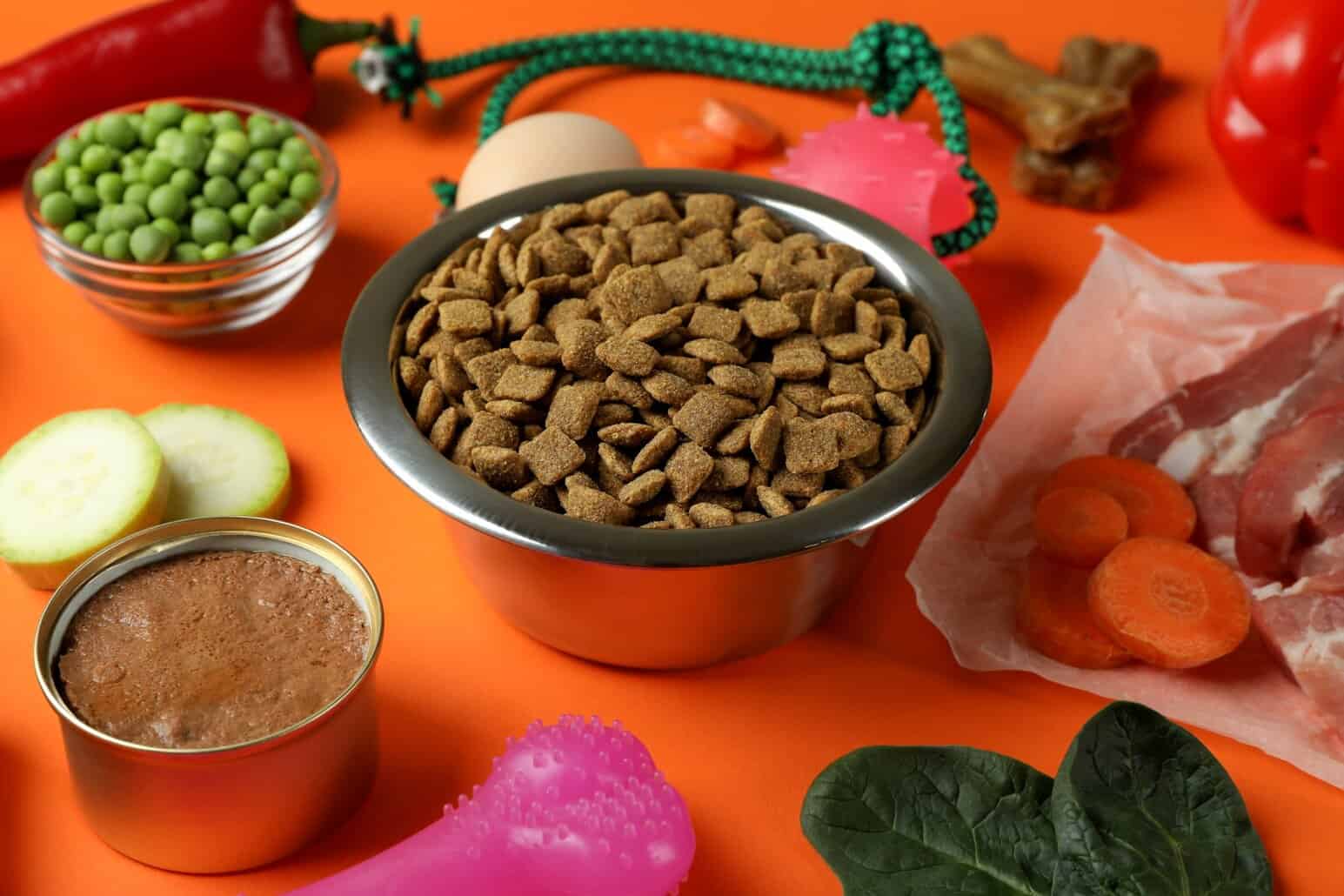
Our flagship GrandFusion Pet Premix Blend NF-2372 (Blend 24) is specifically designed for use in pet foods, treats, bars, and supplements. The blend contains a variety of ingredients derived from fruits and vegetables, including:
- Carrots
- Apple
- Tomato
- Shiitake mushroom
- Broccoli
- Orange
- Cranberry
- Pumpkin
- Spinach
- Beet
- Tart cherry
- Strawberry
- Blueberry
- Green algae (Chlorophyta)
It is also developed to provide the following:
- Plant-based nutrients within a natural matrix
- Clean-label simplicity with whole food ingredients
- No synthetics or additives
- Functional nutritional support from natural vitamins and minerals
- Heat robust across extrusion, baking, and other processing environments
- Formulated in line with recognized pet food nutritional standards
GrandFusion is developed to enable pet food manufacturers to replace nutrients that may have been lost during processing with nutrients added at higher concentrations and to deliver real food nutrition in a manner that is practical, efficient, and scalable for pet food manufacturing.
R&D Considerations for Formulating With Fruit and Vegetable Pet Blends
A systematic strategy for leveraging the nutritional potential of fruit and vegetable blends can support product development by formulators and R&D teams.
- Establish a purpose in the design of your product platform. If the objective is to augment a base feeding level, create a functional purpose for the treat or block, or increase product label appeal, the role of the fruit and vegetable blend should be understood at an early stage in product development.
- Match the blend to the species, growth phase, and projected nutrient targets. When determining appropriate inclusion levels, be certain that they are species-specific and conform to recognized pet food nutrient profiles. Additionally, the combination of ingredients should support the nutrients provided by animal sources rather than replace them, particularly in the case of feline products.
- Evaluate processing considerations. GrandFusion ingredients are designed to withstand heat and remain robust through manufacturing processes, making them suitable for use in baked, extruded, and supplement applications for pets. In addition, the moisture level and water activity in the final blend should be taken into account and evaluated to help maintain nutrient stability.
- Minimize operational complexity. The use of premixes enables manufacturers to combine many different nutrients into a single ingredient, which reduces the number of SKUs (stock-keeping units) while improving traceability and providing a basis for streamlined quality assurance.
Work with NutriFusion to develop your product. We work hand in hand with manufacturers to determine how much of a blend to include in a product, refine label strategy, and help meet the manufacturer’s nutritional objectives.
Building the Future of Pet Nutrition With Real Fruits & Vegetables
The future of pet feeding is moving beyond relying solely on meat and vitamin additions. Owners are increasingly demanding holistic formulas using plant-derived nutrients, clean-label principles, and recognizable ingredients. Fruits and vegetables, especially when incorporated into concentrated blends, allow manufacturers to satisfy those requirements while also addressing nutrient density and product differentiation.
GrandFusion® Pet Fruit & Vegetable Blend helps manufacturers develop the next generation of foods, treats, and supplements for pets using plant-derived nutrients from a wide variety of fruits and vegetables. This simple, clean-label, natural, nutrient-dense solution is an efficient way for manufacturers to develop products that appeal to today’s consumers.
Elevate your next clean-label pet formula with GrandFusion® Pet Fruit & Vegetable Blend.
NutriFusion
NutriFusion develops all‐natural fruit and vegetable powders that are nutrient-dense, for when you do not have access to fresh produce, and even when you do, to improve your vitamin intake. Sourcing only whole, non-GMO foods, NutriFusion offers consumers a concentrated micronutrient and phytonutrient-rich food ingredient blend. With a farm-to-table philosophy, NutriFusion’s proprietary process stabilizes the nutrients from perishable fruits and vegetables, allowing a longer shelf life and access to vital nutrients.
NutriFusion fruit and/or vegetable powders are for use in foods, beverages, supplements, and pet foods. NutriFusion can help! Visit us at www.nutrifusion.com.
References
- Association of American Feed Control Officials (AAFCO). 2015. AAFCO Methods for Substantiating Nutritional Adequacy of Dog and Cat Foods: Proposed Revisions to AAFCO Nutrient Profiles PFC Final 070214. AAFCO. https://www.aafco.org/wp-content/uploads/2023/01/Model_Bills_and_Regulations_Agenda_Midyear_2015_Final_Attachment_A.__Proposed_revisions_to_AAFCO_Nutrient_Profiles_PFC_Final_070214.pdf.
- AAFCO. n.d. “Selecting the Right Pet Food.” AAFCO (consumer guidance). https://www.aafco.org/consumers/understanding-pet-food/selecting-the-right-pet-food/ .
- PetMD. n.d. “What’s in a Balanced Dog Food?” PetMD. https://www.petmd.com/dog/nutrition/evr_dg_whats_in_a_balanced_dog_food .
- Global Pet Industry. 2021. “Fruit and Veg in Pet Food: Formulations, Claims and Safe Use.” Global Pet Industry. https://globalpetindustry.com/article/fruit-and-veg-in-pet-food-formulations-claims-and-safe-use/.
- WATT Global Media / Petfood Industry. 2021. “Inclusion of Fruit and Vegetable Ingredients in Pet Foods.” Petfood Industry (PDF). https://img.petfoodindustry.com/files/base/wattglobalmedia/all/document/2021/03/pfi.584894-5f47b853c3497.pdf .
- Tanprasertsuk, J., et al. 2021. “Roles of Plant-Based Ingredients and Phytonutrients in Canine Diets: A Review.” Animals (Basel) 11(12):3415. https://doi.org/10.3390/ani11123415. PMC 9291198.
- Research and Markets. 2025. Pet-Food Ingredients Market Overview (2025–2030). Market report. https://www.researchandmarkets.com/reports/6099815/pet-food-ingredients-market-overview-30 .