

Are Frozen Fruits Healthy? The Truth About Fruit Powders in Your Smoothies and Snacks
A smoothie we all love typically features bright berries, perfectly cubed mango, and fresh greens. Now consider what goes into most smoothies and snack formulations. Frozen fruit. Freeze-dried inclusions. Fruit powders. That contrast leads many people to pause and ask: Are frozen fruits healthy?
If you develop food, beverage, or nutrition products, you hear this question often. Your customers want real fruit nutrition. You need ingredients that scale, last, and fit clean-label expectations. So let’s take a closer look at the facts.
In this blog, we will examine the nutritional value of frozen fruit, the benefits of freeze-dried fruit, and the real role of fruit powders in smoothies and snacks. We will also share how whole-food ingredient solutions can help you deliver transparent, plant-based nutrition in modern formats.
What People Really Mean by “Are Frozen Fruits Healthy?”
Most people are not questioning frozen fruit itself, but rather how its nutritional value changes after processing. Frozen fruit is typically harvested at peak ripeness. It is washed, prepared, and frozen shortly after harvest. This quick process helps preserve vitamins, minerals, fiber, and antioxidants.
Research consistently shows that frozen fruit can deliver nutritional value similar to that of fresh fruit. In some cases, however, it performs better than fresh produce that spends extended time in transport or storage. That said, not all nutrients behave the same way. Some vitamins, such as vitamin C, are sensitive to oxygen and time. That is why storage conditions matter.
So the honest answer is not a simple yes or no. Frozen fruit is a healthy option when sourcing, handling, and formulation choices are managed well.
Myth #1: Frozen Fruit Is Less Nutritious Than Fresh
Fresh fruit feels more natural. Frozen fruit feels processed. So you assume fresh is better.
Fresh fruit can seem like the better choice, but the evidence is more balanced. Frozen fruit is usually harvested at peak ripeness and frozen soon after, which helps retain nutrients.
Fresh fruit may spend days in transit and storage, and some nutrients decline over time. In most cases, frozen and fresh fruit offer comparable nutrition. Fiber stays intact, supporting fullness and digestion.
The real concern is not freezing. It is what may be added. Sugary syrups and sweetened blends can shift the nutritional profile. The takeaway is simple. Plain frozen fruit is a strong option when the ingredient list stays clean.
Myth #2: Fruit Powders Are Just Sugar, Not Real Fruit
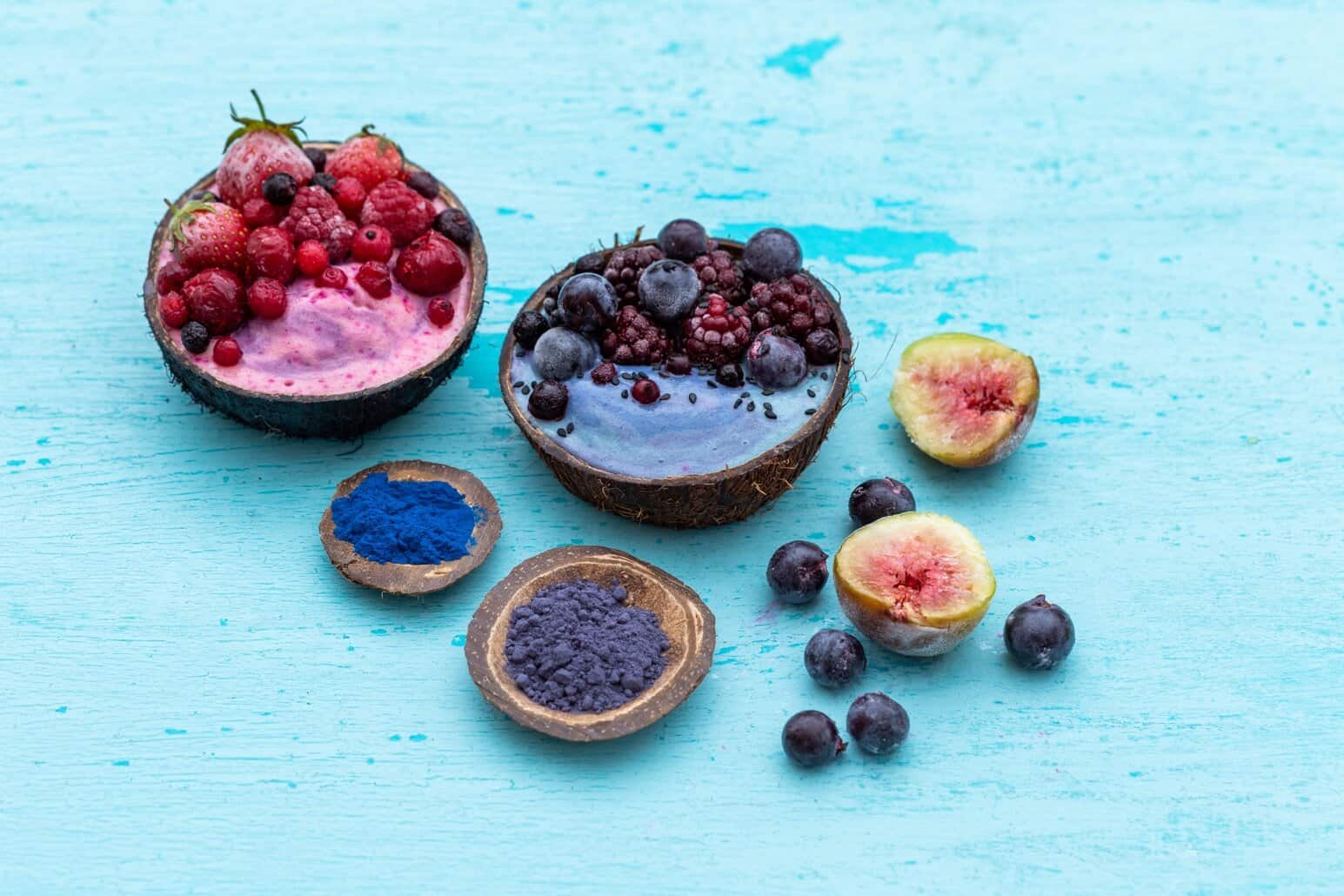
Fruit powders are often grouped together, which can cause confusion. High-quality fruit powders begin with real fruit. The fruit is dried, water is removed, and then it is milled into powder. This concentrates nutrients, creating real advantages for manufacturers.
These powders are shelf-stable, easy to store, and simple to dose. Small amounts can deliver vitamins, minerals, and bioactive compounds in smoothies, bars, and ready-to-mix drinks.
What matters most is transparency. Some powders lose fiber and can be calorie-dense on a weight basis. Pure fruit powders are very different from blends bulked up with sugar, maltodextrin, flavors, or fillers. Those additions are what give fruit powders a bad reputation.
Freeze-Dried Fruit Benefits and Practical Tradeoffs
Freeze-dried fruit sits between fresh, frozen, and powdered options. The fruit is frozen, then vacuum-dried to remove water while preserving its structure. This process retains much of the original vitamins, minerals, and phytochemicals. It also delivers a long shelf life without the use of preservatives.
The result is bold flavor and a light, crunchy texture. That is why brands use it in snacks, cereal toppings, and premium smoothies.
There are trade-offs. Freeze-dried fruit costs more than frozen or powdered forms. Without water, sugars concentrate, so portions matter. Many brands blend formats. Freeze-dried fruit adds texture, powders support nutritional goals, and frozen fruit provides volume.
Fruit Powder vs Fresh Fruit in Product Formulation
This comparison often arises in formulation discussions, but it oversimplifies the issue. Fresh fruit excels at providing water, volume, and a familiar eating experience. It supports satiety, looks appealing on the pack, and signals freshness to shoppers.
Fruit powders solve different problems. They are shelf-stable, easy to store, and simple to dose with precision. That makes them easier to work with at scale, especially when seasonality or supply variability is a concern.
They also perform where fresh fruit struggles. Think bars, baked snacks, dry blends, and ready-to-mix beverages. So this is not a choice between fresh fruit and fruit powders. It is about using each format where it makes the most sense.
How Fruit Powders Are Used in Smoothies and Snacks
Fruit powders support convenience and nutrition in product development, for smoothies and ready-to-mix (RTM) beverages. Powders eliminate peeling, washing, and fruit waste. They provide consistent flavor, color, and nutrient content, making production smoother and more reliable.
For snack bars, bites, or fruit-leather-style products, fruit powders can:
- Reduce some added sugar while delivering natural sweetness.
- Add vibrant color and fruit flavor with minimal added processing.
- Deliver vitamins, minerals, and antioxidants in small, manageable amounts.
Powders made from whole fruits and vegetables make clean labels clearer. You can say “made from real fruits and vegetables,” not just “natural flavors.” NutriFusion® GrandFusion® blends support nutrient-dense, shelf-stable smoothies, bars, and snacks with transparent ingredient lists.
Ingredient Transparency in Frozen and Fruit Powder Choices
When it comes to frozen, freeze-dried, or powdered fruit, transparency is more than a buzzword. It is how you build trust with your customers. For frozen fruits, the simplest label often tells the biggest story:
- Single-ingredient: Strawberries” or “Mango,” without added syrups or sweeteners.
- Origin and handling: Determine whether the fruit is ready-to-eat or intended for cooking.
Freeze-dried fruits deserve similar attention:
- Check for 100% fruit without oils, sugars, or other additives.
- Be mindful of portion sizes. Removing water makes them more calorie- and sugar-dense on a per-gram basis.
For fruit powders and blends:
- Confirm they are truly derived from whole fruits and vegetables.
- Avoid fillers, carriers, or synthetic vitamins.
Clear labels and simple ingredient lists make it easier to position fruit powders credibly. Statements such as “made with real fruit,” “plant-based nutrients,” and “non-GMO” can help brands communicate quality, transparency, and nutrition to consumers.
How NutriFusion Supports Whole-Fruit Nutrition at Scale
At NutriFusion, we source high-quality fruits and vegetables and turn them into nutrient-dense powders. GrandFusion blends make it easy to add whole-food fruit nutrition to smoothies, RTM beverages, bars, and better-for-you snacks while preserving flavor and key nutrients.
Example blends:
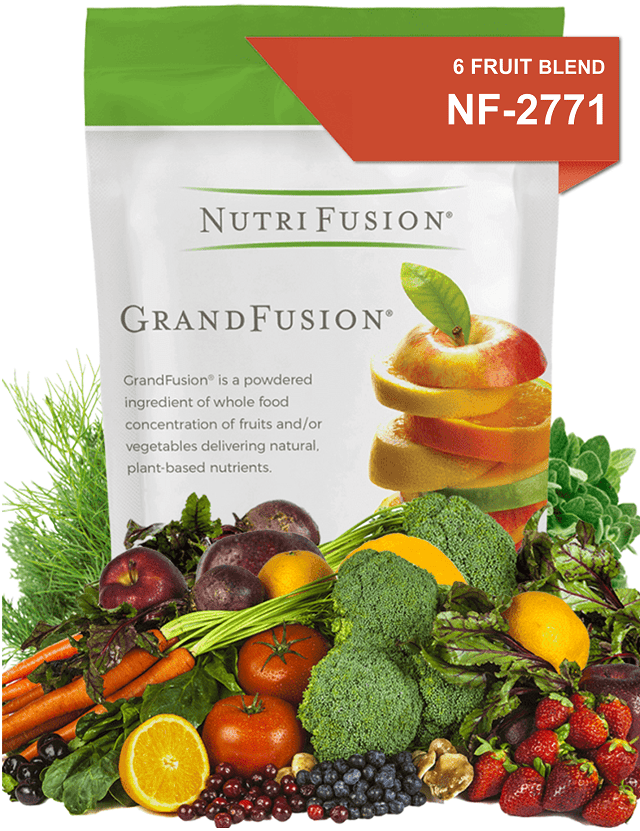
- 6 Nutrient Fruit Blend (NF-2771): Orange, banana, papaya, and shiitake mushroom.
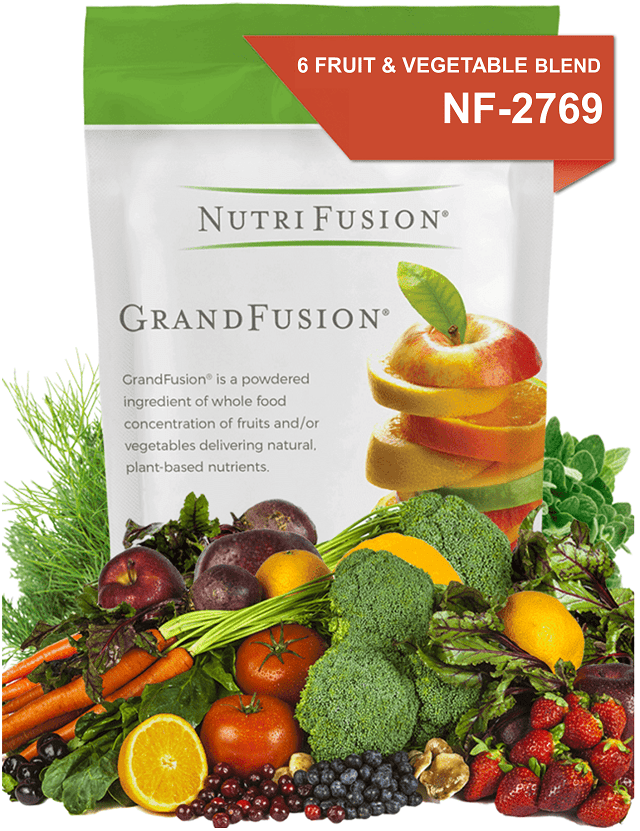
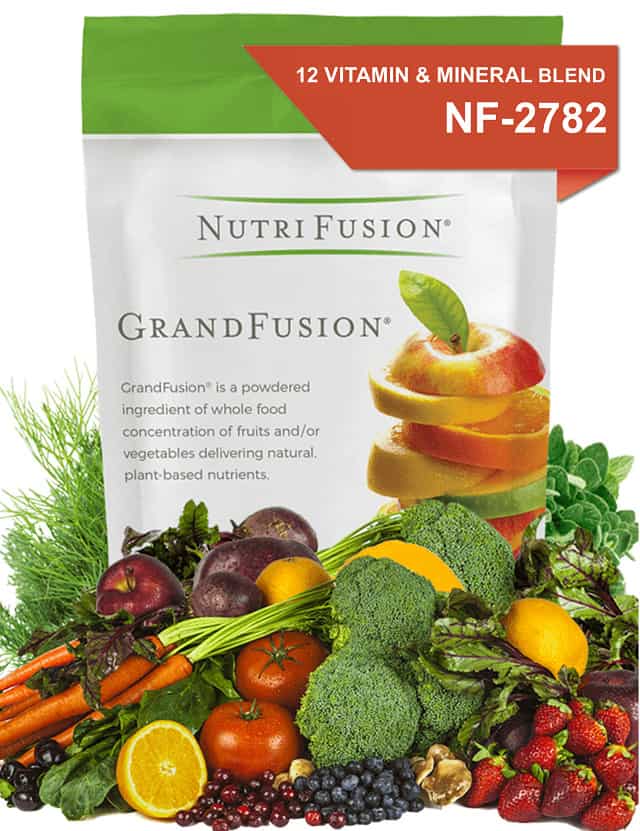
- 6 & 12 Nutrient Fruit and Vegetable Blends (NF-2769, NF-2782): Spinach, broccoli, carrot, sweet potato, apple, strawberry, and seeds.
Each 450 mg serving can provide 100% of the Daily Value for key vitamins, with no synthetic additives.
Turn Frozen Fruit Myths Into Real-Food Innovation
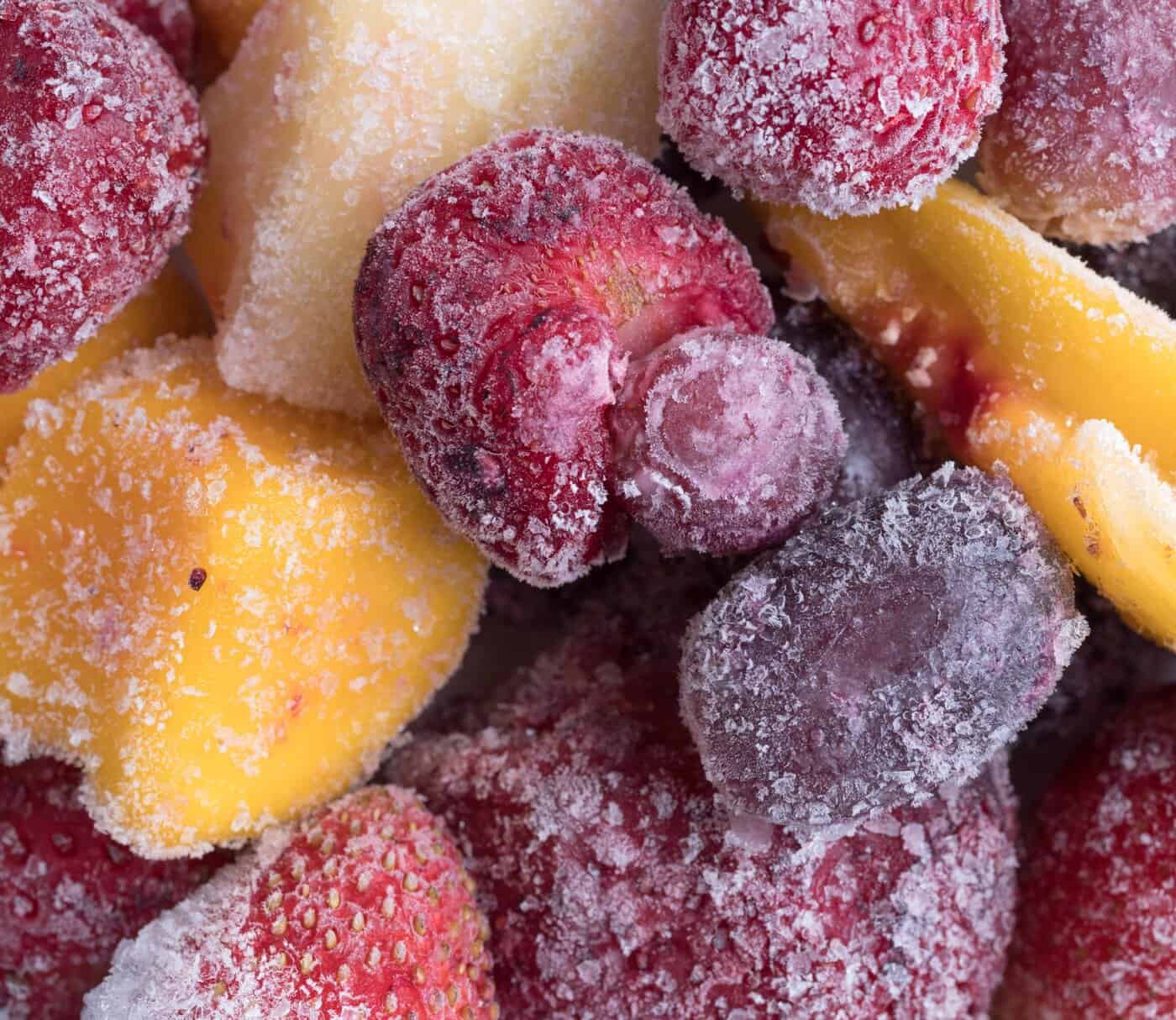
Frozen fruit myths confuse brands and shoppers alike. The truth is simple. Plain frozen and freeze-dried fruits retain most of their vitamins, minerals, and fiber. Fruit powders made from whole fruit can help carry that nutrition into shelf-stable products like smoothies, bars, and snacks.
For brands, the goal is not to choose between formats. It is using the right mix to deliver clear labels and real nutrition. That is where NutriFusion GrandFusion blends fit, making it easy to add whole-food, plant-based nutrition to smoothies, RTM mixes, bars, and better-for-you snacks while supporting taste and functionality.
Turn frozen fruit questions into confident labels with NutriFusion® GrandFusion® blends in smoothies and snacks.
NutriFusion
NutriFusion develops all‐natural fruit and vegetable powders that are nutrient-dense, for when you do not have access to fresh produce, and even when you do, to improve your vitamin intake. Sourcing only whole, non-GMO foods, NutriFusion offers consumers a concentrated micronutrient and phytonutrient-rich food ingredient blend. With a farm-to-table philosophy, NutriFusion’s proprietary process stabilizes the nutrients from perishable fruits and vegetables, allowing a longer shelf life and access to vital nutrients.
NutriFusion fruit and/or vegetable powders are for use in foods, beverages, supplements, and pet foods. NutriFusion can help! Visit us at www.nutrifusion.com.
References
- Food to Live. n.d. “The Difference Between Fruit Powders and Fresh Fruit.” https://foodtolive.com/healthy-blog/the-difference-between-fruit-powders-and-fresh-fruit/
- Healthline Editorial Team. n.d. “Dried Fruit: Good or Bad?” Healthline.https://www.healthline.com/nutrition/dried-fruit-good-or-bad
- Shreeji Foods. n.d. “Difference Between Fruit Powder and Fresh Fruits.” Shreeji Foods Blog. https://shreejifoods.in/blogs/articles/difference-between-fruits-powder-and-fresh-fruits