
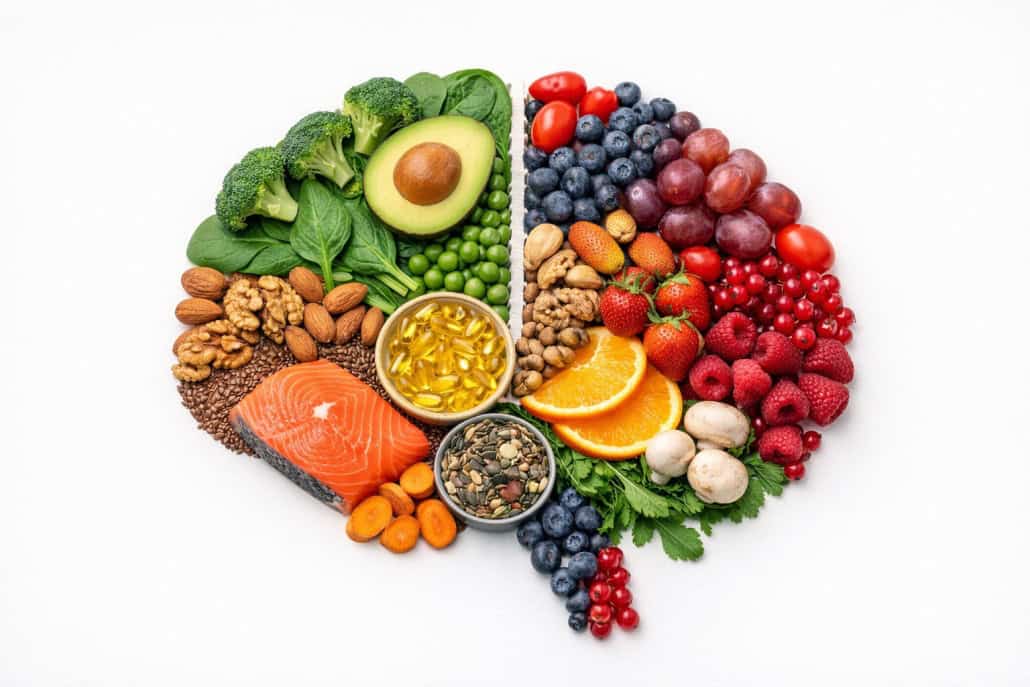
How Brain Health Supplements Are Evolving with Better Ingredients
The brain health supplement category is growing fast, and it's not slowing down anytime soon. The global brain health supplements market was valued at $10.95 billion in 2024 and is projected to reach $23.52 billion by 2030, growing at a CAGR of 13.7%. Driving that momentum isn't just consumer demand for sharper focus or better memory. It's a deeper shift in what buyers, whether they're formulators sourcing ingredients or individuals reading labels at the health food store, actually expect from a supplement.
The question is no longer just "does this product support brain health?" It's "what's actually in it, and how well does the body use it?" For manufacturers and product developers, that distinction shapes sourcing decisions, label claims, and positioning. For consumers, it's increasingly the difference between buying a supplement that performs and buying one that doesn't.
Why Ingredient Quality Has Become the Central Conversation
Most conventional brain health supplements were built around synthetic vitamins. They're cheap to produce, easy to standardize, and widely available. But synthetic isolates are designed for mass production and shelf stability, not necessarily for how well the body absorbs and utilizes them. Isolated compounds can lack the co-factors and phytonutrients found in whole-food sources, which means absorption may be less efficient than the label suggests.
This is particularly relevant for nutrients tied to cognitive function. NutriFusion's plant-based micronutrient blends are built around many of the key nutrients that matter here:
- B vitamins (B1, B2, B3, B5, B6, B9, B12): Support neurotransmitter synthesis, homocysteine regulation, and energy metabolism in neurons
- Vitamin C and E: Antioxidants that can help protect brain cells from oxidative stress
- Vitamin D: Associated with cognitive function and neuroprotection
- Zinc, iron, and selenium: Trace minerals that contribute to neurotransmitter activity and healthy brain aging
Research highlights the importance of dosage, bioavailability, and individual differences in response to supplementation when evaluating the cognitive effects of micronutrients. For formulators developing what consumers consider the best supplement for brain health, the source of those nutrients matters as much as the dose.
The Clean-Label Shift in Cognitive Supplements
Clean-label formulation has moved from a niche trend to a mainstream expectation in the supplement space. Consumers are reading ingredient panels more carefully, and B2B buyers are fielding those questions from their retail partners and end users. A supplement that lists synthetic ascorbic acid or dl-alpha-tocopherol reads differently than one fortified with nutrients derived from spinach, broccoli, and oranges.
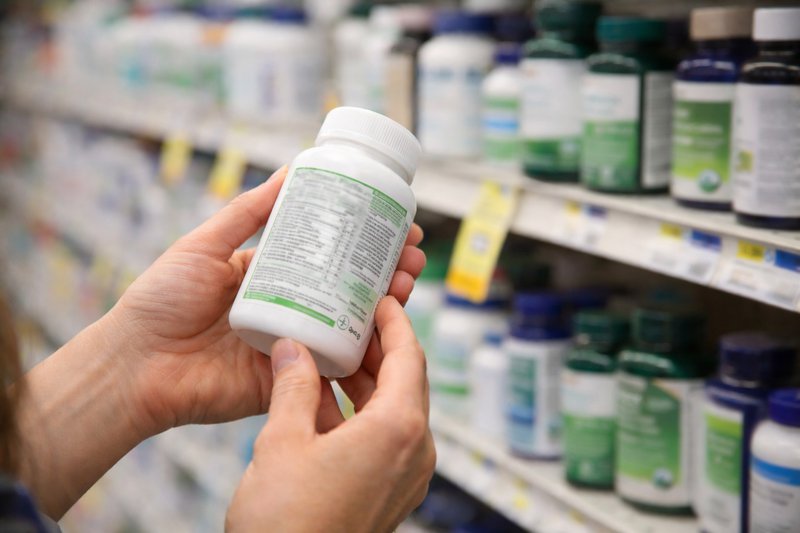
The herbal and plant-based supplements segment is expected to grow at the fastest CAGR in the brain health supplements market, driven by rising consumer preference for natural and minimally processed products and concern over synthetic additives.
This creates a real opportunity for brands willing to reformulate or launch with better-sourced ingredients. Products fortified with plant-derived vitamin and mineral systems can carry more credible ingredient statements, support stronger narrative positioning, and often command a higher price point. NutriFusion's commitment to whole-food sourcing and certifications gives manufacturers the documentation they need to back those claims up. The bar for what qualifies as the best supplement for brain health is being raised from multiple directions at once.
Formulation Challenges Manufacturers Need to Know
Switching from synthetic to whole-food-derived nutrients isn't without complexity. Formulators working with produce-based micronutrient systems need to account for:
- Stability through processing: Nutrients from real food sources must survive heat, pH shifts, and shelf life without degrading below label claims
- Sensory impact: Concentrated fruit and vegetable powders can affect color, taste, and odor in finished products
- Label claim substantiation: Delivering consistent DV percentages per serving requires reliable, standardized premixes with documented testing
- Regulatory clarity: Understanding the difference between a whole-food ingredient statement and a synthetic fortification claim matters for labeling accuracy
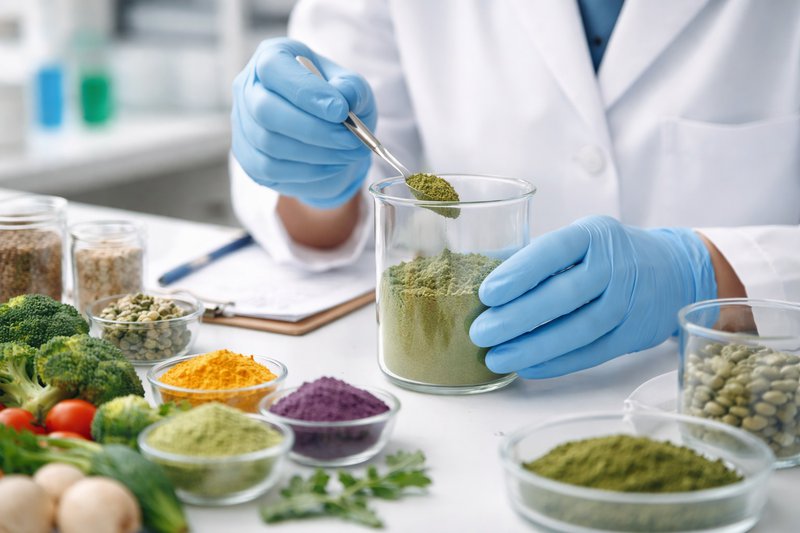
These are solvable problems, but they require working with ingredient suppliers who have documented processing data, stability testing, and formulation support. NutriFusion's 12 Nutrient Fruit and Vegetable Blend is one example of a premix engineered to deliver consistent DV levels across a range of food and supplement applications. For a product marketed as the best supplement for brain health in a clean-label format, that kind of documented reliability is not optional.
How NutriFusion Fits the Brain Health Category
NutriFusion's GrandFusion blends are built specifically for the formulation challenges that come with whole-food micronutrient delivery. The company's plant-based premixes are derived from concentrated fruits, vegetables, and mushrooms, and are engineered to deliver specific Daily Value percentages while remaining stable through food and supplement manufacturing conditions.
For manufacturers developing cognitive health products, several NutriFusion features are directly relevant:
- Bioavailable, bioabsorbable nutrients derived from whole-food sources rather than synthetic vitamin systems
- High nutrient density in small amounts: The 21 Vitamin and Mineral Blend (NF-82333) delivers 100% DV for 21 nutrients in just 491 mg, making it practical for capsule and powder applications
- B complex support: The NF-2131 B Complex blend provides 8 essential B vitamins at 50% DV per 225 mg from broccoli, carrot, spinach, sunflower seed, and chlorella, ingredients directly tied to the neurotransmitter and energy pathways that matter in brain health formulations
- Antioxidant-rich base ingredients: Blends built on kale, pumpkin, sweet potato, cranberry, and shiitake and maitake mushrooms provide natural antioxidant support relevant to oxidative stress concerns in cognitive health
For consumer-facing brands, the ingredient label tells part of the story. "Broccoli, spinach, kale" reads very differently to a shopper than "ascorbic acid, dl-alpha-tocopherol." That difference in label perception translates directly to purchase decisions and brand trust when positioning a product as the best supplement for brain health.
Ready to formulate with whole-food micronutrients that support cleaner labels and stronger nutrition claims? Explore NutriFusion's full range of plant-based blends and connect with their team to find the right fit for your product: https://nutrifusion.com/
References
- Grand View Research. 2024. "Brain Health Supplements Market Size, Share & Trends Analysis Report." Grand View Research. https://www.grandviewresearch.com/industry-analysis/brain-health-supplements-market
- Towards Healthcare. 2024. "Brain Health Supplements Market." Towards Healthcare. https://www.towardshealthcare.com/insights/brain-health-supplements-market-sizing
- National Center for Complementary and Integrative Health. 2023. "Improving Cognitive Function with Nutritional Supplements in Aging." PMC/NIH. https://pmc.ncbi.nlm.nih.gov/articles/PMC10746024/