
Natural Ways to Keep Food Fresh Longer (Without Artificial Preservatives)
You are in a product meeting when a familiar question comes up: “If this says no preservatives, how does it stay fresh for months?”
It sounds simple, but you know it is not. Shelf-life charts, retailer clean-label rules, and formulation tradeoffs all sit behind that one line on pack. Natural food preservatives are now expected, yet shelf life extension still protects quality, safety, and margins.
In this blog, we will explore how foods naturally spoil, what natural preservation truly means, which tools are effective in real-world formulations, and where antioxidant-rich, whole-food systems like GrandFusion fit into a modern clean-label strategy.
Why Foods Spoil and Lose Food Stability
Most shelf-life problems fall into three categories: oxidation, microbial growth, and physical breakdown. Products rarely fail for just one reason.
- Oxidation is the quiet one. Fats react with oxygen, flavors fade, and colors dull long before a product appears spoiled. Snacks, baked goods, and high-fat foods are especially vulnerable once oxygen enters the system.
- Microbial growth is more visible. Mold in the bakery, yeast in beverages, or gas formation typically indicates issues with water activity, pH, temperature control, or packaging integrity.
- Then there are physical failures. Staling, moisture migration, and texture collapse can shorten shelf life, even when the food is safe to eat. Bars and filled bakery items struggle here more than most teams expect.
Ultimately, most real-world shelf-life issues trace back to a mix of these three forces, not just one. Knowing whether oxidation, microbes, or physical changes are driving failure gives you a clear starting point for choosing the right natural preservation tools.
Natural Preservation Tools for Shelf Life Extension
Most consumers now say they actively avoid artificial preservatives, even if they don’t always know which ingredients those are. That expectation puts pressure on brands, and simply removing preservatives without a strategy rarely works.
Shelf life extension often begins with non-additive controls. Temperature management through chilling or freezing helps slow microbial growth. Reduction of water activity, achieved through drying, concentration, or formulation adjustments, limits the growth of spoilage organisms. pH control, achieved through fermentation or the use of organic acids such as citric or lactic acid, remains one of the most reliable tools available.
Packaging also plays a critical role. Modified atmosphere packaging, oxygen scavengers, and active packaging materials can significantly improve food stability when paired with the right formulation. Most successful clean-label products rely on a hurdle approach, which involves several moderate controls working together.
Whole-food nutrient systems, such as NutriFusion GrandFusion, are part of this broader toolbox, supporting preservation efforts rather than replacing good process and packaging design.
Natural Food Preservatives Used in Real Formulas

Natural food preservatives are not one ingredient. They are tools you match to how a product actually breaks down. Below are the classes we see most often used for natural preservation, along with notes on where they are best suited.
Antioxidant Extracts and Vitamins
Oxidation is the enemy of shelf life, and antioxidants help slow it down. Plant extracts such as rosemary, green tea, and grape seed do much of the heavy lifting by protecting fats, color, and flavor.
Tocopherols, a natural form of vitamin E, play a similar role. They are often used to replace synthetic antioxidants like butylated hydroxyanisole (BHA) or butylated hydroxytoluene (BHT), helping food stay stable while still meeting clean-label expectations.
Organic Acids and Fermented Ingredients
Lowering pH makes food less welcoming to microbes. Think vinegar, citric acid, and lactic acid. Fermented ingredients do double duty. They control microbes. They also sound familiar to consumers.
Biopreservatives, such as nisin and natamycin, are also produced through fermentation. They work well in dairy, meat, and bakery. Use them carefully. They are powerful tools.
Plant Extracts With Antimicrobial Effects
Some herbs and spices naturally fight microbes, such as clove, oregano, garlic, and pomegranate peel. The challenge is flavor. A little goes a long way. Encapsulation or packaging helps manage impact.
These extracts can be helpful, but they are rarely the sole solution. We typically treat them as one hurdle in a broader plan to extend shelf life.
How Antioxidants in Food Slow Oxidation
Oxidation is basically a chain reaction. Free radicals attack fats and pigments, creating off-flavors and discoloration. Once it starts, it accelerates. Antioxidants interrupt that process. They donate electrons or hydrogen atoms to neutralize radicals, or they bind metals that catalyze oxidation. It’s not flashy, but it’s effective.
In practical terms, antioxidants in food delay rancidity, preserve color, and slow nutrient degradation. That directly supports shelf-life extension, not just visually but nutritionally too.
Modern systems, such as encapsulation and antioxidant-loaded coatings, improve efficiency, allowing for lower use levels. From a cost perspective, better oxidative control reduces waste, returns, and markdowns. That’s not just quality management, it’s margin protection.
Why Some Foods Stay Fresh with Natural Preservation
Some foods protect themselves. High-sugar, low-water jams naturally resist microbes: Low-pH pickles or fermented drinks limit spoilage. Low-moisture, fat-rich snacks last longer when oxidation is carefully managed.
Natural antioxidants found in herbs, spices, and fruits also help. They work quietly, protecting flavor, color, and nutrients without being labeled as “preservatives.” Understanding your base product matters. Determine when extra antioxidants or antimicrobials are truly necessary.
Example: Nuts already have vitamin E. Extra antioxidants only matter if exposed to heat, light, or air. It saves cost. It keeps labels short. Helps you focus on what really matters for shelf life without overcomplicating the formula.
Preservatives to Replace with Natural Options
Some preservatives still work, but shoppers are aware of them. BHA, BHT, TBHQ, and propyl gallate are common antioxidants. They protect oils and fats, but many consumers see them as synthetic or chemical. Sodium benzoate, potassium sorbate, and nitrites/nitrates are used to combat microbes, yet they are often flagged on clean-label watch lists.
These ingredients are safe when used correctly. The push toward natural alternatives is driven by perception, trust, and cleaner labels, rather than safety concerns. Begin by examining your high-demand products. Bakery, snacks, ready-to-eat meals, beverages, these are often first on the reformulation list.
Phase synthetics gradually. Utilize a combination of mild hurdles, including pH adjustment, moisture control, packaging tweaks, and the addition of natural antioxidants. Shelf life stays solid. The taste stays fresh. Labels stay simple. Consumers feel confident. Your products last longer, with less waste and fewer returns. Cleaner labels without sacrificing performance. It is about smart swaps, not radical overhauls.
NutriFusion’s POV: Real-Food Antioxidants as Part of Shelf Life Extension
NutriFusion® GrandFusion® is a powder blend made from fruits and vegetables. It delivers vitamins and phytonutrients naturally. Synthetic vitamins are typically isolated compounds made for consistency. Whole-food nutrient blends, by contrast, keep nutrients in a food-based matrix from fruits and vegetables.
For brands that are trying to reduce synthetics, that can support a simpler ingredient story while adding antioxidant-rich plant inputs that may help with food stability in certain applications.
Its antioxidant content may support product stability and shelf life extension in specific applications. In some baked applications, it may help extend freshness. One fruit- and vegetable-based blend can replace long lists of synthetic vitamins. Clean-label shoppers respond positively.
Remember: GrandFusion® is part of a bigger system. Process, pH, moisture, and packaging still matter. Use it together. Think of GrandFusion® as a partner. Protects nutrients, extends freshness, and keeps labels short. Works in real-world production. Easy to use. Practical, human solution for modern products.
Formulation Uses for Natural Food Preservatives

Below are a few applications where natural antioxidants and NutriFusion can be effective in real products.
Bakery and Snacks
Reduce synthetic antioxidants in breads, bars, chips, and tortillas. Combine moisture control, baking tweaks, natural antioxidants like rosemary, and GrandFusion® powders. Shelf life extends. Nutrients stay intact. Labels remain clean. Taste stays consistent. It’s practical, simple, and real.
Beverages and Ready-to-Drink Products
Juices, smoothies, and functional drinks benefit from cold-chain management, pH control, and GrandFusion®. Nutrients stay stable. Oxidation slows. Labels stay short. Fruit- and vegetable-based ingredients do the work naturally. The taste stays fresh, which consumers notice.
Nutraceuticals and Supplements
GrandFusion® adds plant-based vitamins and antioxidants to gummies, powders, and tablets. Ingredients stay stable through manufacturing and storage, so shelf life is predictable. You don’t need large overages. You can still meet clean-label expectations. The system is easy to work with and fits real-world production.
Ready Meals and Frozen Foods
Vegetable bowls, plant-based meats, and sauces can use natural antimicrobials, pH control, and GrandFusion® to reduce oxidation, preserve nutrients, and maintain flavor. This approach works for both chilled and frozen storage, extends shelf life naturally, and keeps ingredient labels simple.
Across categories, the pattern is the same. Match the antioxidant system to the failure mode, then validate in real storage conditions.
Next Steps for Shelf Life Extension Without Synthetics
Consumers want proof. “No preservatives” does not mean lower quality. Start by mapping spoilage risk: oxidation, microbes, and physical changes. Layer mild hurdles: pH, water activity, packaging, and add targeted natural antioxidants or antimicrobials.
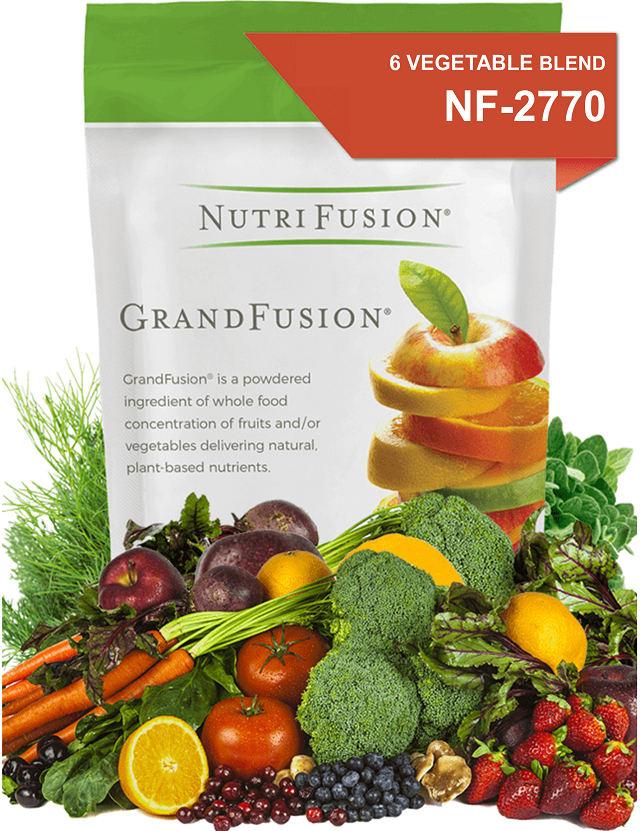
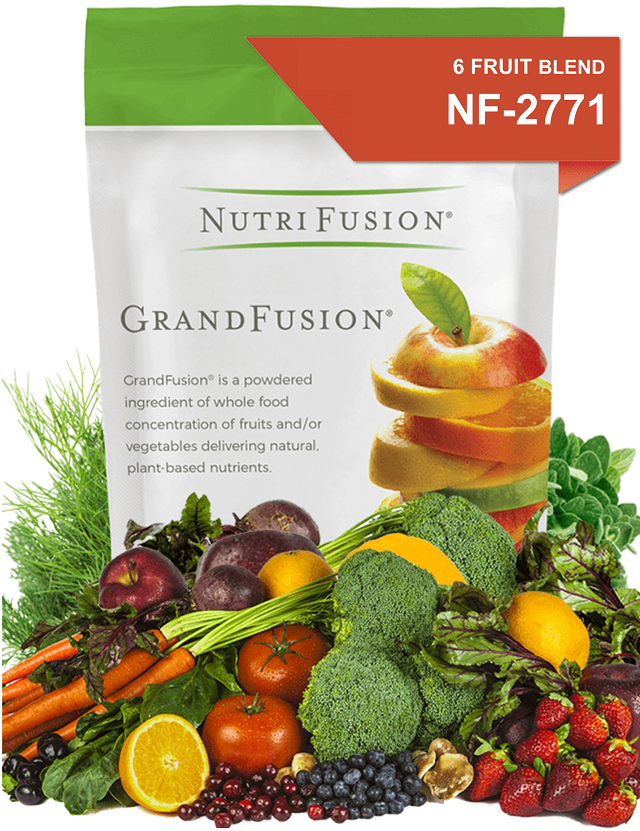
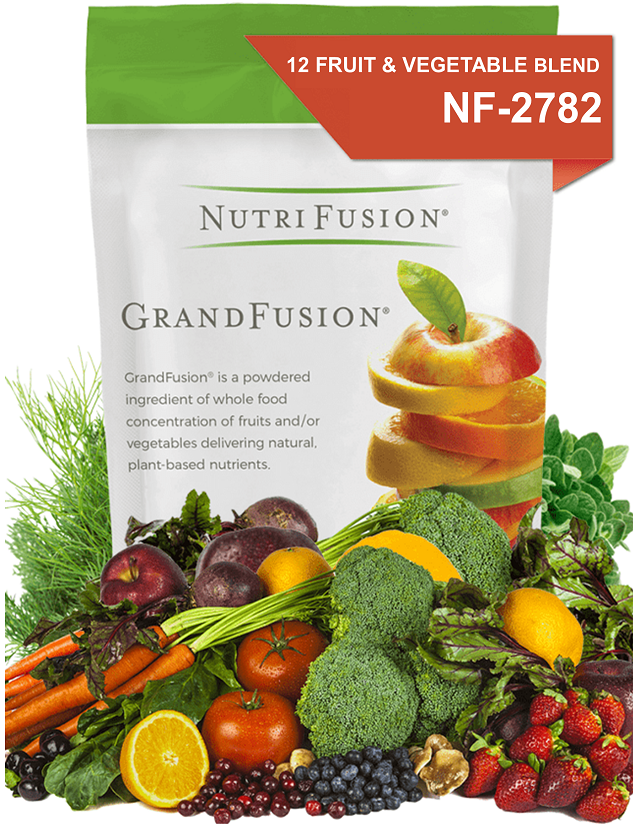
Whole-food nutrient systems like GrandFusion® support shelf life and nutrition. Fruit- and vegetable-based blends simplify labels. Replace long synthetic premixes with one clean ingredient. NutriFusion® GrandFusion® is plant-based, non-GMO, additive-free. It works with your process, not against it.
Ready for cleaner labels and longer shelf life? Explore the NutriFusion® GrandFusion® Product Line.
NutriFusion
NutriFusion develops all‐natural fruit and vegetable powders that are nutrient-dense, for when you do not have access to fresh produce, and even when you do, to improve your vitamin intake. Sourcing only whole, non-GMO foods, NutriFusion offers consumers a concentrated micronutrient and phytonutrient-rich food ingredient blend. With a farm-to-table philosophy, NutriFusion’s proprietary process stabilizes the nutrients from perishable fruits and vegetables, allowing a longer shelf life and access to vital nutrients.
NutriFusion fruit and/or vegetable powders are for use in foods, beverages, supplements, and pet foods. NutriFusion can help! Visit us at www.nutrifusion.com.
References
- Grand View Research, Inc. 2024. “Natural Food Preservatives Market To Reach $1.39 Billion By 2030.” Grand View Research Press Room. (https://www.grandviewresearch.com/press-release/global-natural-food-preservatives-market). (Grand View Research)
- Parveen, B., Venkatesan Rajinikanth, and Mathiyazhagan Narayanan. 2025. “Natural Plant Antioxidants for Food Preservation and Emerging Trends in Nutraceutical Applications.” Discover Applied Sciences 7:845. (https://link.springer.com/article/10.1007/s42452-025-07464-6).
- BTSA. n.d. “Fats and Oils Oxidation in Food Products: Natural Strategies to Enhance Shelf Life and Quality.” BTSA Blog. (https://www.btsa.com/en/fats-and-oils-oxidation-food-products/)
- Santiesteban-López, Norma Angélica, Julián Andrés Gómez-Salazar, Eva M. Santos, Paulo C. B. Campagnol, Alfredo Teixeira, José M. Lorenzo, María Elena Sosa-Morales, and Rubén Domínguez. 2022. “Natural Antimicrobials: A Clean Label Strategy to Improve the Shelf Life and Safety of Reformulated Meat Products.” Foods 11(17):2613. (https://www.mdpi.com/2304-8158/11/17/2613).
- PW Consulting Chemical & Energy Research Center. 2025. “Natural Food Preservatives Market.” PW Consulting Chemical & Energy Research Center. (https://pmarketresearch.com/chemi/natural-food-preservatives-market/). (PW Consulting)
- Kaitwade, Nikhil. 2025. “Natural Food Preservatives Market Set to Surpass USD 1,375.7 Million by 2035, Driven by Clean-Label Trends.” FMIBlog (Future Market Insights Blog). https://www.fmiblog.com/2025/10/29/natural-food-preservatives-market-set-to-surpass-usd-1375-7-million-by-2035-driven-by-clean-label-trends/