

Real Foods vs. Processed: How Clean Label Ingredients Are Changing the Game
On a crowded retail shelf, shoppers often compare two similar products. One carries a long list of additives, preservatives, and synthetic nutrient sources. The other highlights “100% real foods,” “plant-based sources of nutrients,” and “no GMOs,” and that is the one that goes into the cart.
Manufacturers see these choices every day while still needing products that are safe, scalable, and convenient. In this blog, we’ll look at what separates real foods from processed foods, how clean label expectations are reshaping formulations, and how plant-based, non-GMO NutriFusion real food-derived nutrient systems support product performance and long-term nutritional health.
Real Foods vs. Processed: What’s the Difference
Real foods are whole or minimally processed edible parts of plants, animals, and fungi that retain their natural structure and nutrients. Think fresh fruits and vegetables, whole grains, eggs, unflavored dairy, nuts, seeds, and minimally processed meats. These real foods usually have short ingredient lists, often just one ingredient, and deliver higher-quality nutrition, including fiber, vitamins, minerals, and phytonutrients.
Processed foods exist on a spectrum. Minimally processed options include washing, freezing, drying, fermenting, or pasteurizing to extend shelf life while preserving most of the original nutritional value. Ultra-processed foods, by contrast, are built from industrial formulations with refined ingredients, added sugars, unhealthy fats, salt, and multiple additives that resemble home-cooked food less and less.
Clean label ingredient systems now give manufacturers a way to rethink processed foods, so they behave more like real foods nutritionally and on the label, without abandoning processing entirely.
Why Real Foods Matter for Long-Term Health
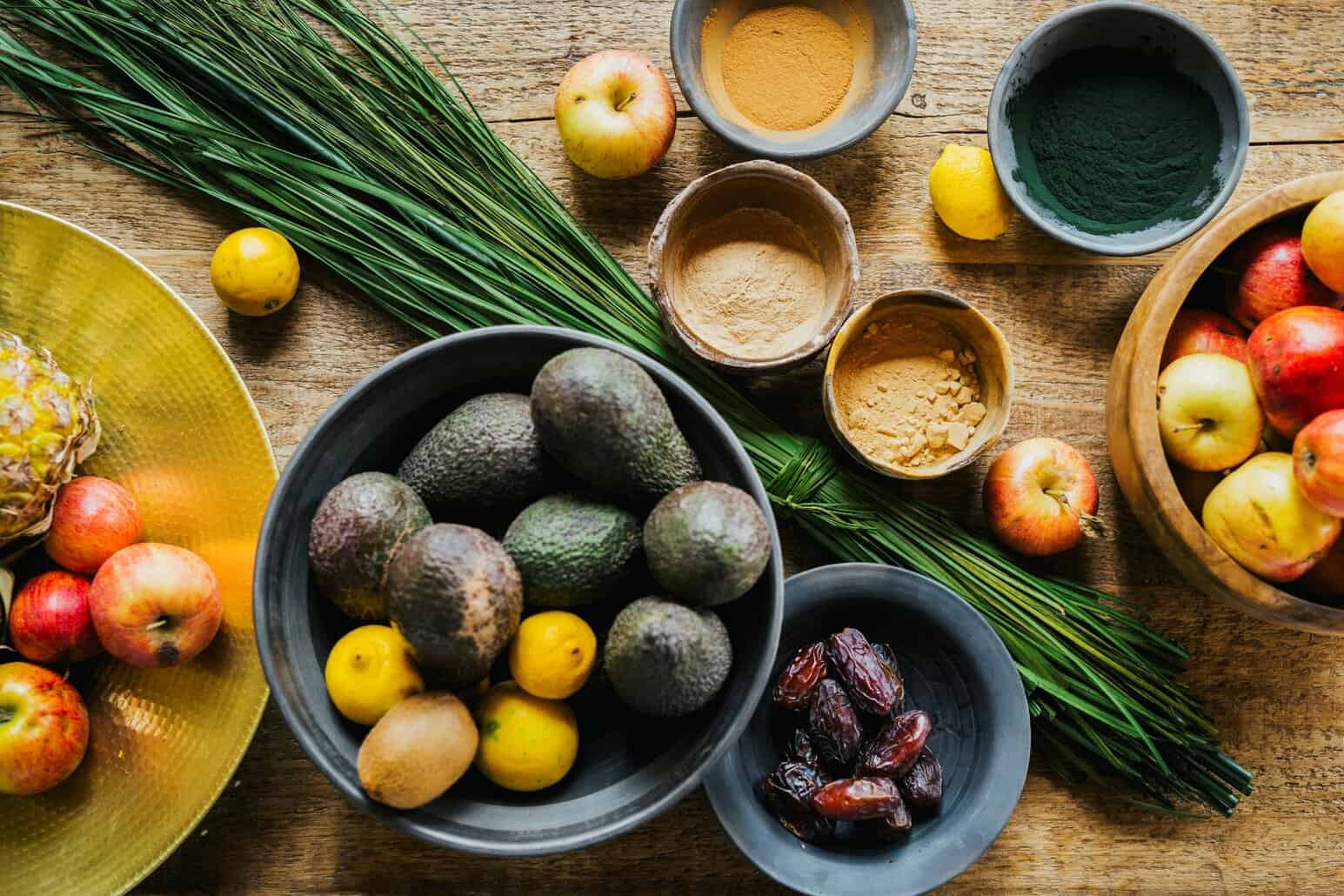
The real food movement is grounded in long-term health research rather than short-lived trends. Eating patterns rich in whole or minimally processed foods such as fruits, vegetables, legumes, nuts, seeds, and whole grains have consistently been associated with lower risk of a range of chronic disease outcomes. By contrast, higher intakes of ultra-processed foods have been associated with increased risk of obesity and other adverse health outcomes in large population studies.
Processing is a vital part of making food safe, moving it through the supply chain, distributing it globally, and providing convenience. The problem occurs when food products combine low nutritional density with excess refined carbohydrates, added sugars, unhealthy fats, and large numbers of synthetic additives.
As formulators, we want to provide the advantages that come with processing food while maintaining the label-friendly attributes of real food ingredients. This means utilizing nutrient-dense, plant-forward design, easy-to-understand ingredient labels, and modern clean-label systems that use real foods to source nutritious blends.
Clean Label: Bringing Real Food Principles Into Processed Products
Although the term clean label is not legally defined, it is generally understood as products that are created with only natural ingredients, without added synthetic substances or artificial flavors, preservatives, or similar additives. Often, they meet the criteria of being non-GMO, plant-based, or sourced from organic ingredients.
The primary purpose of a clean label is transparency. To do this effectively, a clean label requires manufacturers to:
- Use fewer ingredients on the ingredient panel.
- Use simpler, more recognizable ingredients.
- Utilize real food components such as fruits, vegetables, nuts, seeds, herbs, and whole grains.
Consumers associate clean label with trust, and that trust strongly influences purchasing decisions alongside other ethical and environmental values. Providing clean-label products consistently across a variety of manufactured goods is well supported by the use of plant-based nutrient ingredients and non-GMO, non-synthetic ingredients. Plant-based nutrients and non-GMO ingredients help fill this requirement. They allow us to use real food nutrients to make processed foods without affecting texture, flavor, process efficiency, or shelf life.
NutriFusion helps fulfill this role. Our business is based on providing manufacturers and brands access to a full range of nutrient systems derived directly from fruit and vegetable sources while maintaining both clean labeling and operational efficiency.
New Standards of Plant-Based Nutrients and Non-GMO Ingredients
Plant-based nutrients such as vitamins and minerals, fiber, and phytonutrients (naturally occurring compounds in plants) have become a foundation for many modern formulations, which often favor them over purely synthetic fortification. Research across many populations associates plant-based nutrition with improved cardiometabolic markers, healthier weight management patterns, and reductions in key risk factors for cardiometabolic disease.
Alongside this shift toward plant-based nutrition is an increase in consumer demand for non-GMO ingredients. Many consumers view non-GMO ingredients as a proxy for safety, higher quality, and natural sourcing. In response, ingredient suppliers are increasingly promoting non-GMO, natural, minimally processed ingredients as part of clean label strategies.
The future of processed foods for manufacturers will utilize NutriFusion’s proprietary plant-based, non-GMO nutrient systems that provide a real-food experience while enhancing nutritional profiles. NutriFusion fruit and vegetable-based blends are creating opportunities for brands to improve their nutrition facts panels and ingredient lists by using ingredients that are as close to real food quality as possible.
NutriFusion’s Approach From Real Foods to Real Food Ingredients
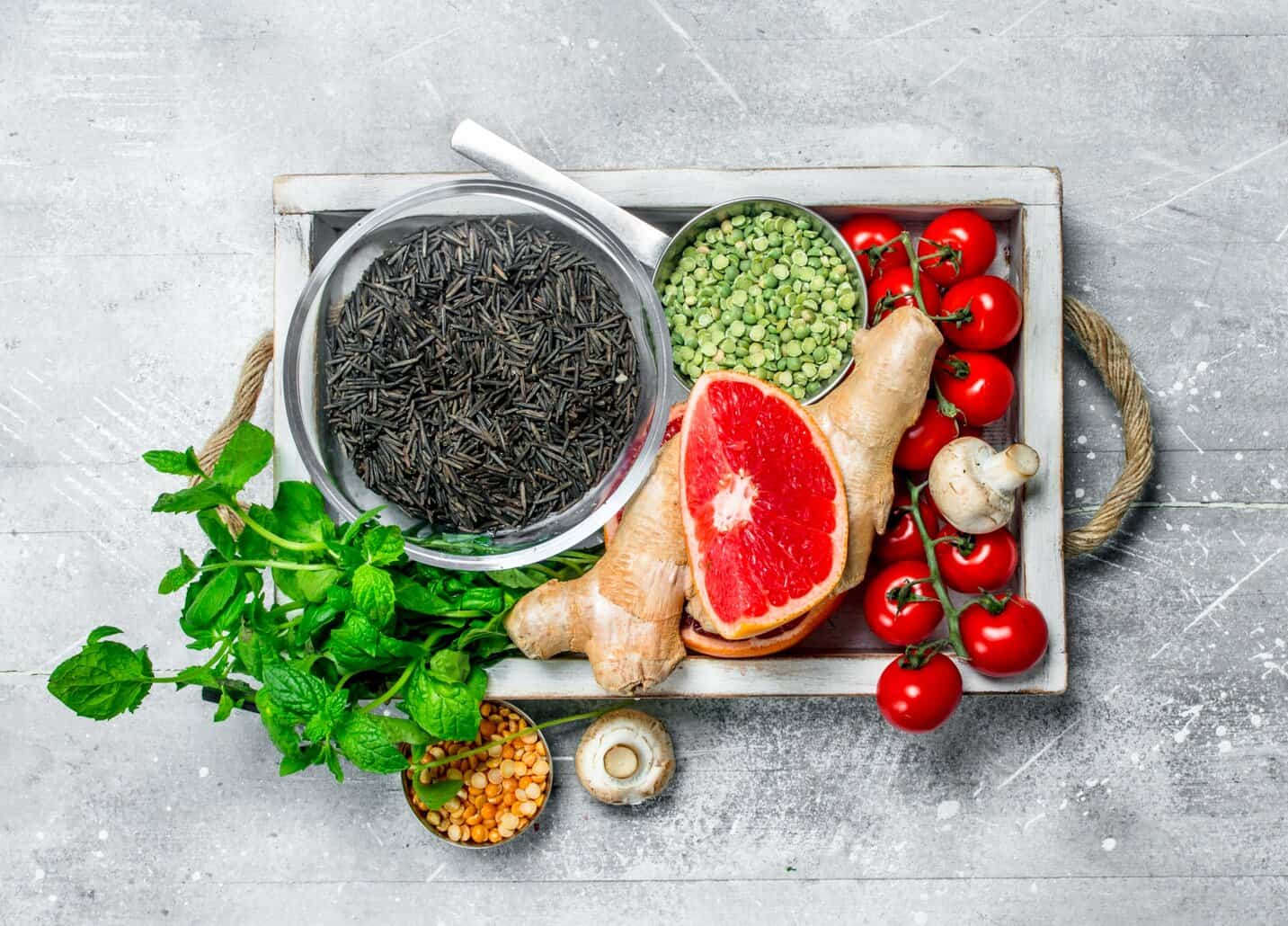
At NutriFusion, we operate under a straightforward principle: real food and real food nutrition. Using only whole, non-GMO-sourced fruits and vegetables as our starting point, NutriFusion has developed concentrated blends that capture key vitamins, minerals, and phytonutrients naturally found in fruits and vegetables.
All NutriFusion nutrient blends are 100% plant-based, providing plant-based nutrition for use in supplements, foods, beverages, and pet food. As a result, NutriFusion blends can be formulated without doubtful or unrecognizable ingredients.
NutriFusion’s GrandFusion nutrient blends for supplements provide several benefits to manufacturers, including:
- Real fruits and vegetables provide 100% plant-based nutrition
- Recognizable ingredients that support clean ingredient statements
- No synthetic additives or preservatives
- Low sensory impact to help maintain taste and texture
- High potency, with 450 milligrams providing 100% of the daily value of key nutrients
- Heat stability, formulated to withstand high heat and other demanding manufacturing processes while helping preserve nutrient levels
- Potential for improved shelf life from the natural antioxidants in NutriFusion blends
NutriFusion’s GrandFusion blends enable manufacturers to use processing to deliver real food nutrition in processed products such as snacks, drinks, cereals, snack bars, supplements, and pet food while maintaining manufacturing efficiency.
R&D Guide to Apply Real-Food, Clean-Label Ingredients in Processed Foods
We recommend a structured approach to integrating real food nutrition into processed categories through your research and development, formulation, and innovation teams as follows:
- Identify what “real food” means for your brand. Is your target plant-forward, non-GMO, nutrition derived from fruits and vegetables, or transparency for families? This will guide which ingredients you select, which claims you make, and how you communicate them.
- Review your products. Evaluate existing formulations to see where the use of synthetic vitamins, artificial colors, artificial flavors, and long ingredient lists detracts from your opportunity to achieve a clean label.
- Change to plant nutrient systems. NutriFusion’s GrandFusion products consolidate vitamins and phytonutrients from fruits and vegetables into one powdered ingredient, eliminating duplicate SKUs and improving overall ease of use. Additionally, they can significantly improve the clarity and readability of the label.
- Build for performance during processing. Select ingredients that will withstand the rigors of high heat, extrusion, baking, pasteurization, and extended shelf life. GrandFusion’s products are formulated to withstand robust manufacturing conditions and support long shelf life while helping preserve nutritional value.
- Communicate benefits in clear, compliant, legible language, such as vitamins from fruits and vegetables, plant-based nutrients, made with non-GMO ingredients, no synthetics, and simple ingredients.
This approach helps enhance consumer trust while supporting regulatory compliance.
Building the Future of Processed Foods With Real Food Nutrition
The distinction between whole foods and processed foods will continue to shape how people think about what they eat. With the use of clean label ingredients, plant-based nutrients from fruits and vegetables, and non-GMO ingredient systems, manufacturers can help shift perceptions of processed food toward options that better align with how consumers eat today and what they expect from real foods.
As an innovator, we at NutriFusion® support that transformation. Using GrandFusion® fruit- and vegetable-derived nutrient blends, food and beverage manufacturers can enhance the nutritional content and label quality of products ranging from snack items to baked goods, beverages, cereals, supplements, pet food, and more, helping to avoid costly reformulation and sensory trade-offs.
Explore NutriFusion® Whole-Food Nutrient Blends to power your next clean label launch.
NutriFusion
NutriFusion develops all‐natural fruit and vegetable powders that are nutrient-dense, for when you do not have access to fresh produce, and even when you do, to improve your vitamin intake. Sourcing only whole, non-GMO foods, NutriFusion offers consumers a concentrated micronutrient and phytonutrient-rich food ingredient blend. With a farm-to-table philosophy, NutriFusion’s proprietary process stabilizes the nutrients from perishable fruits and vegetables, allowing a longer shelf life and access to vital nutrients.
NutriFusion fruit and/or vegetable powders are for use in foods, beverages, supplements, and pet foods. NutriFusion can help! Visit us at www.nutrifusion.com.
References
- The Guardian. 2025. “Ultra-Processed Food Linked to Harm in Every Major Human Organ, Study Finds.” The Guardian, November 18. https://www.theguardian.com/society/2025/nov/18/ultra-processed-food-linked-to-harm-in-every-major-human-organ-study-finds .
- Harvard T.H. Chan School of Public Health. 2025. “Processed Foods and Health.” The Nutrition Source. https://nutritionsource.hsph.harvard.edu/processed-foods/ .
- Fang, Z., et al. 2024. “Association of ultra-processed food consumption with all-cause and cause-specific mortality: results from prospective cohort studies.” BMJ 385: e078476. https://doi.org/10.1136/bmj-2023-078476.
- Scrinis, G., and D. Monteiro. 2025. “Towards unified global action on ultra-processed foods.” The Lancet (Comment/Series). https://doi.org/10.1016/S0140-6736(25)01567-3.
- Harvard Health Publishing. 2023. “Clean Eating: The Good and the Bad.” Harvard Health Blog, April 14. https://www.health.harvard.edu/staying-healthy/clean-eating-the-good-and-the-bad .
- Meticulous Research. 2025. Clean Label Ingredients Market – Growth, Trends, and Forecasts (2025–2032). Industry report. https://www.meticulousresearch.com/product/clean-label-ingredients-market-5588
- FoodChain ID. 2024. Clean-Label Trends: A Global Perspective. White paper. https://www.foodchainid.com/resources/clean-label-trends-a-global-perspective/