
How to Cut Sugar Without Killing Taste: A Guide for Food Manufacturers
A reduced-sugar target can look perfect in a spreadsheet and still fail in the first tasting. The sweetness lands thin, the texture feels dry or brittle, and the product no longer feels like the one your customer chose before.
That disconnect is not just a flavor problem. Sugar supports structure, browning cues, mouthfeel, and water activity. When you remove it, you are rebuilding the product system, not swapping a single ingredient.
In this blog, we will walk you through a practical, repeatable approach to sugar reduction that protects taste and texture. You will learn how to set the right target, choose smart sugar alternatives, rebuild structure, manage off-notes, and validate for scale without surprises.
Why Sugar Reduction Breaks in Low-Sugar Foods
Sugar-free formulation rarely fails all at once. It usually breaks at predictable pressure points, depending on the category.
For instance:
- Bars tend to go dry, hard, or stale faster than expected.
- Baked goods lose browning, moisture retention, and familiar aroma cues.
- Sauces and dressings slip in viscosity and lose balance.
- Dairy-style systems struggle with body and freeze-thaw stability.
- Beverages quickly develop bitterness once sugar is pulled back.
The issue is straightforward: sugar performs five jobs at once. It delivers sweetness and balance. It provides bulk and solids. It drives browning cues and influences water activity and shelf-life behavior. It also shapes mouthfeel and viscosity. Cutting sugar deeply removes multiple supports simultaneously.
Start With Added Sugar Targets and Label Claims
Before reformulation begins, you need clarity on the target. This starts with the label, not the bench. Total sugars and added sugars are not the same, and added sugars usually drive claims, retailer expectations, and reformulation urgency.
Claims shape formulation strategy early. Sugar-free claims demand near-zero sugar and alternative bulking systems. Reduced sugar claims are relative, but they depend on a defined reference product and verified reductions. Effective teams benchmark within the category.
We have seen similar pressure points in beverages. For example, beverages aiming for single-digit grams of sugar often outperform products that aim for absolute zero while preserving taste. Sensory acceptance should guide the final target, not nutrition math alone.
A Sugar-Reduction System That Holds Up Under Scale

Successful sugar reduction usually comes from managing four interconnected levers together. Pulling only one tends to create a new problem elsewhere.
Let’s take a look at these four levers and what they carry:
- Remove Sugar Gradually: Step down sugar when timelines allow so the sensory shift is less abrupt.
- Replace Sweetness: Replace sweetness with Sugar alternatives and natural sweeteners, not a single ingredient. Timing and aftertaste matter as much as intensity.
- Rebuild Structure: Bulk, viscosity, and water activity need deliberate replacement.
- Enhance Perception: Improve sweetness perception with aroma and balance so the product still feels rewarding.
This framework keeps sugar reduction focused on the whole product system instead of jumping from one new ingredient to the next.
Choose Sugar Alternatives by Function, Not Trend
Sweetness replacement is tedious work. It is where teams often lose weeks. The right choice depends on what sucrose is doing in the formula.
Before you select any sweetener, define the job in this specific product:
- Do you need bulk and solids, or only sweetness?
- Will the product see high heat (baking, extrusion, UHT)?
- Is a clean-label ingredient statement required?
- Which off-notes are acceptable in this category and at what level?
High-intensity options such as stevia and monk fruit can deliver sweetness efficiently, but timing and aftertaste often need support, especially in beverages and dairy-style systems. Polyols provide sweetness and bulk for bars, confections, and baked goods, but cooling effects and tolerance considerations should be planned.
Rare sugars and specialty syrups can behave more like sucrose in certain applications, but availability, cost, and labeling vary. On the other hand, prebiotic fibers such as short-chain FOS can add mild sweetness and soluble solids, helping restore body while supporting fiber positioning.
Most low-sugar foods rely on two or more sweeteners paired with a bulking approach. When you plan the system up front, you spend less time chasing aftertaste and more time tuning the final curve.
Rebuild Texture for Sugar-Free Formulation
When sugar drops, you lose solids, chew, snap, viscosity, and moisture control. Frozen systems add another variable as freeze-thaw behavior shifts. Therefore, it is important to change your formulation to fit the changes.
You can start with simple signals. If the product turns thin, solids are usually missing. If it reads too hard or dry, water binding likely needs adjustment. Sticky systems often indicate an imbalance between humectants and the bulk of the system.
Soluble fibers and functional solids can restore the body. While starches and hydrocolloids can help, but they require restraint to avoid gummy textures. Also, the protein interactions matter, especially in bars and ready-to-drink systems.
Manage Off-Notes and Keep Sweetness Feeling Full
Most aftertaste issues come from familiar sources. Stevia can linger, monk fruit can feel sharp, and polyols can cool the palate. Acid balance can also shift when sugar is reduced, making sweetness feel hollow.
Most fixes are layered. Small amounts of sweetness enhancers or natural flavors can smooth timing. Aroma is often the quiet lever: vanilla, caramel, and fruit top notes can lift perceived sweetness without increasing sugar.
Salt and acid tuning can be more effective than swapping another sweetener. Micro-dosing salt or rebalancing acids often reduces bitterness and restores fullness, especially in sauces and fruit-forward systems.
Validation Checklist for Your Reduced-Sugar Products

Validation is where reduced-sugar formulations either hold together or quietly fall apart. Here is as tep-by-step process:
- Start with a clear control, then test two or three reduced-sugar versions to see how far you can push without losing acceptance. Triangle testing helps confirm whether differences matter to real tasters, not just spreadsheets.
- Then look beyond flavor. Track moisture movement, texture drift, color changes, and early shelf-life signals before scale-up. These issues rarely fix themselves later.
- Finish by locking nutrition panels and claim language early so the final formula and the label stay aligned.
When sweetness, texture, and label strategy work together, low-sugar foods can feel satisfying, familiar, and worth choosing.
Where Whole-Food Nutrition Fits in Better-for-You Renovation
In our experience, sugar reduction becomes easier when sweetness is not the only source of reward. Products that lean into recognizable ingredients and real-food nutrition can hold satisfaction as added sugar drops, especially in better-for-you and kid-focused categories.
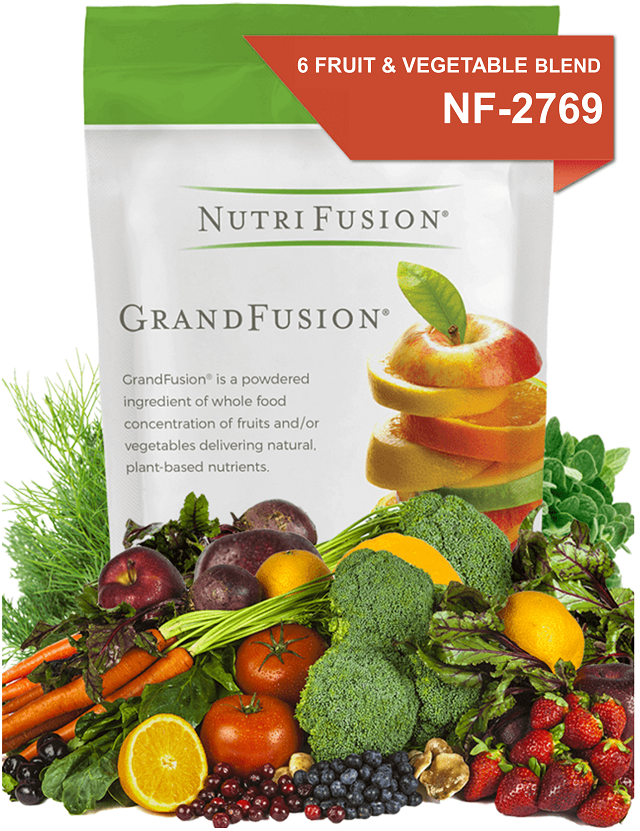
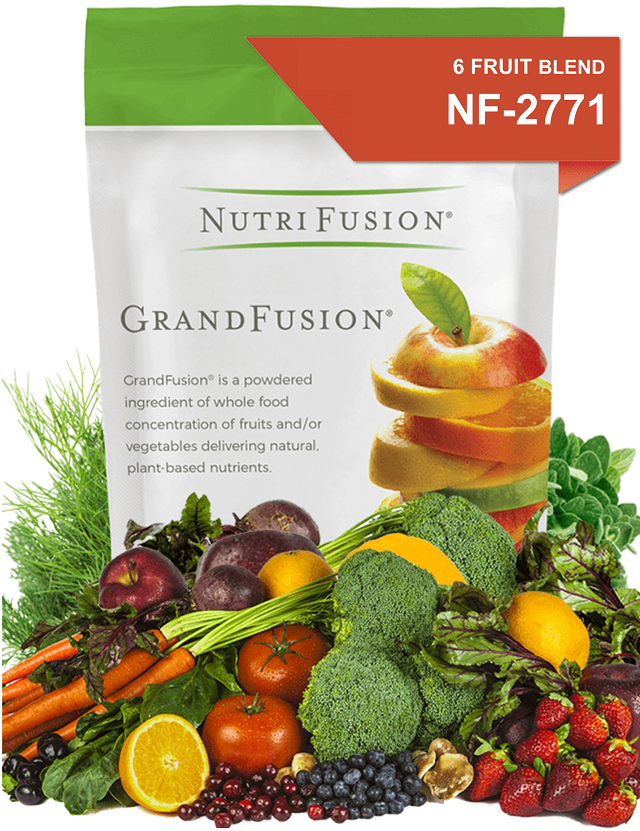
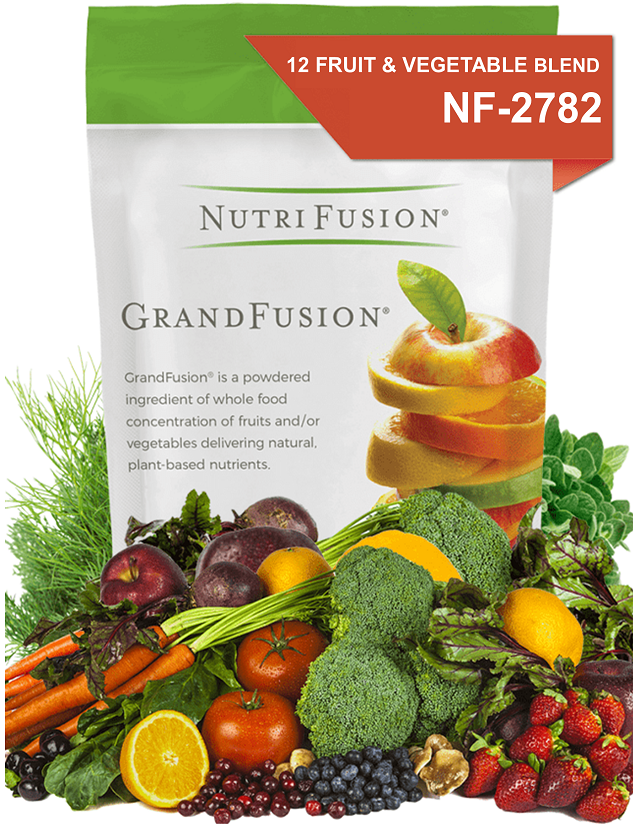
At NutriFusion, we support manufacturers by adding plant-based nutrition through whole fruit and vegetable powders with minimal sensory impact. GrandFusion is a powder blend of fruits and/or vegetables that can significantly increase the nutritional profile and marketability of food, beverage, and snack products. It uses a proprietary process, does not affect taste or functionality, and is 100% natural.
Whole-food sourcing helps brands stay synthetic-free while leveraging nutrient forms with strong bioavailability and bioabsorption. For teams with specific nutrient or application goals, we can work with R&D teams to develop a custom blend tailored to the format.
Build Sugar-Reduced Products That Still Win on Taste
Sugar reduction works best when you treat it as a system. Sweetness, texture, perception, and label strategy all matter. If you are reformulating sugar reduction, the fastest path forward is integration, not isolation. Optimize sweetness systems while strengthening structure and clean-label credibility.
If you want to explore how whole-food nutrition can support better-for-you renovation alongside sugar reduction, we invite you to explore our custom superfood powder blends. We can discuss how whole-fruit and vegetable powders may fit into products that aim to reduce sugar while maintaining a satisfying eating experience.
Explore NutriFusion’s Custom Superfood Powder Blends to support sugar reduction while maintaining taste and texture.
NutriFusion
NutriFusion develops all‐natural fruit and vegetable powders that are nutrient-dense, for when you do not have access to fresh produce, and even when you do, to improve your vitamin intake. Sourcing only whole, non-GMO foods, NutriFusion offers consumers a concentrated micronutrient and phytonutrient-rich food ingredient blend. With a farm-to-table philosophy, NutriFusion’s proprietary process stabilizes the nutrients from perishable fruits and vegetables, allowing a longer shelf life and access to vital nutrients.
NutriFusion fruit and/or vegetable powders are for use in foods, beverages, supplements, and pet foods. NutriFusion can help! Visit us at www.nutrifusion.com.
References
- Berry, Donna. 2021. “Condiment Innovation – Adding Less Sugar.” Food Business News. (https://www.foodbusinessnews.net/articles/17741-condiment-innovation-adding-less-sugar).
- Galam Ltd. 2021. “GOFOS™ – Fructo-oligosaccharides.” Galam. (https://www.galamgroup.com/fructo-oligosaccharide/).
- Hazen, Cindy. 2003. “Secrets of Masking Flavors.” SupplySide Supplement Journal. (https://www.supplysidesj.com/colors-flavors/secrets-of-masking-flavors).
- Tate & Lyle. n.d. “Sugar Reduction.” Tate & Lyle. (https://www.tateandlyle.com/trends/sugar-reduction).