
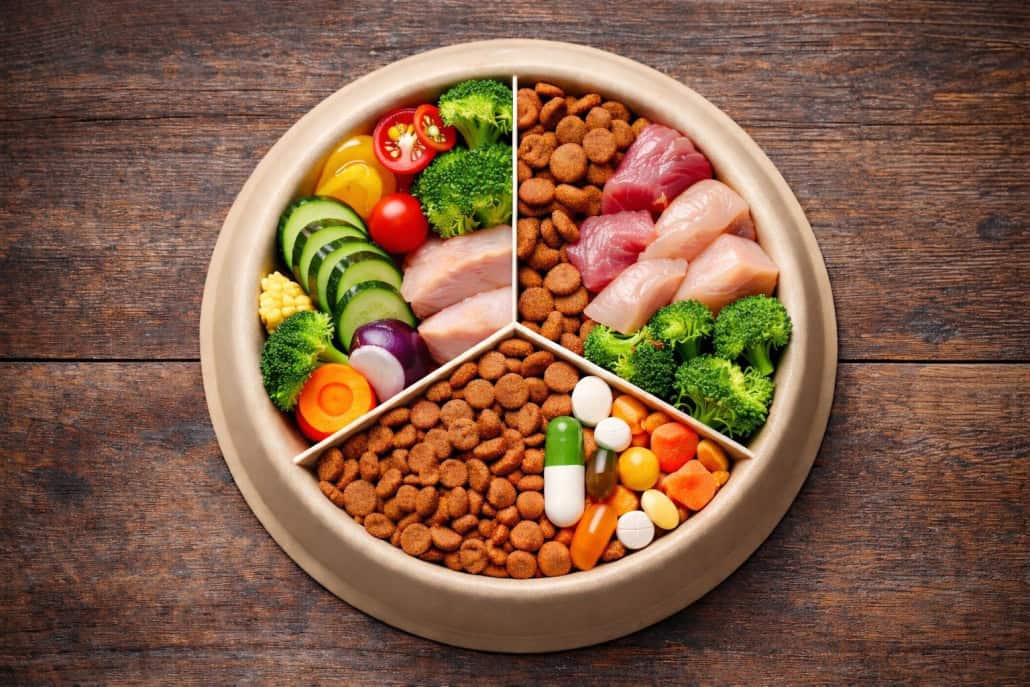
What to Look for in Supplements for Senior Dogs as They Age
Pet food manufacturers and formulators serving the senior dog segment are working in a market with real urgency behind it. Approximately 44% of pet dogs in the United States are classified as seniors, and that population is more prone to joint problems, cognitive decline, and nutritional gaps than younger animals. At the same time, high-heat processing destroys many of the vitamins and enzymes in commercial kibble, meaning older dogs often arrive at the bowl already behind on micronutrient intake. This deficit has fueled a massive surge in demand for supplements for senior dogs, as owners look beyond the bag to support aging vitality.
For brands developing or reformulating senior dog products, understanding which nutrients actually matter, and why ingredient quality shapes their effectiveness, is the starting point for building a credible product.
When Do Dogs Become Seniors, and What Changes?
Most veterinary nutritionists mark the senior threshold at around seven years of age, though breed and body size affect that timeline. Large breeds tend to age faster and may enter their senior years by age five or six, while smaller breeds often don't qualify until age eight or nine.
Once dogs cross into their senior years, several physiological shifts affect nutritional requirements:
- Metabolism slows, increasing the risk of obesity if caloric intake stays the same
- Lean body mass declines, raising the need for high-quality, digestible protein
- Digestive efficiency drops, meaning nutrients from food are absorbed less effectively
- Cognitive function changes, with the brain beginning to lose its ability to use glucose as efficiently as before, which can affect memory and awareness
- Immune function weakens, increasing reliance on dietary antioxidants and micronutrients
These aren't marketing considerations. They're biological realities that formulators need to account for when selecting ingredients for senior-focused products.
Key Nutrients to Prioritize in Senior Dog Formulations
Not every nutrient carries equal weight for aging dogs. The following are the categories with the strongest evidence base and the most commercial relevance for product development.

Joint Support: Glucosamine and Chondroitin
Joint deterioration is one of the most common and visible health concerns in senior dogs. Glucosamine and chondroitin help maintain cartilage integrity and support mobility in dogs experiencing stiffness or reduced range of motion. For manufacturers in the pet supplement space, joint support remains the most in-demand functional category for senior products, and ingredient quality here directly affects consumer retention.
Omega-3 Fatty Acids
Long-chain omega-3s, EPA and DHA, serve multiple functions in aging dogs. They can help reduce joint inflammation, support cardiovascular health, and play a role in cognitive function. Cornell University's veterinary nutrition team specifically highlights marine-sourced omega-3s for senior dogs, noting that increased inclusion in formulations requires careful attention to total fat balance to avoid weight gain.
Antioxidants and Micronutrients
Vitamins E, C, and A support immune function and help manage oxidative stress, which accumulates in aging tissue. Senior dogs benefit from consistent antioxidant supply, particularly as their bodies become less efficient at synthesizing or absorbing these nutrients from standard processed diets. The challenge for formulators is delivering these nutrients in a form that survives processing and remains bioavailable in the finished product.
Probiotics and Digestive Enzymes
Digestive function declines with age. Older dogs are more prone to gastrointestinal discomfort, reduced enzyme output, and imbalanced gut flora. Probiotic and prebiotic ingredients can support gut health and improve overall nutrient uptake, which matters especially when the primary diet is heavily processed.
Cognitive Support: MCT Oil and B Vitamins
Research from Purina indicates that starting around age seven, a dog's brain begins losing efficiency in using glucose as its primary energy source. Medium-chain triglyceride (MCT) oils provide an alternative fuel source for the brain and have shown measurable cognitive benefits in older dogs in multiple studies. B vitamins support neurological function and energy metabolism, making them a practical inclusion in senior blends.
Ingredient Quality is Where Senior Formulations Win or Lose
A senior dog product with the right nutrients on paper can still underperform if those nutrients aren't delivered in a form the animal can actually absorb. This is where synthetic vitamin systems, which are standard in most commercial pet fortification, create a credibility gap for brands trying to position in the premium or functional pet space.
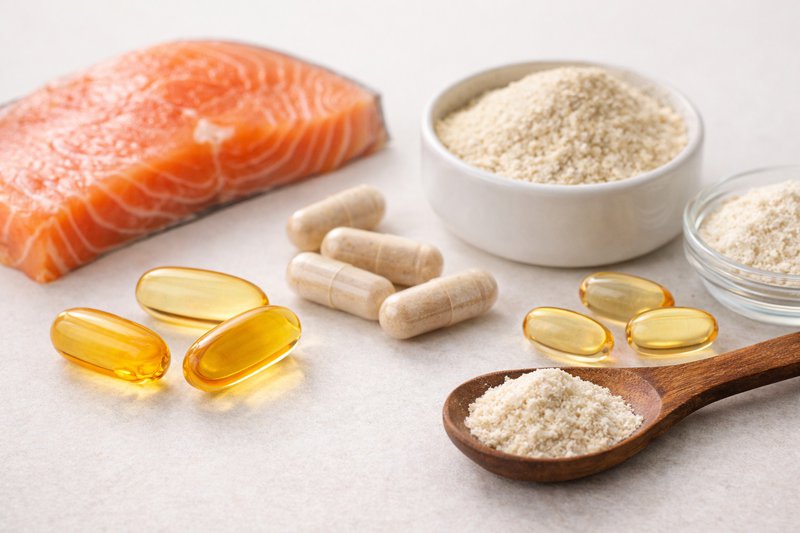
Bioavailability matters more in senior animals than at any other life stage. Aging dogs have reduced digestive efficiency, so the form of the nutrient, not just the presence of it on the label, directly affects what the animal actually receives. Whole-food-derived nutrients, by contrast, are structured in ways that support natural absorption pathways and are accompanied by cofactors that aid uptake.
Visit NutriFusion's pet nutrition page to review its line of fruit and vegetable blends designed specifically for pet applications.
What Formulators Should Ask Before Selecting a Supplement Ingredient
Before locking in an ingredient for a senior dog product, these are the practical questions worth answering:
- Does the nutrient survive your processing conditions? Stability through heat, pH, and shelf life is non-negotiable. Claim what the label declares, batch to batch.
- Is the nutrient form bioavailable in aging animals? Older dogs absorb nutrients less efficiently. A nutrient present in a product is not automatically a nutrient delivered.
- What does the ingredient statement look like on pack? Clean-label claims carry weight in the premium pet segment. Buyers and consumers are reading labels more carefully than they were a decade ago.
- Does the ingredient support multiple positioning angles? Senior dogs need support across joints, cognition, digestion, and immunity. A concentrated, multi-nutrient blend reduces SKU complexity while delivering broader functional coverage.
How NutriFusion Applies to Senior Pet Formulations
NutriFusion's GrandFusion pet blends are built for exactly this kind of formulation challenge. The ingredients are plant-based, bio-organic, bioavailable, and bioabsorbable, designed to deliver micronutrients in forms that aging animals can actually use, rather than synthetic isolates that may pass through with limited effect.
For pet food manufacturers and formulators working on senior-specific SKUs, NutriFusion's blends offer a clean-label alternative to standard synthetic fortification. The ingredient statement reads as fruits, vegetables, and mushrooms—not a list of isolated chemical compounds, which supports clean-label positioning and gives brands a stronger nutrition story to tell on pack and in marketing.
NutriFusion also holds Kosher, Halal, SQF, and cGMP certifications, and its products are formulated with AAFCO nutrient standards in mind for pet applications. Learn more about NutriFusion's certifications and quality framework here.
For formulators at earlier stages of development, NutriFusion's minimum order quantities start at one pound, which allows emerging brands to test and iterate without committing to large inventory positions upfront. That flexibility is particularly useful in the senior pet segment, where product development often involves multiple rounds of palatability and stability testing before a formula is ready to scale.
Build better senior dog products with nutrients that perform where it counts. Explore NutriFusion’s GrandFusion blends to deliver bioavailable, clean-label nutrition your formulas can stand behind: https://nutrifusion.com/
References
- US Weekly. 2023. "21 Best Senior Dog Supplements." Yahoo Lifestyle. https://www.yahoo.com/lifestyle/21-best-senior-dog-supplements-131346947.html
- Ruff Greens. 2026. "Best Supplements for Senior Dogs: A Complete Guide for 2026." Ruff Greens Blog. https://ruffgreens.com/blogs/news/best-supplements-senior-dogs
- American Kennel Club. 2024. "Nutrition and Supplements for Senior Dogs." AKC. https://www.akc.org/expert-advice/nutrition/nutrition-and-supplements-for-senior-dogs/
- Cornell University College of Veterinary Medicine. "Choosing Food for Your Senior Dog." Riney Canine Health Center. https://www.vet.cornell.edu/departments-centers-and-institutes/riney-canine-health-center/canine-health-topics/choosing-food-your-senior-dog