
Heart-Healthy Labels: What Works, What Doesn’t, and Why It Matters
You stand in a grocery aisle. Boxes flash red hearts, green ticks, and bold promises. At first glance, everything on the shelf looks heart-healthy, but you know it is not that simple. Truly heart-healthy foods matter, and smart fortification can help. Still, not every label deserves your trust.
We see this tension every day while working with manufacturers. So let us break it down. In this blog, we will examine what heart-healthy labels truly mean. What holds up under scrutiny and what quietly falls apart. We will then demonstrate how whole-food nutrition fits into the picture.
Why Shoppers Seek Heart-Healthy Foods
Heart health stays top of mind for shoppers and for good reason. Cardiovascular disease remains a global concern. People hear about blood pressure, cholesterol, and sodium, so they look for shortcuts.
Most consumers do not read every panel. They scan. They rely on front-of-pack cues to quickly decode cardiovascular nutrition.
Dietary guidance reinforces this behavior. These patterns consistently appear in heart-healthy diets. For brands, this creates pressure. Get the signal wrong, and trust slips. Get it right, and you earn shelf space and loyalty.
What Heart-Healthy Means on Food Labels
Here is where things get technical. But we will keep it plain. Three key layers are at work here:
- Nutrient Content Claims: Think “low saturated fat” or “good source of fiber.” Each has strict cutoffs. No wiggle room.
- Health Claims: These link a nutrient to a reduced risk of disease. They require authorization and precise wording.
- Symbols and Programs: The American Heart Association Heart-Check is one example. Retailers also run their own badge systems.
In the United States, heart-disease claims come with guardrails. Foods must deliver meaningful nutrition. They also must avoid excess saturated fat, sodium, cholesterol, and total fat. So heart-healthy is not a design flair. It is a regulated promise, and it deserves careful handling.
Heart Health Nutrition Claims and Boundaries
You can only make specific claims. For example:
- Diets low in saturated fat and cholesterol may reduce the risk of coronary heart disease.
- Soluble fiber from oats, barley, or psyllium may reduce the risk of heart disease when consumed in adequate amounts.
Qualified claims are allowed in some cases. Nuts, omega-3 fatty acids, and unsaturated fats can be mentioned cautiously. Words like “may help” or “is associated with” are essential. Avoid statements that guarantee risk reduction. Heart disease depends on many factors; diet is just one part.
If your brand sells globally, know that the European Union and other markets have their own authorized claims. Every label and formulation must comply with local regulations.
Heart Health Ingredients That Support Better Patterns
When we discuss heart health ingredients, we refer to patterns, not individual ingredients. Diets like DASH (Dietary Approaches to Stop Hypertension) and Mediterranean diet emphasize vegetables, fruits, whole grains, legumes, nuts, and healthy oils. Here’s what to lean on:
- Soluble Fiber: Oats, barley, psyllium. Think of it as a sponge for cholesterol. Supports LDL reduction when paired with a healthy diet.
- Omega-3 Fatty Acids: EPA/DHA from fish; ALA from walnuts, flax, chia. They help manage triglycerides and support claims where allowed.
- Unsaturated Fats: Olive, canola, nut oils. Replace them with saturated fats.
- Fruits and Vegetables: Deliver potassium, vitamins C and E, folate, and antioxidants. Core staples in any heart-healthy plan.
Next time you formulate a product, think in blocks. Focus on combinations that make a complete, heart-friendly pattern. Don’t rely on one “miracle nutrient.”
Food Fortification for Heart-Healthy Foods

Fortification can be a powerful tool, but only if used wisely. You can boost your nutrition by adding vitamins, minerals, fiber, plant sterols, or omega-3 fatty acids. Done right, fortification strengthens heart-healthy claims without changing taste. It works best when:
- Adding soluble fiber or whole-grain concentrates to cereals, breads, or snacks.
- Incorporating omega-3s or unsaturated oils in spreads, drinks, or ready meals.
- Using vitamin blends (B-complex, antioxidants) to support cardiovascular nutrition and regulatory baselines.
Where it fails: Fortifying highly processed foods just enough to qualify for a claim while still high in sodium, sugar, or saturated fat. That creates a misleading “health halo.” The smarter move is to use fortification to reinforce truly heart-friendly eating patterns. That means more plants, better fats, and nutrients that actually matter, not quick-fix, patchwork solutions.
Front-of-Pack Symbols vs the Cardiovascular Nutrition
Front-of-pack (FOP) icons can grab attention. But they don’t tell the whole story.
- AHA Heart-Check: Sets limits on saturated fat, trans fat, cholesterol, and sodium. Requires minimum levels of beneficial nutrients like vitamins A and C, iron, calcium, protein, or fiber.
- FDA “Healthy” Label: Now favors nutrient-dense foods. Fruits, vegetables, whole grains, nuts, seeds, and healthy oils are all considered healthy options. Highly sweetened cereals usually do not.
- Retailer Badges and Nutri-Score: Visual shortcuts are useful, but credibility depends on the complete nutrition profile.
FOP icons open doors, but the complete nutrition must back them up. Consumers are becoming more discerning; they can spot when claims do not match reality.
NutriFusion’s Point of View: Heart-Healthy Means Real Food, Not Just Claims
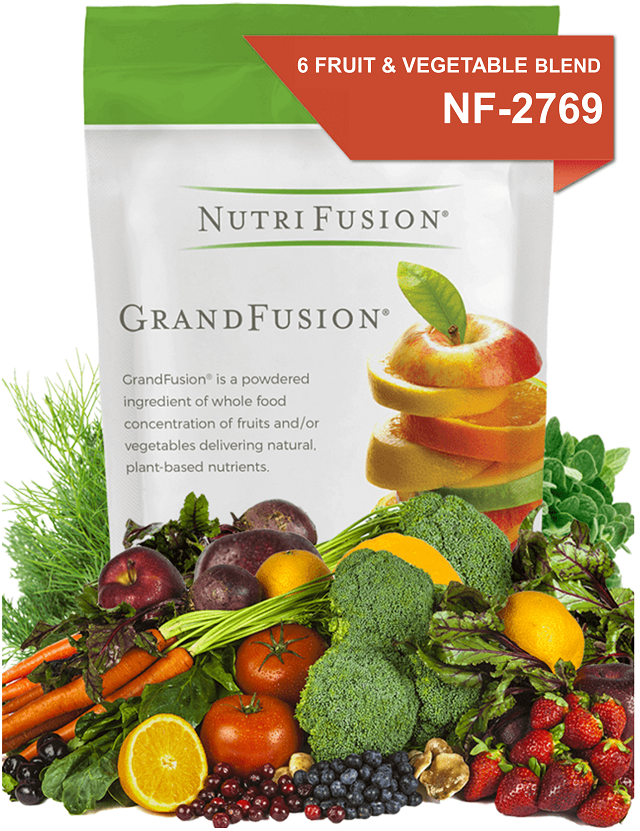
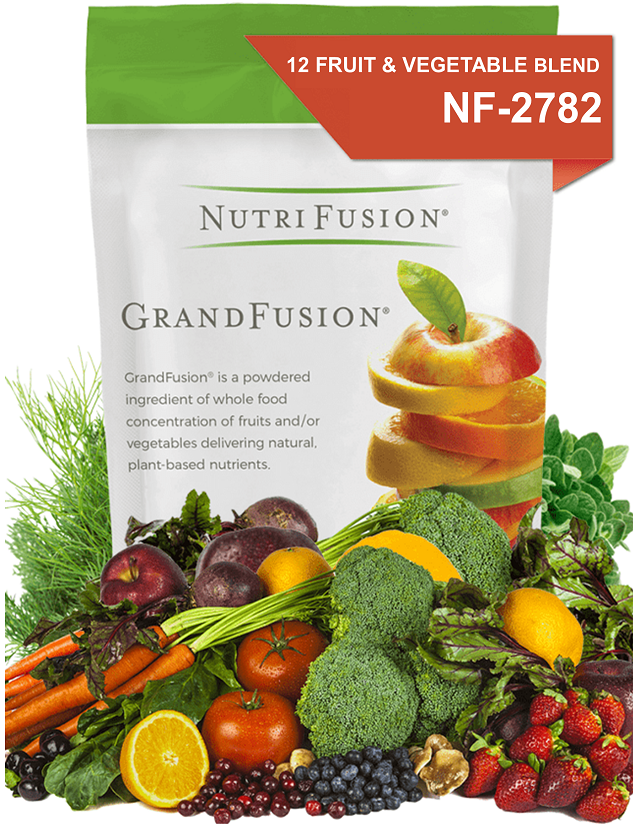
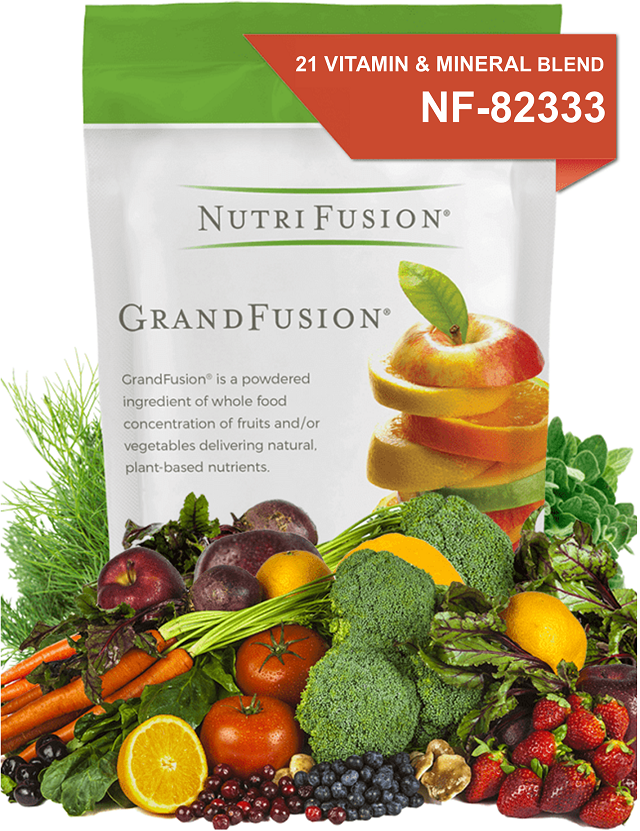
At NutriFusion, we see heart-healthy foods differently. You do not need marketing tricks to make a product credible. You need real, plant-based nutrients that support heart-smart patterns. That is where GrandFusion blends come in.
These fruit and vegetable powders are clean-label, non-GMO, and free from synthetics, additives, and preservatives. Each 450 mg serving can deliver 100% of the daily value for key vitamins. You can add them to snacks, beverages, cereals, or meals without affecting taste or texture.
GrandFusion can be used to add fruit- and vegetable-sourced nutrients to products formulated around plant-forward eating patterns. You can boost vitamins and antioxidants while keeping your ingredient deck simple. Heat-stable and easy to formulate, it works in baked goods, smoothies, and frozen foods.
We collaborate with R&D teams to ensure formulation, label claims, and clean-label goals are aligned. With GrandFusion®, brands can enhance the nutrient density of their products with plant-based ingredients while supporting clean-label goals.
Formulate Heart-Healthy Foods with Real Nutrients

Everyday Staples (Cereals, Breads, Snacks)
Use whole grains, such as oats or barley, and soluble fiber. Add GrandFusion for vitamin supplements for fruit and vegetables. Keep sodium and saturated fat low. Boost fiber and plant-based micronutrients.
Tip: Mix high-fiber flakes with seeds, dried fruit, and GrandFusion®. The taste stays natural while your label stays clean.
Beverages and Ready-to-Drink
Use plant oils where allowed. Keep sugar moderate. Blend in GrandFusion® powders. Use structure-function or nutrient content claims instead of risky disease claims.
Example: Smoothie with oats, almond oil, and GrandFusion®. Delivers fiber, vitamins, and antioxidants without taste issues.
Meals, Bowls, Frozen Options
Emphasize vegetables, whole grains, legumes, and healthy oils. Layer in GrandFusion® for vitamins and minerals. Stay under sodium and saturated fat thresholds.
Tip: Add GrandFusion into soups, stews, or frozen bowls to boost vitamins without complicating your formula. The nutrients remain stable through processing and storage. Your ingredient list stays short, and the flavor stays true to the food itself.
When you build for heart-health, the label should match what is inside. Fortification should support the pattern, not conceal it.
Build Trust in Heart-Healthy Food Labels
Heart-healthy labels only work when they match what is actually in the food: less saturated fat and sodium, more whole plant foods, and honest, clearly explained fortification. Brands that combine credible heart-health positioning with real-food nutrients earn consumer trust.
Regulations are tightening. Labels must match reality. NutriFusion® GrandFusion® blends help you boost nutrient density with plant-based vitamins and antioxidants. No synthetics. They support clean-label goals with simple ingredients.
Explore the NutriFusion® GrandFusion® Product Line and make heart-healthy labels credible.
NutriFusion
NutriFusion develops all‐natural fruit and vegetable powders that are nutrient-dense, for when you do not have access to fresh produce, and even when you do, to improve your vitamin intake. Sourcing only whole, non-GMO foods, NutriFusion offers consumers a concentrated micronutrient and phytonutrient-rich food ingredient blend. With a farm-to-table philosophy, NutriFusion’s proprietary process stabilizes the nutrients from perishable fruits and vegetables, allowing a longer shelf life and access to vital nutrients.
NutriFusion fruit and/or vegetable powders are for use in foods, beverages, supplements, and pet foods. NutriFusion can help! Visit us at www.nutrifusion.com.
References
- American Heart Association. 2024. “Check for the Heart-Check Mark Infographic.” American Heart Association. https://www.heart.org/en/healthy-living/healthy-eating/heart-check-foods/check-for-the-heart-check-mark-infographic
- Legal Information Institute, Cornell Law School. n.d. “21 CFR § 101.75 – Health Claims: Dietary Saturated Fat and Cholesterol and Risk of Coronary Heart Disease.” Legal Information Institute, Cornell Law School. https://www.law.cornell.edu/cfr/text/21/101.75
- U.S. Food and Drug Administration. 2024. “Authorized Health Claims That Meet the Significant Scientific Agreement (SSA) Standard.” U.S. Food and Drug Administration. https://www.fda.gov/food/nutrition-food-labeling-and-critical-foods/authorized-health-claims-meet-significant-scientific-agreement-ssa-standard
- U.S. Food and Drug Administration. 2024. “Health Claim Notification for the Substitution of Saturated Fat in the Diet with Unsaturated Fatty Acids and Reduced Risk of Heart Disease.” U.S. Food and Drug Administration. https://www.fda.gov/food/nutrition-food-labeling-and-critical-foods/health-claim-notification-substitution-saturated-fat-diet-unsaturated-fatty-acids-and-reduced-risk
- U.S. Food and Drug Administration. 2024. “Qualified Health Claims: Letters of Enforcement Discretion.” U.S. Food and Drug Administration. https://www.fda.gov/food/nutrition-food-labeling-and-critical-foods/qualified-health-claims-letters-enforcement-discretion
- U.S. Food and Drug Administration. 2025. “Use of the ‘Healthy’ Claim on Food Labeling.” U.S. Food and Drug Administration. https://www.fda.gov/food/nutrition-food-labeling-and-critical-foods/use-healthy-claim-food-labeling