Why Cranberry Is Everywhere: From Juice to Supplements, What This Trend Means for Brands

The modern cranberry moment is hard to miss. You see it in tangy snacks, “better-for-you” juice blends, and even daily supplement routines. Cranberry is no longer just a holiday staple. It is showing up year-round, giving brands a versatile way to excite customers. If you are in food, beverage, or supplements, understanding this trend can spark fresh ideas.

In this blog, we will start with what is driving cranberries’ popularity. Then, we will map out where innovation is clustering, dive into formulation and sugar realities, and explore claim-safe messaging.

What Growth Data Is Saying About Cranberry Products

The cranberry moment is not limited to one aisle. Market estimates vary by definition, but the direction is consistent across snacks, beverages, and supplements.

For example:

  • Grand View Research estimates the overall cranberry category will reach USD 3.06 billion by 2030, with about 4.7% annual growth from 2024.
  • The global dried cranberries market is projected to reach USD 1.98 billion by 2030, growing at about 4.9% per year.
  • Precedence Research estimates cranberry capsules at USD 1.25 billion in 2024, potentially reaching USD 2.94 billion by 2034, with an annual growth rate of about 8.94%.

Growth is broad-based. Snacks, beverages, and supplements all offer opportunities. For brands, this is no longer a single-season bet. It supports cranberry drinks, snacks, and supplements year-round.

Three Forces Pushing Cranberries Beyond Seasonal Use

Cranberries travel well across beverages, snacks, and supplements because the tart flavor feels modern, the wellness cue is familiar, and formats are easy to use.

Tart Flavor Feels Modern

Sharp, sour flavors are back in style, and cranberry is leading the charge. Ocean Spray has leaned into “swicy” (sweet-and-spicy) flavors in its Craisins, like Sour Blueberry Lemon and Chili Lime. If you are creating snacks, think bold. Sour cranberry with citrus, cranberry plus chili or lime, berry mashups, or a wake-up note in trail mix or yogurt toppers.

The lesson is simple: tart is craveable, energizing, and modern. Cranberry can carry that punch while staying approachable.

A Familiar Wellness Cue

Consumers already connect cranberries with wellness routines. That halo can help adoption, but it also requires discipline. Stay with claim-safe language and avoid implying that cranberry treats or prevents any condition. For supplements in particular, regulatory authorities should review wording choices.

Practical, compliant framing tends to work best, such as antioxidant-rich fruit, naturally occurring phytonutrients, and nutrition from real-food sources. If urinary tract health comes up, keep it non-medical and qualified.

Convenient Formats Keep Cranberry in Daily Rotation

Cranberry now fits daily routines because its formats do. Ready-to-drink beverages, snack packs, powdered sticks, gummies, and capsules give consumers different entry points without changing the core flavor story.

For product teams, it comes down to a balance of tart flavor, thoughtful sweetness, and compliant claims. When those pieces line up, cranberry products compete well beyond the seasonal aisle.

Where Cranberry Innovation Is Clustering by Format
Bowl of dried cranberries for NutriFusion blend on a rustic board with star anise and dried orange slices.

Cranberries are showing up everywhere, and not just in juice. Drinks are a big playground, from sparkling waters to smoothie blends and ready-to-drink mixes. Cranberry anchors bold flavors while keeping labels approachable.

Snacks are thriving, too. Dried cranberries are showing up as mix-ins, stand-alone bites, or in flavored fruit packs. Consumers love the chewy tang that pairs with nuts, yogurt, or chocolate. Even simple trail mixes get a flavor boost. At the same time, supplements are gaining speed. Capsules, gummies, and powdered sticks are letting people add cranberries to their daily routines.

Hybrid concepts are emerging, too. Some gummies combine snacks and supplements. Drink mix sticks are adding nutrients without changing the routine. Cranberry’s flexibility makes it a star across formats, giving you plenty of room to experiment.

Cranberry Juice and Product Formulation Watchouts

Cranberries are intense. That tangy bite can delight customers, or catch them off guard if the formula is not tuned.

  • Sweetness strategy matters in beverages. Many products soften cranberries with other fruit, a natural sweetener system, or a modest amount of sugar. Each choice changes label positioning and the flavor curve.
  • Color can shift during processing and shelf life. Bright red can fade, darken, or drift depending on process, packaging, and storage conditions. Test for color stability early.
  • In supplements, processing and storage can alter sensitive compounds, potentially affecting how customers perceive quality. Choose processes and packaging with stability in mind.

Results improve when taste matches purpose. Tart snacks should zing. Daily wellness drinks and supplements should feel smooth and repeatable.

Cranberry Claims and Messaging Without Overpromising

Cranberry has a natural reputation that people recognize. Many associate it with urinary tract health, but the research is mixed. You cannot say it “treats” or “prevents” anything. Avoid language that implies treatment, prevention, or guaranteed outcomes.

Run all claims by your regulatory team. Especially for supplements, small wording tweaks make a big difference in compliance and customer trust. Treat your messaging like a practical conversation with the customer. Keep it simple and confident. Use everyday language and avoid exaggeration. When your product feels honest and relatable, your customers notice, and they come back.

Let Cranberry Lead, Then Strengthen the Nutrition Story

Before you touch a formula, think about cranberries’ role. Is it the flavor star in a snack, the bold tang in a beverage, or the daily wellness cue in a supplement? Knowing this first makes all your choices easier.

Once that role is clear, layer in nutrition without changing the taste. NutriFusion blends add plant-based nutrients that mix easily, stay stable during processing, and do not overpower flavor. You can boost your product’s nutritional profile while letting cranberry shine.

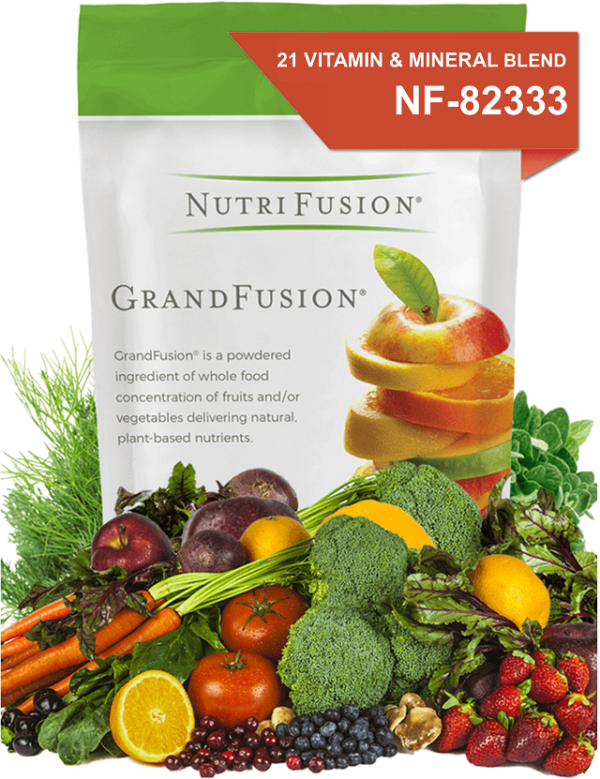
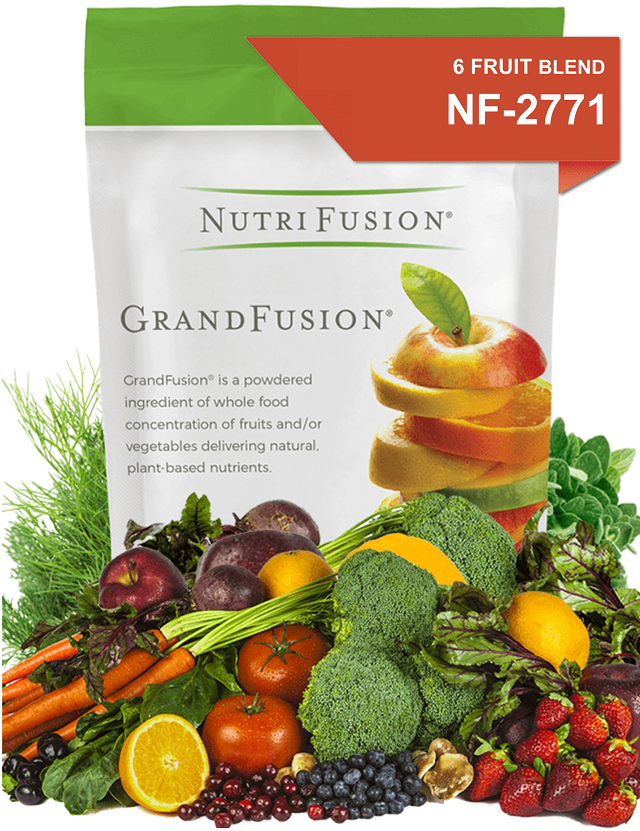
For example, our GrandFusion® 21 Vitamin & Mineral Blend (NF-82333) includes cranberry and other whole-food nutrients. It can support clean-label positioning and added plant-based nutrients while aiming to maintain consistent taste in finished products.

Clean-label in practice means simple ingredients, no synthetics, and plant-based nutrients from whole-food sources. Nutrition meets flavor, without compromise.
Turn Cranberry Demand Into Stronger Product Lines

Hand holding a cranberry drink with foam on top on a wooden table.

Cranberries are everywhere for a reason. They grab attention, add bold flavor, and carry a story, but the real win comes when you pair that flavor with clean, functional nutrition. That is where NutriFusion® steps in.

Our GrandFusion® blends, such as NF-82333, include cranberry and other whole-food nutrients. They mix easily, remain stable during production, and retain their taste. Need a specific nutrient target or unique format? Our R&D team can help you craft a custom premix that fits your vision. Let cranberry do the talking. Let NutriFusion® make it count.

Explore GrandFusion® 21 Vitamin & Mineral Blend (NF-82333) that fits your next cranberry product.


NutriFusion

NutriFusion develops all‐natural fruit and vegetable powders that are nutrient-dense, for when you do not have access to fresh produce, and even when you do, to improve your vitamin intake. Sourcing only whole, non-GMO foods, NutriFusion offers consumers a concentrated micronutrient and phytonutrient-rich food ingredient blend. With a farm-to-table philosophy, NutriFusion’s proprietary process stabilizes the nutrients from perishable fruits and vegetables, allowing a longer shelf life and access to vital nutrients.

NutriFusion fruit and/or vegetable powders are for use in foods, beverages, supplements, and pet foods. NutriFusion can help! Visit us at www.nutrifusion.com.


References

  1. Grand View Research. 2024. “Cranberries Market To Reach $3.06Bn By 2030 | CAGR 4.7%.” Grand View Research. (https://www.grandviewresearch.com/press-release/global-cranberries-market)
  2. Precedence Research. 2025. “Cranberry Capsules Market Size 2025 to 2034.” Precedence Research. (https://www.precedenceresearch.com/cranberry-capsules-market)
Electrolyte Drinks Are Exploding: The Growth Story Every Brand Should Know

Remember when the hydration aisle was dominated by a handful of sports drinks? Today, electrolyte drinks are showing up in coffee shops, offices, and your morning routine. They are no longer just a “recovery tool” for athletes.

They are becoming a daily habit. This shift matters for product teams. As people reach for electrolyte drinks more often, the formulas, packaging, and messaging have to evolve with them.

In this blog, we will break down the growth of electrolyte drinks, why consumers are reaching beyond sports, what electrolytes really do, common misconceptions about sodium, and the formulation levers that help your product win.

Electrolyte Drinks Market Growth by the Numbers

Market estimates vary because analysts define the category differently. Some include ready-to-drink sports beverages, others include powder sticks and adjacent functional hydration products. Even with those differences, most reports point to strong growth.

One estimate places the electrolyte drinks market at $36.8 billion in 2024 and projects it to reach $69.1 billion by 2032, for a 8.2% CAGR. The broader sports drink market is also forecast to grow from $34.1 billion in 2025 to $60 billion by 2035.

The opportunity in the electrolyte drinks market is larger than it used to be, and so is the competition. In this environment, products win when they feel useful in everyday life, not just in training culture.

Why Electrolyte Drinks Broke Out of the Sports

Powdered hydration mixes moved from niche to mainstream because they fit routines. They are portable, easy to trial, and simple to use. For brands, they also fit direct-to-consumer models and sampling strategies.

Wellness messaging widened the audience. Hydration is now framed as part of feeling good through the day, not just performance recovery. Clean-label expectations and “less sweet” preferences have pushed formulation and flavor decisions toward restraint.

At NutriFusion, we see clean-label powders with minimal sensory impact and strong water dispersibility as a good fit for where electrolyte drinks are headed. Real-food nutrition can be considered an added layer to everyday hydration products, depending on the formula’s goals.

Everyday Occasions Are Driving Repeat Use

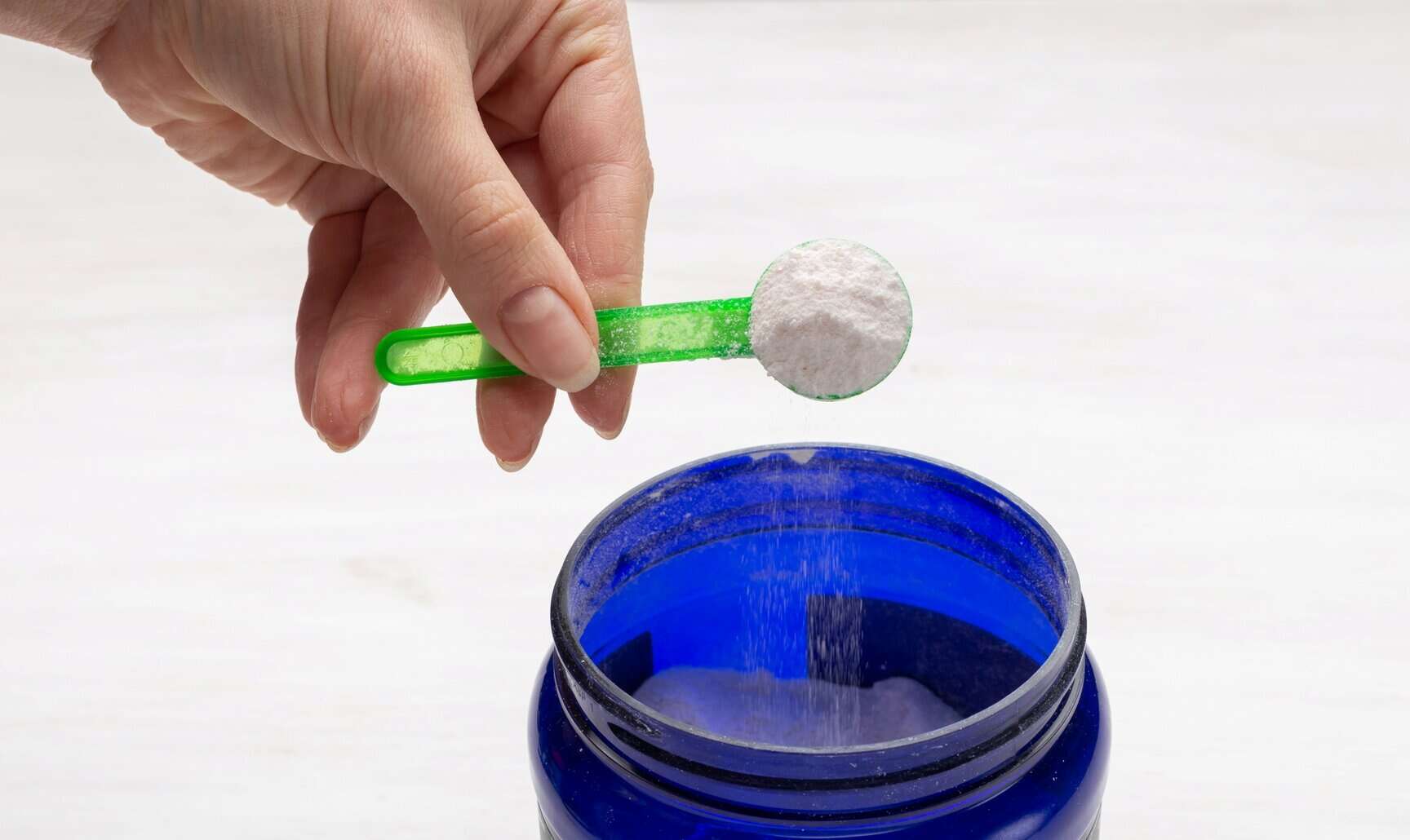
Spoonful of powdered electrolyte supplement infused with NutriFusion blend being added to a container.

Electrolyte drinks are no longer reserved for workouts or post-run recovery. Instead, they show up in everyday moments when people simply want to stay hydrated and feel normal throughout the day. Morning water routines, long hours at a desk, or that realization in the afternoon that you have barely had anything to drink are all driving repeat use.

Heat exposure adds another layer. Outdoor workers, commuters, and people moving through hot climates often seek hydration support as sweating increases. Travel plays a similar role, since flights, festivals, long walking days, and salty meals disrupt routines. In those moments, portable powder sticks fit naturally.

Some consumers also associate electrolyte drinks with illness-related dehydration. That makes careful positioning important, so products feel supportive without drifting into medical territory.

What Electrolytes Do in Hydration Drinks

Electrolytes are minerals that carry an electrical charge. In hydration products, the practical role is supporting fluid balance and normal muscle and nerve function. Sodium and potassium are the most visible, but magnesium and calcium may show up depending on the positioning. Among all the electrolytes, sodium is the one that raises the most questions and creates the biggest gap between what people assume and what their bodies actually need.

Sodium: Build Tiers Instead of One-Size-Fits-All

Sodium is where claims and consumer perceptions often diverge. A common assumption is that more sodium automatically means better hydration. In reality, many adults already consume more sodium than the recommended amount.

WHO recommends under 2,000 mg per day. U.S. guidance is commonly framed as less than 2,300 mg per day, and the American Heart Association lists 1,500 mg as an ideal target for most adults. Average intake is often cited at around 3,400 mg.

That does not mean high-sodium products are bad. LMNT packs 1,000 mg per stick for heavy sweat or intense activity, while Celsius Hydration has just 210 mg per serving for everyday use. Brands do better when they build tiers, everyday, active, heavy-sweat, clarify “when to use,” and align sodium levels to the specific audience. It keeps messaging honest and practical.

Clear sodium tiers help brands match real-world hydration needs while keeping everyday use and consumer trust intact.

Formats Winning Now: Sticks, RTD, and What Drives Habit

Electrolyte formats are evolving just as quickly as demand, reshaping how and where people choose to hydrate.

  • Powder sticks are booming because they travel well and are easy to try without commitment. For brands, they also fit neatly into subscription boxes, direct-to-consumer programs, or sampling campaigns. That repeatable, low-friction format is a big reason people buy them again.
  • Ready-to-drink options are perfect for convenience-store shopping or when someone just wants hydration right now. Meanwhile, tablets and liquid drops sit in a smaller lane, but they come with fans, especially for travelers or those who want a precise, lightweight option.

The powdered stick category has grown so large that Liquid I.V. has become a top brand in the U.S. It shows that mixes are not just convenient; they can help people make hydration a daily habit.

Formulation Details That Decide Repeat Purchase

Formulation is where electrolyte products succeed or quietly fail. Taste is usually the first hurdle. Sodium chloride delivers a familiar salt note, but potassium salts can introduce bitterness, which is why many formulas need careful taste masking and balance.

Moisture management becomes the next challenge. Mineral salts can attract water, leading to clumping if packaging and moisture control are not handled well. These issues often show up in distribution, not in early bench samples.

Solubility also matters. Consumers expect fast dissolving and no grit, especially with powder sticks. When brands move toward zero-sugar or lower-sugar positioning, saltiness becomes more noticeable, making flavor engineering critical for repeat use.

Make Electrolytes About Function, Not Just Flavor

Electrolyte products are everywhere now, which means standing out is no longer about saying more. It is about making sense. Brands that feel believable usually do a few things well. Brands that feel credible keep labels short, avoid overpromising, and give people a reason to use the product more than once.

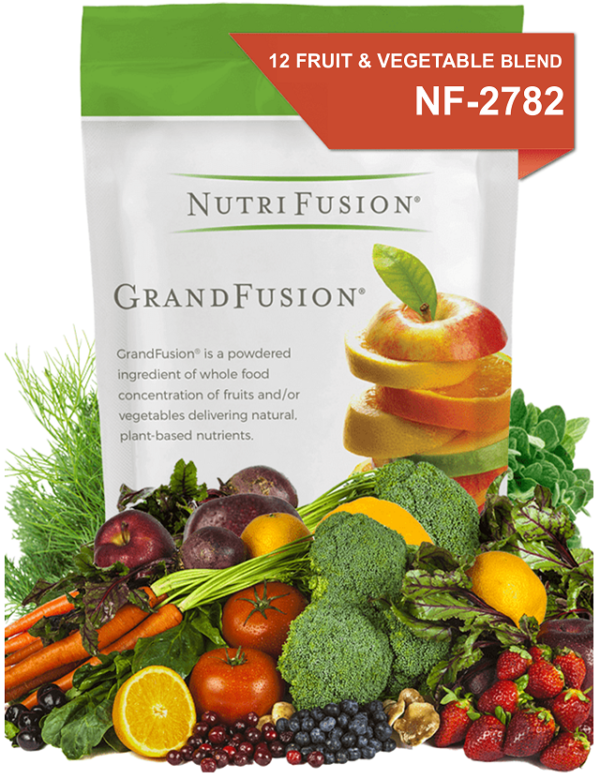
That is where NutriFusion comes into the conversation. Instead of adding another layer of intensity, our focus stays on plant-based nutrition from fruits and vegetables, and ingredients people already recognize. The benefit for brands is subtle but important. You can add a nutrition story without changing how the drink tastes or behaves.

When teams are balancing format limits, flavor profiles, or nutrient goals, custom superfood powder blends can support the formulation without adding friction.

Build Your Next Electrolyte Drink With NutriFusion

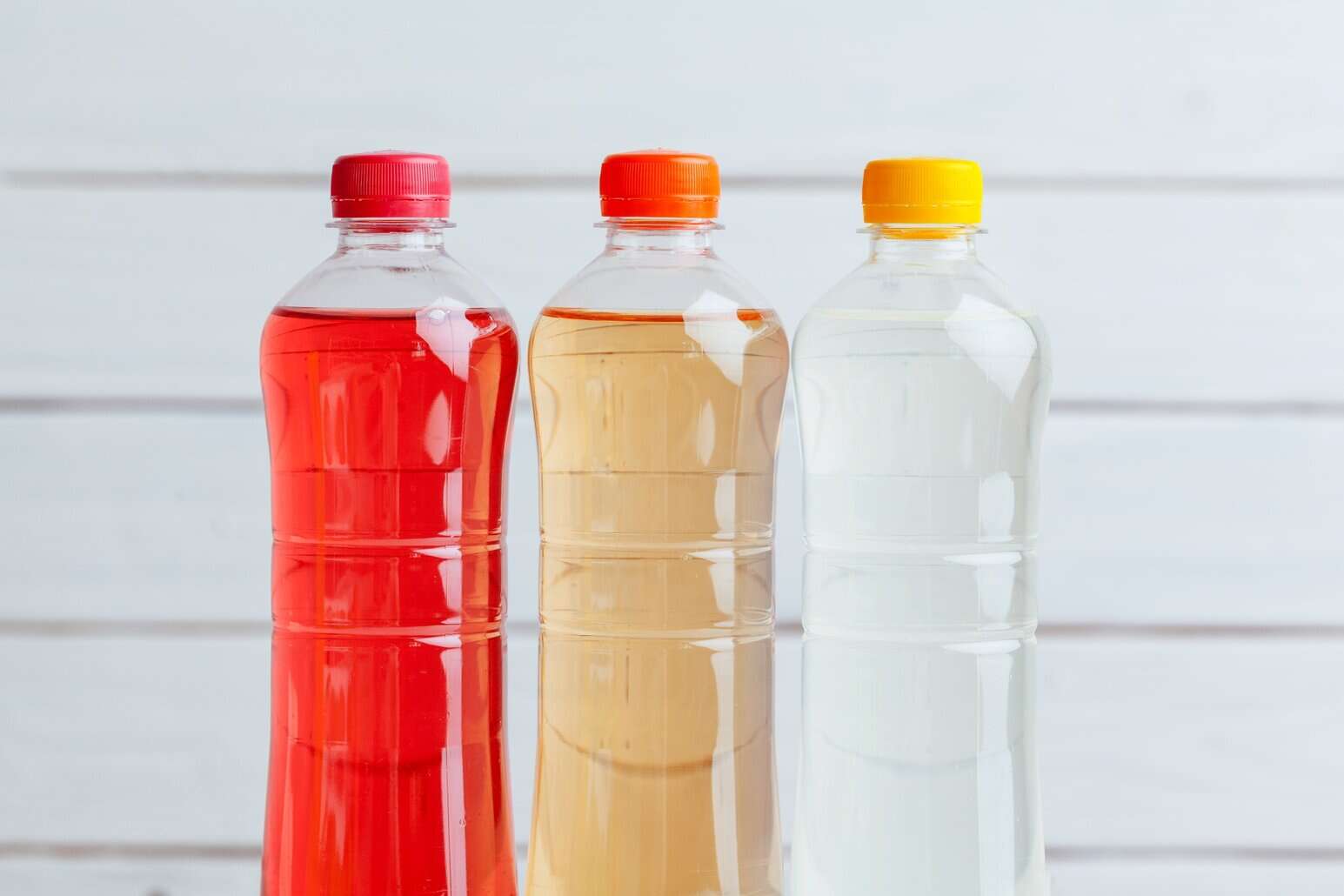
Three bottles of colored electrolyte drinks infused with NutriFusion GrandFusion’s custom blend.

If you are working on an electrolyte drink or powder right now, the shift in this category is hard to ignore. Hydration is no longer just about performance. It is showing up as a daily habit, shaped by clean labels, familiar ingredients, and a taste people actually want to repeat.

Many innovation teams are pairing hydration benefits with nutrition stories consumers already understand. That combination helps products feel useful without feeling extreme. NutriFusion supports this approach through custom superfood powder blends designed to work smoothly in beverage applications. If you are exploring ways to strengthen your hydration concept while keeping formulation simple, this is a practical place to start.

Explore NutriFusion’s Custom Superfood Powder Blends to bring clean-label nutrition into electrolyte drinks without complicating taste or solubility.


NutriFusion

NutriFusion develops all‐natural fruit and vegetable powders that are nutrient-dense, for when you do not have access to fresh produce, and even when you do, to improve your vitamin intake. Sourcing only whole, non-GMO foods, NutriFusion offers consumers a concentrated micronutrient and phytonutrient-rich food ingredient blend. With a farm-to-table philosophy, NutriFusion’s proprietary process stabilizes the nutrients from perishable fruits and vegetables, allowing a longer shelf life and access to vital nutrients.

NutriFusion fruit and/or vegetable powders are for use in foods, beverages, supplements, and pet foods. NutriFusion can help! Visit us at www.nutrifusion.com.


References

  1. American Heart Association. 2025. “How Much Sodium Should I Eat Per Day?” American Heart Association. https://www.heart.org/en/healthy-living/healthy-eating/eat-smart/sodium/how-much-sodium-should-i-eat-per-day
  2. Arthur, Rachel. 2025. “Powdered Hydration Sticks Make Big Push into Mainstream Market.” BeverageDaily.com. https://www.beveragedaily.com/Article/2025/07/02/powdered-hydration-drinks-continue-to-grow/
  3. Global Market Insights. 2025. “Electrolyte Drink Market Size – Forecast, 2025-2034.” Global Market Insights. https://www.gminsights.com/industry-analysis/electrolyte-drinks-market
  4. Business Insights. 2026. “Electrolyte Drinks Market Size, Share and Industry Analysis.” Fortune Business Insights. https://www.fortunebusinessinsights.com/electrolyte-drinks-market-113794
  5. Unilever. 2024. “Liquid I.V. Powers Growth with Partnerships, Innovation and Global Expansion.” Unilever. https://www.unilever.com/news/news-search/2024/liquid-iv-powers-growth-with-partnerships-innovation-and-global-expansion/
  6. U.S. Food and Drug Administration. 2024. “Sodium in Your Diet.” FDA. https://www.fda.gov/food/nutrition-education-resources-materials/sodium-your-diet
  7. World Health Organization. 2025. “Sodium Reduction.” WHO. https://www.who.int/news-room/fact-sheets/detail/sodium-reduction

The Best Supplements for Anxiety How to Reduce Symptoms Naturally

The Potential Benefit of Monitoring Oxidative Stress and Inflammation