Should You Make Protein Powder or Ready-to-Drink? Here’s What the Data Says

Protein launches rarely miss because demand is weak. More often, the format choice creates friction. You can have the right formula, the right positioning, and the right audience, yet still struggle if you choose the wrong delivery format.

Protein powder and ready-to-drink protein play very different roles in how consumers buy, store, and use products. That choice affects cost structure, shelf placement, repeat purchasing behavior, and long-term margins.

We have seen brands rush into ready-to-drink products because they look exciting. We have also seen brands underestimate powder because it feels familiar. Both moves can be costly. In this blog, we will break this down using market data, buyer behavior, formulation realities, and manufacturing constraints.

How Consumers Choose: Control Versus Convenience

Here is how consumers actually sort protein formats when they are choosing what to use every day:

  • Ready-to-drink protein is about convenience. You grab it, open it, and drink it. The texture is consistent, with no shaker and no prep.
  • Protein powder is about control. You choose the dose, mix it your way, store it easily, and usually pay less per serving.

One comparison estimated the powder at about USD 1.36 per serving, versus roughly USD 2.10 for ready-to-drink, largely due to packaging and convenience costs. That gap matters for brands. Even if ready-to-drink sells faster per location, powder often wins on repeat economics. That is especially true for subscriptions, bundles, and multi-serve households.

Where Protein Powder Wins for Brands

Protein powder is the better fit when flexibility and iteration matter. Grand View Research projects the protein supplements market will grow at a roughly 10.3% CAGR through 2033, with protein powder accounting for about 48.8% of revenue in 2024.

That split also reflects operational reality. Powder allows more flavor innovation each year without retooling packaging lines. Seasonal drops, limited runs, and collaborations are easier to test. You can extend a line into whey protein isolate, whey protein concentrate, vegan protein powder, or blended systems with less operational friction.

Shipping also favors powder. You are moving dry weight, so there is no liquid, less volume per gram of protein, and fewer freight surprises.

Powder also fits habit-based models. A tub with thirty servings supports routine. That works well for e-commerce, subscriptions, and direct-to-consumer strategies. 

Powder comes with its own risks. Mixability drives satisfaction. Clumping, chalk, and aftertaste issues can erase the benefit of good macros. Packaging barriers also matter because hygroscopic ingredients can contribute to caking.

Where Ready-to-Drink Protein Wins for Brands

Ready-to-drink protein works best when immediacy drives the purchase. It performs in coolers, convenience stores, gyms, offices, and other settings where the buyer wants a finished option right now. A single bottle also signals completeness, which can support meal-replacement positioning.

That convenience comes with more variables, and they need to be set early. Shelf-life targets, fill-finish partners, packaging availability, heat-processing choices, and distribution plans all shape the final outcome. These are manageable decisions, but they are expensive to correct after the first run.

The numbers reflect that demand. In the beverage lane, ready-to-drink protein drinks are projected to grow from about USD 1.96 billion in 2025 to around USD 3.06 billion by 2031, at a roughly 7.7% CAGR.

RTD Protein Drinks Stability Reality Check

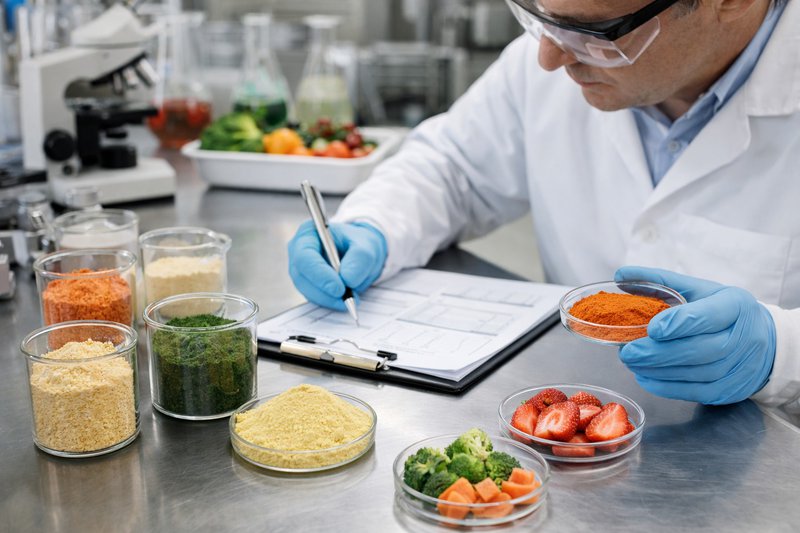
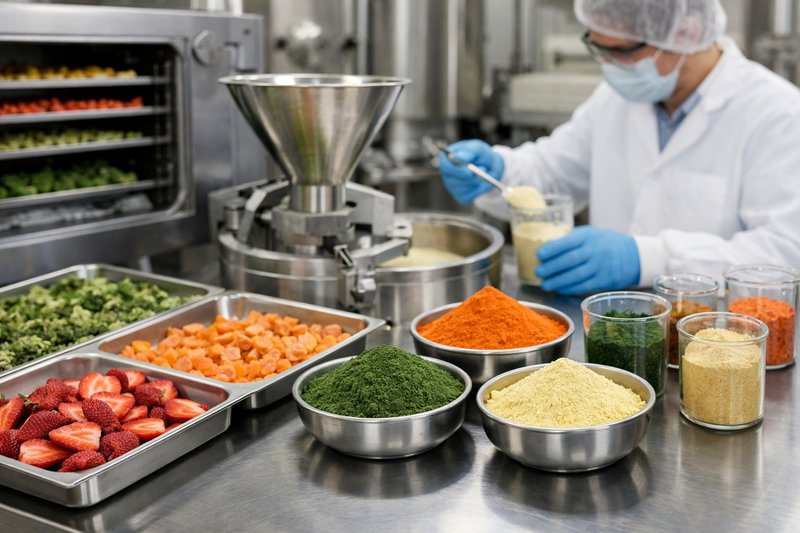
Food factory worker operating industrial processing equipment at NutriFusion Faculty.

Ready-to-drink looks simple on the shelf. In production, high-protein beverages behave like sensitive systems, especially at higher protein loads. Common failure modes tend to show up over time, not on day one:

  • Sedimentation can cause protein particles or cocoa to settle.
  • Gelation can slowly thicken the drink weeks after filling.
  • Separation creates visible layers that erode trust.
  • Heat processing can also introduce off-flavors, especially “cooked” notes from ultra-high temperature treatment.

Research indicates that ultra-high-temperature processing can increase risks of fouling, sedimentation, and gelation in high-protein beverages, and that stabilizer systems play a meaningful role. In chocolate RTD protein beverages, carefully controlled kappa-carrageenan levels have been shown to improve run-time stability and reduce settling. This is less about a single ingredient and more about system design.

RTD Packaging Trends That Change the Economics

Packaging choices can move margins as much as formula. Mordor Intelligence reports bottles held about 46.25% of RTD protein drink packaging share in 2025, while cartons and pouches are forecast to grow at roughly 7.75% CAGR through 2030.

Those shifts affect freight efficiency, shelf placement between ambient and chilled sets, and how consumers interpret the product. Cartons can signal “cleaner” or more functional compared to bottles. Packaging is doing more than just holding the product. It signals positioning.

Decision Checklist That Matches Format to Channel

Start with the channel and operational reality, then let format follow. Here is how that decision actually shows up once you start selling into real channels:

  • If your primary channel is e-commerce or direct-to-consumer, powder often fits better because shipping is simpler and subscription behavior is easier to build.
  • If your primary channel is convenience, gyms, or offices, RTD often fits better because immediate use is the value.
  • If you want the lowest operational complexity, start with powder. If you can invest in processing and packaging, RTD becomes viable.

For that reason, many brands validate demand with powder first. Once repeat behavior is proven, they scale into ready-to-drink.

How to Choose Quality Protein Inputs

Protein quality still comes down to the basics. Protein powder concentrate usually has more fat and lactose, while protein powder isolate is typically richer in protein and lower in lactose. That affects taste, perception of digestibility, and formulation behavior.

You should always ask suppliers for spec sheets, allergen statements, microbiological targets, and solubility performance data. Those documents save time later.

For vegan protein powder, blends are common for a reason. Single-source plant proteins often struggle with taste, texture, or amino acid balance. Blends help smooth those edges. One ongoing concern is the scrutiny of heavy metals.

Consumer Reports flagged lead and other heavy metal findings across a range of protein powders and ready-to-drink shakes. That coverage reinforces why quality assurance, transparency, and supplier vetting matter for trust.

Differentiate Your Protein Format With Real Nutrition

Flat lay of fresh vegetables, herbs, lemon, spices, and kitchen tools arranged for preparing NutriFusion blend.

Most protein launches compete on the same metrics: protein grams, calories, and sweeteners. A stronger differentiator is nutrient density that stays clean-label and does not disrupt taste or texture.

NutriFusion provides fruit- and vegetable-derived micronutrient blends designed to increase nutritional profile without affecting functionality. GrandFusion blends are 100% natural, non-GMO, highly concentrated, and are built from whole foods. It is easy to formulate and robust through processing.

For protein powder, this supports “more than macros” positioning. For ready-to-drink products, it enables functional differentiation while remaining mindful of stability.

Build a Protein Launch Plan From the Data

Choosing between protein powder and ready-to-drink protein is not about trends. It is about alignment. When you start with channel strategy, stability targets, plus nutrition differentiation, format decisions get clearer. We help manufacturers evaluate GrandFusion® blend options and develop custom premixes for powder and beverage applications.

If you are mapping your next protein launch, we invite you to explore NutriFusion® products or start a custom blend conversation. We are here to help you explore blend options and discuss custom premix needs for your product.

Explore Custom Superfood Powder Blends to differentiate protein powders and ready-to-drink protein products without compromising taste or stability.


NutriFusion

NutriFusion develops all‐natural fruit and vegetable powders that are nutrient-dense, for when you do not have access to fresh produce, and even when you do, to improve your vitamin intake. Sourcing only whole, non-GMO foods, NutriFusion offers consumers a concentrated micronutrient and phytonutrient-rich food ingredient blend. With a farm-to-table philosophy, NutriFusion’s proprietary process stabilizes the nutrients from perishable fruits and vegetables, allowing a longer shelf life and access to vital nutrients.

NutriFusion fruit and/or vegetable powders are for use in foods, beverages, supplements, and pet foods. NutriFusion can help! Visit us at www.nutrifusion.com.


References

  1. Breitowich, Andi. 2025. “Your Daily Protein Shake Might Be Exposing You to Lead, Consumer Reports Finds.” Food & Wine. (https://www.foodandwine.com/protein-powder-heavy-metals-contamination-consumer-reports-investigation-11828759)
  2. de Souza, Alisson Borges, Ana Augusta Odorissi Xavier, Rodrigo Stephani and Guilherme M. Tavares. 2024. “Prior denaturation and aggregation of whey proteins: Is this a useful strategy for increasing the content of these proteins in UHT high-protein dairy beverages?” Food and Bioproducts Processing. (https://www.sciencedirect.com/science/article/abs/pii/S0960308523001554)
  3. Grand View Research. 2026. “Protein Supplements Market (2026–2033) Size, Share & Trends Analysis Report By Product (Protein Powders, Protein Bars), By Distribution Channel (Supermarkets, Online, DTC), By Application (Sports Nutrition, Functional Foods), By Source, By Region, And Segment Forecasts.” Grand View Research. (https://www.grandviewresearch.com/industry-analysis/protein-supplements-market)
  4. Mordor Intelligence. 2026. “Ready-to-Drink Protein Beverages Market Size & Share Analysis – Growth Trends and Forecast (2026 – 2031).” Mordor Intelligence. (https://www.mordorintelligence.com/industry-reports/ready-to-drink-protein-beverages-market)
  5. Singh, Jaspal, Sangeeta Prakash, Bhesh Bhandari, and Nidhi Bansal. 2020. “Ultra-high temperature (UHT) stability of chocolate-flavored high-protein beverages.” Journal of Food Science. (https://pubmed.ncbi.nlm.nih.gov/32856323/)

Natural Ways to Keep Food Fresh Longer (Without Artificial Preservatives)

You are in a product meeting when a familiar question comes up: “If this says no preservatives, how does it stay fresh for months?”

It sounds simple, but you know it is not. Shelf-life charts, retailer clean-label rules, and formulation tradeoffs all sit behind that one line on pack. Natural food preservatives are now expected, yet shelf life extension still protects quality, safety, and margins.

In this blog, we will explore how foods naturally spoil, what natural preservation truly means, which tools are effective in real-world formulations, and where antioxidant-rich, whole-food systems like GrandFusion fit into a modern clean-label strategy.

Why Foods Spoil and Lose Food Stability

Most shelf-life problems fall into three categories: oxidation, microbial growth, and physical breakdown. Products rarely fail for just one reason.

  • Oxidation is the quiet one. Fats react with oxygen, flavors fade, and colors dull long before a product appears spoiled. Snacks, baked goods, and high-fat foods are especially vulnerable once oxygen enters the system.
  • Microbial growth is more visible. Mold in the bakery, yeast in beverages, or gas formation typically indicates issues with water activity, pH, temperature control, or packaging integrity.
  • Then there are physical failures. Staling, moisture migration, and texture collapse can shorten shelf life, even when the food is safe to eat. Bars and filled bakery items struggle here more than most teams expect.

Ultimately, most real-world shelf-life issues trace back to a mix of these three forces, not just one. Knowing whether oxidation, microbes, or physical changes are driving failure gives you a clear starting point for choosing the right natural preservation tools.

Natural Preservation Tools for Shelf Life Extension

Most consumers now say they actively avoid artificial preservatives, even if they don’t always know which ingredients those are. That expectation puts pressure on brands, and simply removing preservatives without a strategy rarely works.

Shelf life extension often begins with non-additive controls. Temperature management through chilling or freezing helps slow microbial growth. Reduction of water activity, achieved through drying, concentration, or formulation adjustments, limits the growth of spoilage organisms. pH control, achieved through fermentation or the use of organic acids such as citric or lactic acid, remains one of the most reliable tools available.

Packaging also plays a critical role. Modified atmosphere packaging, oxygen scavengers, and active packaging materials can significantly improve food stability when paired with the right formulation. Most successful clean-label products rely on a hurdle approach, which involves several moderate controls working together.

Whole-food nutrient systems, such as NutriFusion GrandFusion, are part of this broader toolbox, supporting preservation efforts rather than replacing good process and packaging design.

Natural Food Preservatives Used in Real Formulas

Fruits, vegetables, and seeds arranged on the surface, highlighting NutriFusion’s natural, whole-food ingredients.

Natural food preservatives are not one ingredient. They are tools you match to how a product actually breaks down. Below are the classes we see most often used for natural preservation, along with notes on where they are best suited.

Antioxidant Extracts and Vitamins

Oxidation is the enemy of shelf life, and antioxidants help slow it down. Plant extracts such as rosemary, green tea, and grape seed do much of the heavy lifting by protecting fats, color, and flavor.

Tocopherols, a natural form of vitamin E, play a similar role. They are often used to replace synthetic antioxidants like butylated hydroxyanisole (BHA) or butylated hydroxytoluene (BHT), helping food stay stable while still meeting clean-label expectations.

Organic Acids and Fermented Ingredients

Lowering pH makes food less welcoming to microbes. Think vinegar, citric acid, and lactic acid. Fermented ingredients do double duty. They control microbes. They also sound familiar to consumers.

Biopreservatives, such as nisin and natamycin, are also produced through fermentation. They work well in dairy, meat, and bakery. Use them carefully. They are powerful tools.

Plant Extracts With Antimicrobial Effects

Some herbs and spices naturally fight microbes, such as clove, oregano, garlic, and pomegranate peel. The challenge is flavor. A little goes a long way. Encapsulation or packaging helps manage impact.

These extracts can be helpful, but they are rarely the sole solution. We typically treat them as one hurdle in a broader plan to extend shelf life.

How Antioxidants in Food Slow Oxidation

Oxidation is basically a chain reaction. Free radicals attack fats and pigments, creating off-flavors and discoloration. Once it starts, it accelerates. Antioxidants interrupt that process. They donate electrons or hydrogen atoms to neutralize radicals, or they bind metals that catalyze oxidation. It’s not flashy, but it’s effective.

In practical terms, antioxidants in food delay rancidity, preserve color, and slow nutrient degradation. That directly supports shelf-life extension, not just visually but nutritionally too.

Modern systems, such as encapsulation and antioxidant-loaded coatings, improve efficiency, allowing for lower use levels. From a cost perspective, better oxidative control reduces waste, returns, and markdowns. That’s not just quality management, it’s margin protection.

Why Some Foods Stay Fresh with Natural Preservation

Some foods protect themselves. High-sugar, low-water jams naturally resist microbes: Low-pH pickles or fermented drinks limit spoilage. Low-moisture, fat-rich snacks last longer when oxidation is carefully managed.

Natural antioxidants found in herbs, spices, and fruits also help. They work quietly, protecting flavor, color, and nutrients without being labeled as “preservatives.” Understanding your base product matters. Determine when extra antioxidants or antimicrobials are truly necessary.

Example: Nuts already have vitamin E. Extra antioxidants only matter if exposed to heat, light, or air. It saves cost. It keeps labels short. Helps you focus on what really matters for shelf life without overcomplicating the formula.

Preservatives to Replace with Natural Options

Some preservatives still work, but shoppers are aware of them. BHA, BHT, TBHQ, and propyl gallate are common antioxidants. They protect oils and fats, but many consumers see them as synthetic or chemical. Sodium benzoate, potassium sorbate, and nitrites/nitrates are used to combat microbes, yet they are often flagged on clean-label watch lists.

These ingredients are safe when used correctly. The push toward natural alternatives is driven by perception, trust, and cleaner labels, rather than safety concerns. Begin by examining your high-demand products. Bakery, snacks, ready-to-eat meals, beverages, these are often first on the reformulation list.

Phase synthetics gradually. Utilize a combination of mild hurdles, including pH adjustment, moisture control, packaging tweaks, and the addition of natural antioxidants. Shelf life stays solid. The taste stays fresh. Labels stay simple. Consumers feel confident. Your products last longer, with less waste and fewer returns. Cleaner labels without sacrificing performance. It is about smart swaps, not radical overhauls.

NutriFusion’s POV: Real-Food Antioxidants as Part of Shelf Life Extension

NutriFusion® GrandFusion® is a powder blend made from fruits and vegetables. It delivers vitamins and phytonutrients naturally. Synthetic vitamins are typically isolated compounds made for consistency. Whole-food nutrient blends, by contrast, keep nutrients in a food-based matrix from fruits and vegetables.

For brands that are trying to reduce synthetics, that can support a simpler ingredient story while adding antioxidant-rich plant inputs that may help with food stability in certain applications.

Its antioxidant content may support product stability and shelf life extension in specific applications. In some baked applications, it may help extend freshness. One fruit- and vegetable-based blend can replace long lists of synthetic vitamins. Clean-label shoppers respond positively.

Remember: GrandFusion® is part of a bigger system. Process, pH, moisture, and packaging still matter. Use it together. Think of GrandFusion® as a partner. Protects nutrients, extends freshness, and keeps labels short. Works in real-world production. Easy to use. Practical, human solution for modern products.

Formulation Uses for Natural Food Preservatives

Shelf of packaged cakes and desserts with NutriFusion’s blend as preservatives arranged in clear plastic containers.

Below are a few applications where natural antioxidants and NutriFusion can be effective in real products.

Bakery and Snacks 

Reduce synthetic antioxidants in breads, bars, chips, and tortillas. Combine moisture control, baking tweaks, natural antioxidants like rosemary, and GrandFusion® powders. Shelf life extends. Nutrients stay intact. Labels remain clean. Taste stays consistent. It’s practical, simple, and real.

Beverages and Ready-to-Drink Products

Juices, smoothies, and functional drinks benefit from cold-chain management, pH control, and GrandFusion®. Nutrients stay stable. Oxidation slows. Labels stay short. Fruit- and vegetable-based ingredients do the work naturally. The taste stays fresh, which consumers notice.

Nutraceuticals and Supplements 

GrandFusion® adds plant-based vitamins and antioxidants to gummies, powders, and tablets. Ingredients stay stable through manufacturing and storage, so shelf life is predictable. You don’t need large overages. You can still meet clean-label expectations. The system is easy to work with and fits real-world production.

Ready Meals and Frozen Foods 

Vegetable bowls, plant-based meats, and sauces can use natural antimicrobials, pH control, and GrandFusion® to reduce oxidation, preserve nutrients, and maintain flavor. This approach works for both chilled and frozen storage, extends shelf life naturally, and keeps ingredient labels simple.

Across categories, the pattern is the same. Match the antioxidant system to the failure mode, then validate in real storage conditions.

Next Steps for Shelf Life Extension Without Synthetics

Consumers want proof. “No preservatives” does not mean lower quality. Start by mapping spoilage risk: oxidation, microbes, and physical changes. Layer mild hurdles: pH, water activity, packaging, and add targeted natural antioxidants or antimicrobials.

Whole-food nutrient systems like GrandFusion® support shelf life and nutrition. Fruit- and vegetable-based blends simplify labels. Replace long synthetic premixes with one clean ingredient. NutriFusion® GrandFusion® is plant-based, non-GMO, additive-free. It works with your process, not against it.

Ready for cleaner labels and longer shelf life? Explore the NutriFusion® GrandFusion® Product Line.


NutriFusion

NutriFusion develops all‐natural fruit and vegetable powders that are nutrient-dense, for when you do not have access to fresh produce, and even when you do, to improve your vitamin intake. Sourcing only whole, non-GMO foods, NutriFusion offers consumers a concentrated micronutrient and phytonutrient-rich food ingredient blend. With a farm-to-table philosophy, NutriFusion’s proprietary process stabilizes the nutrients from perishable fruits and vegetables, allowing a longer shelf life and access to vital nutrients.

NutriFusion fruit and/or vegetable powders are for use in foods, beverages, supplements, and pet foods. NutriFusion can help! Visit us at www.nutrifusion.com.


References

  1. Grand View Research, Inc. 2024. “Natural Food Preservatives Market To Reach $1.39 Billion By 2030.” Grand View Research Press Room. (https://www.grandviewresearch.com/press-release/global-natural-food-preservatives-market). (Grand View Research)
  2. Parveen, B., Venkatesan Rajinikanth, and Mathiyazhagan Narayanan. 2025. “Natural Plant Antioxidants for Food Preservation and Emerging Trends in Nutraceutical Applications.” Discover Applied Sciences 7:845. (https://link.springer.com/article/10.1007/s42452-025-07464-6).
  3. BTSA. n.d. “Fats and Oils Oxidation in Food Products: Natural Strategies to Enhance Shelf Life and Quality.” BTSA Blog. (https://www.btsa.com/en/fats-and-oils-oxidation-food-products/)
  4. Santiesteban-López, Norma Angélica, Julián Andrés Gómez-Salazar, Eva M. Santos, Paulo C. B. Campagnol, Alfredo Teixeira, José M. Lorenzo, María Elena Sosa-Morales, and Rubén Domínguez. 2022. “Natural Antimicrobials: A Clean Label Strategy to Improve the Shelf Life and Safety of Reformulated Meat Products.” Foods 11(17):2613. (https://www.mdpi.com/2304-8158/11/17/2613).
  5. PW Consulting Chemical & Energy Research Center. 2025. “Natural Food Preservatives Market.” PW Consulting Chemical & Energy Research Center. (https://pmarketresearch.com/chemi/natural-food-preservatives-market/). (PW Consulting)
  6. Kaitwade, Nikhil. 2025. “Natural Food Preservatives Market Set to Surpass USD 1,375.7 Million by 2035, Driven by Clean-Label Trends.” FMIBlog (Future Market Insights Blog). https://www.fmiblog.com/2025/10/29/natural-food-preservatives-market-set-to-surpass-usd-1375-7-million-by-2035-driven-by-clean-label-trends/

Vitamin D3 Explained: Real Food vs. Synthetic Vitamins (And Why Your Label Matters)

Vitamin D3 is often called the “sunshine vitamin,” but many people still fall short, even with fortified foods or supplements. You might think a glass of milk or a daily capsule is enough, yet gaps remain. This matters because vitamin D3 supports your bones, muscles, and immune system. It also shows up on labels that confuse many consumers and product developers alike.

In this blog, we will unpack what vitamin D3 is, where it comes from in real food, how synthetic versions differ, and why clean-label, food-based solutions are becoming a must for modern brands. You will also learn how to read labels like a pro and make formulation choices that your customers can trust.

What Is Vitamin D3 and Why It Matters

Vitamin D3, or cholecalciferol, is more than a vitamin. It acts like a prohormone. Your body makes it when your skin is exposed to UVB sunlight. Once metabolized, it helps your body absorb calcium and phosphorus, keeping bones strong and muscles functioning properly. It also plays a role in normal immune function.

Vitamin D deficiency is common in many populations. The recommended daily intake is 600–800 International Units (IU) for most adults, and older adults often need more. Understanding what vitamin D3 is matters for you as a consumer or a product developer. Labels that say “natural vitamin D3” or “vitamin D from food” are not just marketing; they signal quality and transparency.

Vitamin D3 From Food and Common Dietary Gaps

Getting enough vitamin D from food alone is tricky. Most foods barely have a small amount, so it is easy to fall short

  • Fatty fish like salmon, mackerel, or sardines pack more vitamin D, and cod liver oil is another classic source.
  • Egg yolks, certain meats, and dairy help too, but they rarely fill the gap completely.
  • For plant-based diets, the options are slowly growing. UV-exposed mushrooms, some biofortified foods, and vegan D3 from lichen can help bridge the gap.
  • Fortified foods like milk, plant-based milks, juices, and cereals play a role as well, yet even then, most people do not reach their target.

That is why smart fortification or careful supplement design matters. It is not just numbers. It is about making nutrition work in the real world.

Natural Vitamin D3 vs Synthetic: What Those Labels Really Mean

Natural vitamin D3 usually comes from food sources, such as lichen or mushrooms, with minimal processing. Synthetic vitamin D3 is chemically produced from precursor compounds.

Research shows D3 generally raises blood levels more effectively than D2. When comparing natural versus synthetic D3, the difference in clinical outcomes is subtle. Many consumers, however, care about the source. “Nutrients created by nature, not the lab” resonate more than chemical names on a label.

Seeing “from lichen” on a vegan supplement can signal a more natural option. Labels matter not only for compliance but for building trust with our customers. A simple source statement can speak volumes.

Why Food-Based Vitamin D Matters for Clean Labels

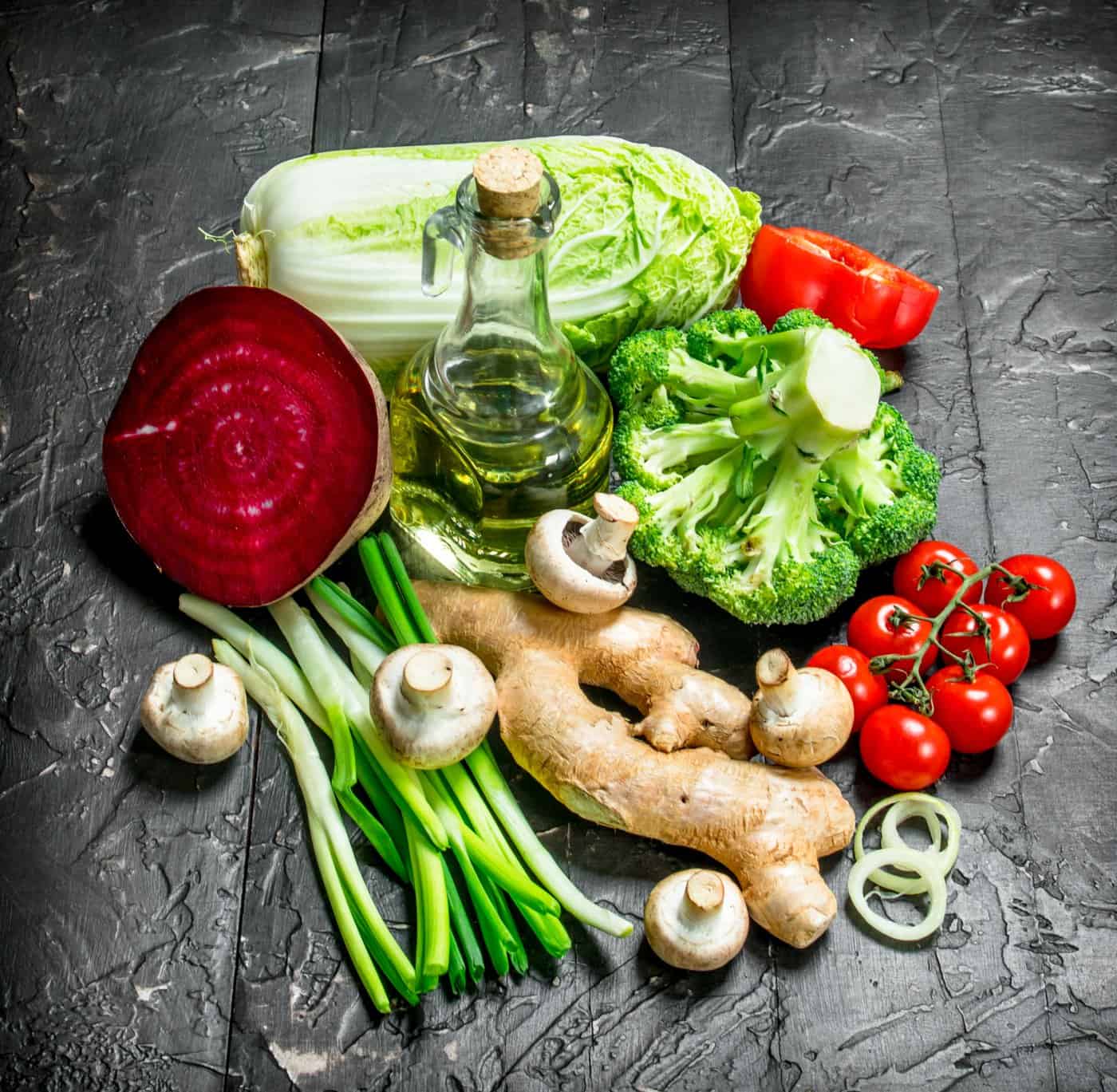
Whole vegetables, including beetroot, broccoli, mushrooms, ginger, tomatoes, and leafy greens, arranged on a dark surface.

Today, shoppers want ingredients they recognize. Short lists, plant-based nutrients, and non-GMO sources are no longer optional. Food-based vitamin D checks all those boxes.

When derived from fruits, vegetables, or fungi, it delivers nutrients without synthetic isolates. NutriFusion’s GrandFusion blends help stabilize naturally occurring vitamins and minerals, including vitamin D from plant-based sources. No synthetics. No additives. That means you can enhance nutrition while keeping your label credible and straightforward.

Safety and quality expectations matter in formulation. NutriFusion supports manufacturers with GrandFusion blends designed for clean-label fortification across food, beverage, nutraceutical, and pet applications. Manufacturers gain confidence when a clean-label replacement avoids recipe overhauls while maintaining nutritional value. Small changes can make a meaningful impact.

How to Read Vitamin D Claims on Ingredient Labels

Reading vitamin D labels can feel like decoding a secret. IU, micrograms, D2, and D3. If you are staring at a bottle wondering what it all means, let’s simplify it.

Understand Units, Forms, and Daily Values

IU stands for International Units. One IU equals 0.025 micrograms. Percent Daily Value shows how much a serving contributes to your Daily Value. D3 is often associated with more substantial increases in vitamin D status, though some plant-based products use D2 or vegan D3. Think of it like pouring milk into a cup. You want the right amount, not too little or too much.

Spot Real Food vs Synthetic Vitamin D

Source matters. “From lanolin” typically signals an animal-derived source. “From lichen” or “from shiitake mushrooms” can signal plant-based sourcing. Phrases like “no synthetics” or “nutrients created by nature, not the lab” can support transparency. A glance at the back-of-pack often tells you more than the front label alone.

Next time you shop, it helps to look beyond the numbers. Focus on sources you recognize and labels you can trust. That can make the decision more straightforward.

Formulating With Plant-Based Vitamin D: A Roadmap for Food, Beverage, and Supplement Brands

Vitamin D presents challenges. Off-tastes, stability issues, overages, and performance through heat, freezing, or processing can complicate product development.

GrandFusion blends simplify this. We can incorporate GrandFusion plant-based nutrient blends into foods, beverages, and nutraceutical formats with minimal sensory impact, supporting clean-label fortification with fewer texture or taste concerns. They are heat-stable and can help maintain mouthfeel, making formulations easier to manage.

Plant-based vitamin D is available in many formats: nutraceutical capsules, drink mixes, yogurts, frozen meals, kids’ snacks, and pet formulas. Using food-based D3 can help keep labels recognizable and straightforward. Clean-label nutrition is not a fad. It is a competitive advantage.

Build Trust With Real Food Vitamin D3

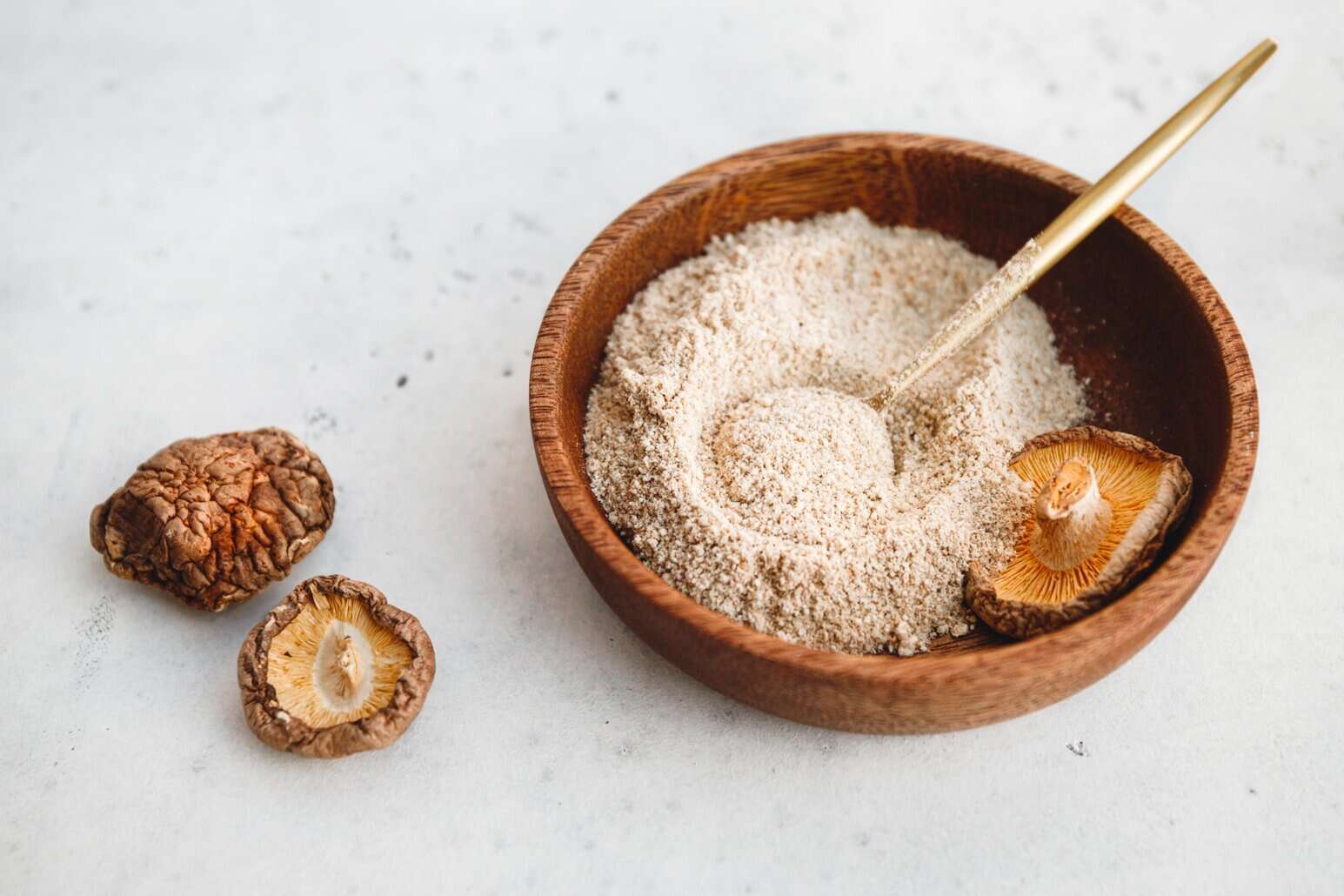
NutriFusion mushroom powder in a wooden bowl with a scoop, shown alongside dried mushrooms.

People care about the source, not just how much is in it. If your labels say your vitamin D comes from actual foods like fruits, veggies, or mushrooms, people will trust you more. If you mix that with easy-to-read labels and clear dosing info, your brand will gain fans and keep them.

We can add NutriFusion® GrandFusion® blends, which are non-GMO, plant-based, and made without synthetics. The result is products that meet modern expectations for nutrition and integrity.

We have seen how this approach can strengthen customer loyalty. When people know where their nutrients come from, they feel confident choosing your products. GrandFusion® blends make it easier to deliver plant-based, non-GMO vitamin D without synthetics in foods, beverages, supplements, and pet products. Working with solutions built for clean labels helps manufacturers align with clean-label trends while offering nutrients people recognize and trust.

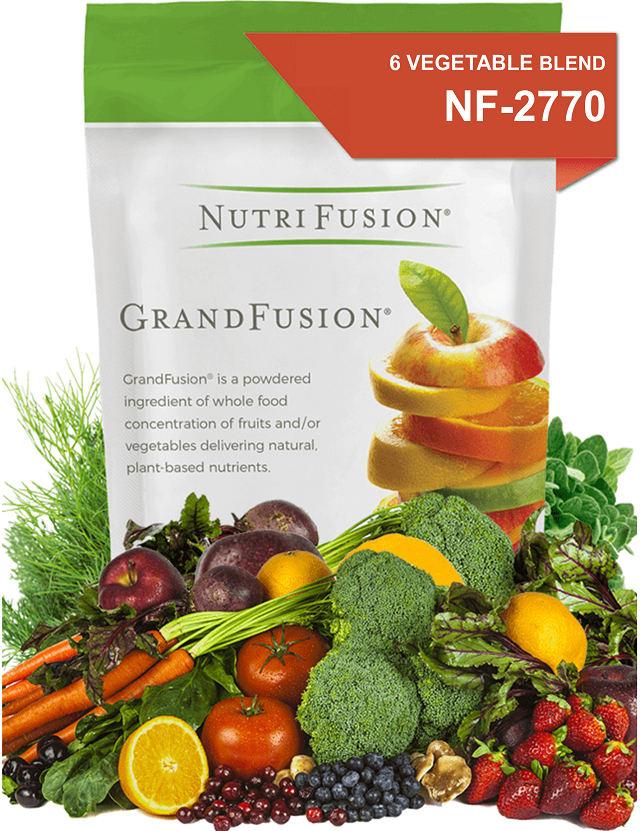
Explore NutriFusion®’s GrandFusion® 6 Nutrient Vegetable Blend 50 (NF-2770) to deliver plant-based vitamin D with labels customers can trust.


NutriFusion

NutriFusion develops all‐natural fruit and vegetable powders that are nutrient-dense, for when you do not have access to fresh produce, and even when you do, to improve your vitamin intake. Sourcing only whole, non-GMO foods, NutriFusion offers consumers a concentrated micronutrient and phytonutrient-rich food ingredient blend. With a farm-to-table philosophy, NutriFusion’s proprietary process stabilizes the nutrients from perishable fruits and vegetables, allowing a longer shelf life and access to vital nutrients.

NutriFusion fruit and/or vegetable powders are for use in foods, beverages, supplements, and pet foods. NutriFusion can help! Visit us at www.nutrifusion.com.


References

  1. National Institutes of Health. 2025. Vitamin D — Health Professional Fact Sheet. Office of Dietary Supplements. https://ods.od.nih.gov/factsheets/VitaminD-HealthProfessional/
  2. PubMed. 2012. “Vitamin D3 Is More Effective Than Vitamin D2 in Raising Serum 25-Hydroxyvitamin D Levels.” PubMed. https://pubmed.ncbi.nlm.nih.gov/22552031/
  3. U.S. Food and Drug Administration. 2025. GRAS Notice GRN 690: Fruit and Vegetable Vitamin Extract. https://www.fda.gov/files/food/published/GRAS-Notice-GRN-690-Fruit-and-vegetable-vitamin-extract.pdf