Should You Make Protein Powder or Ready-to-Drink? Here’s What the Data Says
Protein launches rarely miss because demand is weak. More often, the format choice creates friction. You can have the right formula, the right positioning, and the right audience, yet still struggle if you choose the wrong delivery format.
Protein powder and ready-to-drink protein play very different roles in how consumers buy, store, and use products. That choice affects cost structure, shelf placement, repeat purchasing behavior, and long-term margins.
We have seen brands rush into ready-to-drink products because they look exciting. We have also seen brands underestimate powder because it feels familiar. Both moves can be costly. In this blog, we will break this down using market data, buyer behavior, formulation realities, and manufacturing constraints.
How Consumers Choose: Control Versus Convenience
Here is how consumers actually sort protein formats when they are choosing what to use every day:
- Ready-to-drink protein is about convenience. You grab it, open it, and drink it. The texture is consistent, with no shaker and no prep.
- Protein powder is about control. You choose the dose, mix it your way, store it easily, and usually pay less per serving.
One comparison estimated the powder at about USD 1.36 per serving, versus roughly USD 2.10 for ready-to-drink, largely due to packaging and convenience costs. That gap matters for brands. Even if ready-to-drink sells faster per location, powder often wins on repeat economics. That is especially true for subscriptions, bundles, and multi-serve households.
Where Protein Powder Wins for Brands
Protein powder is the better fit when flexibility and iteration matter. Grand View Research projects the protein supplements market will grow at a roughly 10.3% CAGR through 2033, with protein powder accounting for about 48.8% of revenue in 2024.
That split also reflects operational reality. Powder allows more flavor innovation each year without retooling packaging lines. Seasonal drops, limited runs, and collaborations are easier to test. You can extend a line into whey protein isolate, whey protein concentrate, vegan protein powder, or blended systems with less operational friction.
Shipping also favors powder. You are moving dry weight, so there is no liquid, less volume per gram of protein, and fewer freight surprises.
Powder also fits habit-based models. A tub with thirty servings supports routine. That works well for e-commerce, subscriptions, and direct-to-consumer strategies.
Powder comes with its own risks. Mixability drives satisfaction. Clumping, chalk, and aftertaste issues can erase the benefit of good macros. Packaging barriers also matter because hygroscopic ingredients can contribute to caking.
Where Ready-to-Drink Protein Wins for Brands
Ready-to-drink protein works best when immediacy drives the purchase. It performs in coolers, convenience stores, gyms, offices, and other settings where the buyer wants a finished option right now. A single bottle also signals completeness, which can support meal-replacement positioning.
That convenience comes with more variables, and they need to be set early. Shelf-life targets, fill-finish partners, packaging availability, heat-processing choices, and distribution plans all shape the final outcome. These are manageable decisions, but they are expensive to correct after the first run.
The numbers reflect that demand. In the beverage lane, ready-to-drink protein drinks are projected to grow from about USD 1.96 billion in 2025 to around USD 3.06 billion by 2031, at a roughly 7.7% CAGR.
RTD Protein Drinks Stability Reality Check

Ready-to-drink looks simple on the shelf. In production, high-protein beverages behave like sensitive systems, especially at higher protein loads. Common failure modes tend to show up over time, not on day one:
- Sedimentation can cause protein particles or cocoa to settle.
- Gelation can slowly thicken the drink weeks after filling.
- Separation creates visible layers that erode trust.
- Heat processing can also introduce off-flavors, especially “cooked” notes from ultra-high temperature treatment.
Research indicates that ultra-high-temperature processing can increase risks of fouling, sedimentation, and gelation in high-protein beverages, and that stabilizer systems play a meaningful role. In chocolate RTD protein beverages, carefully controlled kappa-carrageenan levels have been shown to improve run-time stability and reduce settling. This is less about a single ingredient and more about system design.
RTD Packaging Trends That Change the Economics
Packaging choices can move margins as much as formula. Mordor Intelligence reports bottles held about 46.25% of RTD protein drink packaging share in 2025, while cartons and pouches are forecast to grow at roughly 7.75% CAGR through 2030.
Those shifts affect freight efficiency, shelf placement between ambient and chilled sets, and how consumers interpret the product. Cartons can signal “cleaner” or more functional compared to bottles. Packaging is doing more than just holding the product. It signals positioning.
Decision Checklist That Matches Format to Channel
Start with the channel and operational reality, then let format follow. Here is how that decision actually shows up once you start selling into real channels:
- If your primary channel is e-commerce or direct-to-consumer, powder often fits better because shipping is simpler and subscription behavior is easier to build.
- If your primary channel is convenience, gyms, or offices, RTD often fits better because immediate use is the value.
- If you want the lowest operational complexity, start with powder. If you can invest in processing and packaging, RTD becomes viable.
For that reason, many brands validate demand with powder first. Once repeat behavior is proven, they scale into ready-to-drink.
How to Choose Quality Protein Inputs
Protein quality still comes down to the basics. Protein powder concentrate usually has more fat and lactose, while protein powder isolate is typically richer in protein and lower in lactose. That affects taste, perception of digestibility, and formulation behavior.
You should always ask suppliers for spec sheets, allergen statements, microbiological targets, and solubility performance data. Those documents save time later.
For vegan protein powder, blends are common for a reason. Single-source plant proteins often struggle with taste, texture, or amino acid balance. Blends help smooth those edges. One ongoing concern is the scrutiny of heavy metals.
Consumer Reports flagged lead and other heavy metal findings across a range of protein powders and ready-to-drink shakes. That coverage reinforces why quality assurance, transparency, and supplier vetting matter for trust.
Differentiate Your Protein Format With Real Nutrition

Most protein launches compete on the same metrics: protein grams, calories, and sweeteners. A stronger differentiator is nutrient density that stays clean-label and does not disrupt taste or texture.
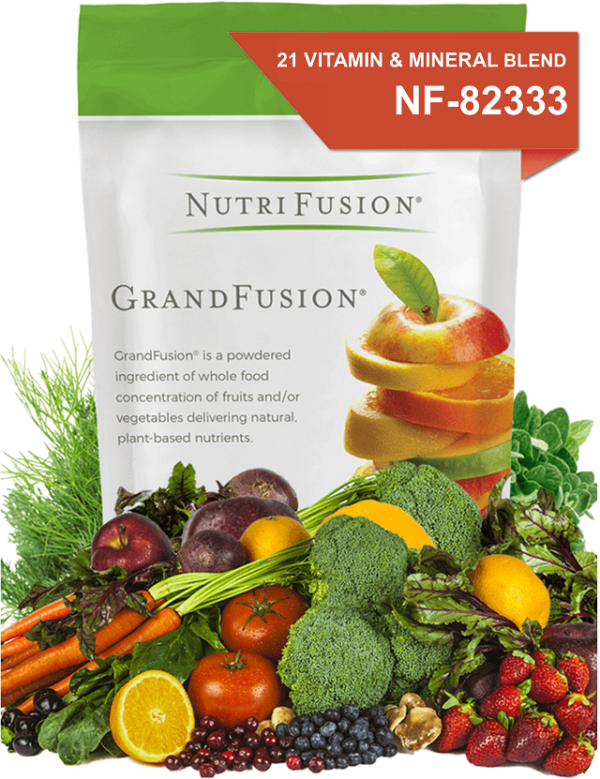
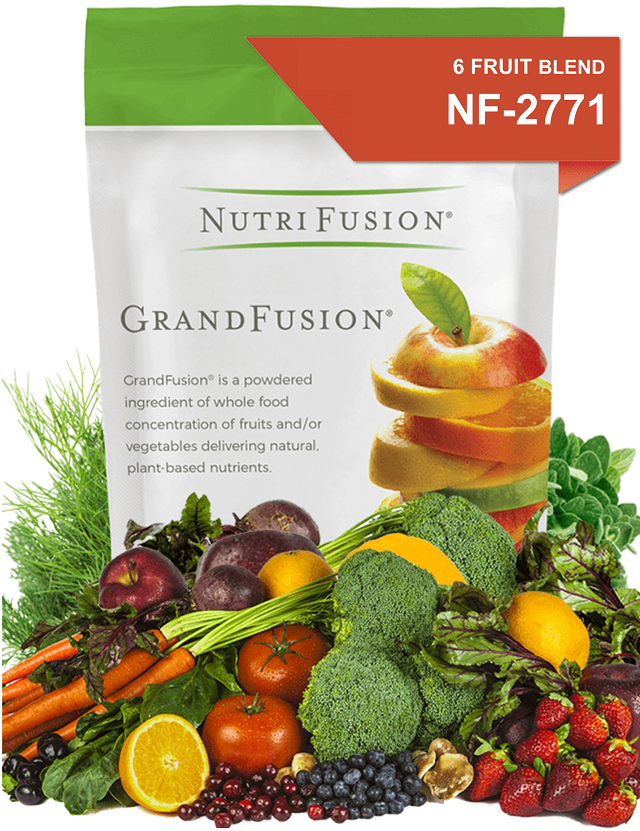
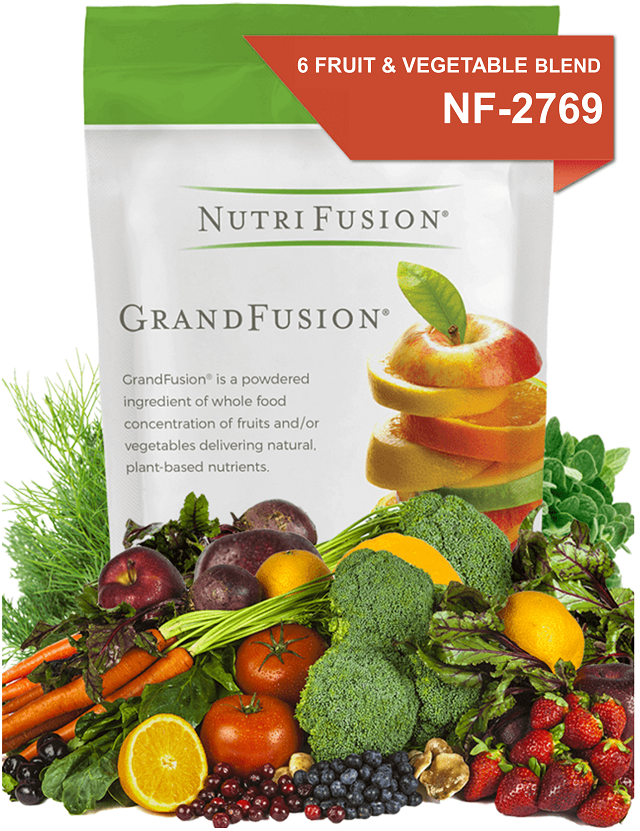
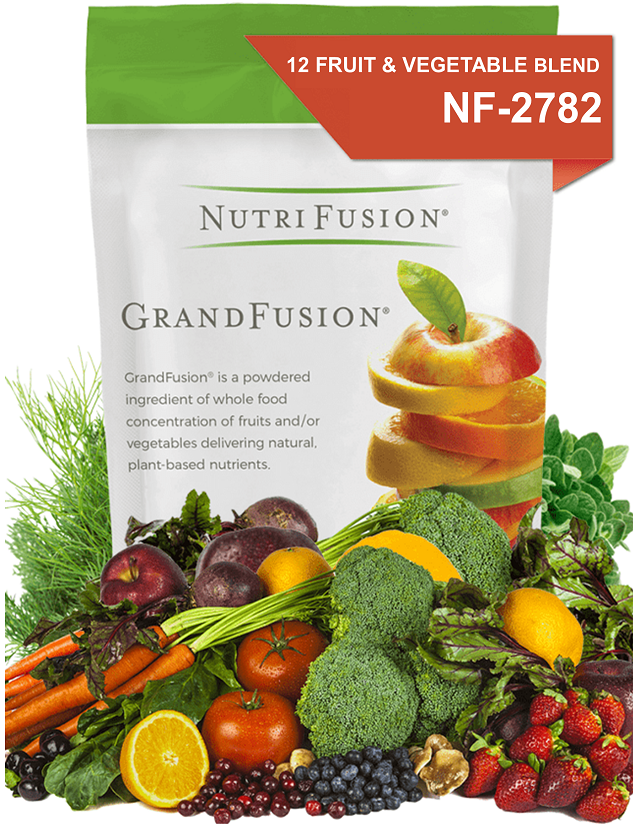
NutriFusion provides fruit- and vegetable-derived micronutrient blends designed to increase nutritional profile without affecting functionality. GrandFusion blends are 100% natural, non-GMO, highly concentrated, and are built from whole foods. It is easy to formulate and robust through processing.
For protein powder, this supports “more than macros” positioning. For ready-to-drink products, it enables functional differentiation while remaining mindful of stability.
Build a Protein Launch Plan From the Data
Choosing between protein powder and ready-to-drink protein is not about trends. It is about alignment. When you start with channel strategy, stability targets, plus nutrition differentiation, format decisions get clearer. We help manufacturers evaluate GrandFusion® blend options and develop custom premixes for powder and beverage applications.
If you are mapping your next protein launch, we invite you to explore NutriFusion® products or start a custom blend conversation. We are here to help you explore blend options and discuss custom premix needs for your product.
Explore Custom Superfood Powder Blends to differentiate protein powders and ready-to-drink protein products without compromising taste or stability.
NutriFusion
NutriFusion develops all‐natural fruit and vegetable powders that are nutrient-dense, for when you do not have access to fresh produce, and even when you do, to improve your vitamin intake. Sourcing only whole, non-GMO foods, NutriFusion offers consumers a concentrated micronutrient and phytonutrient-rich food ingredient blend. With a farm-to-table philosophy, NutriFusion’s proprietary process stabilizes the nutrients from perishable fruits and vegetables, allowing a longer shelf life and access to vital nutrients.
NutriFusion fruit and/or vegetable powders are for use in foods, beverages, supplements, and pet foods. NutriFusion can help! Visit us at www.nutrifusion.com.
References
- Breitowich, Andi. 2025. “Your Daily Protein Shake Might Be Exposing You to Lead, Consumer Reports Finds.” Food & Wine. (https://www.foodandwine.com/protein-powder-heavy-metals-contamination-consumer-reports-investigation-11828759)
- de Souza, Alisson Borges, Ana Augusta Odorissi Xavier, Rodrigo Stephani and Guilherme M. Tavares. 2024. “Prior denaturation and aggregation of whey proteins: Is this a useful strategy for increasing the content of these proteins in UHT high-protein dairy beverages?” Food and Bioproducts Processing. (https://www.sciencedirect.com/science/article/abs/pii/S0960308523001554)
- Grand View Research. 2026. “Protein Supplements Market (2026–2033) Size, Share & Trends Analysis Report By Product (Protein Powders, Protein Bars), By Distribution Channel (Supermarkets, Online, DTC), By Application (Sports Nutrition, Functional Foods), By Source, By Region, And Segment Forecasts.” Grand View Research. (https://www.grandviewresearch.com/industry-analysis/protein-supplements-market)
- Mordor Intelligence. 2026. “Ready-to-Drink Protein Beverages Market Size & Share Analysis – Growth Trends and Forecast (2026 – 2031).” Mordor Intelligence. (https://www.mordorintelligence.com/industry-reports/ready-to-drink-protein-beverages-market)
- Singh, Jaspal, Sangeeta Prakash, Bhesh Bhandari, and Nidhi Bansal. 2020. “Ultra-high temperature (UHT) stability of chocolate-flavored high-protein beverages.” Journal of Food Science. (https://pubmed.ncbi.nlm.nih.gov/32856323/)